Few victory expressions are as cheerful, strange, and unexpectedly hungry as “winner winner chicken dinner.” Someone sinks a difficult shot, guesses the correct answer, wins a video game, or finds twenty dollars in an old coat. Suddenly, poultry is on the menu.
The phrase is now used as a playful declaration of success, especially after a game, contest, gamble, or lucky break. Its exact origin, however, is less certain than many online explanations suggest. Gambling culture, inexpensive casino meals, Depression-era dice games, Hollywood, and modern video games have all contributed to the expression’s story.
So, where did “winner winner chicken dinner” come from? What does it mean today? And why has a rhyming reference to dinner survived when countless other catchphrases have been sent to the linguistic leftovers bin? Let’s dig in.
What Does “Winner Winner Chicken Dinner” Mean?
“Winner winner chicken dinner” means that someone has won, succeeded, or experienced a fortunate result. It is usually enthusiastic and humorous rather than formal. The speaker is not necessarily promising an actual chicken dinner, although nobody is going to complain if one appears.
The expression is closely associated with gambling and games of chance, but its modern use is much broader. People say it after winning a card game, completing a difficult task, making a correct prediction, scoring a bargain, or solving a frustrating problem.
For example:
- “I got the last parking space. Winner winner chicken dinner!”
- “Our team finished the project two days early—winner winner chicken dinner.”
- “I finally beat the final boss! Winner winner chicken dinner!”
Depending on the situation, the phrase may express genuine excitement, light sarcasm, or exaggerated pride in a tiny achievement. Finding a coupon for fifty cents may not qualify as a historic triumph, but the phrase gives it the emotional importance of winning the Super Bowl.
Where Did “Winner Winner Chicken Dinner” Come From?
The honest answer is that the exact origin remains disputed. Several explanations circulate, but researchers have not uncovered a single definitive document proving who first said it, where it was said, or whether a victorious gambler immediately ordered mashed potatoes.
Reference works and investigations into gambling language generally connect the expression to twentieth-century gambling culture. However, they differ over whether it began in Las Vegas casinos, informal Depression-era dice games, or older rhyming slang.
The Popular Las Vegas Casino Story
The best-known origin story places the phrase in old Las Vegas casinos. According to this account, a chicken dinner once cost approximately the same amount as a standard bet. A gambler who won could therefore afford a satisfying meal, inspiring casino workers or players to announce, “Winner winner chicken dinner!”
Some versions become highly specific, claiming that a casino chicken dinner cost $1.79 while a common bet was $2. The problem is that these exact details are repeated far more often than they are supported by contemporary menus, advertisements, dealer manuals, or newspaper reports.
The story is believable in spirit. Mid-century Las Vegas did attract visitors with relatively affordable meals, entertainment, and the promise of glamorous excitement. Casinos had strong reasons to keep gamblers comfortable, fed, and close to the tables. Nevertheless, a plausible setting is not the same thing as documented proof. Las Vegas became a major casino destination during the 1940s and afterward, but that does not establish that the phrase was invented there.
The Depression-Era Alley Craps Theory
Another explanation connects the phrase to informal craps games during the Great Depression. Gambling historian and craps-lingo author David Guzman has suggested that players sometimes gambled in alleys and other unofficial settings. A small win could mean having enough money to buy chicken for dinner that evening.
This interpretation gives the expression a less glamorous background. Instead of tuxedo-wearing gamblers celebrating beside a polished blackjack table, imagine people treating a modest gambling win as the difference between an ordinary meal and something more substantial.
The theory also fits the phrase’s emotional structure: you won, therefore you can eat well tonight. Still, surviving written evidence is limited, so this explanation should be treated as a credible possibility rather than an established historical verdict.
Could It Be Rhyming Slang?
A third possibility is wonderfully simple: dinner rhymes with winner. Repetition and rhyme make an expression easy to shout, remember, and pass along. Some researchers have noted that “chicken dinner” may have functioned as a rhyming substitute for “winner,” possibly influenced by British or Australian speech traditions.
That does not necessarily mean the entire phrase arrived fully formed from Cockney rhyming slang. Informal expressions often evolve in several places at once. A gambler may have used an existing rhyme, another speaker may have added the repeated “winner,” and later storytellers may have attached the phrase to casino meal prices.
What Can We Say With Confidence?
The safest conclusion is that the expression has strong historical ties to gambling, winning, and the idea of earning a rewarding meal. A traceable print example appeared in a 1998 North American travel guide describing the phrase as something a Las Vegas stickman might say after a win. That proves the expression was in circulation by the late 1990s, but it does not reveal when spoken usage began.
In other words, the Las Vegas story may contain a piece of the truth, the Depression-era explanation may preserve an older tradition, and rhyme probably helped the phrase survive. Language rarely keeps perfect receipts.
Why Does the Phrase Sound So Catchy?
The expression succeeds because it behaves like a miniature celebration chant. It has repetition, rhythm, rhyme, and a satisfying ending.
Repetition Creates Excitement
Saying “winner” twice sounds more enthusiastic than saying it once. Compare “We won” with “Winner! Winner!” The second version practically arrives carrying confetti.
Rhyme Makes It Memorable
“Winner” and “dinner” create an obvious rhyme. Rhyming expressions are easier to remember and repeat, which helps them travel through families, workplaces, sports communities, casinos, movies, and online games.
Chicken Makes the Victory Feel Real
A trophy is symbolic. A chicken dinner is tangible. It connects an abstract victory with food, comfort, and reward. Even when no meal is involved, the phrase suggests that the winner deserves something enjoyable.
Chicken also occupies a useful cultural middle ground. It can be inexpensive everyday food, nostalgic comfort food, or the centerpiece of a celebratory meal. The expression would feel very different if it were “winner winner steamed kale dinner.” Healthy, perhaps. Triumphant, not quite.
How the Movie 21 Popularized the Phrase
Many people first heard “winner winner chicken dinner” in the 2008 film 21. Inspired by the story of an MIT blackjack team, the movie follows skilled card counters attempting to beat Las Vegas casinos.
The phrase is used during gambling scenes as a spirited announcement of success. Because the movie reached a large mainstream audience, some viewers understandably assumed that its screenwriters invented the line.
They did not. The expression existed before the film, but 21 gave it a major pop-culture boost and reinforced its association with blackjack, casinos, and dramatic winning streaks. Dictionary.com specifically identifies the film as an important step in the phrase’s rise into mainstream usage.
How PUBG Turned Chicken Dinner Into Gaming Slang
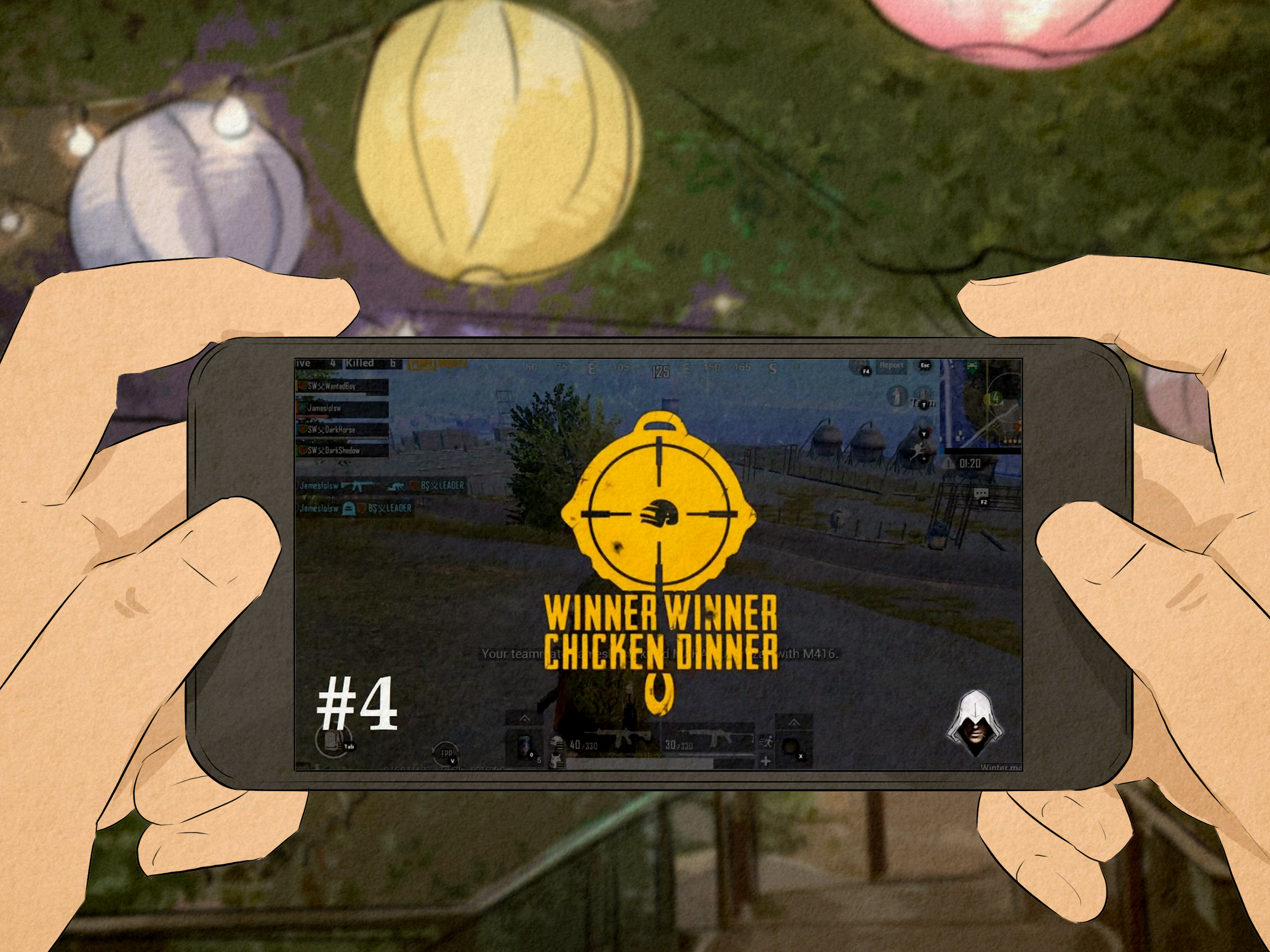
The phrase’s biggest modern transformation came from PlayerUnknown’s Battlegrounds, better known as PUBG. In the battle royale game, players compete to become the final surviving individual or team. Victory is rewarded with the now-famous message: “Winner Winner Chicken Dinner!”
Game creator Brendan Greene had used the expression in earlier battle royale projects, including an ARMA 2 DayZ mod, before PUBG entered Steam Early Access in March 2017. The full PC release followed in December 2017.
PUBG did more than quote an old victory saying. It turned chicken dinner into a gaming goal. Players began saying:
- “We got the chicken dinner.”
- “That was my first solo chicken dinner.”
- “One more match—we need a chicken dinner.”
Official PUBG announcements, tournaments, events, cosmetic items, and promotional campaigns continued using the expression, making it part of the game’s identity. A phrase once linked mainly with gambling became internationally recognized battle royale slang.
For younger speakers, PUBG may now be a more familiar association than Las Vegas. This is a classic example of language being recycled: an older saying enters a new medium, gains a global audience, and returns to everyday speech with an updated meaning.
How to Use “Winner Winner Chicken Dinner” Today
Use It After a Game or Contest
This remains the most natural context. The phrase works after winning cards, trivia, bowling, fantasy sports, a board game, or a video game.
Example: “That final question put us in first place. Winner winner chicken dinner!”
Use It for Small Everyday Victories
The expression becomes funnier when the achievement is ordinary.
Example: “The repair only cost twelve dollars. Winner winner chicken dinner.”
Use It Ironically
Someone may use the phrase after receiving a technically positive but unimpressive result.
Example: “The airline found my suitcase after only four days. Winner winner chicken dinner, I guess.”
Keep It Out of Serious or Formal Situations
The phrase is casual. It may fit a team chat, social-media caption, family gathering, or friendly email, but it usually does not belong in a legal filing, medical report, academic paper, or solemn announcement.
“Your mortgage application has been approved—winner winner chicken dinner” might be memorable customer service, but perhaps not for the right reasons.
Punctuation and Capitalization
There is no single mandatory style because the expression is informal. Common versions include:
- “Winner, winner, chicken dinner!”
- “Winner winner, chicken dinner!”
- “Winner winner chicken dinner!”
Commas can reproduce the pauses of spoken delivery, while the version without commas looks faster and is common in games, memes, hashtags, and online conversations.
Use title capitalization when the phrase appears in a headline, episode title, product name, or event name. In an ordinary sentence, lowercase is generally fine.
Similar Victory Expressions
Depending on the tone you want, alternatives include:
- Bingo! — Used when something is correct or successful.
- Jackpot! — Suggests a valuable or lucky discovery.
- We have a winner! — Suitable for contests and playful announcements.
- Nailed it! — Celebrates completing something successfully.
- Victory is ours! — More dramatic, especially when assembling furniture.
- That’s a win. — A calmer, more modern option.
“Winner winner chicken dinner” remains distinctive because it is sillier and more theatrical than most alternatives. It does not merely report a win. It performs one.
Common Misconceptions About the Phrase
Misconception 1: It Was Invented for PUBG
PUBG made the phrase globally famous among gamers, but Brendan Greene did not invent it. It had already appeared in print, gambling culture, and popular entertainment.
Misconception 2: The Movie 21 Created It
The film helped popularize the expression, but the line predates its 2008 release.
Misconception 3: The Las Vegas Meal Story Is Proven
The old casino-meal explanation is widely repeated and may reflect authentic casino culture. However, precise claims about a universal $1.79 dinner and a standard $2 bet are difficult to verify with strong primary evidence.
Misconception 4: It Always Refers to Gambling
Modern speakers use it for almost any success, including achievements involving no money, risk, casino, or edible bird.
Experiences With “Winner Winner Chicken Dinner” in Everyday Life
The phrase becomes easier to understand when you notice how differently it works across real-life situations. It can turn competition into comedy, make a minor success feel bigger, or create a shared joke among people who recognize the reference.
The Family Game-Night Experience
Imagine a family card game that has lasted far longer than anyone expected. One player has been confidently explaining the rules while quietly losing every round. Then, at last, the perfect card appears. The player wins, raises both hands, and announces, “Winner winner chicken dinner!”
The phrase works because it releases the tension. Nobody is simply recording the score. The exaggerated celebration becomes part of the entertainment, especially when the prize is nothing more valuable than choosing the next game.
At game nights, the expression may also become a running tradition. The winner says it every week, the other players groan on cue, and someone eventually threatens to replace “chicken dinner” with “dishwashing duty.” Language creates rituals, even ridiculous ones.
The Workplace Victory Experience
In a casual workplace, the phrase can celebrate small breakthroughs. A spreadsheet finally calculates correctly. A difficult client approves a proposal. The printer produces a document without making a noise that suggests mechanical despair.
A quick “winner winner chicken dinner” in the team chat can communicate relief without sounding overly dramatic. It says, “This mattered, we succeeded, and we are allowed to enjoy the moment.”
Context is important, though. The expression works best among colleagues who already share an informal tone. A manager should probably avoid shouting it immediately after announcing that one employee received a promotion and five others did not. Victory language can build camaraderie, but poorly timed celebration can make the room colder than a supermarket freezer aisle.
The PUBG Squad Experience
For PUBG players, a chicken dinner can represent much more than a catchy message. A match may involve careful looting, narrow escapes, tactical positioning, questionable driving, and at least one teammate insisting that crashing the vehicle was “part of the plan.”
When the final opponent falls and the victory message appears, the phrase becomes a reward for the entire journey. Players take screenshots, share clips, tease the teammate with zero eliminations, and immediately debate whether they should stop while ahead.
The gaming experience also changes the phrase’s grammar. Players do not only shout it; they turn it into a noun. They “earn a chicken dinner,” “chase another dinner,” or count how many dinners they won during a session. An idiom has effectively become a scoreboard.
The Literal Chicken-Dinner Experience
The expression becomes especially satisfying when the victory actually leads to chicken. A recreational sports team might celebrate a win at a restaurant. Friends may promise fried chicken to whoever wins a tournament. A family could serve roast chicken after a successful event and use the phrase as the evening’s unofficial theme.
In these cases, the old connection between winning and food becomes literal again. Whether or not casino gamblers originally coined the saying for exactly this reason, the experience explains why the idea remains appealing. Food turns a private feeling of success into something people can share.
When the Phrase Falls Flat
Not every win needs poultry commentary. Repeating the expression after every small success can wear it out quickly. It may also sound childish when a situation calls for restraint, empathy, or professionalism.
The best experiences with “winner winner chicken dinner” have three ingredients: a recognizable success, a relaxed audience, and enough self-awareness to keep the celebration playful. Use it like hot sauce. A little adds personality; pouring the entire bottle onto every conversation raises questions.
Final Thoughts
“Winner winner chicken dinner” is a humorous American victory expression with deep associations with gambling culture. The familiar Las Vegas meal-price story is colorful but not conclusively documented. A competing theory connects the saying to Depression-era alley craps, while its rhyme may reflect a broader slang tradition.
What is certain is the phrase’s modern journey. It circulated before the twenty-first century, gained mainstream visibility through the 2008 movie 21, and became global gaming slang after PUBG displayed it to victorious players.
Today, the saying can celebrate everything from a battle royale victory to finding matching socks on the first try. Its enduring appeal is simple: it sounds good, feels cheerful, and turns even a modest success into a tiny awards ceremony with imaginary side dishes.