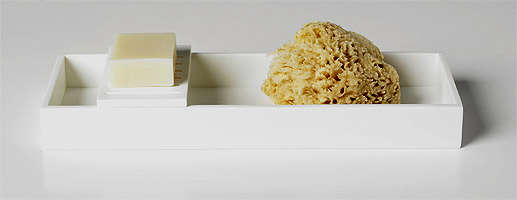
A serving tray in white Corian sounds almost suspiciously simple: a flat white object that carries coffee, snacks, glasses, candles, or that one tiny bowl of almonds nobody asked for but everyone eats. Yet this small home accessory has a surprising amount of design muscle. It belongs somewhere between kitchen tool, decorative object, and quiet luxury statement. It does not shout. It does not beg for attention. It simply sits there looking clean, modern, and slightly more organized than the rest of us.
Corian, a well-known solid surface material originally developed by DuPont, has long been used for countertops, sinks, hospitality spaces, healthcare environments, and food-service surfaces. In a serving tray, the same qualities become personal and portable: a nonporous feel, a smooth touch, a sculptural look, and a bright white finish that makes everything placed on it appear more intentional. A mug becomes a coffee moment. A croissant becomes brunch. A remote control becomes, somehow, décor.
This guide explores what makes a white Corian serving tray special, how it compares with wood, marble, metal, resin, and acrylic trays, how to style it, how to clean it, and why it works so well in modern American homes. We will also cover practical buying tips, care habits, and real-life experiences with using a Corian tray in daily routines.
What Is a Serving Tray in White Corian?
A serving tray in white Corian is typically made from Corian solid surface, a durable man-made material composed of acrylic polymer and natural minerals. Unlike a thin coated tray that depends on paint or veneer for its appearance, Corian is solid through the surface. That means the color and material quality are not just sitting on top like frosting on a cupcake; they are part of the tray itself.
White Corian trays are often chosen for their clean, architectural appearance. They can look crisp in a minimalist kitchen, polished on a coffee table, elegant on a bathroom vanity, and surprisingly warm when paired with wood, linen, ceramic, or brass. White is also a useful display color because it creates contrast. A black espresso cup looks dramatic. Fresh berries look brighter. A small vase of greenery looks like it hired a publicist.
Why Corian Works So Well for Serving Trays
1. A Smooth, Nonporous Surface
One of the biggest reasons Corian is loved in kitchens and food-service settings is its nonporous surface. For a tray, that matters. A serving tray may meet coffee rings, lemon juice, cookie crumbs, olive oil, sticky syrup, and the occasional mystery splash that nobody in the house will confess to. A nonporous surface helps prevent spills from soaking in the way they might with unfinished wood or porous stone.
This does not mean a Corian tray is magical or self-cleaning. Sadly, the tray will not wash itself while you watch a movie. But it does mean everyday cleanup is usually simple. A soft cloth, warm water, and mild soap can handle most normal messes.
2. A Seamless, Modern Look
Corian is known for its seamless design potential. In larger applications, fabricators can create integrated sinks, curved counters, and smooth architectural forms. In a tray, that design language becomes smaller and more intimate. Rounded corners, softly routed edges, recessed surfaces, and handle cutouts can make a Corian tray feel like a tiny piece of architecture.
White Corian especially suits modern, Scandinavian-inspired, Japandi, contemporary, coastal, and gallery-like interiors. It has that “freshly cleaned boutique hotel” mood without requiring you to fold towels into swans.
3. A Durable Everyday Feel
A serving tray should not feel fragile. It should carry mugs, plates, snacks, and décor without making you nervous every time someone walks across the room. Corian has a dense, substantial feel, which can make a tray feel stable and premium. Compared with lightweight plastic trays, it often feels more refined. Compared with marble, it may feel easier to handle and less intimidating for daily use.
However, Corian is not indestructible. It can scratch if treated roughly, and hot cookware should not be placed directly on it. Think of it as durable, not immortal. Even superheroes use coasters sometimes.
White Corian vs. Other Tray Materials
White Corian vs. Wood
Wood trays bring warmth, grain, and natural character. They are beautiful for farmhouse, rustic, and organic interiors. But wood can absorb moisture if not properly sealed, and it may stain from oils, wine, or dark liquids. A white Corian serving tray offers a cleaner, more contemporary alternative. It does not have the cozy texture of wood, but it wins when you want a polished, easy-to-wipe surface.
White Corian vs. Marble
Marble trays look luxurious and photograph beautifully, especially with candles, perfume bottles, or gold accents. The downside is that marble is porous and can be sensitive to acidic spills. Lemon juice, vinegar, or wine can mark natural stone if it is not properly sealed. White Corian gives a similar clean, elegant effect but with a more forgiving daily-care profile.
White Corian vs. Metal
Metal trays can feel glamorous, industrial, or vintage depending on the finish. Brass, stainless steel, and blackened metal all have strong personalities. White Corian is quieter. It does not reflect light as loudly and does not usually show fingerprints like polished metal. If metal is the jazz solo, white Corian is the perfectly timed piano chord.
White Corian vs. Acrylic or Plastic
Acrylic trays can be colorful, affordable, and lightweight. They work well in casual spaces or outdoor-adjacent settings. But some acrylic and plastic trays can scratch, cloud, or feel less substantial over time. A Corian tray usually feels more architectural and permanent, making it a strong choice for homeowners who want an accessory that looks grown-up without becoming boring.
Best Uses for a White Corian Serving Tray
For Breakfast and Coffee Service
A white Corian tray is excellent for carrying coffee, tea, toast, fruit, pastries, or a small breakfast setup. The white background makes food look bright and fresh. It also creates a clean visual frame, which is useful if your morning routine is less “peaceful sunrise” and more “where are my keys?”
For Coffee Table Styling
Interior designers often use trays to organize coffee tables because a tray visually gathers small objects into one intentional composition. A white Corian tray can hold a candle, a small bowl, coasters, a book, and a tiny vase. Without the tray, those items may look scattered. With the tray, they look curated. Same objects, better public relations.
For Kitchen Counter Organization
On a kitchen counter, a white Corian serving tray can hold olive oil, salt, pepper, a small utensil cup, or coffee supplies. This makes the counter easier to clean because you can lift one tray instead of moving six individual items. It also gives the kitchen a calmer look, especially in open-concept homes where the counter is visible from the living room.
For Bathroom and Vanity Displays
White Corian feels right at home in bathrooms because it echoes the clean look of sinks, stone, tile, and spa-like surfaces. Use it to organize perfume, skincare, hand soap, a small towel, or a candle. The result looks fresh, not fussy. Just avoid letting strong cosmetic products sit too long without wiping, especially if they contain pigments or oils.
For Entertaining
For parties, a white Corian tray can present cheese, crackers, fruit, small desserts, cocktail glasses, or appetizer plates. If the tray is certified or intended for direct food contact, it may be used accordingly; otherwise, use small plates, parchment, bowls, or napkins as a practical layer. This keeps serving simple and makes cleanup easier.
Design Features to Look For
Size and Proportion
Choose the size based on how you plan to use the tray. A small tray works well for a vanity, nightstand, or single coffee setting. A medium tray suits a kitchen counter or coffee table. A large tray can serve drinks or snacks for guests, but remember that Corian has weight. Bigger can look impressive, but it should still be comfortable to lift.
Edge Design
Look for raised edges if you plan to carry drinks. A flat slab-style tray may look beautiful, but raised sides add security. Rounded edges are more comfortable to hold and less likely to feel sharp. If the tray has carved handles, check that they are wide enough for real hands, not just the delicate fingers of a porcelain doll.
Finish
Matte and satin finishes are popular for Corian because they tend to be easier to live with than high-gloss surfaces. Gloss can look dramatic, but it may show fine scratches more easily. A soft matte white finish gives the tray a calm, modern look and hides normal wear better.
Underside Protection
A good tray should protect the surface underneath it. Look for felt pads, rubber feet, or a smooth underside. This is especially important if you plan to use the tray on wood tables, lacquered furniture, or delicate countertops. The tray should organize your home, not start a tiny furniture feud.
How to Style a Serving Tray in White Corian
Create Contrast
White Corian looks best when paired with contrasting textures. Try it with warm wood, black ceramic, amber glass, brushed brass, woven linen, or greenery. The goal is to avoid making everything white, unless your design dream is “friendly laboratory.” A little contrast keeps the tray from looking sterile.
Use Odd Numbers
For decorative styling, group items in threes or fives. For example, place a candle, a small vase, and a bowl on the tray. Or try a book, a ceramic object, a coaster stack, a small plant, and matches. Odd-numbered groupings often feel more natural and less stiff.
Mix Heights
A flat tray becomes more interesting when the objects on it have different heights. Pair a low bowl with a taller vase, a medium candle, and a stack of books. This creates movement without clutter. The tray becomes a small landscape instead of a parking lot for random household objects.
Keep One Practical Item
The best trays are beautiful and useful. On a coffee table, include coasters. In a kitchen, include salt or oil. On a vanity, include hand cream or perfume. A tray that only looks good but never helps you is basically a very expensive nap.
Care and Cleaning Tips
Daily Cleaning
For everyday cleaning, wipe the tray with warm soapy water and a soft cloth. Dry it afterward to reduce water spots. For mild residue, a non-abrasive household cleaner suitable for solid surfaces may be used. Avoid harsh scouring pads unless the manufacturer specifically recommends them for the finish.
Avoid Direct Heat
Corian is heat resistant in normal use, but direct heat can cause damage. Do not place a hot pan, baking tray, or freshly boiled kettle directly on a Corian serving tray. Use a trivet, heat pad, or towel. Your tray wants to serve brunch, not audition as a stovetop.
Prevent Scratches
Do not cut directly on the tray unless the product is specifically designed as a cutting board. Use a separate cutting board for knives. Avoid dragging rough ceramic bases, metal tools, or gritty objects across the surface. Fine marks can sometimes be professionally renewed, but prevention is easier than repair.
Handle Stains Promptly
White surfaces show mess faster than dark ones. That is both annoying and useful. Wipe coffee, tea, turmeric, wine, berries, makeup, and oil-based products soon after contact. White Corian is generally easy to clean, but letting strong pigments sit around is like inviting trouble over and giving it snacks.
Who Should Buy a White Corian Serving Tray?
A white Corian serving tray is a smart choice for people who like modern design, easy cleaning, and home accessories that feel substantial. It suits homeowners, apartment dwellers, hosts, design lovers, and anyone who wants a tray that can move from breakfast service to coffee table styling without looking out of place.
It may not be the best choice if you need an ultra-lightweight tray for carrying heavy loads across long distances. It may also not be ideal for outdoor use unless the maker clearly states that the tray is suitable for that purpose. But for indoor serving, styling, and organizing, it is a refined and practical option.
Buying Tips Before You Choose One
First, confirm that the tray is made from genuine Corian or a clearly identified solid surface material. Some sellers use “Corian-style” loosely, which may refer to a similar look rather than the actual branded material. Second, check the dimensions carefully. Photos can make trays look larger or smaller than they are, and nobody wants to receive a “serving tray” that can barely hold one dramatic espresso.
Third, review the edge height and handle design. If you plan to carry drinks, raised sides are helpful. If the tray will mostly sit on a table as décor, a low-profile slab may be more elegant. Fourth, check the finish and care instructions. Matte white is usually practical, while glossy white may require more careful handling.
Finally, think about your home’s palette. White Corian works beautifully with light oak, walnut, black accents, stainless steel, marble, concrete, linen, and soft neutrals. It is especially useful in homes where the décor is already busy because the white tray creates a clean pause.
Common Mistakes to Avoid
Using It as a Cutting Board Without Permission
Some solid surface boards are designed for food prep, but not every tray is a cutting board. If the maker calls it a serving tray, treat it as a serving tray unless the product details say otherwise.
Overloading the Tray
Corian has a premium weight. Add four mugs, a teapot, plates, and snacks, and suddenly your elegant tray becomes arm day at the gym. Carry reasonable loads, especially if the tray is large.
Styling It With Too Many Small Items
A tray should reduce clutter, not gather clutter into a museum exhibit titled “Receipts, Coins, and Things I Might Need Later.” Keep the arrangement edited. Three to five items usually look better than twelve.
Ignoring the Underside
If the tray sits on delicate furniture, use pads or check that the underside is smooth. A beautiful tray should not scratch the table it is trying to beautify.
of Real-Life Experience With a Serving Tray in White Corian
Living with a serving tray in white Corian feels different from using a typical wooden or plastic tray. The first thing you notice is the weight. It feels grounded, almost architectural. When you place it on a coffee table, it does not look like something tossed there at the last minute. It looks chosen. That one detail can change the mood of a room. Suddenly, the candle, coasters, and small bowl of wrapped candies look like a design decision instead of evidence that you cleaned in a hurry before guests arrived.
In the kitchen, the tray becomes surprisingly useful. One of the best ways to use it is as a coffee station base. Place a small jar of sugar, a ceramic spoon holder, a tiny vase, and two favorite mugs on it. The white surface makes the setup look bright and fresh, especially in the morning. It also makes wiping the counter easier because the small objects are grouped together. Instead of moving each item one by one, you lift the tray, clean underneath, and feel briefly like the kind of person who has life under control.
For serving, a white Corian tray works beautifully with simple food. A croissant, a cup of coffee, strawberries, and a linen napkin look fantastic against the white background. The tray does not compete with the food. It frames it. This is especially helpful if you enjoy taking photos for a blog, shop, or social media. White Corian gives a clean base without the visual noise of wood grain or patterned ceramic. Food looks sharper, colors look clearer, and even a very ordinary cookie starts acting like it belongs in a bakery window.
On the downside, white surfaces do require attention. Coffee rings show up. Tea splashes show up. A crumb of chocolate looks like it is waving at you from across the room. But that visibility is also why the tray stays clean. You notice mess quickly and wipe it away before it becomes a problem. In real use, the cleaning routine is simple: warm water, mild soap, soft cloth, dry towel. The tray looks new again in less than a minute.
Another experience worth mentioning is how well white Corian adapts to seasons. In spring, pair it with flowers and pale ceramics. In summer, use it for lemonade glasses and fruit. In fall, add a warm candle, walnuts, or a small wooden bowl. In winter, style it with pine, cookies, and mugs of cocoa. The tray does not need to change because it acts as a neutral stage. The objects do the seasonal talking.
The most practical lesson is this: use the tray often. Do not save it only for guests. A good serving tray should improve daily life, not sit in a cabinet waiting for a dinner party that keeps getting postponed. Use it for breakfast, remote controls, perfume, snacks, mail sorting, or a calm little tea moment at the end of the day. White Corian has enough elegance for special occasions and enough practicality for Tuesday. That balance is exactly why it earns its place in the home.
Conclusion
A serving tray in white Corian is more than a pretty platform. It is a modern, durable, easy-to-clean, and highly versatile home accessory that works across kitchens, coffee tables, vanities, dining rooms, and entertaining setups. Its smooth white surface brings order to visual clutter, highlights food and décor, and adds a quiet architectural quality to everyday routines.
It is not perfect for every situation. It should be protected from direct heat, handled with reasonable care, and cleaned promptly after colorful spills. But when used well, a white Corian tray offers a rare combination of function and refinement. It can serve breakfast, organize a counter, style a table, and make small domestic moments feel just a little more polished. And honestly, if a tray can make your coffee look more intentional before you have even had your coffee, that tray deserves respect.