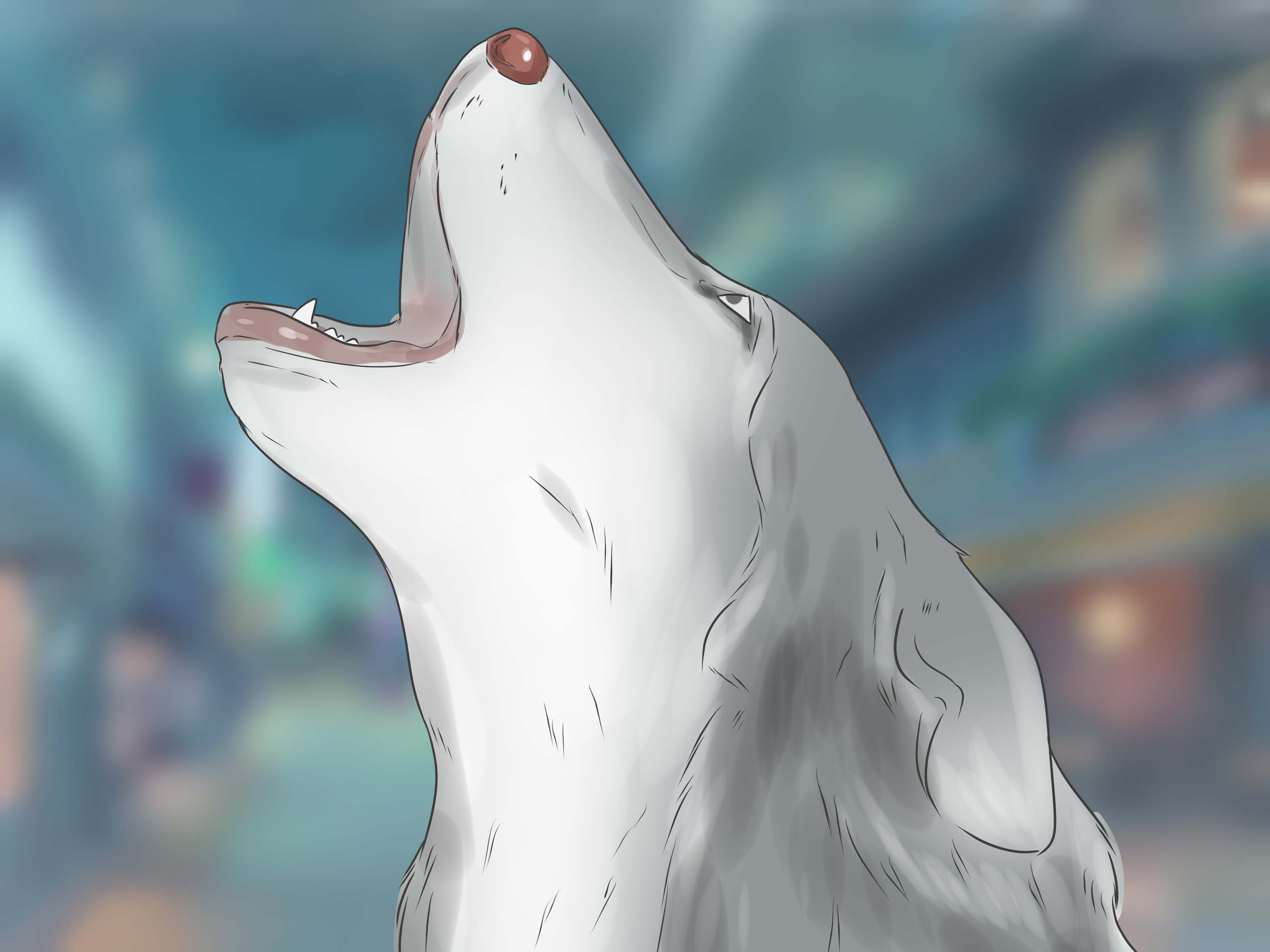
Bringing home a Siberian Husky puppy is a little like inviting a snowstorm into your living room: beautiful, dramatic, energetic, and somehow already chewing on your shoelace. These bright, athletic dogs are famous for their wolf-like looks, thick double coats, expressive voices, and Olympic-level enthusiasm for running in directions you did not approve.
The good news? With early training, structure, patience, and a sense of humor, your Husky puppy can grow into a loyal, confident, well-mannered companion. The not-so-secret secret is consistency. Huskies are smart enough to learn quickly, but they are also independent enough to ask, “What’s in it for me?” before following your request. That means successful Siberian Husky puppy training relies on positive reinforcement, short sessions, safe socialization, proper exercise, grooming, nutrition, and a home routine that makes sense.
This guide walks you through 15 practical steps to train and care for your new Siberian Husky puppy, from the first night at home to leash manners, crate training, feeding, grooming, and real-world survival tips for life with a fluffy escape artist.
1. Prepare Your Home Before Your Husky Puppy Arrives
Before your puppy crosses the threshold, set up the basics: a crate, puppy-safe toys, food and water bowls, a collar or harness, leash, grooming tools, enzyme cleaner, puppy food, and a quiet sleeping area. A Siberian Husky puppy is curious, fast, and impressively creative when bored. Puppy-proof your home by hiding electrical cords, securing trash cans, removing small objects, and blocking access to unsafe rooms.
Think of your home from a puppy’s point of view. Shoes are toys. Table legs are snacks. Laundry is a treasure cave. If you do not want it chewed, move it. If you cannot move it, supervise it. If you cannot supervise it, use a crate, playpen, or gated area.
2. Start With a Predictable Daily Routine
Husky puppies thrive when they know what comes next. Create a simple schedule for waking up, potty breaks, meals, naps, play, training, and bedtime. A routine helps with house training and reduces anxiety because your puppy learns that good things happen in a reliable order.
A sample day might include a potty break first thing in the morning, breakfast, a short training session, supervised play, nap time, another potty break, lunch, calm enrichment, more training, dinner, gentle evening play, and a final bathroom trip before bed. Keep the rhythm steady, especially during the first few weeks.
3. Use Positive Reinforcement From Day One
Siberian Huskies respond best to reward-based training. Praise, treats, toys, and play teach your puppy that listening to you is worth it. Harsh punishment can damage trust and may make a clever Husky even more determined to ignore you. In other words, do not start a battle of wills with a baby sled dog unless you enjoy losing with dignity.
Reward the behavior you want immediately. If your puppy sits, reward the sit. If your puppy walks beside you, reward the position. If your puppy chews a toy instead of your chair, celebrate like they just won a small Nobel Prize for Furniture Preservation.
4. Keep Training Sessions Short and Fun
Husky puppies have energy, intelligence, and the attention span of a popcorn kernel in a microwave. Keep training sessions to five or ten minutes, several times per day. Short sessions prevent frustration and help your puppy stay excited about learning.
Start with simple cues such as “sit,” “down,” “come,” “touch,” and “leave it.” Practice in quiet areas before moving to more distracting places. Always end on a win, even if that win is one perfect sit and a proud tail wag.
5. Begin House Training Immediately
Potty training a Siberian Husky puppy requires timing, supervision, and consistency. Take your puppy outside after waking, eating, drinking, playing, and napping. Very young puppies need frequent bathroom breaks because their bladders are still developing.
Choose one potty spot and use the same simple phrase each time, such as “go potty.” When your puppy finishes outside, reward right away. Do not wait until you are back inside, because your puppy may think they are being rewarded for walking through the door like a tiny celebrity.
If accidents happen, clean them with an enzyme cleaner and avoid scolding. Punishment can teach puppies to hide when they need to go. Instead, increase supervision and take your puppy out more often.
6. Crate Train With Patience, Not Pressure
A crate can become your puppy’s safe den when introduced properly. It can also help with house training, travel, and preventing destructive chewing when you cannot supervise. The key is to make the crate feel comfortable, not like puppy jail.
Place soft bedding inside if your puppy does not chew it, add safe toys, and feed meals near or inside the crate. Start with the door open, then gradually close it for short periods while your puppy is calm. Reward quiet behavior and build duration slowly. Never use the crate as punishment, and do not leave a young puppy crated longer than they can comfortably hold their bladder.
7. Socialize Safely During the Critical Puppy Window
Socialization does not mean tossing your puppy into a dog park and hoping for the best. It means gently and positively introducing your Husky puppy to different people, sounds, surfaces, environments, handling, and healthy vaccinated dogs.
Ask your veterinarian about safe socialization based on your puppy’s vaccine status and local disease risk. Many puppies can begin controlled puppy classes after initial vaccines, but public areas with unknown dogs should be approached cautiously. Carry your puppy through busy areas, invite calm visitors, play recordings of household sounds at low volume, and reward curiosity.
8. Teach Bite Inhibition Early
Husky puppies explore the world with their mouths. Unfortunately, their mouths contain tiny needles. Teach bite inhibition by redirecting teeth to toys, pausing play when biting gets too hard, and rewarding gentle interaction.
Keep chew toys nearby in every room. When your puppy grabs your sleeve, calmly trade it for a toy. If they become wild, overtired, or bitey, they may need a nap rather than a lecture. Puppies often turn into fuzzy piranhas when they are exhausted.
9. Build Leash Skills Before Your Husky Gets Strong
Siberian Huskies were bred to pull, so leash training matters early. Begin indoors or in your yard. Reward your puppy for walking near you, checking in, and keeping a loose leash. Use a comfortable harness and avoid letting pulling become the way your puppy reaches every exciting smell.
When the leash tightens, stop moving. When your puppy turns back or releases tension, praise and continue. This teaches that pulling makes the walk pause, while loose-leash walking makes the adventure continue.
10. Practice Recall, But Respect the Husky Prey Drive
Teaching “come” is essential, but Siberian Huskies are known for their independence and strong chase instincts. Practice recall daily in safe, enclosed spaces with high-value rewards. Make coming to you the best thing in the world.
Never punish your puppy after they come to you, even if it took longer than expected. If you scold them, they may decide that returning is a terrible business deal. For safety, keep your Husky on leash or in securely fenced areas. A squirrel, cat, bicycle, or blowing leaf can become a full mission.
11. Provide Exercise Without Overdoing It
Huskies are active dogs, but puppies are still growing. They need exercise, but not forced long-distance running or intense repetitive jumping. Use short walks, gentle play, training games, sniffing, and age-appropriate exploration.
Mental exercise is just as important as physical activity. Food puzzles, scent games, frozen treat toys, and short obedience sessions can tire a Husky puppy in healthy ways. A bored Husky may redecorate your home using only teeth and confidence.
12. Feed a High-Quality Puppy Diet on a Schedule
Feed your Siberian Husky puppy a complete, high-quality puppy food appropriate for their age and expected adult size. Most young puppies do best with three to four meals per day, gradually moving toward fewer meals as they mature. Always follow your veterinarian’s advice and the feeding guide on the food label, adjusting for body condition and activity level.
Avoid free-feeding if your puppy overeats or becomes picky. Scheduled meals help with potty training and make it easier to track appetite. Treats are useful for training, but they should be counted as part of your puppy’s daily calories.
13. Groom the Double Coat the Right Way
Siberian Huskies have a thick double coat that protects them from harsh weather. Brush your puppy regularly so grooming becomes normal before the adult coat fully develops. A slicker brush, pin brush, metal comb, and undercoat rake may all be useful as your dog grows.
Huskies shed year-round and usually “blow” their undercoat seasonally. During heavy shedding periods, brushing may need to become a daily ritual. Avoid shaving a Husky’s coat unless a veterinarian recommends it for a medical reason. Their coat helps regulate temperature and protects the skin.
14. Schedule Veterinary Care and Preventive Health
Your puppy needs regular veterinary visits for vaccines, deworming, parasite prevention, growth checks, and general health guidance. Your veterinarian can help you plan core vaccines, discuss lifestyle vaccines, recommend flea, tick, and heartworm prevention, and answer questions about spaying or neutering.
Ask about common breed health concerns, including eye issues and hip health. Responsible breeders often screen breeding dogs, but every puppy still needs ongoing preventive care. Also begin nail trims, ear checks, tooth brushing, and gentle handling early so your Husky does not grow into a dramatic opera singer every time the nail clippers appear.
15. Train Calmness, Not Just Commands
Many new owners focus on commands but forget to teach calm behavior. A Husky puppy should learn how to settle, relax, wait, and entertain themselves safely. Reward quiet moments. Give your puppy a chew during family downtime. Practice short “place” sessions on a mat or bed.
Calmness is a skill. If your puppy only receives attention when they bark, jump, or steal socks, they may become a professional sock criminal. Notice the good behavior before the chaos begins.
Common Siberian Husky Puppy Mistakes to Avoid
Giving Too Much Freedom Too Soon
A new puppy should not have full access to the house. Use gates, crates, and supervision until house manners are reliable.
Skipping Socialization
Waiting until a puppy is older can make new experiences more stressful. Focus on safe, positive exposure early, with veterinary guidance.
Underestimating Exercise and Enrichment
A tired Husky is not always a good Husky, but an under-stimulated Husky is usually a creative Husky. Use both physical activity and brain games.
Letting Pulling Become a Habit
Leash manners are easier to teach when your puppy is small. Start early and reward loose-leash walking consistently.
Real-Life Experience: What Living With a Husky Puppy Really Teaches You
The first thing many Husky owners learn is that this breed does not merely “have energy.” A Siberian Husky puppy comes with a built-in adventure engine. One minute your puppy is sleeping like an angel. The next minute they are sprinting in circles, carrying a sock, singing the song of their ancestors, and looking offended that you will not let them eat a cardboard box.
In real life, the most successful Husky puppy owners are not necessarily the strictest. They are the most consistent. They learn that prevention is easier than correction. Instead of chasing the puppy after a stolen slipper, they keep slippers out of reach and offer chew toys before trouble starts. Instead of yelling when the puppy jumps, they reward four paws on the floor. Instead of expecting perfection, they build habits one small repetition at a time.
One practical experience is the “nap reset.” Many new owners assume biting, barking, and wild zoomies mean the puppy needs more exercise. Sometimes that is true. Often, however, the puppy is overtired. A short crate nap or quiet time in a playpen can transform a tiny tornado back into a normal puppy. Huskies are active, but puppies still need plenty of sleep.
Another useful lesson is that training must happen everywhere, not only in the living room. A Husky may sit beautifully beside the couch and then act as if the word “sit” has never been invented once a leaf blows across the sidewalk. Practice cues in different rooms, the yard, the driveway, quiet streets, and pet-friendly spaces. Increase distractions gradually.
Owners also quickly discover the value of high-value rewards. Regular kibble may work indoors, but outside, your puppy may be competing with birds, grass, neighbors, and the mysterious scent of yesterday’s squirrel. Soft training treats, bits of plain cooked chicken, or favorite toys can help keep your puppy engaged.
Finally, living with a Husky puppy teaches patience. Progress is not always a straight line. Your puppy may have a perfect week, then suddenly forget leash manners during adolescence. That does not mean training failed. It means your dog is growing, testing, learning, and needing your guidance again. Keep sessions upbeat, protect your bond, and remember: behind the mischief is a bright, affectionate dog who wants a life full of movement, connection, and purpose.
Conclusion
Training and caring for a new Siberian Husky puppy is a joyful challenge. This breed is intelligent, athletic, social, and sometimes hilariously stubborn. With a steady routine, positive reinforcement, safe socialization, proper grooming, healthy feeding, veterinary care, and daily enrichment, your puppy can grow into a confident and well-behaved companion.
The best approach is simple: teach early, reward often, supervise closely, and laugh when necessary. A Husky puppy may test your patience, your furniture, and your ability to keep socks in pairs, but with the right care, they will also fill your home with personality, loyalty, and unforgettable stories.