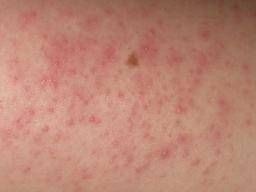
America’s health care system has been asked to do the impossible for years: absorb COVID surges, manage delayed care, treat sicker patients, calm public fear, fight misinformation, and somehow keep the waiting room magazines from turning into historical artifacts. Now, monkeypoxmore commonly called mpox in public health settingshas become another reminder that infectious diseases do not wait politely in line. They arrive when hospitals are already tired, budgets are already thin, and nurses have already heard the phrase “unprecedented times” enough to deserve hazard pay just for listening.
The title may sound dramatic, but the concern is real. Monkeypox alone is not likely to break the U.S. health care system. COVID alone did not technically break it either, although it certainly shook the walls and rattled the pipes. The danger is cumulative pressure: one more outbreak, one more staffing shortage, one more expensive drug supply chain, one more wave of Long COVID patients, one more public health department asked to run a marathon in flip-flops.
In other words, the fate of the health care system may not be sealed by a single virus. It may be sealed by the slow stacking of emergencies on top of a system that was already running hot before the first pandemic press conference appeared on television.
Monkeypox, COVID, and the New Normal of Overlapping Outbreaks
Monkeypox is a viral disease that spreads mainly through close physical contact, including intimate contact, and can also spread through contaminated materials or certain animal exposures in some settings. The 2022 global outbreak changed how many Americans understood the disease. Previously, monkeypox was often discussed as something occurring far away. Then cases appeared across countries where the disease had not historically been reported, forcing public health agencies to move quickly with testing, vaccination guidance, risk communication, and community outreach.
The good news is that the United States has tools. Vaccines such as JYNNEOS can help protect people at higher risk, and public health teams now understand much more about how to target education and prevention without shaming communities. The less cheerful newsplease hold your applauseis that vaccine uptake, access, trust, and timely diagnosis remain uneven. Many U.S. cases have continued to occur among people who were unvaccinated or had received only one dose, even though two doses are recommended for maximum protection.
At the same time, COVID has not vanished. It has changed shape. Instead of the early emergency phase, the country now faces a longer, blurrier phase: seasonal waves, reinfections, vulnerable patients, hospitalizations, deaths, and Long COVID. This is the phase where the public gets bored, the virus does not, and health care workers are left holding the mop.
Why the Health Care System Feels So Fragile
The U.S. health care system is not fragile because doctors forgot how to doctor or nurses forgot how to nurse. It is fragile because too many essential parts depend on too few people doing too much work with too little flexibility. Hospitals are open 24/7, but money, staff, and patience are not infinite resources. When infectious diseases surge, they do not only add patients. They add isolation protocols, protective equipment needs, testing requirements, contact tracing, longer visits, extra documentation, and emotional strain.
During the height of COVID, hospitals learned painful lessons about capacity. A bed is not truly available unless there is a trained person to staff it. A ventilator is not a magic wand. A hallway is not an ICU just because someone rolls a monitor into it. The same logic applies to future infectious disease threats. Monkeypox may not fill intensive care units the way COVID did, but it can still stretch clinics, sexual health programs, emergency departments, laboratories, and public health teams.
The health care system’s weak points are not mysterious. They include workforce shortages, burnout, rural hospital vulnerability, administrative overload, delayed care, rising costs, and distrust in public health. The strange part is that we keep acting surprised when those weak points become weak. It is like storing fireworks next to a barbecue grill and saying, “Who could have predicted sparks?”
The Workforce Problem: The People Holding the System Together Are Tired
Any honest analysis of the health care system must start with the workforce. Physicians, nurses, medical assistants, pharmacists, respiratory therapists, laboratory workers, and public health staff have carried years of crisis response. Many stayed because they are deeply committed to patients. Many also stayed because health care professionals are famously bad at admitting they need rest until their bodies file a formal complaint.
Burnout remains one of the system’s biggest threats. Even though physician burnout has improved from its pandemic peak, a large share of doctors still report at least one symptom of burnout. Studies of health care workers show the same pattern: some recovery, but not a return to the calm and balanced golden age that, to be fair, may never have existed. Primary care, mental health, dental care, rehabilitation, emergency medicine, and nursing have all felt the pressure in different ways.
This matters because outbreaks depend on people. Public health plans look beautiful in binders. Hospital surge plans sound excellent in conference rooms. But when the next wave arrives, someone has to swab the patient, explain the diagnosis, document the visit, call the lab, answer the family’s questions, clean the room, and come back tomorrow to do it again.
Long COVID Is a Health Care System Multiplier
Long COVID may be one of the most important reasons the prolonged pandemic could shape the future of health care. It is not simply “still feeling tired after being sick.” Long COVID is a chronic condition that can occur after SARS-CoV-2 infection and last at least three months. It may involve fatigue, brain fog, shortness of breath, dizziness, heart symptoms, sleep problems, pain, digestive issues, and symptoms that improve, worsen, disappear, or reappear like a very rude magician.
For patients, Long COVID can mean months or years of uncertainty. For clinicians, it can mean complex visits, referrals across specialties, disability paperwork, repeated testing, and difficult conversations when there is no single diagnostic test or universal treatment. For hospitals and clinics, it means more demand in a system already facing shortages.
Long COVID also reveals a broader challenge: health care is built to handle clear episodes better than messy chronic conditions. A broken wrist has a workflow. Appendicitis has a workflow. A patient with post-viral symptoms affecting multiple organs may need primary care, cardiology, neurology, pulmonology, rehabilitation, behavioral health, and social support. That is not a workflow. That is a group project, and everyone remembers how those went in school.
Monkeypox Exposes the Public Health Infrastructure Gap
Monkeypox is especially revealing because it requires more than hospital treatment. It requires community trust, targeted vaccination, accurate diagnosis, careful communication, and quick local response. Public health agencies must identify cases, monitor trends, communicate risk without panic, and reach the people most likely to benefit from vaccination or testing.
That work is harder when public health departments are understaffed, underfunded, or politically attacked. COVID placed public health in the spotlight, and not always in a flattering one. Many health officials became targets for anger over masks, vaccines, school closures, and restrictions. The result was a loss of experienced personnel at exactly the moment the country needed stronger infectious disease capacity.
Monkeypox also teaches a communication lesson. Disease names, risk groups, and prevention messages must be handled carefully. If messaging stigmatizes people, those most at risk may avoid testing or vaccination. If messaging becomes too vague, people may not understand their actual risk. Public health has to land the plane on a runway made of nuance, while the internet throws banana peels.
Hospital Finances Are Not Built for Endless Emergency Mode
Hospitals are expensive to run in normal times. In abnormal times, they become financial pressure cookers. Labor is often the largest expense. Drugs, supplies, equipment, insurance fights, cybersecurity needs, construction, compliance, and technology all add more weight. Many hospitals, especially rural and safety-net facilities, do not have a large cushion.
COVID increased costs in obvious ways: personal protective equipment, testing, staffing, overtime, travel nurses, delayed elective procedures, and sicker patients. But the financial aftershocks continue. Patients who delayed care may now arrive with more advanced conditions. Workers demand better pay and safer conditions, reasonably so. Supply chains remain unpredictable. Insurers continue to require prior authorization, documentation, and appeals that drain time from clinical care.
When monkeypox, COVID, flu, RSV, measles, or another infectious disease threat appears, hospitals cannot simply say, “Sorry, we are closed for budgeting.” They absorb the cost. Eventually, that cost shows up as longer waits, fewer services, closed units, staff reductions, or hospital closures. In rural communities, the loss of one hospital can turn a medical emergency into a long drive and a prayer.
The Delayed Care Debt Is Coming Due
During the pandemic, many patients postponed screenings, checkups, surgeries, dental care, mental health care, and chronic disease management. Some delayed care because clinics were closed or overwhelmed. Others were afraid of exposure. Some lost insurance, income, transportation, or child care. The result is a delayed care debt that the system is still paying.
Delayed care does not disappear. High blood pressure still raises risk. Diabetes still needs monitoring. Cancer screening still matters. Depression does not kindly wait until staffing improves. When patients return later and sicker, care becomes more complicated and more expensive. This is one reason hospitals report treating patients with greater medical complexity.
Infectious disease outbreaks worsen this cycle. Every surge forces health systems to shift attention. Every shift delays something else. A small outbreak in the wrong place at the wrong time can disrupt clinics, specialty services, and public health programs. The health care system then has to catch up, usually with the same tired workforce and a calendar that looks like it was attacked by raccoons.
Health Equity Is the Stress Test Within the Stress Test
Monkeypox and COVID both show that disease does not affect all communities equally. Risk is shaped by housing, occupation, insurance status, access to care, transportation, disability, language, trust, and the ability to take time off work. A person who can work from home, order groceries, and book a same-day telehealth appointment lives in a different pandemic reality than someone working an hourly job without paid sick leave.
Health equity is not a decorative slogan for grant applications. It is operational. If vaccination sites are inconvenient, people go unvaccinated. If testing requires time off work, people skip testing. If public health messages are not culturally competent, people tune out. If clinics close in rural areas, patients do not magically teleport to specialists.
The fate of the health care system depends partly on whether leaders treat equity as infrastructure. Roads, broadband, community clinics, language access, mobile vaccination, school-based care, and trusted local messengers can determine whether an outbreak is contained early or becomes a much more expensive problem later.
What Would Actually Help?
The solution is not to panic every time a virus makes headlines. Panic is not a plan; it is just cardio with worse decision-making. The solution is to build a health care system that can handle overlapping threats without sacrificing routine care, staff well-being, or public trust.
1. Rebuild the Health Care Workforce Pipeline
The United States needs more physicians, nurses, public health workers, mental health professionals, laboratory staff, and allied health workers. That means expanding training slots, supporting community colleges and medical schools, improving clinical placements, reducing unnecessary administrative burden, and making health care careers sustainable rather than heroic. Heroism is great in movies. In staffing models, it is usually a warning sign.
2. Treat Burnout as a System Problem
Wellness apps and pizza parties are not enough. Health care workers need safer staffing ratios, flexible scheduling where possible, better team support, reduced documentation burden, protection from workplace violence, and leadership that listens before people resign. Burnout is not only about feelings. It affects safety, access, turnover, and quality of care.
3. Invest in Public Health Before the Fire Starts
Public health is most successful when nothing dramatic happens, which makes it easy to underfund. That is a mistake. Surveillance, laboratories, vaccination programs, community outreach, school health partnerships, wastewater monitoring, and local health departments are the smoke alarms of the health care system. Nobody brags about a smoke alarm until the kitchen catches fire.
4. Make Long COVID Care Easier to Navigate
Patients with Long COVID need coordinated care, not a scavenger hunt. Health systems can build multidisciplinary clinics, educate primary care teams, create referral pathways, support rehabilitation, and improve disability documentation. Researchers must continue studying causes, treatments, risk reduction, and recovery patterns. The goal is not to turn every symptom into a mystery novel with 14 sequels.
5. Improve Communication Without Condescension
People are more likely to listen when public health messages are clear, honest, and respectful. Communication about monkeypox, COVID, vaccination, testing, and prevention must avoid both alarmism and denial. Trust grows when officials admit uncertainty, update guidance when evidence changes, and speak to communities rather than at them.
Could Monkeypox and COVID Really Seal the System’s Fate?
They couldbut not because monkeypox is destined to become another COVID or because COVID will always look like 2020. The real danger is that repeated infectious disease threats may push an already strained system past the point where small repairs are enough. A system can survive one storm. It can even survive several. But if nobody fixes the roof between storms, eventually the living room becomes an indoor pond.
The health care system’s fate is not sealed by biology alone. It is sealedor savedby policy choices, funding choices, staffing choices, insurance rules, public trust, and whether leaders can think beyond the next quarterly report. Monkeypox and prolonged COVID are not just diseases. They are warning lights on the dashboard. The engine is still running, but it is making a noise no responsible driver should ignore.
Experience Notes: What This Crisis Feels Like on the Ground
To understand why monkeypox and the prolonged COVID pandemic feel so consequential, picture the health care system from the patient side first. A person develops a suspicious rash and worries it might be monkeypox. They search online, find a jungle of information, and try to decide whether they need urgent care, a sexual health clinic, a primary care visit, or a public health hotline. The official guidance may be clear, but the real-world path can still feel like trying to assemble furniture with three missing screws and instructions printed in fog.
Now imagine a patient with Long COVID. They used to work full-time, exercise, manage family responsibilities, and remember why they walked into a room. After infection, they deal with fatigue, brain fog, dizziness, chest discomfort, or shortness of breath. They may see one clinician for heart symptoms, another for breathing issues, another for sleep, and another for anxiety that developed after months of uncertainty. No single doctor is necessarily doing anything wrong. The system simply was not designed for a condition that crosses so many boundaries at once.
From the clinician side, the experience is equally complicated. A primary care doctor may spend a morning managing diabetes, depression, post-COVID symptoms, vaccine questions, medication shortages, insurance denials, and portal messages written at 2:13 a.m. with the emotional intensity of a courtroom drama. Add monkeypox concerns, COVID reinfections, and seasonal respiratory viruses, and the schedule becomes less of a calendar and more of a weather event.
Nurses often feel the pressure first and longest. They are the ones explaining delays, noticing subtle deterioration, comforting families, handling isolation procedures, and absorbing frustration from patients who are scared, tired, or angry. A nurse can be compassionate, clinically sharp, and deeply committedand still be exhausted. Dedication does not cancel sleep deprivation. It only makes it easier for institutions to ask for “just one more shift,” which is how a temporary emergency quietly becomes a lifestyle.
Public health workers have their own version of the grind. During monkeypox response, they may need to contact patients, explain exposure risk, coordinate vaccination, collect data, and answer questions from communities that have good reasons to distrust institutions. During COVID, they were asked to become data analysts, crisis communicators, rumor firefighters, and emotional punching bags. Many did this work with limited staff and outdated technology. If public health had a theme song, it might be a printer jamming during a press briefing.
The most important experience, though, may be the shared feeling that the system is always catching up. Patients catch up on delayed care. Hospitals catch up on staffing. Clinicians catch up on documentation. Public health departments catch up on surveillance. Families catch up on grief, bills, and missed milestones. Monkeypox and prolonged COVID matter because they add more catching up to a country already out of breath.
Still, there is hope. Health care workers are not fragile; they are overused. Public health is not obsolete; it is under-resourced. Patients are not difficult; many are navigating a maze while sick. The lesson from monkeypox and COVID is not that the system is doomed. The lesson is that resilience must be built deliberately. If America wants a health care system that can survive the next outbreak, it must stop treating exhaustion as evidence that everything is fine.
Conclusion
Monkeypox and the prolonged COVID pandemic could seal the fate of the health care system if leaders continue to mistake survival for strength. The system has endured, but endurance is not the same as health. Hospitals are financially squeezed, clinicians remain burned out, public health departments need reinvestment, and patients with Long COVID require coordinated care that many communities still cannot easily provide.
The better path is clear: strengthen the workforce, fund public health, simplify care navigation, protect vulnerable communities, reduce administrative waste, and communicate honestly. Infectious diseases will keep testing the system. The question is whether the United States will keep handing that system a heavier backpackor finally help it stand up straight.