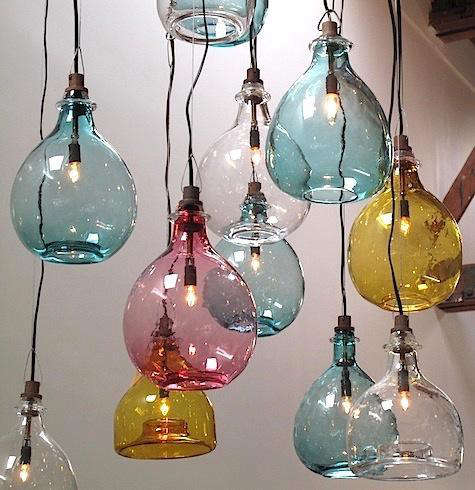
Some light fixtures quietly perform their duties and disappear into the ceiling. Cisco Brothers handblown glass pendants take a different approach. They float above a room like oversized pieces of jewelry, catching daylight, tinting evening illumination, and making even an ordinary lightbulb look as though it has been invited to an art opening.
Known today as Cisco Home, the American design company has built its reputation around handcrafted furnishings, artisan production, thoughtful materials, and objects that feel personal rather than mass-produced. Its blown glass lighting fits naturally into that philosophy. Each pendant combines a simple hanging form with glass shaped by hand, creating the slight variations, bubbles, ripples, and uneven contours that give artisan lighting its character.
For homeowners who want lighting to provide more than raw brightness, these pendants offer color, texture, atmosphere, and a refreshingly human alternative to factory-perfect fixtures.
Why Cisco Brothers Handblown Glass Pendants Still Stand Out
Decorative lighting has changed dramatically over the years, but the appeal of handblown glass has remained surprisingly steady. The reason is simple: glass can feel substantial without appearing heavy. A large clear or softly tinted shade occupies visual space while allowing walls, cabinetry, artwork, and architectural details to remain visible through it.
Cisco Brothers pendants became especially memorable for their rounded, vessel-like shapes and jewel-inspired colors. Earlier examples appeared in tones such as clear, aqua, emerald, amber, and rose. The broader Cisco Home lighting collection has also featured shades described as smoke, turquoise, blush, ice, and sky. Availability may change, but the underlying idea remains consistent: uncomplicated glass forms made expressive through color and craftsmanship.
These are not pendants that depend on complicated metalwork, crystals, decorative chains, or enough ornament to frighten a feather duster. Their personality comes from the glass itself.
Imperfection Is Part of the Design
Handblown glass is shaped while molten, using air, tools, gravity, and the judgment of the glassblower. When a shade is formed without a rigid production mold, minor differences are expected. One piece may be slightly rounder. Another may contain a small air bubble, a delicate wave, or a subtly irregular rim.
In mass production, those details might be treated as defects. In handcrafted lighting, they are evidence that the object passed through human hands. No two pendants will interact with light in exactly the same way, which makes a row of matching fixtures more interesting rather than less coordinated.
Color Changes Throughout the Day
Colored glass does not behave like painted metal or dyed fabric. In daylight, a turquoise shade may look fresh and translucent. At sunset, it can deepen into a richer blue-green. Once illuminated, the same fixture may cast a gentle halo and reveal internal variations that were nearly invisible when the bulb was off.
This changing quality is one of the main pleasures of jewel-toned glass pendant lighting. The fixture is not a static block of color. It responds to windows, wall finishes, bulb temperature, and even the weather outside.
The Craftsmanship Behind Artisan Glass Lighting
Cisco Home describes its lighting as the product of generations of makers and family trades. The brand’s lighting pieces have traditionally emphasized artisan construction and individual character, with glassblowers shaping pieces by hand rather than relying exclusively on automated manufacturing.
The process begins with glass heated until it becomes workable. The artisan gathers the molten material, introduces air through a blowpipe, and gradually develops the form. Turning, reheating, stretching, and shaping must be coordinated carefully because the glass is constantly cooling. It is part sculpture, part engineering, and part race against a material that has absolutely no interest in waiting for anyone.
After the desired form is achieved, the glass must cool gradually in a controlled environment. Cooling too quickly can create internal stress. The finished shade is then paired with its socket, cord, canopy, and supporting hardware.
This labor-intensive process helps explain why handcrafted glass lighting generally costs more than ordinary pressed-glass fixtures. Buyers are not simply paying for a shade that holds a bulb costs more than ordinary pressed. They are paying for skilled work, small-batch individuality, and a fixture designed to remain visually relevant after the current social-media trend has packed its tiny suitcase and left town.
How the Pendants Fit Different Interior Styles
One reason Cisco Brothers handblown glass pendants are so versatile is their visual simplicity. The rounded silhouettes can adapt to several decorating styles depending on the chosen color, bulb, hardware, and surrounding materials.
Modern and Minimalist Rooms
Clear, smoke, or pale blue glass works beautifully in modern spaces because it maintains an open sightline. A single oversized pendant can become a focal point without making the room feel crowded. Pair it with white walls, matte black hardware, natural oak, limestone, or polished concrete for an interior that feels restrained but not sterile.
Bohemian and Eclectic Homes
Aqua, rose, amber, or emerald glass can sit comfortably among vintage textiles, patterned rugs, handmade pottery, woven furniture, and collected artwork. Because the shade is sculptural but not overly ornate, it adds another layer without competing aggressively with the rest of the room.
Farmhouse and Rustic Interiors
Handblown glass brings refinement to exposed beams, reclaimed wood, plaster walls, and aged metal finishes. Amber or lightly smoky glass is particularly effective in rustic rooms because it creates warmth without drifting into predictable mason-jar territory.
Transitional Spaces
Transitional interiors blend traditional comfort with cleaner contemporary lines. A rounded glass pendant bridges those categories naturally. Its basic shape feels familiar, while its scale and artisan finish keep it from looking conventional.
Where to Use Cisco Home Glass Pendants
Above a Kitchen Island
The kitchen island is the obvious home for pendant lighting, but it is also where sizing mistakes become painfully visible. Tiny pendants can look lost over a broad island, while oversized fixtures may block conversations and turn breakfast into an awkward game of peekaboo.
As a practical starting point, pendants are commonly installed approximately 30 to 36 inches above the countertop. Two larger shades may suit a medium or long island, while three smaller pendants can create a more rhythmic arrangement. Spacing of roughly 24 to 30 inches between fixtures often works well, but the correct layout depends on shade diameter, island length, ceiling height, and sightlines.
Clear glass preserves openness and distributes light broadly. Tinted glass creates a stronger decorative statement, although darker colors may reduce perceived brightness and should be supported by recessed or under-cabinet task lighting.
Over a Dining Table
A single substantial pendant can anchor a round dining table, while a pair or clustered arrangement can emphasize a longer rectangular table. Hanging the fixture approximately 30 to 36 inches above the tabletop usually creates a comfortable relationship between light, furniture, and seated guests.
A dimmer is especially valuable in dining areas. Full brightness helps with homework, serving, or assembling a centerpiece that looked much easier in the online tutorial. Lower illumination creates a softer atmosphere for meals and conversation.
Beside the Bed
Two compact glass pendants can replace bedside lamps, freeing space on nightstands and creating a boutique-hotel effect. Clear, smoke, ice, or blush tones work particularly well in bedrooms because they add detail without making the sleeping area feel visually busy.
Place particularly well in bedrooms because they add detail the switches within easy reach and choose bulbs with gentle output. A bedside pendant should help someone read a few pages, not interrogate the entire room.
In an Entryway or Stairwell
High ceilings allow handblown pendants to be appreciated from several angles. In an entryway, one large fixture can establish the home’s personality immediately. In a stairwell, several pendants hung at different heights create movement and draw attention through the vertical space.
Fixtures installed over walking areas should generally provide at least seven feet of clearance beneath the lowest point. Taller residents, enthusiastic guests, and anyone wearing an ambitious hat will appreciate the consideration.
In a Reading Corner or Small Nook
A single pendant can define an otherwise overlooked corner. Hang one beside a lounge chair, above a writing desk, or over a small breakfast table. This works particularly well in open-plan homes where lighting can establish a zone without adding walls or bulky furniture.
Choosing the Right Glass Color
Color selection should account for both the room’s palette and the light produced when the pendant is switched on.
- Clear glass: The most flexible choice. It keeps the room visually open and places more emphasis on the bulb.
- Smoke glass: Sophisticated and slightly dramatic, especially with black, bronze, walnut, or charcoal finishes.
- Aqua or turquoise: Fresh and expressive, with natural compatibility for coastal colors, warm woods, brass, and white plaster.
- Amber: Warm and atmospheric, ideal for dining rooms, rustic kitchens, libraries, and spaces with earthy materials.
- Rose or blush: Soft but distinctive, working well with cream, burgundy, terracotta, aged brass, and dark wood.
- Emerald: Rich and dramatic, particularly effective when used as the room’s primary accent color.
When grouping several handblown pendants, matching colors create order, while mixed colors feel more playful and collected. A multicolor cluster works best when the rest of the room repeats at least one or two of those tones.
Selecting Bulbs for Handblown Glass Pendants
The bulb is highly visible inside most glass pendants, so it becomes part of the fixture’s design. An unattractive bulb can make an expensive shade look unfinished. Fortunately, modern LED options provide decorative shapes without the energy appetite of traditional incandescent bulbs.
Color Temperature
Warm white bulbs in the 2700K to 3000K range generally flatter handblown glass and create a comfortable residential atmosphere. Cooler light can be useful for detailed kitchen work, but it may make amber, rose, and smoke glass appear less inviting.
Color Rendering
Choose an LED bulb with a color rendering index of at least 80. A CRI of 90 or higher is preferable when the pendant illuminates food, artwork, wood, textiles, or other materials whose colors should appear accurate.
Brightness and Glare
Lumens, rather than watts, describe a bulb’s brightness. Because clear glass exposes the light source, an extremely bright transparent bulb can create uncomfortable glare. Frosted decorative bulbs, lower-lumen lamps, and dimmers can soften the effect while preserving useful illumination.
Always confirm the fixture’s socket type, maximum wattage, recommended bulb shape, dimmer compatibility, and electrical rating before purchasing a lamp.
Installation, Scale, and Safety
Before ordering a pendant, record the ceiling height, shade dimensions, canopy size, cord or stem length, and the distance to the surface below. A fixture that appears modest in a product photograph may become surprisingly large once it is suspended at eye level.
For open areas, keep the bottom of the pendant high enough to allow comfortable passage. Above counters and tables, lower positioning is possible because people do not walk directly beneath the fixture. In rooms with sloped ceilings, confirm that the canopy and suspension system are compatible with the angle.
Handblown glass can also be heavier than it appears. The ceiling electrical box and mounting hardware must be rated to support the fixture. Hardwired lighting should be installed by a qualified electrician, especially when a new junction box, dimmer, ceiling support, or electrical connection is required.
Do not guess about electrical work simply because the instructions contain a friendly diagram. Electricity is famously unimpressed by confidence.
Cleaning and Maintaining Handblown Glass
Dust can dull transparent glass and reduce its sparkle, particularly in kitchens where airborne grease joins the operation. Turn off the light, allow the bulb and shade to cool completely, and follow the manufacturer’s care instructions.
For routine maintenance, use a clean, soft, dry microfiber cloth. If deeper cleaning is permitted, remove the glass carefully and wash it by hand with mild soap and lukewarm water. Avoid abrasive pads, harsh chemicals, and sudden temperature changes. Dry the shade thoroughly with a lint-free cloth before reinstalling it.
Support the glass with both hands while removing or replacing it. This is not the moment to balance a phone, drink coffee, or demonstrate impressive multitasking skills.
Are Cisco Brothers Handblown Glass Pendants Worth It?
These fixtures make the most sense for buyers who value artisan character, material variation, and lighting that doubles as decorative art. They are less suitable for someone who expects every shade in a group to have mathematically identical contours.
The value is not based only on brightness. Many inexpensive fixtures can illuminate a counter successfully. The appeal lies in the tactile surface, shifting color, handmade individuality, and ability to give a room a focal point without relying on elaborate ornament.
A well-chosen pendant can remain in place through several paint colors, furniture arrangements, and decorating phases. Clear and smoke glass offer the greatest long-term flexibility, while saturated colors reward homeowners who are comfortable making a stronger commitment.
Living With Handblown Glass Pendants: A Real-World Design Experience
The first thing people often notice after installing handblown glass pendants is not the brightness. It is the reflection. During the day, the shades borrow light from windows and scatter small highlights onto nearby surfaces. At night, the illuminated glass becomes a visual destination, making the room feel finished even when the rest of the decor is relatively simple.
Imagine a long kitchen island with three pale aqua pendants. In the morning, the glass looks almost watery against white cabinetry. Around noon, direct sunlight reveals tiny bubbles and subtle differences in thickness. By evening, warm LED bulbs shift the aqua toward a deeper blue-green, while brass hardware picks up golden reflections. The fixtures have not moved, yet they have changed personality three times before dinner.
That daily variation is difficult to reproduce with painted metal lighting. It also changes how people use the room. A pendant cluster naturally attracts attention toward the island, encouraging guests to gather there while food is being prepared. Lowering the dimmer after cooking turns the same area from a work surface into a relaxed social zone.
The experience is equally effective in a bedroom. Replacing table lamps with small smoked-glass pendants can make narrow nightstands feel more spacious. The hanging shades frame the bed, while warm bulbs create gentle pools of light. Because the fixtures are suspended, however, their height must be tested carefully. Too high and they lose intimacy; too low and someone will eventually greet one with a forehead.
Mixed-color installations offer another experience entirely. A stairwell cluster containing clear, amber, and rose glass can resemble a floating collection assembled over time. The slight irregularities between shades prevent the arrangement from feeling rigid. Staggered cords add movement, especially when the pendants can be viewed from both the lower and upper floors.
There are practical lessons, too. Transparent shades reveal dust faster than opaque fixtures, and kitchen pendants require more frequent cleaning than those in bedrooms or entries. Clear glass also exposes every detail of the bulb, so decorative LEDs are usually worth the modest additional cost. Installing a compatible dimmer is one of the most useful upgrades because it allows the pendants to serve as task, ambient, and accent lighting.
The biggest lesson is that handcrafted pendants should not be selected from color swatches alone. Glass interacts with the entire room. Warm woods intensify amber tones. White walls amplify aqua and blush. Dark cabinetry creates dramatic reflections in clear and smoke glass. Whenever possible, review samples, showroom displays, or accurate photographs under both daylight and artificial light.
Once installed correctly, Cisco Brothers handblown glass pendants do not feel like temporary decoration. They become part of the room’s identity. Visitors may not know who made them or how the glass was formed, but they notice that the space has warmth, character, and something pleasantly different hovering above the furniture.
Conclusion
Cisco Brothers handblown glass pendants demonstrate how a straightforward object can become memorable through material, color, and human craftsmanship. Their rounded forms are versatile enough for kitchens, dining rooms, bedrooms, stairwells, and entryways, while the glass provides a visual richness that changes with daylight and bulb temperature.
The best results come from combining beauty with planning. Measure the room carefully, consider sightlines, choose an appropriate hanging height, use high-quality warm LED bulbs, and install dimmers whenever possible. Most importantly, embrace the subtle differences that make each handcrafted shade unique.
In a market crowded with fixtures designed to look flawless and identical, a handblown pendant offers something better: evidence that a real person made it. It illuminates the room, starts conversations, and manages to look elegant while hanging from a cordwhich is more than most of us accomplish on an average day.