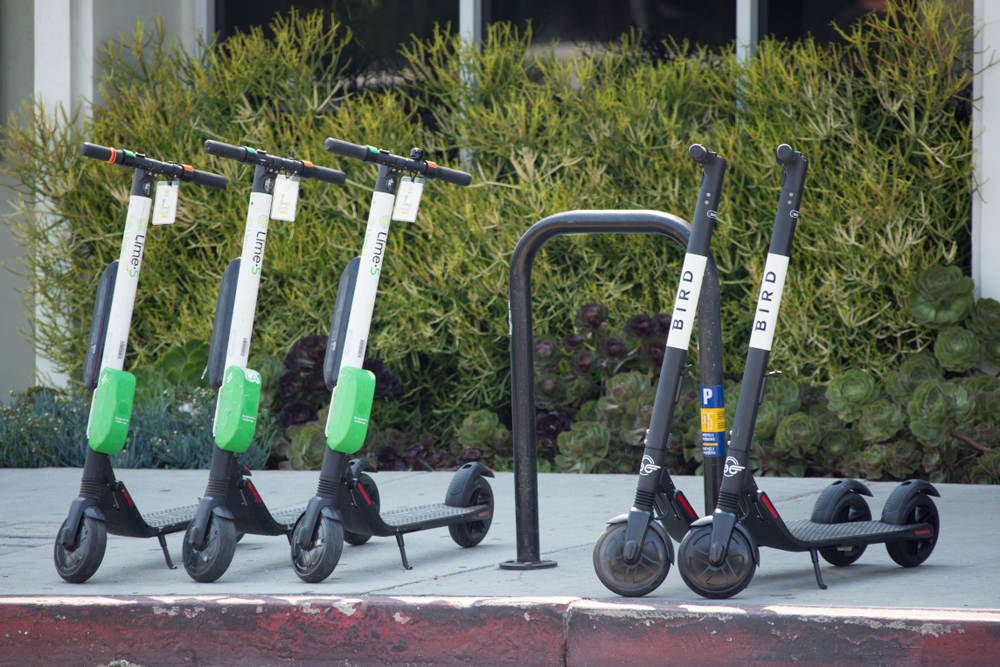
E-scooters arrived in American cities like caffeinated flamingos: colorful, fast, slightly awkward, and suddenly everywhere. One minute you were walking to coffee; the next, someone in office shoes was gliding past you at 15 miles per hour holding a latte and the confidence of a person who has not yet met a pothole.
From a transportation standpoint, electric scooters are clever. They are convenient, relatively affordable for short trips, easy to unlock with an app, and much less dramatic than circling downtown for parking while slowly losing faith in humanity. But from an orthopedic perspective, the e-scooter craze has a very different soundtrack: the thud of a fall, the snap of a wrist, the groan of an ankle, and the phrase, “I was only going a few blocks.”
This article is not an anti-scooter sermon. E-scooters can be useful, fun, and environmentally appealing when used responsibly. But orthopedic surgeons, emergency physicians, trauma teams, and physical therapists are seeing the bony side of the boom. The main keyword here is simple: e-scooter injuries. The real message is even simpler: enjoy the ride, but do not treat a motorized scooter like a toy with a phone holder.
The E-Scooter Boom: Small Wheels, Big Numbers
Shared micromobility has become a normal part of urban transportation in the United States. In many cities, e-scooters fill the “last mile” gap between a bus stop, office, campus, apartment, or train station. The average scooter trip is short, often around a mile or so, which is exactly why people love them. They turn a sweaty 20-minute walk into a breezy ride that feels like beating the system.
The problem is that short trips do not equal low-risk trips. In fact, many e-scooter crashes happen close to home, near campuses, around entertainment districts, or on familiar streets where riders feel comfortable enough to relax. That relaxed feeling is where the orthopedic trouble begins. People hop on without a helmet, ride one-handed, glance at their phone, underestimate speed, and discover that tiny wheels are not famous for negotiating potholes with grace.
Unlike bicycles, e-scooters put riders in a narrow, upright stance. The feet are stacked or staggered on a small platform, the wheels are small, and the center of gravity can shift quickly. When the front wheel hits a crack, curb lip, loose gravel, wet leaves, or a surprise construction plate, the rider often goes forward. Orthopedically speaking, forward is where wrists, elbows, shoulders, faces, knees, and ankles volunteer as airbags. Spoiler alert: bones are not airbags.
What Orthopedic Surgeons Are Seeing
In the clinic and emergency department, e-scooter injuries tend to follow recognizable patterns. The most classic one is the “FOOSH” injury, which stands for “fall on outstretched hand.” It sounds like a cartoon sound effect, but it is one of the most common mechanisms behind wrist fractures, elbow injuries, shoulder trauma, and hand injuries.
Wrist and Forearm Fractures
When riders fall forward, instinct says: “Put your hands out.” The ground replies: “Absolutely not.” This can lead to distal radius fractures, scaphoid fractures, finger fractures, and ligament injuries. A wrist fracture may sound minor compared with a dramatic car crash injury, but anyone who has tried to button a shirt, type an email, open a jar, or wash their hair with one working hand knows better.
Elbow and Shoulder Injuries
Elbows often take the second wave of impact. Riders may suffer radial head fractures, elbow dislocations, or deep bruising around the joint. Shoulders can also take punishment, especially when the rider lands sideways or rolls. Clavicle fractures, shoulder separations, rotator cuff injuries, and dislocations are all possible. The shoulder is a wonderfully mobile joint, which is surgeon-speak for “great range of motion, but please stop testing it against asphalt.”
Ankle, Knee, and Lower-Leg Trauma
Not every e-scooter crash is a flying-over-the-handlebars event. Some riders step off awkwardly, twist as they fall, or get caught between the scooter and the curb. That is where ankle sprains, ankle fractures, tibia injuries, knee contusions, and ligament strains enter the story. Ankle fractures are particularly frustrating because recovery can involve immobilization, limited weight-bearing, physical therapy, and a temporary new personality called “person who talks about stairs a lot.”
Head, Face, and Neck Injuries
Although this article focuses on orthopedic injuries, no surgeon can discuss electric scooter safety without mentioning head trauma. Head injuries, facial cuts, dental injuries, concussions, and neck strain appear often in e-scooter accident reports. Helmets are not magic force fields, but they can reduce the risk of serious head injury. Unfortunately, helmet use among e-scooter riders has often been low, especially among casual rental users who did not plan their day around needing protective gear.
Why E-Scooter Crashes Can Be Worse Than Riders Expect
Part of the danger is psychological. A scooter feels playful. It reminds people of childhood, sidewalks, and breezy afternoons. But an e-scooter is not the foot-powered scooter you rode as a kid while wearing sneakers with blinking lights. It has a motor, speed, weight, and momentum. The rider may not be pedaling, so the body can underestimate how fast it is moving until a hazard appears.
Speed matters. At higher speeds, reaction time shrinks and impact force rises. A rider traveling at 15 miles per hour has less time to dodge an opening car door, a distracted pedestrian, a delivery truck edging into the bike lane, or a pothole that looks small until it behaves like a trapdoor.
Wheel size also matters. Small wheels do not roll over rough surfaces as smoothly as larger bicycle wheels. A crack that feels like a bump on a bike can feel like a betrayal on a scooter. Add rain, sand, trolley tracks, uneven pavement, or dim lighting, and the risk climbs quickly.
Then there is the one-handed problem. Many riders use one hand to hold a phone, bag, coffee, or the illusion that they are multitasking well. E-scooter handlebars are narrow, and control depends on both hands. One-handed riding can turn a small wobble into a full-body negotiation with gravity.
The Helmet Conversation: Boring, Correct, and Worth Having
Every orthopedic surgeon knows the helmet conversation can make adults behave like teenagers. People will say, “I’m only going five minutes,” “I’m careful,” or “Helmets look weird.” Fair. Helmets are not always glamorous. Neither is a forehead laceration in an emergency room at midnight.
A helmet should fit snugly, sit level, and cover the forehead. The basic two-finger rule is easy to remember: two fingers above the eyebrows, straps forming a V around the ears, and about two fingers under the chin strap when fastened. If the helmet slides backward, rocks side to side, or hangs from the handlebars like a decorative salad bowl, it is not doing its job.
For electric scooter safety, riders should choose a certified helmet appropriate for biking, skating, or scooter use. Children and teens need properly sized helmets, not adult helmets they are expected to “grow into.” Adults should replace a helmet after a significant crash, even if it looks fine. Foam can compress internally, and helmets are designed to absorb impact oncenot audition for a sequel.
Alcohol, Night Riding, and the Myth of “I’ve Got This”
A meaningful share of scooter injuries involves alcohol or impaired judgment. This is not surprising. E-scooters cluster around nightlife districts, college campuses, restaurants, concerts, hotels, and vacation zones. They look like a convenient way to get back quickly after dinner or drinks. But alcohol slows reaction time, affects balance, narrows attention, and increases risk-taking. That combination turns small wheels into a very bad idea.
Night riding adds another layer. Visibility drops, drivers may not expect scooters, potholes become harder to see, and riders are often dressed for dinner rather than impact. Dark clothing, no reflective gear, and poor lighting make a rider harder to spot. From a surgeon’s perspective, “I didn’t see the curb” is not a rare sentence.
What Cities Can Do Better
It is easy to blame riders, and sometimes riders do make questionable choices. But safer streets matter. E-scooters perform best when cities provide connected, protected lanes; smooth pavement; predictable parking zones; clear signage; and sensible speed rules. Paint-only bike lanes beside fast traffic are better than nothing, but they are not the same as protected infrastructure.
Sidewalk riding creates conflict with pedestrians, especially older adults, children, wheelchair users, and people with visual impairments. Street riding without protected space puts scooter users near cars and trucks. That leaves riders in a transportation no-man’s-land: too fast for sidewalks, too vulnerable for car lanes, and often underserved by infrastructure.
Good policy should treat e-scooters as transportation, not sidewalk confetti. That means enforcing parking rules, requiring lights and brakes, encouraging helmet use, restricting underage riding, and collecting better crash data. Cities also need to manage scooter placement so devices do not block curb ramps, building entrances, bus stops, or sidewalks. A parked scooter should not become an obstacle course for everyone else.
How Riders Can Reduce the Risk of E-Scooter Injuries
The safest e-scooter ride begins before the scooter moves. Inspect the brakes, throttle, tires, lights, and handlebar stability. If anything feels loose, sticky, or suspicious, pick another scooter. This is not the moment to be heroic. Orthopedic surgeons already have enough business.
Start slowly, especially if you are new to e-scooters. Practice accelerating, braking, turning, and stepping off in a quiet area. Keep both hands on the handlebars. Place your feet in a stable stance, bend your knees slightly, and look ahead rather than directly down at the front wheel. Your eyes should scan for potholes, wet leaves, gravel, car doors, pedestrians, dogs on long leashes, and drivers doing the mysterious rolling stop.
Wear a helmet. Closed-toe shoes are smarter than sandals. Avoid headphones that block traffic sounds. Do not ride with a passenger. Do not text while riding. Do not carry large bags that throw off balance. Avoid alcohol or drugs before riding. Use lights and reflective clothing at night. Follow local traffic laws and yield to pedestrians.
Finally, know when not to ride. Heavy rain, icy streets, crowded sidewalks, unfamiliar high-traffic roads, poor lighting, and post-party confidence are all valid reasons to choose another option. A rideshare fare may feel expensive until compared with an ambulance bill, surgery, missed work, and six weeks of showering with a plastic bag over your cast.
When to Seek Medical Care After a Scooter Crash
Some scooter crashes cause obvious injuries. If a bone looks crooked, you cannot bear weight, you hit your head, you lose consciousness, you have severe pain, or you have numbness or weakness, seek urgent medical care. The same goes for deep cuts, heavy bleeding, chest pain, abdominal pain, confusion, repeated vomiting, or worsening headache.
Other injuries are sneaky. A scaphoid fracture in the wrist, for example, may start as thumb-side wrist pain that seems like a sprain. Left untreated, it can heal poorly because of limited blood supply. Knee ligament injuries, occult fractures, and concussions can also declare themselves more clearly hours later. If pain is persistent, swelling is significant, motion is limited, or something simply feels wrong, get evaluated.
The Orthopedic Bottom Line
E-scooters are not villains. They are tools. A kitchen knife can make dinner or send you to urgent care; the difference is technique, attention, and respect for sharp edges. Electric scooters deserve the same respect. They are useful for short urban trips, but they combine speed, balance demands, traffic exposure, and vulnerable human bones.
An orthopedic surgeon’s take on the e-scooter craze is not “ban them all.” It is more practical: build safer streets, design better devices, enforce smarter rules, and ride like your wrists are worth keeping. Because they are. You need them for work, cooking, texting your friends, opening stubborn snack packaging, and dramatically pointing at potholes after you have learned your lesson.
Experience Notes: What the Scooter Craze Looks Like From the Clinic Door
In a typical orthopedic clinic, e-scooter injuries often arrive with a familiar backstory. The rider was not planning an adventure. They were going to lunch, heading home from class, moving between meetings, or trying to avoid a long walk in uncomfortable shoes. The trip was supposed to be quick. That is the first lesson: short does not mean safe. Many patients are surprised that a ride lasting less than 10 minutes can lead to weeks of recovery.
One common experience involves the commuter who uses a scooter because it is faster than walking from the train station. The rider is moving along normally when the front wheel catches an uneven seam in the pavement. Instinct takes over. Hands shoot forward. The rider lands hard on one wrist and walks into urgent care saying, “I think it’s just a sprain.” Sometimes it is. Sometimes the X-ray shows a distal radius fracture that needs a splint, reduction, or even surgery. The patient then learns that typing, driving, lifting a backpack, and making coffee all become surprisingly complicated with one hand.
Another common pattern is the weekend rider. This person is visiting a city, sees scooters lined up outside a hotel, and thinks, “Why not?” That phrase has financed many medical specialties. The rider may be unfamiliar with local traffic, unaware of scooter rules, and dressed for brunch rather than pavement. A sudden brake, curb, or pedestrian causes a fall. The result may be a shoulder separation, clavicle fracture, or elbow injury. The vacation souvenir becomes a sling.
College campuses produce their own scooter stories. Students ride between buildings, sometimes with backpacks shifting their balance, sometimes late for class, sometimes with earbuds in. Campus paths can be crowded, and riders weave around pedestrians, bikes, delivery carts, and other scooters. Low-speed crashes still matter because awkward landings can twist knees, roll ankles, or drive the shoulder into the ground. A simple-looking fall can mean missed practices, lab limitations, delayed exams, and a lot of explaining to parents.
Then there is the after-dark crash. These injuries often look more severe because visibility is poor and reaction time may be reduced by fatigue or alcohol. Riders may not see potholes, curbs, gravel, or parked scooters until it is too late. Facial injuries and head impacts are more common in these stories, especially when helmets are absent. From the clinic perspective, the most frustrating part is how preventable many of these injuries seem afterward.
The recovery experience is also worth discussing. A fracture is not just an X-ray finding. It affects work, sleep, exercise, childcare, commuting, and mood. A patient with an ankle fracture may need crutches, a boot, surgery, or physical therapy. A wrist fracture can limit independence. A shoulder injury can make dressing painful. Even when the bone heals well, stiffness and weakness may linger. Physical therapy becomes the bridge between “the bone is healed” and “the person feels normal again.”
The practical lesson from these experiences is not fear. It is respect. Riders who wear helmets, slow down, scan the road, keep both hands on the bars, avoid alcohol, and choose safer routes dramatically improve their odds. Cities that maintain pavement, build protected lanes, and manage scooter parking improve everyone’s odds. E-scooters can belong in modern transportation, but bones prefer a little humility. Ride like the ground is undefeatedbecause technically, it is.
Conclusion
The e-scooter craze is not going away, and it does not need to. Electric scooters can help people move through crowded cities quickly, reduce short car trips, and make urban transportation more flexible. But the medical evidence and orthopedic experience point to the same conclusion: convenience comes with risk. E-scooter injuries commonly involve fractures, head trauma, soft-tissue damage, wrist injuries, ankle injuries, and shoulder trauma. Many crashes are linked to low helmet use, poor road surfaces, speed, alcohol, nighttime riding, and simple overconfidence.
The smartest approach is balance. Keep the scooters, but upgrade the habits. Wear a helmet. Use both hands. Slow down. Skip the ride after drinking. Watch the pavement. Respect pedestrians. Support safer city infrastructure. The goal is not to make e-scooters boring. The goal is to make sure your next ride ends at your destination, not in an orthopedic waiting room with one shoe, a swollen wrist, and a deeply personal grudge against potholes.