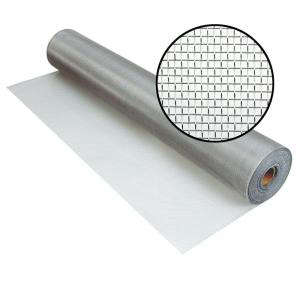
Some home-improvement products sound like they were named by a committee after two coffees and a deadline. Brite aluminum screen is one of them. It is not flashy in the “look at me, I own a yacht” sense. It is bright because of its clean silver aluminum finish, and it is useful because it does the honest work of letting fresh air in while keeping mosquitoes, flies, gnats, leaves, and mystery porch debris out. In other words, it is the quiet bouncer of your windows, doors, porch panels, and patio enclosures.
If you have ever opened a window for a breeze and immediately hosted a mosquito networking event in your living room, you already understand why window screen material matters. Brite aluminum screen is a traditional, durable insect screening made from woven aluminum wire. It is commonly used for windows, screen doors, screened porches, garage vents, and other openings where homeowners want ventilation, visibility, strength, and a classic metallic appearance.
This guide explains what brite aluminum screen is, where it works best, how it compares with fiberglass and charcoal screen, what specifications to check before buying, and how to install and maintain it without turning a Saturday project into a neighborhood comedy show.
What Is Brite Aluminum Screen?
Brite aluminum screen, sometimes written as bright aluminum screen, is a woven insect screen made from aluminum wire with a silver-toned finish. The word “brite” usually refers to the bright metallic appearance of the mesh. Compared with darker screen colors, brite aluminum reflects more light and has a more traditional silver look. It has long been used in the window and door industry because it is strong, stable, and easy to fabricate into screen frames.
Most standard aluminum insect screens use a mesh pattern such as 18 x 16 mesh, meaning there are approximately 18 strands in one direction and 16 strands in the other per square inch. Many products also use wire around .010 to .011 inches in diameter. These numbers may look tiny, but they matter. Mesh count affects airflow, insect protection, visibility, and the screen’s ability to hold up over time.
In plain English: brite aluminum screen is the “classic pickup truck” of screen materials. It may not be the newest trend on the shelf, but it is reliable, sturdy, and ready to work.
Why Homeowners Choose Brite Aluminum Screen
1. Stronger Than Standard Fiberglass Screen
Fiberglass screen is flexible, affordable, and popular, but aluminum screen has a clear advantage when strength and shape retention are priorities. Aluminum mesh is less likely to stretch or sag when properly installed. That makes it a practical choice for screen doors, porch panels, and high-use window screens where the material may experience more wind, handling, or accidental bumps.
For example, a fiberglass screen may be perfect for a quiet upstairs bedroom window. But for a back door that gets opened 47 times during a barbecue, aluminum has the backbone of a product that has seen things and is not impressed.
2. Good Ventilation and Natural Light
One of the main reasons people install insect screens is to enjoy fresh air without inviting every bug in the ZIP code. Brite aluminum screen allows steady airflow while still forming a physical barrier against common insects. It also lets in natural light, which is helpful for porches, kitchens, sunrooms, and any room where you want brightness without sacrificing protection.
The silver finish can look especially sharp on certain homes, particularly those with aluminum frames, light-colored trim, or classic exterior styles. It gives the opening a clean, traditional appearance that many homeowners still prefer.
3. Rust Resistance
Aluminum does not rust like ordinary steel. When exposed to air, aluminum forms a thin oxide layer that helps protect it from corrosion. That makes brite aluminum screen suitable for many residential environments, including humid climates and areas that receive regular rain.
However, “rust-resistant” does not mean “indestructible.” Coastal homes, pool enclosures, and areas exposed to salt, chemicals, or constant moisture may require more specialized materials or more frequent maintenance. Aluminum is tough, but even tough materials appreciate a little respect.
4. Long-Lasting Shape
One underrated benefit of aluminum screening is rigidity. Brite aluminum screen tends to hold its shape well after installation. It does not have the same soft stretch as fiberglass, which can be useful when you want a tight, professional-looking screen panel.
This is especially important on doors and porch sections. A loose screen can flap, ripple, or look like it gave up halfway through the job. A properly installed aluminum screen, on the other hand, looks crisp and intentional.
Brite Aluminum Screen vs. Fiberglass Screen
Choosing between brite aluminum screen and fiberglass screen depends on your project, budget, climate, and patience level. Fiberglass screen is generally easier for beginners because it is flexible and forgiving. If you pull it slightly unevenly, it may still behave. Aluminum is less forgiving. It can crease if bent sharply, and once a crease appears, it may stare at you forever like a tiny metallic accusation.
That said, aluminum offers more structure and durability. It is a good option for homeowners who want a traditional screen material that resists sagging and handles regular use. Fiberglass is often better for budget projects, quick repairs, and areas where softness and flexibility are more important than rigidity.
Here is a simple comparison:
- Brite aluminum screen: stronger, more rigid, long-lasting, classic silver appearance, can dent or crease if mishandled.
- Fiberglass screen: flexible, affordable, easy to install, less likely to crease, but more likely to stretch or tear under stress.
- Charcoal or black aluminum screen: similar strength to aluminum but often provides better outward visibility and reduced glare.
Best Uses for Brite Aluminum Screen
Window Screens
Brite aluminum screen works well for standard window screens, especially when the frame is in good condition and you want a durable replacement. It is commonly used in bedrooms, kitchens, laundry rooms, garages, and utility spaces. Its silver finish is visible, so homeowners who want a nearly invisible view may prefer charcoal or black screen instead.
Screen Doors
Screen doors take more abuse than window screens. They deal with hands, elbows, pets, groceries, wind, and that one family member who opens doors like they are entering a wrestling arena. Because aluminum screen is stronger and more rigid than many standard fiberglass options, it can be a smart choice for screen doors that need added durability.
Porches and Patio Enclosures
For screened porches and patio panels, brite aluminum screen offers a traditional look and dependable performance. It can help block insects and airborne debris while allowing air circulation. For very large openings, heavy-duty screen materials may be worth considering, especially in windy areas or homes with pets.
Garage and Vent Openings
Aluminum screen is also useful for garage windows, attic vents, shed openings, and utility spaces where strength matters. In these areas, appearance may be less important than durability, airflow, and pest control. Brite aluminum screen fits that job nicely.
Important Specifications to Check Before Buying
Mesh Count
The most common specification for aluminum insect screen is 18 x 16 mesh. This is considered a standard insect screen mesh because it balances airflow, visibility, and bug protection. Smaller insects, such as no-see-ums, may require finer mesh, but finer mesh can reduce airflow. Always match the mesh to your local pest situation. Mosquitoes are bad; no-see-ums are mosquitoes with a personal vendetta.
Wire Diameter
Wire diameter affects durability and visibility. A wire diameter around .010 or .011 inches is common for standard aluminum insect screening. Thicker wire may improve strength but can reduce visibility slightly. Thinner wire may look more delicate but may not be as tough in high-use areas.
Roll Width and Length
Brite aluminum screen is sold in many roll sizes, including smaller repair rolls and larger contractor rolls. Common widths include 24 inches, 36 inches, 48 inches, 60 inches, and 72 inches, with lengths ranging from small precut pieces to 25-foot, 50-foot, or 100-foot rolls. Measure your screen frame before buying, then add extra material on all sides so you have enough to secure the mesh under the spline.
Finish and Color
Brite aluminum has a silver finish. It looks clean and traditional, but it may reflect more light than charcoal or black screen. Darker screens often reduce glare and can make the view feel clearer from inside the home. Brite aluminum, however, may complement certain exterior finishes and is often an economical choice in aluminum screen products.
How to Install Brite Aluminum Screen
Installing brite aluminum screen is a manageable DIY project if you work slowly and avoid bending the mesh. The basic tools include a screen rolling tool, replacement spline, utility knife, flat screwdriver, scissors or tin snips, and a clean work surface. A large table is ideal. The floor works too, but your knees may file a complaint.
Step 1: Remove the Frame
Take the screen frame out of the window or door. Lay it flat. If the frame is bent, cracked, or badly damaged, repair or replace the frame before installing new mesh. A perfect screen in a warped frame is like putting a tuxedo on a shopping cart.
Step 2: Remove Old Spline and Screen
Use a small screwdriver to lift the old spline from the groove. Pull it out carefully and remove the old screen material. If the spline is brittle, stretched, or cracked, replace it. Reusing bad spline is one of those “save two dollars, regret it for two years” decisions.
Step 3: Clean the Frame
Clean dirt, dust, and old debris from the groove. A clean frame helps the new screen sit properly and allows the spline to grip. Let the frame dry before continuing.
Step 4: Lay the Screen Over the Frame
Roll the brite aluminum screen over the frame, leaving at least one inch of extra material on each side. Keep the mesh straight. With aluminum screen, avoid folding or sharply bending the material because creases can become permanent.
Step 5: Press the Spline Into Place
Use the screen rolling tool to press the spline into the frame groove over the mesh. Work one side at a time. Keep the screen gently taut, but do not over-pull it. Too much tension can bow the frame or distort the mesh. The goal is firm and smooth, not “drumhead at a marching band competition.”
Step 6: Trim Excess Screen
Once the spline is fully seated, trim the extra screen material with a sharp utility knife. Cut carefully along the outside of the spline. Replace the frame, admire your work, and pretend you never doubted yourself.
Care and Maintenance Tips
Brite aluminum screen does not need complicated maintenance. Most of the time, gentle cleaning is enough. Use a soft brush, vacuum with a brush attachment, or rinse lightly with water. For stubborn dirt, mild soap and water can help. Avoid harsh chemicals, abrasive scrubbers, and pressure washers set to “remove paint from a battleship.”
Do not push directly on the screen when opening, closing, or removing the frame. Aluminum screen is strong, but it can dent. Teach kids and guests to use the frame, not the mesh. Pets may need extra supervision, especially cats who believe every screen is a climbing wall installed for their enrichment.
Inspect the screen once or twice a year. Look for loose spline, small holes, bent corners, or corrosion spots. Small issues are easier to fix early. A tiny gap can become a bug entrance, and insects are famously bad at respecting property boundaries.
Common Mistakes to Avoid
Buying the Wrong Width
Always measure the frame before buying. The screen roll should be wider than the frame opening so you have enough material to secure and trim. Too little material creates frustration, uneven tension, and possibly a dramatic sigh heard from the next room.
Using the Wrong Spline Size
Spline size matters. If it is too thin, the screen may loosen. If it is too thick, it may be difficult to install or could damage the frame. Check the old spline size or consult the screen frame specifications before buying replacements.
Pulling Too Hard
Aluminum screen needs gentle, even tension. Pulling too hard can warp the frame or create waves in the mesh. Work slowly around the frame and check alignment as you go.
Ignoring the View
Brite aluminum screen has a visible silver look. That may be perfect for your home, but if your top priority is the clearest possible outward view, compare it with charcoal or black aluminum screen before making a final decision.
Is Brite Aluminum Screen Good for Pets?
Brite aluminum screen is stronger than standard fiberglass, but it is not the same as pet-resistant screen. If you have a dog that launches itself at the door every time a squirrel blinks, consider a heavy-duty pet screen or reinforced lower panel. Aluminum can resist normal use, but claws, chewing, and repeated impact may dent, tear, or loosen it over time.
For homes with calm pets, aluminum may perform well. For homes with energetic pets, screen choice should be based on behavior, not optimism. Optimism is lovely. It is not a structural material.
Cost and Value
Brite aluminum screen is often more expensive than basic fiberglass screen but can provide better durability and shape retention. It may also be more economical than darker specialty aluminum finishes in some product lines. The best value depends on where the screen will be installed. For a low-traffic guest room window, fiberglass may be enough. For a screen door, porch, or frequently used window, aluminum may justify the higher upfront cost.
Think of it this way: the cheapest screen is not always the least expensive choice if you have to replace it again next season. A durable material that fits the application can save time, effort, and future conversations with yourself that begin with, “Why did I buy the flimsy one?”
of Practical Experience With Brite Aluminum Screen
Working with brite aluminum screen teaches you a few things quickly. First, this material rewards patience. Fiberglass screen behaves like fabric; aluminum behaves more like a polite metal sheet that agreed to be flexible but only within reason. If you roll it out carefully, keep it flat, and avoid sharp bends, it looks clean and professional. If you wrestle it like wrapping paper on Christmas Eve, it may crease, and that crease will not politely disappear because you asked nicely.
One practical experience many homeowners notice is how different the screen looks depending on the light. In morning sun, brite aluminum can appear crisp and reflective. On a shaded porch, it looks softer and more neutral. From the street, it can add a neat, classic finish to windows and doors. From inside the house, it may be more visible than a dark charcoal screen, especially when sunlight hits it directly. That is not necessarily bad. Some people like the traditional silver look. Others prefer the “where did the screen go?” effect of black mesh.
During installation, the biggest lesson is not to over-tighten. A screen that is pulled too aggressively can bow the frame, especially on lightweight window screens. The best result comes from even pressure, steady rolling, and frequent checking. Start with one side, secure it, then work across and around the frame. Keep the mesh smooth, but do not try to stretch it into another dimension. The screen should be taut enough to look flat, not so tight that the frame starts negotiating a surrender.
Another real-world tip is to replace old spline when in doubt. Many DIY screen repairs fail not because the screen material is bad, but because the old spline has lost its grip. If the spline feels hard, cracked, flattened, or loose, buy new spline in the correct size. It is a small detail that makes a big difference.
Cleaning brite aluminum screen is also straightforward. A soft brush or gentle vacuuming removes dust and pollen. For porch panels, a mild soap rinse can freshen the surface. The key is gentleness. Aluminum screen is durable in normal use, but aggressive scrubbing can bend wires or create shiny wear spots. Treat it like a useful home feature, not a grill grate.
In everyday living, brite aluminum screen is especially satisfying in spaces where airflow matters. Kitchens, workshops, mudrooms, and porches benefit from a screen that feels sturdy and traditional. It lets the breeze through, keeps most insects out, and gives the frame a clean metallic appearance. It will not solve every home problem. It will not stop pollen completely, block all tiny insects, train your dog, or make your neighbor return your ladder. But for a strong, classic insect screen, it does its job very well.
Final Thoughts
Brite aluminum screen remains a smart choice for homeowners who want a durable, traditional, rust-resistant insect screen for windows, doors, porches, and utility openings. Its silver finish, strong woven aluminum construction, and reliable airflow make it a practical option for many residential projects. It is not the softest or most invisible screen material, and it requires careful handling during installation, but when installed correctly, it offers long-lasting performance and a crisp, classic look.
If your goal is simplefresh air in, bugs out, screen looking sharpbrite aluminum screen deserves a place on your shortlist. It is proof that not every hardworking home product needs a dramatic marketing campaign. Sometimes a good screen just needs to stand there, sparkle a little, and keep mosquitoes from joining dinner.
Note: Product specifications, mesh count, wire diameter, finish, and installation requirements can vary by manufacturer. Always check the label or product sheet before purchasing, especially for coastal homes, pet-heavy households, large porch panels, or specialty insect-control needs.