Kissing bugs sound like something invented by a children’s book author with a strange sense of humor. Unfortunately, they are very real insects, and their nickname is much cuter than their résumé. Also known as triatomine bugs, cone-nosed bugs, or reduviid bugs, kissing bugs are blood-feeding insects that can bite people and animals while they sleep. Their name comes from their habit of biting near the face, especially around the mouth or eyes. Charming? Not exactly. More like a tiny midnight diner with wings.
The good news is that seeing one kissing bug does not automatically mean you are in danger. The better news is that the main health risk, Chagas disease, is preventable with practical home and yard steps. The not-so-great news is that kissing bugs can carry Trypanosoma cruzi, the parasite that causes Chagas disease, a potentially serious infection that may affect the heart and digestive system years after exposure.
This guide explains what kissing bugs are, where they live, how to identify them, what risks they pose, and what to do if you find one. No panic, no bug-drama, and no need to move to the moon. Just useful information, served with a flashlight and a little common sense.
What Are Kissing Bugs?
Kissing bugs are insects in the subfamily Triatominae. They belong to the same broader insect family as assassin bugs, but unlike many assassin bugs that hunt other insects, kissing bugs feed on blood. Their favorite dining hours are at night, when humans, pets, and wildlife are asleep and less likely to swat them into next Tuesday.
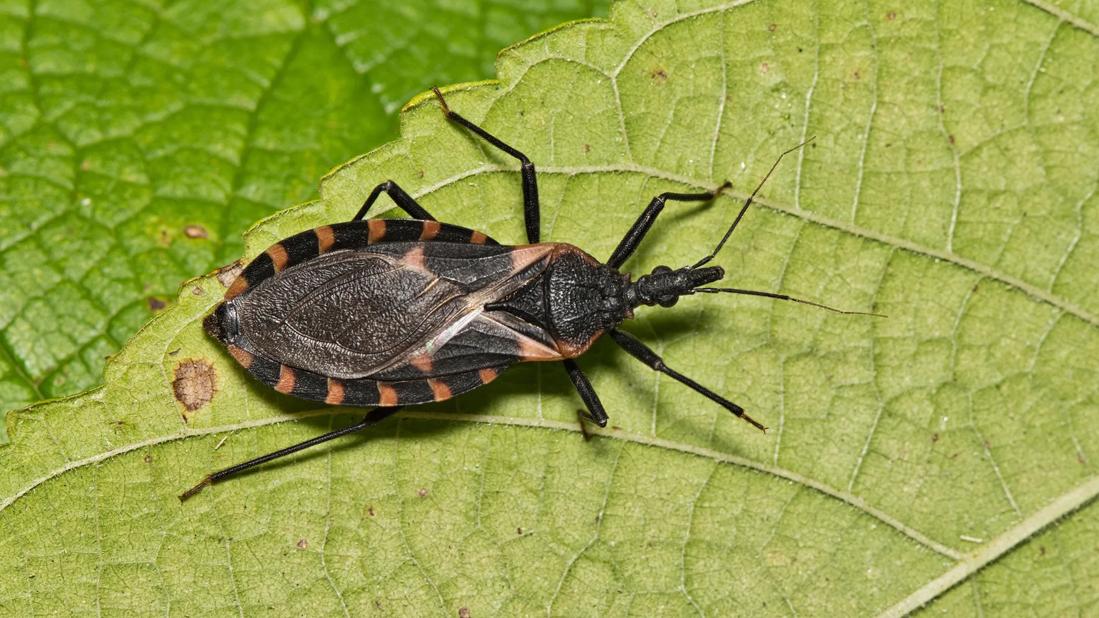
Adult kissing bugs are usually dark brown or black, often with orange, red, or yellow markings around the edge of the abdomen. They have a long, cone-shaped head, thin legs, and a narrow body that can look flattened before feeding. Many adults are about three-quarters of an inch to more than an inch long, which is large enough to make a homeowner say, “That is not a normal bug,” and possibly add a few words not approved for family websites.
Why Are They Called “Kissing Bugs”?
The nickname comes from their tendency to bite exposed skin on the face, particularly near the lips or eyes. They are attracted to warmth, carbon dioxide, and odors from sleeping hosts. A kissing bug bite itself is often painless at first, which is rude but biologically convenient for the insect. Some people later develop redness, swelling, itching, or tenderness at the bite site.
It is important to understand one key point: Chagas disease is usually not spread by the bite itself. The parasite that causes Chagas disease lives in the feces of infected kissing bugs. After feeding, some kissing bugs defecate near the bite. If contaminated feces are rubbed into the bite wound, eyes, mouth, or broken skin, infection can occur.
Where Are Kissing Bugs Found?
Kissing bugs are found throughout parts of the Americas, especially in Mexico, Central America, South America, and the southern United States. In the U.S., different species have been reported in many states, with higher concern in warmer regions such as Texas, Arizona, New Mexico, California, Louisiana, and other southern or southwestern areas.
Outdoors, kissing bugs often live in places where wild animals nest or hide. They may be found in rodent nests, woodpiles, brush piles, rock piles, under porches, in animal burrows, chicken coops, dog kennels, and around outdoor structures. Indoors, they may hide in cracks, wall gaps, bedding areas, pet sleeping areas, baseboards, or poorly sealed entry points. They are not impressed by your interior design. They prefer gaps, clutter, and easy access to a warm-blooded snack.
How to Identify a Kissing Bug
Identifying kissing bugs matters because many harmless or less concerning insects are mistaken for them. Wheel bugs, squash bugs, leaf-footed bugs, stink bugs, and other assassin bugs may look similar to the untrained eye. Before declaring your living room a public health emergency, look for the classic features.
Common Kissing Bug Features
- Dark brown or black body
- Orange, red, or yellow markings along the abdomen edge
- Long, cone-shaped head
- Thin antennae and legs
- Flattened body before feeding
- Usually active at night
- Often found near sleeping areas, pet areas, woodpiles, or wildlife nests
If you find a suspicious bug, do not crush it with your bare hand. That is both unpleasant and unhelpful for identification. Instead, use gloves, a jar, tape, or a plastic bag to capture it safely. Some local health departments, extension offices, or university programs may help identify the insect. In some states, testing may be available to check whether the bug carries T. cruzi.
What Is Chagas Disease?
Chagas disease, also called American trypanosomiasis, is an infection caused by the parasite Trypanosoma cruzi. The parasite can infect humans and many animals, including dogs, raccoons, opossums, rodents, and other mammals. Kissing bugs become infected when they feed on an infected animal or person. The parasite then lives in the bug’s gut and can be passed through its feces.
Chagas disease is more common in parts of Latin America, where some housing conditions allow kissing bugs to colonize homes more easily. In the United States, local transmission is considered much less common, but concern has grown as researchers and public health officials continue to document infected bugs, infected animals, and locally acquired cases in some areas.
How Chagas Disease Spreads
The main route is contact with infected kissing bug feces. This can happen if a person scratches contaminated feces into a bite wound or rubs it into the eyes or mouth. Less commonly, Chagas disease can spread from a pregnant person to a baby, through contaminated blood products, organ transplantation, laboratory accidents, or contaminated food or drink in certain settings.
Chagas disease does not spread like the flu. You do not catch it from casual contact, hugging, sharing a room, or standing near someone who is infected. A person with Chagas disease is not a walking bug buffet danger zone. The parasite needs specific transmission routes.
Symptoms of Chagas Disease
Chagas disease has two main phases: acute and chronic. The tricky part is that both phases can be silent. Many people do not know they are infected, especially if early symptoms are mild or absent.
Acute Phase
The acute phase occurs soon after infection and may last weeks or months. Some people have no symptoms. Others may develop fever, fatigue, body aches, headache, rash, loss of appetite, diarrhea, vomiting, swollen glands, or swelling near the bite area. A classic sign is Romaña’s sign, which is swelling of one eyelid when the parasite enters through tissue near the eye.
These symptoms can resemble many other illnesses, which is why Chagas disease can be missed. A fever and tiredness after a bug bite may not make most people think, “Ah yes, a parasitic infection with a dramatic name.” That is why exposure history matters.
Chronic Phase
After the acute phase, the infection can enter a chronic phase that may last for years or even a lifetime. Many people remain symptom-free. However, a portion of infected people may develop serious complications years later, especially involving the heart or digestive system.
Possible chronic complications include abnormal heart rhythm, enlarged heart, heart failure, sudden cardiac problems, enlarged esophagus, or enlarged colon. These outcomes are why Chagas disease deserves respect even when the initial bite seems harmless.
What Are the Risks of Kissing Bugs?
The risks depend on where you live, whether kissing bugs are common in your region, whether the bugs carry T. cruzi, whether they enter your home, and whether feces from an infected bug enters your body. In well-sealed homes, the risk is generally lower. In rural, semi-rural, or edge-of-wildland areas with outdoor animal shelters, woodpiles, rodent nests, or poorly sealed buildings, the risk may be higher.
Risk to Humans
For people, the main concern is Chagas disease. A single kissing bug bite does not guarantee infection. In fact, transmission requires several unlucky steps: the bug must be infected, it must defecate near the bite or mucous membrane, and the feces must enter the body. Still, because the disease can become serious over time, suspected exposure should not be ignored.
Risk to Pets
Dogs can be at risk, especially in kennels or outdoor sleeping areas in regions where kissing bugs are common. Dogs may become infected if they eat infected kissing bugs or are exposed to contaminated feces. Canine Chagas disease can affect the heart and may be severe. Pet owners in higher-risk regions should talk with a veterinarian about prevention, especially if dogs sleep outdoors or in kennel environments.
Allergic Reactions
Some people may have allergic reactions to kissing bug bites. Reactions can range from local swelling and itching to more serious responses. Anyone who develops trouble breathing, widespread swelling, dizziness, or other signs of a severe allergic reaction should seek emergency medical care immediately.
What to Do If You Find a Kissing Bug
First, stay calm. The bug is not plotting a sequel. Avoid touching it directly. Capture it carefully using gloves, a container, or a plastic bag. If possible, keep the bug intact for identification. You may place the container in a freezer to preserve it if local guidance recommends that approach.
Next, clean the area where the bug was found. If you suspect contact with bug feces, wash skin with soap and water. Avoid rubbing your eyes or mouth. If the bug was found near bedding, pet bedding, or furniture, wash fabrics in hot water when possible and vacuum nearby cracks, baseboards, carpets, mattresses, and pet areas.
If you were bitten, found the bug in a sleeping area, or live in a region where Chagas disease is known to occur, contact a healthcare provider or local health department for advice. A healthcare professional can determine whether testing is appropriate based on symptoms, exposure, travel history, and local risk.
How to Prevent Kissing Bugs Around Your Home
Prevention is mostly about making your home harder to enter and less attractive to bugs and the animals they feed on. Think of it as politely telling kissing bugs, “This hotel is closed.”
Seal Entry Points
- Repair holes in window and door screens.
- Install tight-fitting door sweeps.
- Seal cracks around windows, doors, roofs, walls, and foundations.
- Use caulk or weather stripping where needed.
- Check pet doors and make sure they close tightly.
Manage Outdoor Areas
- Move firewood, brush, and rock piles away from the house.
- Remove rodent nests and discourage wildlife from nesting near your home.
- Keep vegetation trimmed near the foundation.
- Clean up clutter under porches, decks, and crawl spaces.
- Keep outdoor pet areas clean and inspect dog houses or kennels regularly.
Adjust Outdoor Lighting
Kissing bugs can be attracted to lights at night. Reduce bright outdoor lighting near doors, windows, and kennels when safe to do so. Consider using yellow bulbs or placing lights away from entry points. The goal is to stop turning your front porch into a bug nightclub.
Use Pest Control Wisely
Integrated pest management is the best approach. That means combining exclusion, cleaning, habitat reduction, monitoring, and pesticides only when appropriate. If you have repeated sightings or a suspected infestation, contact a licensed pest control professional familiar with kissing bugs. Always follow pesticide label directions. More spray does not equal more safety; it often equals more chemical exposure and more regret.
When Should You See a Doctor?
Talk with a healthcare provider if you think you were exposed to kissing bug feces, especially if you develop fever, fatigue, rash, swollen eyelid, swollen glands, vomiting, diarrhea, or unusual swelling near a bite. You should also ask about testing if you have lived in or traveled extensively to areas where Chagas disease is common, have a family member diagnosed with Chagas disease, or were born to a mother who may have had the infection.
Diagnosis usually involves blood testing. Treatment decisions depend on age, stage of infection, symptoms, pregnancy status, and other health factors. Antiparasitic medicines such as benznidazole and nifurtimox may be used in specific situations, especially in acute or congenital infection. In chronic disease, care may also involve monitoring and treating heart or digestive complications.
Common Myths About Kissing Bugs
Myth 1: Every Kissing Bug Carries Chagas Disease
Not every kissing bug carries T. cruzi. Infection rates vary by region, species, and environment. Still, it is smart to avoid direct contact and treat suspicious insects carefully.
Myth 2: The Bite Automatically Causes Chagas Disease
The bite itself is not usually the direct source of infection. The bigger concern is infected feces getting into the bite wound, eyes, mouth, or broken skin.
Myth 3: Kissing Bugs Only Live in Dirty Homes
Kissing bugs are associated with cracks, gaps, wildlife nests, and animal hosts. Cleanliness helps, but even tidy homes can attract occasional bugs if entry points and outdoor habitats are available.
Myth 4: This Is Only a Latin America Issue
Chagas disease is far more common in parts of Latin America, but kissing bugs and infected wildlife also exist in parts of the United States. Awareness matters, especially in southern and southwestern regions.
Experiences and Practical Lessons: What People Often Notice First
Many real-world kissing bug experiences begin with confusion, not panic. A homeowner may find a large, dark insect crawling near a bedroom wall at night and assume it is a stink bug, beetle, or “some weird outdoor thing that made a wrong turn.” The first lesson is simple: do not rely on panic-identification. Many insects look similar, and misidentification is common. Taking a clear photo, capturing the bug safely, and asking a local extension office or health department for help can prevent both unnecessary worry and careless handling.
People who live near desert edges, wooded areas, brushy lots, ranchland, or older homes often report seeing kissing bugs around porch lights, garages, sheds, dog kennels, or firewood stacks. The pattern is usually seasonal and nighttime-based. Warm evenings, outdoor lights, and nearby animal habitats can bring bugs close to human spaces. In these situations, prevention often feels less like one dramatic solution and more like a weekend checklist: fix screens, add door sweeps, move woodpiles, clean up yard debris, reduce unnecessary lights, and inspect pet sleeping areas. It is not glamorous work, but neither is explaining to a bug that it missed the “no vacancy” sign.
Pet owners may notice the issue before anyone else. Dogs that sleep outdoors or spend time in kennels can attract kissing bugs because bugs are drawn to warmth, scent, and easy blood meals. Some dogs may even eat the insects, which can create another route of exposure. Owners in higher-risk areas often learn to move dog beds away from walls, inspect kennels, seal gaps, and talk with veterinarians if kissing bugs are found nearby. The practical experience here is that protecting pets also protects the household environment.
Another common experience is discovering that a bite does not always look dramatic. Some people never notice being bitten. Others may see itchy clusters on exposed skin, especially the face, neck, arms, or legs. Because these bites can resemble mosquito, flea, or bed bug bites, the surrounding clues matter: Was a suspicious insect found? Was it near a sleeping area? Are there cracks, pet beds, or wildlife nests nearby? The bite alone rarely tells the whole story.
The most useful lesson from people who have dealt with kissing bugs is to respond early but calmly. Capture the insect safely. Clean the area. Check the home for entry points. Contact local experts if identification is uncertain. Seek medical advice if exposure seems possible or symptoms develop. Kissing bugs deserve attention, but they do not deserve control of your nervous system. With knowledge, prevention, and a little home maintenance, most people can greatly reduce the risk and sleep easierpreferably without sharing the pillow with an insect named after romance.
Conclusion
Kissing bugs are blood-feeding insects that can carry the parasite responsible for Chagas disease. While the name sounds almost adorable, the health risks deserve serious attention. The most important fact to remember is that infection usually occurs when feces from an infected bug enters the body through a bite wound, eyes, mouth, or broken skinnot simply from the bite itself.
For most people in the United States, the risk of Chagas disease remains relatively low, especially in well-sealed homes. However, residents in warmer regions, rural areas, and places with outdoor animal shelters or wildlife nesting sites should stay alert. Identification, prevention, safe capture, and timely medical advice are the best tools. Seal your home, manage outdoor clutter, protect pets, reduce bug-attracting lights, and treat suspicious insects with caution.
Note: This article is for educational purposes only and should not replace advice from a healthcare provider, veterinarian, local health department, or licensed pest control professional.