Trying to sleep while having diarrhea can feel like participating in a deeply unfair game show called Will I Make It to the Bathroom? Your stomach keeps making suspicious noises, every comfortable position suddenly feels risky, and the bathroom seems farther away than it did during daylight hours.
Although no sleeping position or bedtime trick can instantly stop diarrhea, you can make the night safer and more manageable. The main goals are to replace lost fluids, reduce avoidable digestive irritation, protect your skin and bedding, and arrange your room so you can reach the bathroom without turning the journey into an obstacle course.
Most cases of acute diarrhea improve on their own, especially when caused by a brief viral illness or something that did not agree with your digestive system. However, diarrhea can cause dehydration and electrolyte loss, particularly when bowel movements are frequent or accompanied by vomiting. Children, older adults, pregnant people, individuals with weakened immune systems, and people with chronic medical conditions may become seriously ill more quickly.
Here are three practical ways to sleep while having diarrhea, along with the warning signs that mean bedtime should be replaced by medical care.
1. Create a Bathroom-Ready Sleep Setup
When diarrhea is active, the best bedroom is not necessarily the prettiest one. It is the roomor side of the bedwith the shortest, safest route to a toilet. A few minutes of preparation can reduce anxiety, prevent accidents, and help you fall asleep because you know you have a plan.
Sleep as Close to the Bathroom as Practical
Use the side of the bed nearest the door. Keep the hallway clear of shoes, charging cables, laundry baskets, pets, decorative stools, and anything else your sleepy feet might attempt to fight at 2:17 a.m. Turn on a dim night-light in the bedroom, hallway, and bathroom so you can move quickly without waking yourself completely.
If your bedroom is far from the toilet and another comfortable sleeping area is closer, temporarily relocate. A couch near the bathroom may not provide luxury-hotel comfort, but it can provide something more valuable during diarrhea: confidence.
People who are weak, dizzy, elderly, or at risk of falling should not rush through a dark house. Ask someone for assistance when possible, keep a phone within reach, and sit on the edge of the bed for a moment before standing. Dizziness, faintness, weakness, reduced urination, and dark urine can indicate dehydration rather than ordinary sleepiness.
Protect the Mattress Before You Need To
Place a waterproof mattress protector, washable absorbent pad, or folded towel beneath your hips. This is not an admission of defeat. It is the digestive equivalent of carrying an umbrella when the forecast looks questionable.
Keep the following items beside the bed:
- A change of underwear and loose sleepwear
- A plastic or washable bag for soiled clothing
- Unscented toilet tissue or gentle wipes
- A bottle of water or oral rehydration solution
- Your phone, glasses, and any necessary mobility aid
- A thermometer if you also feel feverish
Do not place a portable toilet or bucket beside the bed unless it is a properly designed bedside commode and you can use it safely. Improvised containers may tip, leak, create a fall hazard, or be difficult to sanitize.
Protect Irritated Skin
Frequent wiping can leave the skin around the anus sore, itchy, or raw. After a bowel movement, clean gently with lukewarm water, damp unscented toilet paper, or an unscented wipe. Avoid vigorous scrubbing and heavily fragranced products. Pat the area dry rather than rubbing it.
A thin layer of a skin barrier product containing zinc oxide or petroleum jelly may reduce friction and protect irritated skin. Follow the product directions, and stop using anything that causes burning or a rash. MedlinePlus recommends gentle cleaning, avoiding scented soaps, and patting the area dry when managing anal irritation.
Once your route, bedding, clothing, and supplies are ready, your brain no longer has to remain on maximum emergency alert. That alone may make sleep easier.
2. Hydrate and Settle Your Digestive System Before Bed
The most important home-care step for diarrhea is replacing the fluid and electrolytes leaving your body. Going to bed dehydrated can worsen weakness, headache, dizziness, rapid heartbeat, muscle cramps, and general misery. Rehydration is considered the first-line treatment for acute diarrhea, with oral fluids preferred when a person can drink and is not severely dehydrated.
Take Small, Frequent Sips
Do not wait until bedtime and then attempt to drink an enormous amount at once. Chugging may increase nausea, bloating, and urgency. Instead, take small, frequent sips throughout the evening.
Water is useful, but frequent watery stools also remove sodium, potassium, and other electrolytes. An oral rehydration solution is designed to replace water and electrolytes in proportions that support absorption. Broth and electrolyte-containing drinks may also help adults with mild fluid loss, although very sugary beverages can sometimes worsen diarrhea by drawing additional water into the intestines.
MedlinePlus suggests drinking clear fluids throughout the day and replacing fluid after each loose bowel movement. One commonly listed adult self-care target is approximately one cup of liquid after a loose stool, although individual needs vary. People who have heart failure, kidney disease, liver disease, or a prescribed fluid restriction should ask a healthcare professional how much to drink.
For mild dehydration caused by illnesses such as norovirus, the CDC notes that over-the-counter oral rehydration fluids are generally more useful than ordinary sports drinks for replacing lost nutrients and minerals. Severe dehydration may require intravenous fluids and should not be managed solely at home.
Choose a Small, Gentle Evening Meal
You do not necessarily need to stop eating. In fact, going all day without food can leave you weak and make recovery harder. Choose a modest meal or snack that is easy to tolerate, such as:
- White rice or plain noodles
- Toast, crackers, or a plain bagel
- Bananas or applesauce
- Boiled or baked potatoes without rich toppings
- Broth-based soup
- Plain oatmeal
- Lean chicken, turkey, or eggs if they sound appealing
The traditional BRAT combinationbananas, rice, applesauce, and toastcan be gentle for a brief period, but it is not nutritionally complete. Use it as a temporary starting point rather than a long-term diet, and gradually return to a varied diet as your appetite and digestion improve.
For the evening, avoid foods that frequently make diarrhea or cramping worse, including greasy meals, fried food, very spicy dishes, large portions, alcohol, caffeine, sugar alcohols, and excessive sweets. Dairy products may temporarily increase gas or diarrhea in some people after an intestinal infection because the digestive tract can briefly have trouble breaking down lactose.
Try to finish your main meal two or three hours before lying down. This timing is not a cure, but it gives you a chance to observe how your stomach reacts while you are still awake. If you are hungry later, choose a small snack instead of challenging your intestines to process a midnight cheeseburger.
Be Careful With Antidiarrheal Medicines
Some adults with uncomplicated watery diarrhea may use an over-the-counter medicine such as loperamide according to the package directions. However, it is not appropriate for every type of diarrhea.
Do not take more than the labeled dose. Excessive doses of loperamide have been associated with dangerous heart rhythm problems. Stop using it and seek medical advice if symptoms worsen, diarrhea continues for more than two days, or abdominal swelling develops.
Do not self-treat with a bowel-slowing medicine when you have bloody or black stool, significant fever, severe abdominal pain, abdominal swelling, or suspected diarrhea related to certain infections. Extra caution is also necessary when diarrhea develops during or soon after antibiotic treatment because an infection such as Clostridioides difficile may require medical evaluation.
Pregnant or breastfeeding people, children, older adults with multiple medical conditions, and anyone taking prescription medication should consult a healthcare professional or pharmacist before using an antidiarrheal drug.
3. Use a Comfortable Position and a Calm Return-to-Sleep Routine
No scientifically established sleeping position can switch off diarrhea. Your intestines will not receive a memo simply because you have turned onto your left side. The best position is the one that reduces discomfort, allows easy movement, and does not worsen nausea or reflux.
Try Side Sleeping With Your Knees Slightly Bent
Many people find that lying on either side with the knees slightly bent reduces tension across the abdomen. Place a pillow between your knees and another behind your back if you need support. Avoid curling into an extremely tight ball, which may make abdominal soreness or breathing feel worse.
If nausea or reflux is also present, elevate your head and upper torso slightly with a wedge pillow or an adjustable bed. Stacking several loose pillows may bend your neck without reliably raising your torso, so use a stable setup.
Sleeping on your back is acceptable when it feels comfortable and you can get out of bed easily. Sleeping on your stomach may increase pressure on a tender abdomen for some people, but it is not inherently dangerous. Let comfortnot internet mythologymake the final decision.
Use Heat Carefully for Cramping
A warm compress or heating pad on a low setting may feel soothing when cramps are mild. Keep a layer of fabric between the heat source and your skin, limit each session, and follow the manufacturer’s safety instructions.
Do not fall asleep on a heating pad unless the device is specifically designed for overnight use and has automatic shutoff. Avoid heat when abdominal pain is severe, localized, rapidly worsening, or accompanied by a rigid or swollen abdomen. Those symptoms deserve medical evaluation rather than an aggressively warm nap.
Make Each Bathroom Trip Boring
When you wake with urgency, use enough light to walk safely but avoid turning on every overhead fixture. Bright light, doomscrolling, work email, and checking the time every 90 seconds can make it harder to return to sleep.
After using the bathroom:
- Clean and dry the irritated area gently.
- Take several small sips of fluid.
- Replace any soiled clothing or bedding immediately.
- Return to your chosen position.
- Relax your jaw, shoulders, hands, and abdomen.
- Breathe slowly without forcing an unusually deep breath.
Instead of telling yourself, “I must fall asleep now,” aim simply to rest. Quiet rest still reduces stimulation, and sleep often returns once the pressure to produce it disappears.
When You Should Stop Trying to Sleep and Get Medical Help
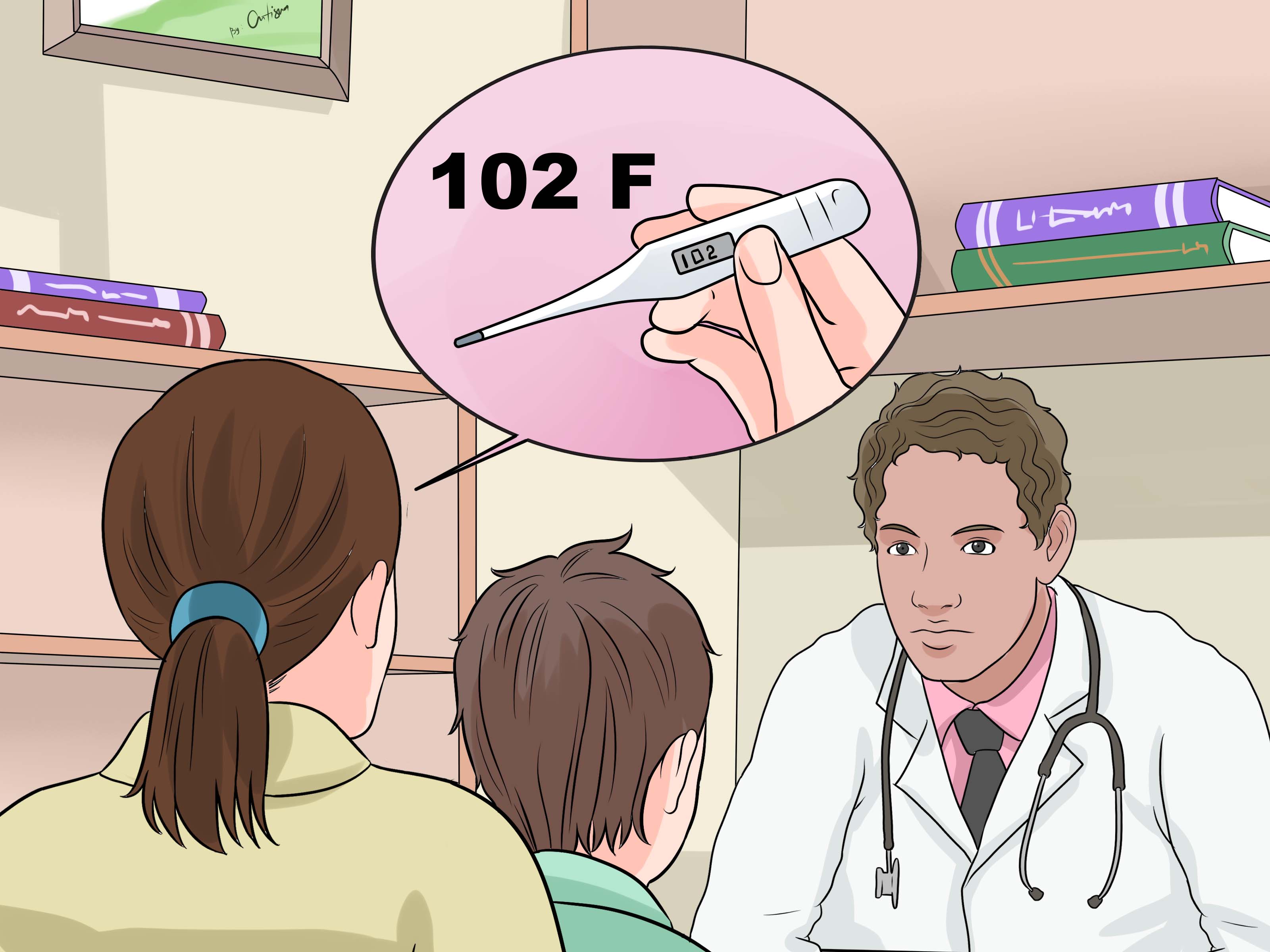
Nighttime diarrhea is often uncomfortable rather than dangerous, but certain symptoms should not be ignored. Seek urgent medical care for signs of severe dehydration, confusion, fainting, inability to stay awake, very little or no urine, rapid breathing, a racing heartbeat, or an inability to keep liquids down.
You should also seek prompt medical advice for:
- Bloody stool, pus in the stool, or black, tarry stool
- Severe, constant, or worsening abdominal pain
- A swollen, rigid, or extremely tender abdomen
- A high or persistent fever
- Repeated vomiting that prevents hydration
- More than approximately 10 watery stools in one day
- Diarrhea lasting longer than two days in an adult
- Diarrhea beginning during or after antibiotic treatment
- Symptoms after foreign travel, untreated water exposure, or a suspected foodborne outbreak
Severe diarrhea can cause fluid losses that exceed what a person can replace by drinking. Bloody stool, fever, severe abdominal pain, persistent symptoms, and dehydration are widely recognized warning signs that require medical assessment.
Contact a healthcare professional earlier if the patient is pregnant, older than 65, immunocompromised, receiving cancer treatment, or living with significant kidney, heart, liver, or intestinal disease. Children and infants require different hydration and medication guidance and should not be treated as smaller versions of adults.
Experiences From a Night With Diarrhea: What Often Helps in Practice
The following composite scenarios illustrate common experiences. They are not accounts from specific patients, and they should not replace personalized medical advice.
Experience 1: The Person Who Tried to “Sleep It Off”
Imagine someone who develops watery diarrhea after dinner but decides the best strategy is to ignore it. They stop drinking because they do not want another bathroom trip, climb into bed, and hope sleep will solve everything. By 1 a.m., they have a dry mouth and headache. At 3 a.m., they stand too quickly, become dizzy, and nearly trip over a laundry basket on the way to the bathroom.
The improved version of the evening is much less dramatic. They clear the walkway, turn on a night-light, move a water bottle and oral rehydration drink to the bedside, and sip gradually instead of avoiding fluids. A towel under the fitted sheet provides reassurance. They still wake twice, but the trips are calm, brief, and free of hallway acrobatics.
The lesson is simple: reducing fluid intake may reduce the amount in your drinking glass, but it does not safely switch off fluid loss from the intestines. Hydration and preparation are more useful than pretending your colon has respected bedtime.
Experience 2: The Late-Night Comfort-Food Mistake
Another person has several loose stools during the afternoon. By evening, they feel slightly better and decide this improvement deserves a celebration involving spicy wings, a milkshake, and coffee. Their digestive tract responds by scheduling an encore performance.
On a later occasion, they choose broth, rice, toast, and a banana. They eat a small portion early in the evening and avoid alcohol, caffeine, fried food, and rich dairy. The diarrhea does not disappear instantly, but the cramping becomes less intense and they spend more time resting than bargaining with the bathroom door.
This does not mean everyone must survive on toast whenever stool becomes loose. Food tolerances differ, and overly restrictive diets are not ideal for prolonged periods. The practical point is to avoid introducing obvious digestive challenges immediately before bed. Keep the meal small, familiar, and gentle, then expand the diet as symptoms improve.
Experience 3: The Anxious Clock-Watcher
A third person prepares well but becomes trapped in a different cycle. They return from the bathroom, stare at the clock, calculate how little sleep remains, search the internet for increasingly alarming explanations, and tense every abdominal muscle while waiting for the next cramp.
The following night, they use a calmer routine. The phone remains face down. After each trip, they clean up, take a few sips, check whether any genuine warning signs are present, and return to bed. They lie on their side with their knees slightly bent and focus on resting rather than demanding immediate sleep.
That mental shift does not cure diarrhea, but it removes one layer of discomfort: the struggle against being awake. A prepared room, a safe route to the bathroom, and a predictable routine can reassure the nervous system that the situation is unpleasant but manageable.
Experience 4: Recognizing When Home Care Is No Longer Enough
One of the most important experiences is realizing that persistence is not always bravery. Consider an adult who has repeated watery stools, vomiting, dark urine, worsening weakness, and dizziness. They keep trying different positions in bed because they assume every stomach illness should be managed at home.
In this situation, the correct “sleep method” is not another pillow arrangement. It is contacting a healthcare professional or seeking urgent care. The person may be losing fluids faster than they can replace them and could need medical treatment.
A useful nighttime question is: “Am I merely uncomfortable, or am I becoming medically unwell?” Mild cramps, a few loose stools, and the ability to drink are different from faintness, confusion, severe pain, blood in the stool, persistent vomiting, or minimal urination. Recognizing that distinction can prevent a difficult night from becoming a dangerous one.
Conclusion
The three best ways to sleep while having diarrhea are to prepare a safe bathroom-ready sleeping area, hydrate and eat strategically before bed, and use a comfortable position with a calm return-to-sleep routine. Keep supplies nearby, protect irritated skin, take frequent small sips, and avoid foods or drinks that predictably worsen symptoms.
Most importantly, do not prioritize sleep over safety. Diarrhea accompanied by severe dehydration, blood, black stool, high fever, persistent vomiting, major abdominal pain, or rapidly worsening weakness requires medical attention. A restless night is frustrating, but it is better than sleeping through warning signs your body is working very hard to announce.
Note: This article provides general educational information for adults and does not diagnose or treat any medical condition. Medication decisions and care for children, pregnant people, older adults, or anyone with significant health conditions should be discussed with a qualified healthcare professional.