Breeding Corydoras fish is one of the most rewarding little side quests in freshwater aquariums. One day your cory cats are politely vacuuming the sand like tiny mustached Roombas, and the next day you spot pearl-like eggs stuck to the glass, plants, filter, or that one random corner of the tank you never look at. Congratulations: your bottom-dwellers have entered parenthood, even if their parenting style is mostly “lay eggs and immediately forget about them.”
Corydoras, often called cory cats or cories, are peaceful South American catfish loved for their social behavior, hardy nature, and charming habit of wiggling around in groups. Many species can breed in home aquariums when they are healthy, mature, well-fed, and given environmental cues that mimic the rainy season. The process is not difficult, but successful breeding does require planning. Eggs are delicate, fry are tiny, and adult fishincluding the parentsmay snack on eggs if you leave everything to chance.
This guide explains how to breed Corydoras fish in 13 practical steps, from choosing healthy breeders to raising fry until they look like miniature versions of the adults. Whether you are breeding bronze cories, albino cories, panda cories, peppered cories, sterbai cories, pygmy cories, or another species, the basic method is similar: condition the adults, trigger spawning, protect the eggs, keep the water clean, and feed the fry tiny foods at the right time.
Step 1: Choose the Right Corydoras Species
Some Corydoras species are easier to breed than others. Bronze Corydoras and albino Corydoras are often among the most beginner-friendly because they are widely captive-bred and adaptable. Peppered cories are also popular and usually respond well to cooler water changes. Panda cories can breed successfully too, but they often prefer cooler, very clean water and may be slightly more sensitive as fry.
If this is your first breeding project, choose a common captive-bred species rather than a rare wild-caught one. Captive-bred cories are usually more tolerant of typical aquarium water and prepared foods. Rare species may need softer, more acidic water, specific seasonal cues, or more careful fry care. In other words, start with the fishkeeping equivalent of “learning to cook eggs” before trying a five-course chef’s menu.
Step 2: Build a Healthy Breeding Group
Corydoras are social fish, not solo performers. For breeding, keep a group of at least six fish when possible. A larger group improves the chance of having both males and females, and it also encourages natural behavior. Many breeders prefer more males than females, such as two males for each female, because males actively pursue females during spawning.
Sexing Corydoras is easiest from above. Mature females are usually larger, wider, and rounder, especially when full of eggs. Males tend to be slimmer and smaller. Do not rush juvenile fish into breeding. Young cories may look active and healthy but still be too immature to produce reliable eggs. Give them time, stable conditions, and good food before expecting results.
Step 3: Prepare a Breeding Tank
A dedicated breeding tank gives you much better control than a busy community aquarium. A 10- to 20-gallon tank works well for many small and medium Corydoras species. Use a bare bottom or fine sand. Avoid sharp gravel because Corydoras use their barbels to search for food, and rough substrate can cause irritation or injury.
Add a seasoned sponge filter for gentle filtration. Sponge filters are ideal because they provide oxygen and biological filtration without sucking up fry. Include Java moss, guppy grass, spawning mops, broad-leaved plants, or smooth surfaces where the female can deposit eggs. A few hiding spots help the adults feel safe, but keep the setup simple enough that you can find the eggs later.
Step 4: Match Water Parameters to the Species
Most captive-bred Corydoras do well in clean, stable water with a neutral to slightly acidic pH and moderate temperatures. Many common species are comfortable around the low- to mid-70s Fahrenheit, though exact preferences vary. Panda cories, for example, often prefer cooler conditions than some tropical community fish. Sterbai cories may tolerate warmer water better than many other cories.
The biggest mistake is chasing “perfect” numbers while neglecting cleanliness. Corydoras breeding success depends heavily on excellent water quality. Keep ammonia and nitrite at zero, nitrate low, and oxygen levels strong. Before breeding, make sure the tank is fully cycled. Cory fry are not impressed by your enthusiasm if the filter bacteria have not clocked in for work.
Step 5: Condition the Adults with Rich Foods
Conditioning means feeding the adults a nutrient-rich diet for one to three weeks before trying to trigger spawning. Use high-quality sinking pellets or wafers as the staple, then add protein-rich foods such as frozen bloodworms, daphnia, brine shrimp, blackworms, tubifex alternatives from trusted sources, or finely chopped frozen foods.
Feed small amounts once or twice daily, making sure food actually reaches the bottom. Corydoras are enthusiastic eaters, but they should not be forced to compete with fast midwater fish. Remove leftovers so the tank stays clean. A well-conditioned female will look fuller through the belly, while males may become more active and attentive.
Step 6: Trigger Spawning with a Cool Water Change
In nature, many Corydoras spawn when seasonal rains bring cooler, fresh, oxygen-rich water. In the aquarium, you can mimic this with a large water change using dechlorinated water that is slightly cooler than the tank water. Many breeders use a 30% to 50% change, but the key is “cooler,” not “shockingly cold.” A temperature drop of a few degrees is usually enough.
Pair the water change with increased aeration or gentle flow. Some breeders repeat smaller cool water changes over several days if spawning does not happen immediately. The fish may respond with sudden activity: males chasing females, groups racing along the glass, and a general sense that the tank has turned into a tiny aquatic dance floor.
Step 7: Recognize Corydoras Spawning Behavior
Corydoras spawning is fascinating to watch. Males typically chase a receptive female around the tank. When she accepts a male, the pair may form the classic “T-position,” where the female places her mouth near the male’s body. She then cups her pelvic fins to hold one or several eggs before attaching them to a surface.
Eggs may be placed on glass, plant leaves, filter tubes, spawning mops, or decorations. Depending on the species and condition of the female, a spawning event may produce a few eggs or well over 100. The process can continue for hours, with the female choosing different spots around the aquarium. She is basically redecorating the nursery one sticky egg at a time.
Step 8: Protect the Eggs from Hungry Tankmates
Corydoras do not provide parental care. Adult cories, other fish, shrimp, and snails may eat the eggs. For the best survival rate, either remove the adults after spawning or move the eggs to a safe hatching container. If the eggs are on glass, you can gently roll them off with clean fingers or use the edge of a clean plastic card. If they are on a spawning mop or plant, move the whole item.
Keep the eggs in water from the same tank to avoid sudden parameter changes. A breeder box with gentle flow inside the original aquarium can work very well because the eggs remain in stable water while being protected from hungry mouths. If you move eggs to a separate container, provide gentle aeration and keep the water extremely clean.
Step 9: Prevent Fungus and Remove Bad Eggs
Healthy Corydoras eggs often look clear, beige, amber, or light yellow. Unfertilized eggs usually turn opaque white. White eggs can grow fungus, and fungus may spread to healthy eggs if ignored. Check the eggs daily and remove bad ones with a pipette, tweezers, or a small tool used only for aquarium work.
Some breeders use methylene blue or natural botanicals such as Indian almond leaves to reduce fungal problems, but any treatment should be used carefully and according to product directions. Clean water, gentle flow, and quick removal of unfertilized eggs are the most important defenses. Think of egg care as tiny housekeeping: boring, repetitive, and absolutely worth it.
Step 10: Wait for the Eggs to Hatch
Corydoras eggs usually hatch in about two to five days, depending on species and temperature. Warmer water may speed development, while cooler water may slow it down. Do not constantly move the eggs or poke at them to “check.” Stable conditions are better than nervous over-management.
Newly hatched fry are extremely small and may lie on the bottom or cling to surfaces. At first, they live off their yolk sacs and do not need food right away. This stage is where many beginners panic and overfeed. Resist the urge. Extra food before the fry can eat it only pollutes the water.
Step 11: Feed Fry the Right First Foods
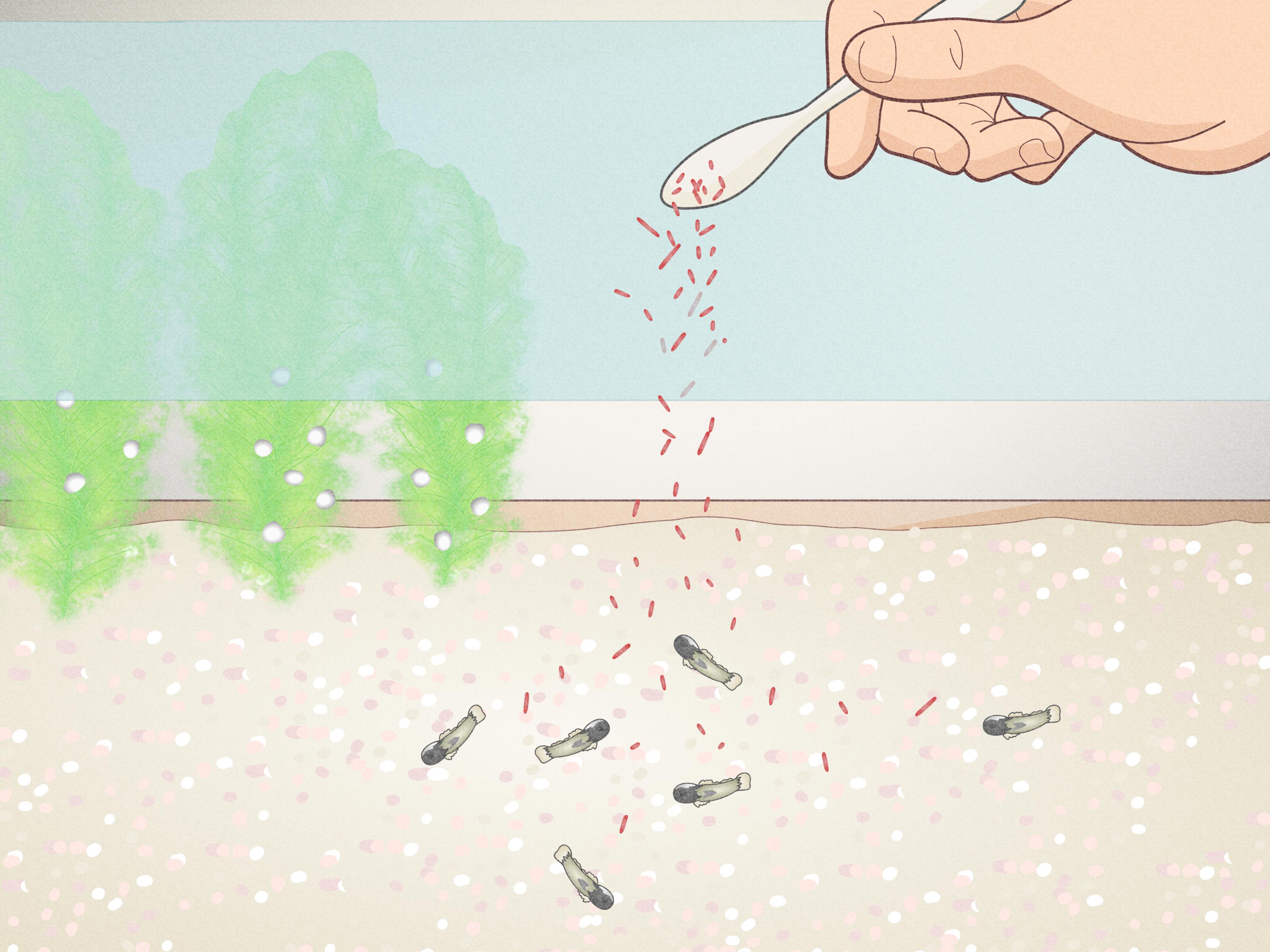
Once the fry absorb their yolk sacs and begin searching for food, offer tiny meals. Good first foods include infusoria, microworms, vinegar eels, powdered fry food, and newly hatched baby brine shrimp once the fry are large enough. For many Corydoras fry, live microfoods produce strong growth because they move and trigger feeding behavior.
Feed very small amounts several times a day if possible. The goal is to keep fry bellies lightly full without turning the tank into soup. A mature tank with moss and biofilm can help because fry graze on microorganisms between feedings. This is one reason planted fry tanks often outperform sterile setups.
Step 12: Keep Fry Water Clean and Stable
Fry grow best in clean water, but they also dislike sudden changes. Perform small, frequent water changes using water that matches the tank temperature and parameters closely. Use airline tubing as a gentle siphon so you do not accidentally vacuum up fry. A flashlight can help you spot them before cleaning the bottom.
A sponge filter should run continuously, and the tank should be well oxygenated. Remove uneaten food, dead eggs, and waste. The first few weeks are the most delicate. Once fry are eating well and growing, they become much easier to manage. At that point, they shift from “microscopic commas with tails” to recognizable baby cories.
Step 13: Grow Out and Rehome Young Corydoras Responsibly
As the young Corydoras grow, move them to a larger grow-out tank if the original setup becomes crowded. Continue feeding a varied diet: crushed sinking pellets, baby brine shrimp, microworms, frozen foods sized appropriately, and high-quality prepared foods. Maintain soft substrate or a bare bottom and keep water quality high.
Do not sell, trade, or give away fry too early. Wait until they are strong, feeding confidently, and large enough to handle transport safely. Keep species separate if you are breeding more than one type of Corydoras, because some closely related species may hybridize. Responsible breeding protects both the fish and the hobby.
Common Mistakes When Breeding Corydoras
Using Sharp Substrate
Sharp gravel can damage barbels and make Corydoras less comfortable. Fine sand or a bare-bottom breeding tank is safer and easier to clean.
Leaving Eggs in a Community Tank
Community tanks are full of egg thieves. Tetras, rasboras, adult cories, shrimp, and snails may all investigate the eggs with suspicious enthusiasm. Protect the eggs if you want a high survival rate.
Overfeeding Fry
Fry need frequent food, but tiny stomachs mean tiny portions. Overfeeding causes poor water quality, which kills fry faster than hunger in many beginner setups.
Changing Water Too Aggressively
Clean water is essential, but sudden changes in temperature, pH, or hardness can stress eggs and fry. Small, matched water changes are safer than dramatic corrections.
Expecting Every Egg to Hatch
Not every egg will be fertile. Some will turn white, fungus, or fail to develop. That is normal. Focus on protecting the healthy eggs and improving conditions for the next spawn.
Best Foods for Conditioning and Fry Growth
Adult Corydoras should receive a varied diet before breeding. Sinking pellets are convenient, but breeding condition improves when you add frozen or live foods. Bloodworms, daphnia, brine shrimp, and high-quality gel or frozen blends can help females produce eggs and encourage males to become more active.
For fry, food size matters more than brand name. Infusoria and microorganisms are useful for the tiniest fry. Microworms are easy to culture and stay alive in water long enough for fry to find them. Newly hatched baby brine shrimp are excellent once fry can handle them. Powdered fry foods can help, but they can also foul the water quickly, so use them lightly.
Example Breeding Schedule
Here is a simple sample schedule for a beginner breeding project. During week one, move a healthy group of six to eight Corydoras into a clean, cycled breeding tank. Feed a varied diet and keep the lights moderate. During week two, continue conditioning and perform regular maintenance. When females look plump, do a large cool water change in the evening and increase aeration.
The next morning, watch for chasing and spawning. If eggs appear, remove the adults or move the eggs to a protected breeder box. Over the next several days, inspect the eggs, remove white ones, and keep water clean. After hatching, wait until the fry absorb their yolk sacs. Then begin feeding tiny foods two to four times daily while doing careful small water changes. By weeks three and four, healthy fry should become more active and visibly cory-shaped.
Experience Notes: What Breeding Corydoras Teaches You
Breeding Corydoras teaches patience more than anything else. Many aquarists set up a perfect breeding tank, feed frozen foods like they are preparing a royal banquet, perform the classic cool water change, and then nothing happens. The cories simply continue sifting sand as if they did not receive the memo. Then, two weeks later, after an ordinary maintenance day, eggs appear all over the front glass. Corydoras have excellent comic timing.
One useful lesson is that consistency beats constant tinkering. Cories usually spawn when they feel safe, well-fed, and physically ready. If you keep changing the tank every day, swapping decorations, adjusting temperature, or testing five different “secret tricks,” the fish may become stressed instead of romantic. A quiet tank with clean water, gentle flow, good food, and a stable routine often works better than an over-engineered setup.
Another real-world experience is that egg placement can be wildly inconvenient. You may provide beautiful Java moss, a perfect spawning mop, and broad plant leaves, only for the female to glue eggs to the filter intake or the hardest-to-reach corner of the aquarium. This is why simple breeding tanks are so helpful. The fewer obstacles you have, the easier it is to collect eggs without turning the tank into a wrestling match between you and a sponge filter.
Fry care also teaches restraint. New breeders often lose fry because they feed too much too soon. Tiny fry need tiny food, and the water must stay clean. A light feeding of microworms or infusoria is helpful; a snowstorm of powdered food is not. If the tank smells odd, looks cloudy, or has food sitting on the bottom, reduce feeding and improve maintenance. Cory fry are tough once established, but the first days are delicate.
It is also normal to have mixed results. Your first spawn may produce 80 eggs and only 10 fry. That does not mean you failed. It means you learned. Maybe the eggs needed more flow. Maybe the fry food was too large. Maybe the water changes were too sudden. Each batch gives you information. Experienced breeders are not magicians; they are simply people who made enough mistakes to recognize them earlier.
Finally, breeding Corydoras changes how you watch your aquarium. You begin noticing body shape, feeding response, group behavior, oxygen levels, and tiny changes in water quality. You stop seeing cories as “cleanup fish” and start seeing them as active, social animals with fascinating breeding behavior. And when the first baby cory scoots across the bottom like a speck of pepper with fins, all the careful siphoning, tiny feedings, and egg inspections suddenly feel worth it.
Conclusion
Breeding Corydoras fish is achievable for beginners, but it rewards careful preparation. Start with a healthy group, condition them with quality foods, mimic rainy-season conditions with a cool water change, and protect the eggs from hungry tankmates. Once the fry hatch, focus on tiny foods, gentle filtration, and clean, stable water.
The process is part science, part observation, and part comedy show starring whiskered little catfish. Not every egg will hatch, and not every spawn will be perfect, but each attempt improves your skill. With patience and good husbandry, your aquarium can go from a peaceful cory community to a thriving nursery full of tiny bottom-dwellers discovering the world one grain of sand at a time.