Note: This article is written from synthesized public information about Danby Draws, Daniel Murrell, webcomic culture, creator interviews, and online comic publishing trends. Source links are intentionally not inserted, as requested.
Some comics politely tap you on the shoulder and say, “Here is a joke.” Others kick open the door, release a raccoon in a tiny wizard hat, and somehow still land the punchline with perfect timing. The comics of Danby Draws, created by Southern California artist Daniel Murrell, belong proudly in the second category.
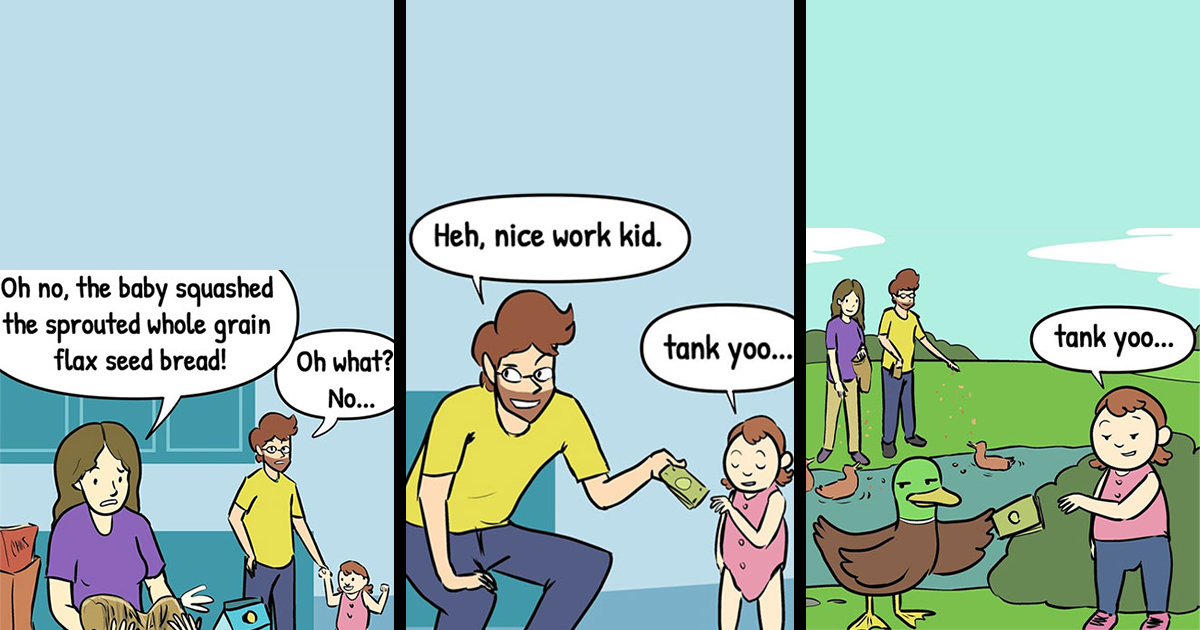
Best known for colorful, gag-a-day comics packed with absurd turns, nerdy references, and cheerful chaos, Danby Draws has built a loyal online audience by doing something deceptively difficult: making short comics feel complete, surprising, and emotionally light without becoming predictable. These 32 hilarious and unexpected comics are not just quick internet snacks. They are tiny storytelling traps, and we mean that as a compliment.
At first glance, Daniel’s work looks friendly and approachable. Bright colors, expressive characters, clean outlines, and everyday setups invite readers in. Then the final panel arrives, flips the table, apologizes to the table, and leaves you laughing. That combination of warmth and weirdness is exactly why his comics work so well in the fast-moving world of webcomics.
Who Is the Artist Behind Danby Draws?
Daniel Murrell is the artist behind Danby Draws Comics, a webcomic series that focuses on life, family, games, geek culture, and the kind of random thoughts that usually appear right before bedtime when your brain refuses to act like a responsible adult. His comics began gaining attention during the pandemic era, when many artists started sharing more work online and readers were desperately looking for small, bright escapes.
The official description of Danby Draws presents it as a “gag-a-day” comic, which is a classic format with a modern social-media engine. The idea is simple: tell a complete joke or mini-story in a compact strip. The execution, however, is where things get tricky. A good gag comic must introduce an idea, guide the reader’s expectations, and then deliver a twist before attention wanders off to a recipe video, a dog wearing shoes, or a comment section behaving badly.
Daniel’s comics often succeed because they are built on contrast. A familiar situation suddenly becomes strange. A sweet moment turns mischievous. A fantasy concept gets treated like a boring office meeting. A serious-looking character may say something wonderfully ridiculous. The joke usually lands because the reader recognizes the setup, then gets ambushed by the ending.
Why These Comics Feel So Unexpected
Unexpected humor is not random noise. It has structure. The best twist comics make readers think, “I did not see that coming, but somehow it makes perfect sense.” Danby Draws understands that delicate balance. The comics do not simply throw nonsense at the wall and hope a laugh sticks. They create a small promise, then break it in a satisfying way.
For example, Daniel has discussed changing his visual style depending on what a comic needs. One comic may use a more exaggerated, cartoony style if the joke involves a character doing something physically impossible, such as turning his head in a bizarre, owl-like direction. Another comic may lean slightly more realistic if the humor comes from placing absurd dialogue inside a grounded setting. That flexibility keeps the series fresh. It also shows that the artist is not just drawing jokes; he is directing them.
That is the secret sauce. The punchline is not only in the words. It is in the staging, the facial expressions, the color choices, the pacing, and the exact amount of silence between panels. In a Danby Draws comic, a blank stare can do the work of an entire paragraph. Honestly, some of us would like to send those blank stares as professional email responses.
The Art Style: Bright, Clean, and Sneakily Expressive
One of the first things readers notice about Danby Draws is the bold, readable art style. The characters are expressive without being overcomplicated. The panels are clean. The colors are vivid. The overall design works well on mobile screens, which is essential for webcomics today. If a joke requires the reader to pinch-zoom like they are studying a treasure map, the magic disappears.
Daniel has named comic artists such as Bill Watterson and Kris Straub among his influences. That makes sense. Watterson’s Calvin and Hobbes is famous for lively expressions, adventurous imagination, and the emotional range hidden inside a small comic strip. Straub’s work, meanwhile, shows how webcomics can develop a distinct voice online, blending humor, weirdness, and genre awareness. Danby Draws does not copy those influences; it absorbs the lesson that a short comic can be both playful and carefully built.
The thick outlines, energetic poses, and bright digital colors help the comics stand out in crowded feeds. But the style is not merely decorative. It supports the rhythm of the joke. A character’s eyebrows, posture, or sudden stillness can prepare the reader for a punchline before the words arrive. That is visual comedy doing its job while pretending it is just standing there looking cute.
The Themes: Life, Family, Games, and Nerdy Culture
Danby Draws often pulls humor from ordinary life, but it rarely stays ordinary for long. Everyday conversations can drift into fantasy logic. Family moments may take a sharp comic turn. Gaming references appear naturally, not as forced “hello, fellow nerds” decorations. Geek culture is part of the comic’s vocabulary, but the jokes are usually broad enough for casual readers to enjoy.
This matters for SEO and audience growth because webcomics thrive when they feel specific but accessible. A comic that is too generic vanishes into the internet soup. A comic that is too niche may delight a tiny group while confusing everyone else. Danby Draws sits in the sweet spot: nerdy enough to have personality, simple enough to be shared by someone who just wants a quick laugh before returning to their inbox battlefield.
Common related keywords for this kind of content include funny comics, unexpected ending comics, webcomic artist, gag-a-day comics, digital comics, nerdy humor, and comic strips. These phrases fit naturally because they describe what the audience is actually searching for: short, visual humor with a twist.
Why Short Comics Are Harder Than They Look
People sometimes assume that short comics are easy because, well, they are short. This is like assuming a cupcake is easy because it is smaller than a wedding cake. Then you burn the frosting, forget the sugar, and somehow invent a biscuit with trust issues.
Short comics demand compression. The artist has only a few panels to introduce the situation, establish tone, build expectation, and deliver the payoff. There is no room for long explanations. Every line must earn its place. Every drawing must communicate quickly. Even the panel layout has to guide the reader’s eye in the right order.
Daniel has shared that his comics may take several hours to complete, especially when the artwork becomes more detailed. That tracks with the craft involved. A finished comic may look effortless, but the process often includes brainstorming, sketching, refining the joke, testing the timing, drawing the final art, coloring, lettering, and then making sure the ending still works after the creator has stared at it long enough to question the meaning of chairs.
The Power of the Final Panel
In unexpected comics, the final panel is the trapdoor. Everything before it is the hallway leading the reader toward a conclusion. The best punchlines do not simply contradict the setup; they reframe it. Suddenly, the reader understands the entire scene differently. That small mental flip is where the laugh happens.
Danby Draws often uses this technique beautifully. A conversation may seem normal until a detail reveals that the situation is much stranger than expected. A character may behave logically inside a completely absurd premise. Or the comic may begin with fantasy and end with painfully relatable human behavior. The surprise is not always loud. Sometimes it is quiet, dry, and just rude enough to make you snort.
This is why readers keep scrolling through collections of Danby Draws comics. Each strip creates a tiny bet: “Can I guess where this is going?” The answer is usually no. But losing that bet is the fun part.
How Danby Draws Fits the Modern Webcomic Scene
Modern webcomics live in a different world from newspaper strips. Today, artists publish across platforms such as Instagram, Facebook, Reddit, Threads, Tumblr, personal websites, and Patreon-style communities. Readers discover comics through shares, reposts, screenshots, recommendation feeds, and friends who send messages like “this is us” at 1:12 a.m.
Danby Draws is well suited to that environment because the comics are compact, colorful, and instantly understandable. A reader does not need to know a long backstory or follow years of continuity. They can jump into one comic, laugh, and decide to follow for more. That low barrier makes the work highly shareable.
At the same time, Daniel’s recurring tone gives the series identity. The comics are not random in the sloppy sense. They are random in the delightful “who put a philosophical crisis inside this joke about mountain lions?” sense. That combination of consistency and surprise is valuable online, where audiences want both familiarity and novelty.
Why Readers Connect With Hilarious, Unexpected Comics
People love unexpected comics because they offer a quick emotional reset. You may arrive tired, annoyed, or mentally flattened by a meeting that could have been an email and an email that could have been a nap. Then a four-panel comic gives your brain a tiny vacation.
The humor in Danby Draws is often lighthearted, but that does not make it shallow. Comedy can be a way of noticing life from a stranger angle. A good comic says, “Yes, the world is weird. Look, I made it into panels.” That recognition is comforting. It tells readers that someone else is also paying attention to the ridiculous machinery of everyday life.
Unexpected endings also create a small burst of participation. The reader mentally fills in the expected ending, then the comic reveals another path. That surprise makes the audience feel involved rather than passive. In a world overflowing with content, involvement is gold.
What Creators Can Learn From Danby Draws
1. Make the Setup Clear
A twist only works when readers understand what is being twisted. Danby Draws usually starts with a clean, recognizable setup. The scene is simple enough to follow immediately, which gives the punchline room to swerve.
2. Let the Art Carry the Joke
Not every funny moment needs a speech bubble. Facial expressions, posture, panel size, and visual contrast can all deliver humor. Daniel’s expressive characters often make the punchline sharper because readers can feel the reaction before they analyze it.
3. Keep Experimenting Without Losing Your Voice
Daniel has experimented with more vivid colors and different levels of cartooning depending on the joke. That kind of flexibility helps a long-running webcomic avoid creative dust. The trick is to experiment while keeping the emotional signature recognizable.
4. Make the Reader Feel Something
Even silly comics benefit from emotional clarity. A joke can be absurd, but the reaction should feel human. Confusion, pride, panic, smugness, embarrassment, and tiny victories all make comics more relatable.
Experiences Related to “This Artist Is The Mastermind Behind These 32 Hilarious, Yet Unexpected Comics”
Reading a collection like “This Artist Is The Mastermind Behind These 32 Hilarious, Yet Unexpected Comics” feels a little like opening a mystery box where the mystery is mostly “why am I laughing at this?” That is the charm. You start with one comic, planning to be responsible. Then suddenly you are fifteen comics deep, your coffee is cold, and you are emotionally invested in a cartoon character’s questionable decision-making skills.
The experience is especially enjoyable because Danby Draws comics are easy to read but not disposable. Each strip offers a small surprise, and those surprises stack into a recognizable creative personality. After a while, readers begin to anticipate the unexpected. That sounds impossible, but it is exactly what strong comic voices do. You may not know the punchline, but you know the ride will be strange in a friendly way.
For anyone who has tried making comics, Daniel’s work is also a reminder that simple does not mean easy. A four-panel comic can expose every weak spot in a joke. If the setup is muddy, the punchline falls flat. If the art is too busy, the reader misses the timing. If the dialogue explains too much, the joke starts wearing a name tag that says “Hello, I Am Comedy.” Danby Draws avoids that by staying visually clear and trusting the reader to make the leap.
There is also a personal comfort in this kind of humor. The comics often feel like they are created by someone who genuinely wants to brighten the reader’s day. They are not trying too hard to be edgy, profound, or algorithmically engineered for maximum viral combustion. They are playful. They are odd. They are bright little cartoon machines built to produce a smile. In the current internet climate, that is basically a public service with speech bubbles.
These comics also work well as shared experiences. You can send one to a friend without needing to explain a whole universe of characters. A single strip can say, “This made me think of you,” “This is exactly our family,” or “I have no explanation, but please look at this weird thing immediately.” That shareability is one reason webcomics remain powerful. They are compact pieces of culture that travel quickly from one screen to another.
From a reader’s perspective, the best way to enjoy these 32 comics is slowly enough to notice the craft. Look at how the first panel frames the expectation. Notice when the art style shifts to match the joke. Pay attention to the final expression, the little background detail, or the pause before the punchline. The more you notice, the funnier the comics become. It is like discovering that the magician’s sleeves are also telling jokes.
From a creator’s perspective, Danby Draws is encouraging because it proves that a clear voice can grow from consistency, curiosity, and practice. Daniel began by sharing work online, improving over time, and building an audience around humor that feels both accessible and distinctive. That path is not glamorous in the movie-montage sense. There are no explosions unless you draw them yourself. But it is real, and for many artists, it is the most sustainable path there is.
Ultimately, the experience of reading Danby Draws is the experience of being pleasantly fooled. You think you know where the joke is heading. You are wrong. Then you laugh, forgive the comic for tricking you, and click to the next one like a person with no regrets and possibly several browser tabs open.
Conclusion
Danby Draws stands out because Daniel Murrell understands the beautiful mechanics of short-form comic storytelling. His work combines bright digital art, expressive characters, nerdy humor, everyday situations, and final-panel twists that sneak up on readers with excellent comic timing. These 32 hilarious, unexpected comics show why online audiences keep coming back to artists who can make the internet feel a little lighter, one absurd punchline at a time.
In a crowded webcomic world, Daniel’s strength is not just that he can draw funny situations. It is that he can make those situations feel complete in only a few panels. He gives readers a setup, a surprise, and a reason to smile before the next scroll. That may sound simple, but it takes patience, skill, and a very healthy relationship with weird ideas.
So yes, “mastermind” is the right word. Not in the villain-lair sense, although a cartoon volcano base would be a strong brand move. Daniel Murrell is a mastermind of small comic surprises: the kind that arrive cheerfully, behave unpredictably, and leave readers thinking, “Okay, just one more.” Famous last words, of course.