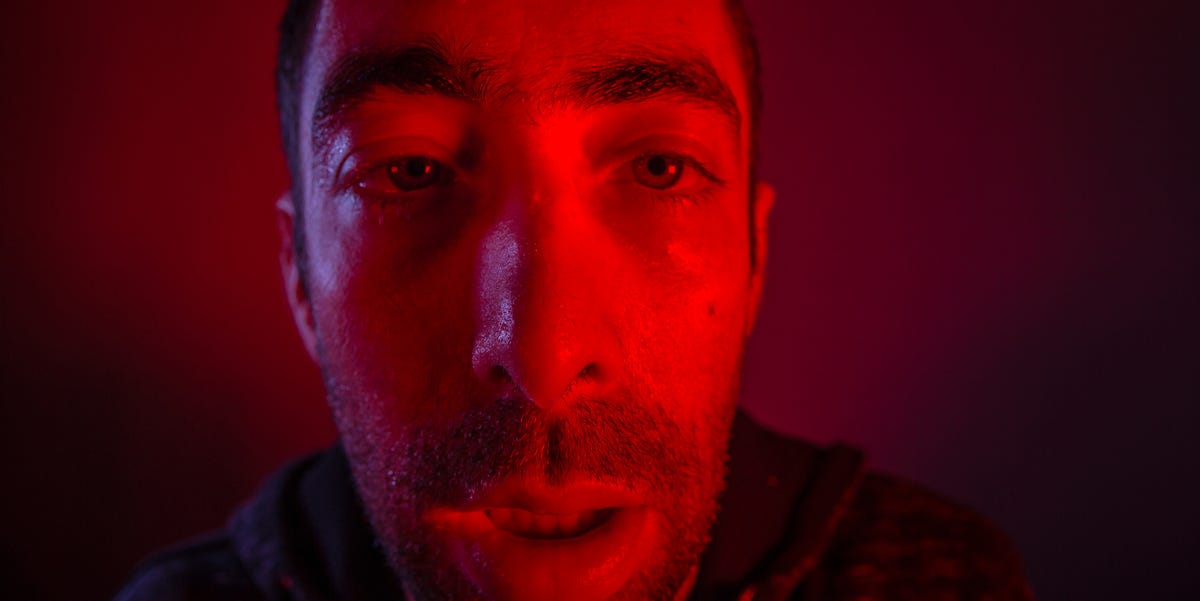
Everyone has at least one memory that can make the stomach tighten years later. Maybe it involved a car sliding toward a guardrail, a child disappearing in a crowded store, a strange noise downstairs at 2:00 a.m., or a doctor suddenly using the phrase “medical emergency.” Whatever happened, the moment probably divided time into two neat categories: life before it and life after it.
Terrifying experiences are not always dramatic enough for a disaster movie. Sometimes the danger lasts only a few seconds. Sometimes nobody else even notices. Yet the brain may record the event with absurd clarity: the song playing on the radio, the color of the walls, the smell of rain, or the half-eaten sandwich sitting nearby like an innocent witness.
So, Pandas, what was the most terrifying moment of your life? Before sharing your own story, let us explore why frightening experiences feel so powerful, which situations commonly leave lasting impressions, and what can help people regain a sense of safety afterward.
Why Terrifying Moments Feel Different From Ordinary Memories
When the brain detects a serious threat, it does not politely schedule a meeting to discuss the options. It activates the body’s survival response. Heart rate may increase, breathing can become faster, muscles tense, and attention narrows toward whatever appears dangerous. People often describe this as the fight-or-flight response, although freezing, hiding, appeasing, and becoming emotionally numb are also possible reactions.
This response can be lifesaving. It helps a driver slam on the brakes, a parent sprint toward a child, or a hiker move away from a falling branch before consciously analyzing the situation. Unfortunately, the same system can make time feel distorted. Five seconds may seem like five minutes, while an entire emergency may later appear as a confusing blur.
Fearful memories may also return unexpectedly because the brain connects danger with surrounding details. A smell, sound, date, weather condition, or location can act as a reminder. Research on fear and traumatic memory has linked these processes to networks involving the amygdala, hippocampus, and other parts of the brain responsible for emotion, context, and memory.
That does not mean every terrifying experience causes post-traumatic stress disorder. Feeling shaken, irritable, distracted, sad, watchful, or unable to sleep can be a normal short-term reaction. Many people gradually recover with time and support, although persistent or worsening symptoms may deserve professional attention.
The Most Common Types of Terrifying Life Experiences
Near-Miss Accidents
Near-misses are especially unsettling because they reveal how thin the line between an ordinary day and a catastrophe can be. One moment, someone is driving home while wondering what to cook for dinner. The next, a truck crosses the centerline, a tire blows out, or a pedestrian steps into the road.
People who survive these incidents often remember tiny details that seem strangely irrelevant. They may recall the dashboard clock, a coffee cup lifting out of its holder, or the complete silence immediately after the vehicle stopped. The body may shake once the danger has passed because its emergency energy has nowhere else to go.
Basic precautions cannot prevent every collision, but they can change the outcome. According to the National Highway Traffic Safety Administration, wearing a seat belt in the front seat of a passenger car substantially reduces the risk of fatal and serious injury. Avoiding distracted, impaired, and drowsy driving also removes preventable hazards from an already unpredictable environment.
Medical Emergencies
A medical crisis can be terrifying because it combines danger with uncertainty. Chest pain, severe bleeding, difficulty breathing, an allergic reaction, or an unconscious loved one can transform a familiar room into a scene of total confusion.
For many people, the worst part is helplessness. They may not know what is happening, whether help will arrive in time, or whether they are making the correct decisions. Even after the patient recovers, family members can remain alert to every cough, pause, or unusual expression. The nervous system has apparently appointed itself head of security and refuses to take a vacation.
Learning first aid, knowing how to contact emergency services, keeping important medical information accessible, and understanding when symptoms require immediate care can provide a small but valuable sense of control. Preparation does not eliminate fear; it gives fear a job to do.
Severe Weather and Natural Disasters
Tornadoes, hurricanes, wildfires, earthquakes, flash floods, and severe thunderstorms are frightening partly because they make human beings feel very small. A roof may shake. The sky may turn an unnatural color. Power can fail while emergency alerts begin screaming from every phone in the house.
Weather emergencies also create difficult choices under pressure. Should the family evacuate or shelter in place? Where is the pet? Did anyone pack the medication? Why is one household member suddenly searching for a phone charger as if electricity has not just resigned?
Public-safety agencies recommend creating a family communication plan, identifying evacuation routes and shelter locations, preparing essential supplies, and enabling reliable emergency alerts. During flash flooding, people should move to higher ground and avoid entering floodwater on foot or in a vehicle. During severe thunderstorms and tornado threats, a sturdy building generally offers better protection than an exposed outdoor location.
Losing Sight of a Child or Loved One
Few moments produce panic as quickly as looking down and realizing that a child is no longer beside you. Crowded stores, beaches, festivals, airports, and amusement parks can become enormous mazes in an instant.
During the search, the mind may generate increasingly frightening possibilities. Then, when the missing person is found behind a clothing rack or staring happily at a fountain, relief may arrive mixed with anger, tears, and an intense desire to attach a tracking device to everyone in the family.
The event might last only a minute, but the person searching often remembers it for decades. This is a powerful example of how terror is measured not only by duration but by what a person believes could be lost.
Home Intrusions and Unexplained Noises
A home is supposed to represent safety, which is why a possible intrusion feels so violating. A broken window, turning doorknob, unfamiliar shadow, or alarm notification can instantly change a comfortable space into unfamiliar territory.
Not every midnight noise indicates danger. Pipes knock, branches scrape walls, pets launch secret demolition projects, and refrigerators occasionally make sounds suggesting they are opening portals to another dimension. Still, people should not investigate suspicious activity recklessly. Moving to a secure location and contacting emergency services is safer than confronting a possible intruder for the sake of proving bravery.
Sleep Paralysis and Nighttime Terror
Some terrifying experiences occur while a person is caught between sleep and wakefulness. During sleep paralysis, someone may become aware of the room but be temporarily unable to move or speak. Some people also report a sense of pressure, a nearby presence, or vivid dreamlike imagery.
The experience can feel supernatural, especially when someone does not know what is happening. Medically, however, sleep paralysis is associated with the transition into or out of sleep, when normal muscle immobility connected with dreaming briefly continues while awareness returns. Episodes are generally short, but recurring events should be discussed with a healthcare professional, particularly when accompanied by severe daytime sleepiness or other sleep problems.
What People May Feel After the Danger Ends
Surviving the event does not always make the fear disappear immediately. Some people feel relieved and grateful. Others become numb, restless, angry, exhausted, guilty, or unusually emotional. A person may repeatedly replay the event and wonder whether a different decision would have changed the outcome.
Physical reactions are also common. These can include a pounding heart, rapid breathing, trembling, sweating, headaches, stomach discomfort, or difficulty sleeping. Certain people want to discuss every detail, while others cannot tolerate questions about what happened. Neither response automatically means something is wrong. Human beings do not come with identical recovery settings.
Anniversaries, similar locations, news coverage, sirens, weather conditions, and familiar sounds may reactivate old emotions. Someone who survived a crash in heavy rain may become tense whenever the road turns wet. A person rescued from flooding may closely monitor every storm. These reminders can weaken over time, especially when people regain a sense of control and safety.
How to Recover After a Terrifying Experience
Return to Basic Routines
Regular meals, hydration, movement, and sleep may sound almost insultingly simple after a life-changing event. Nevertheless, predictable routines tell the body that the immediate emergency has ended. Recovery is difficult when the nervous system is exhausted, underfed, and surviving mainly on coffee and alarming internet searches.
Talk to Someone You Trust
Support from family, friends, community members, healthcare professionals, or counselors can reduce isolation. A helpful listener does not need to solve the event. Often, the most useful response is simply, “That sounds terrifying. I’m glad you’re here.” Social support is repeatedly emphasized in guidance on trauma and disaster recovery.
Limit Repeated Exposure
After a disaster or public tragedy, repeatedly watching upsetting footage can keep the nervous system activated. Staying informed is useful; consuming the same frightening images for hours is rarely more informative. Setting boundaries around news and social media may make it easier to rest and regain perspective.
Use Simple Grounding Techniques
When fear returns, focusing on the present can help. A person might slow the breath, place both feet on the floor, name objects visible in the room, hold something cool, or remind themselves aloud that the danger is over. These exercises are not magic spells, but they can interrupt the feeling that the past is happening again.
Seek Help When Symptoms Persist
Professional support may be appropriate when nightmares, intrusive memories, panic, avoidance, emotional numbness, substance use, or constant alertness continue, worsen, or interfere with work, relationships, sleep, or daily responsibilities. Effective trauma-focused treatments are available, and asking for help is not evidence of weakness. It is evidence that the “handle everything alone” strategy has finally been reviewed by management.
How to Share a Terrifying Story Without Harming Yourself or Others
Community prompts can encourage meaningful conversations, but nobody owes the internet their most painful memory. Before posting, consider whether telling the story feels relieving, overwhelming, or unsafe. It is acceptable to remove identifying details, skip graphic descriptions, or decide not to share at all.
When responding to another person’s frightening experience, avoid turning the comments into a courtroom. Statements such as “Why didn’t you run?” or “I would have handled it differently” ignore how quickly emergencies unfold. A compassionate response recognizes survival rather than grading performance.
Humor can be part of recovery, too. Many people joke about an absurd detail because laughter gives them temporary control over the memory. The key is allowing survivors to set the tone. Laughing with someone can be comforting; laughing at their fear usually earns a permanent invitation to leave the conversation.
Five Terrifying Experiences That Capture the Question
The following reader-style snapshots are fictionalized composites based on common types of frightening experiences. They are not direct quotations or claims about specific individuals.
1. The Car That Would Not Stop
I was driving downhill when the brake pedal suddenly felt wrong. It went nearly to the floor, and the car continued gaining speed. There was traffic ahead, a steep shoulder beside me, and nowhere that looked remotely friendly.
I shifted into a lower gear, pressed the brakes repeatedly, turned on the hazard lights, and eventually guided the car onto an uphill side road. When it finally stopped, I sat there gripping the steering wheel so tightly that my hands hurt. The entire emergency probably lasted less than a minute. In my memory, it occupied a full geological era.
The strangest detail was the radio. A cheerful commercial was advertising discounted patio furniture while I was mentally preparing to become a cautionary local-news headline. For months afterward, every unfamiliar sound from a car made my stomach drop.
2. Thirty Seconds in the Deep End
At a family gathering, I noticed my young nephew was no longer playing beside the pool. Everyone began searching in different directions. Then I saw a small shape below the water near the deep end.
I jumped in fully dressed and pulled him up. He coughed, cried, and immediately tried to cling to me. Adults called for medical help while I stood there shaking so hard that I could barely speak. He recovered, but I kept seeing the moment I first spotted him underwater.
People later said I had reacted quickly. I did not feel brave. I felt as though my body had moved before the rest of me arrived. Even now, I cannot relax near a pool unless I know exactly where every child is.
3. The Tornado Warning at Midnight
The emergency alert sounded shortly after midnight. Wind was slamming rain against the windows, and the lights flickered while we moved into an interior bathroom with our dog, shoes, flashlights, and a pile of blankets.
Then came a deep roaring sound. It did not resemble a train so much as the entire sky dragging heavy furniture across the roof. The dog stopped whining, which somehow made everything worse.
The tornado passed nearby without destroying our house, although trees and power lines fell across the neighborhood. Sitting in that cramped bathroom changed the way I understand preparedness. Emergency plans had previously seemed like paperwork created by people who enjoyed labeling storage bins. After that night, I became one of those people.
4. The Disappearing Child
My daughter let go of my hand in a crowded store. I turned toward a shelf for only a moment, and when I looked back, she was gone.
I called her name, checked the nearest aisles, and asked an employee to alert security. My thoughts became darker with every second. After what felt like an hourbut was probably two minutessomeone found her sitting inside a display tent in the camping section. She believed she had discovered a tiny house and could not understand why several adults were crying.
I hugged her, scolded her, hugged her again, and bought absolutely nothing from that store because my shopping list had ceased to exist. Years later, the memory can still make my heart race.
5. Awake but Unable to Move
I opened my eyes and saw my bedroom exactly as it should have been, except I could not move. I tried to lift my arm and call out, but nothing happened. A dark shape seemed to be standing near the doorway.
The episode lasted only seconds. Once I could move, the shape became a coat hanging on the door. My brain, apparently dissatisfied with ordinary clothing storage, had briefly promoted it to supernatural intruder.
Learning about sleep paralysis made the experience less mysterious, although not exactly enjoyable. During later episodes, I focused on breathing and reminded myself that movement would return. Understanding what was happening did not eliminate the fear, but it stopped the fear from writing the entire story.
Conclusion: Fear Reveals What Matters Most
The most terrifying moment of a person’s life may involve danger, helplessness, uncertainty, or the possibility of losing someone important. Although the details vary, many stories share the same emotional core: an ordinary day suddenly becomes fragile.
These experiences can leave behind vivid memories and unexpected reactions. They can also reveal courage that people did not know they possessed. Courage does not always look cinematic. Sometimes it is calling for help, following an evacuation plan, performing first aid, returning to the driver’s seat, attending therapy, or finally telling a trusted person what happened.
So, Pandas, what was the most terrifying moment of your life? Share only what feels safe, respect the experiences of others, and remember that survival does not require a perfect performance. In a true emergency, getting through the moment is enough.