Note: This article is for educational purposes only and does not replace medical advice, diagnosis, or treatment. A suspected blood clot should always be evaluated by a qualified healthcare professional.
What Is Cephalic Vein Thrombosis?
Cephalic vein thrombosis is a blood clot that forms in the cephalic vein, one of the major superficial veins of the arm. The cephalic vein runs along the thumb-side of the forearm and upper arm, helping return blood from the hand and arm back toward the heart. Because it sits relatively close to the skin, it is often used for IV lines, blood draws, and certain medical access procedures. Convenient? Yes. Completely drama-free? Not always.
When a clot forms in this vein, the condition is often considered a type of upper-extremity superficial vein thrombosis, sometimes called superficial thrombophlebitis. “Thrombo” means clot, “phlebitis” means vein inflammation, and together they describe a vein that has become irritated, inflamed, and partially or fully blocked by a clot.
In many cases, cephalic vein thrombosis is less dangerous than a deep vein thrombosis, or DVT, because the cephalic vein is superficial rather than deep. However, “less dangerous” does not mean “ignore it and hope your arm becomes reasonable again.” A clot in the arm can sometimes extend, occur alongside a deeper clot, or signal another medical issue. That is why new arm swelling, pain, redness, warmth, or a hard cord-like vein deserves medical attention.
Cephalic Vein Thrombosis vs. Deep Vein Thrombosis
The arm has both superficial and deep veins. The cephalic vein is superficial, while deeper veins include the brachial, axillary, and subclavian veins. A clot in a superficial vein is usually more localized and often causes obvious tenderness, redness, warmth, and a firm vein under the skin. A deep vein clot may cause more generalized arm swelling, heaviness, bluish discoloration, and a higher risk of pulmonary embolism if part of the clot travels to the lungs.
This distinction matters because treatment can differ. A small, limited cephalic vein clot after an IV may be managed with conservative care, while a clot involving deeper veins may require anticoagulant medication, closer monitoring, and additional testing. The body does not label clots with helpful stickers, unfortunately, so ultrasound is often used when the diagnosis is uncertain or symptoms are more severe.
Common Symptoms of Cephalic Vein Thrombosis
Symptoms may appear suddenly or gradually. Some people notice discomfort after an IV line, blood draw, injury, workout, or long period of arm pressure. Others simply wake up and discover their arm has decided to host a tiny vascular protest.
Localized Arm Pain or Tenderness
Pain is one of the most common symptoms. It may feel sore, aching, tight, burning, or tender to touch. The discomfort often follows the path of the vein, especially along the outer forearm, elbow crease, or upper arm on the thumb-side.
Redness or Skin Discoloration
The skin over the affected vein may look red, pink, purplish, or darker than usual, depending on skin tone. Redness that spreads quickly, becomes very hot, or comes with fever may suggest infection or another complication and should be checked promptly.
Warmth and Swelling
Inflammation can make the area feel warm. Mild swelling may stay close to the vein, but swelling of the whole hand, forearm, or arm can be a warning sign that a deeper clot or another circulation problem may be present.
A Firm, Cord-Like Vein
A classic sign of superficial vein thrombosis is a hard, rope-like vein under the skin. It may feel like a tender cord. Normal veins are usually soft and compressible; a thrombosed superficial vein may feel firm because blood has clotted inside it.
Limited Arm Movement
Some people avoid moving the arm because bending the elbow, lifting objects, or extending the wrist pulls on the sore area. Mild stiffness can happen, especially if the clot is near the elbow crease or upper arm.
When Symptoms May Be an Emergency
Seek urgent medical care if arm symptoms are accompanied by shortness of breath, chest pain, coughing blood, fainting, sudden dizziness, a racing heartbeat, or severe weakness. These may be signs of a pulmonary embolism or another serious condition.
You should also contact a healthcare provider quickly if you have major arm swelling, blue or pale skin, numbness, rapidly worsening pain, fever, pus near an IV site, red streaking, or symptoms after surgery, cancer treatment, a central line, or a peripherally inserted central catheter. Blood clots are not a “walk it off” situation when red flags show up waving tiny medical banners.
What Causes Cephalic Vein Thrombosis?
Cephalic vein thrombosis can happen when the vein wall is injured, blood flow slows down, or the blood becomes more likely to clot. Doctors often think about clot risk through three broad categories: vessel injury, sluggish blood flow, and increased clotting tendency.
IV Lines, Blood Draws, and Catheters
One of the most common triggers in the arm is irritation from a peripheral IV catheter, repeated needle sticks, medication infusion, or a line that stays in place for a period of time. The cephalic vein is frequently used because it is accessible, but that also means it can become irritated. Certain IV medications can inflame the vein lining, and the catheter itself can disturb blood flow.
Arm Injury or Repetitive Strain
A blow to the arm, heavy lifting, sports activity, or repetitive pressure can injure a superficial vein. Even minor trauma may be enough in someone who already has other clotting risk factors.
Recent Surgery or Hospitalization
Surgery, hospitalization, and reduced movement can increase clot risk. Hospital stays may also involve IV lines, dehydration, inflammation, and medications, which can create a clot-friendly environment. Not exactly the kind of hospitality anyone asked for.
Cancer and Cancer Treatment
Cancer can increase the tendency of blood to clot, and some cancer treatments or central venous access devices can raise the risk further. A new superficial clot without an obvious cause, especially if recurrent or migratory, should be discussed with a clinician.
Hormones, Pregnancy, and Estrogen Exposure
Pregnancy, postpartum changes, estrogen-containing birth control, and hormone therapy can increase clotting tendency in some people. The overall risk depends on personal history, family history, age, smoking, body weight, and other health factors.
Inherited or Acquired Clotting Disorders
Some people have inherited thrombophilias, such as Factor V Leiden, or acquired conditions that make clotting more likely. These are not always tested for after a single provoked superficial clot, but they may be considered if clots are recurrent, unusual, severe, or occur without a clear trigger.
Reduced Movement and Dehydration
Long periods of immobility, illness, dehydration, or restricted arm movement may contribute. Blood likes to flow; when it slows down, clot risk can rise. The circulatory system is basically a river, and rivers do not appreciate traffic jams.
Who Is More Likely to Develop It?
Risk may be higher in people with recent IV placement, recent surgery, hospitalization, cancer, prior blood clots, obesity, smoking, pregnancy, estrogen use, older age, inflammatory conditions, infection, or a family history of clotting disorders. People with central venous catheters, PICC lines, pacemaker wires, or frequent venous access may also have higher risk of upper-extremity thrombosis.
That said, cephalic vein thrombosis can also happen after a very ordinary medical visit or minor injury. A person may have a routine IV, feel fine at first, and later notice tenderness and a hard vein. The key is not panic; the key is appropriate evaluation.
How Doctors Diagnose Cephalic Vein Thrombosis
Diagnosis usually begins with a medical history and physical exam. A healthcare provider may ask when symptoms started, whether there was an IV or injury, whether swelling involves the whole arm, whether there are chest symptoms, and whether the person has clotting risk factors.
Physical Examination
The clinician may look for redness, warmth, tenderness, swelling, a palpable cord, skin changes, and signs of infection. They may compare both arms to see whether one is larger or discolored.
Duplex Ultrasound
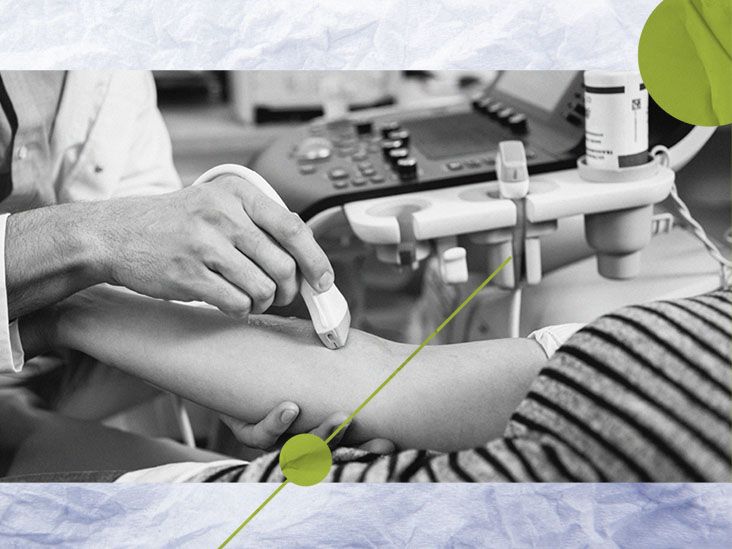
Ultrasound is commonly used when the diagnosis is uncertain, symptoms are extensive, or there is concern for deep vein involvement. Duplex ultrasound can show blood flow and whether a vein is compressible. A thrombosed vein may not compress normally.
Blood Tests
Blood tests are not always needed for a simple superficial clot with an obvious trigger. In some cases, clinicians may order tests to evaluate inflammation, infection, clotting risk, or possible DVT. A D-dimer test may be considered in certain clot evaluations, but it is not specific and can be elevated for many reasons.
Additional Imaging
If symptoms suggest a more serious clot, pulmonary embolism, or central vein obstruction, additional imaging may be needed. This might include CT imaging or specialized venous studies, depending on the situation.
Treatment Options
Treatment depends on the size and location of the clot, symptoms, whether the clot is close to deep veins, whether it was caused by an IV, and the person’s overall risk. Always follow a healthcare provider’s instructions, especially before taking anti-inflammatory medicine or blood thinners.
Conservative Care
For many limited superficial cephalic vein clots, treatment may include warm compresses, arm elevation, gentle movement, and pain control. If an IV catheter is the cause, the line is usually removed or moved. Resting the area can help, but complete immobilization is not always recommended unless a clinician advises it.
Anti-Inflammatory Medication
Nonsteroidal anti-inflammatory drugs, such as ibuprofen or naproxen, may be recommended to reduce pain and inflammation. These medications are not safe for everyone, including some people with kidney disease, stomach ulcers, bleeding risk, heart disease, or those taking blood thinners. Translation: ask before you raid the medicine cabinet like it owes you money.
Compression
Compression is more commonly discussed for leg veins, but in some arm cases, a clinician may recommend a compression sleeve or supportive approach. Compression should not be used if it worsens pain, causes numbness, or if arterial circulation is a concern.
Anticoagulant Medication
Blood thinners may be considered if the clot is extensive, worsening, close to the deep venous system, associated with significant risk factors, or accompanied by DVT. Anticoagulants do not “melt” the clot instantly; they help prevent the clot from growing while the body gradually breaks it down.
Antibiotics
Antibiotics are not used for ordinary clot inflammation unless there is evidence of infection. Fever, pus, spreading redness, severe warmth, or an infected catheter site may require urgent treatment.
Surgery or Procedures
Procedures are uncommon for simple superficial cephalic vein thrombosis. However, severe infection, extensive clotting, central vein involvement, or complications may require specialist care from vascular medicine, hematology, interventional radiology, or vascular surgery.
How Long Does It Take to Heal?
Many superficial vein clots improve over a few weeks, although tenderness or firmness along the vein may last longer. The body slowly remodels the area, inflammation calms down, and nearby veins help carry blood around the affected segment. In some cases, a small firm cord can be felt for weeks or months even after pain improves.
Recovery may take longer if the clot is extensive, if there is infection, if the person has an underlying clotting disorder, or if a deeper vein is involved. Follow-up ultrasound may be recommended when symptoms worsen, fail to improve, or when the initial clot is near a deep vein connection.
Outlook and Possible Complications
The outlook for isolated cephalic vein thrombosis is often good, especially when it is small, clearly related to an IV, and not connected to a deep clot. Most people recover with conservative care and monitoring. The arm may feel annoyed for a while, but it usually forgives you eventually.
Possible complications include clot extension, recurrent superficial thrombosis, infection, skin irritation, and, rarely, progression to deeper veins. Pulmonary embolism is much more strongly associated with deep vein thrombosis than with superficial cephalic vein thrombosis, but serious events can occur in unusual cases. That is why worsening symptoms should not be brushed aside.
Can Cephalic Vein Thrombosis Be Prevented?
Not every clot can be prevented, but risk can often be reduced. During hospital care, proper IV technique, prompt removal of unnecessary lines, hydration, and movement can help. Patients should tell healthcare teams if an IV site becomes painful, red, swollen, or unusually warm.
For general clot prevention, it helps to stay active, avoid smoking, manage chronic conditions, maintain hydration, discuss hormone-related risks with a clinician, and follow medical advice after surgery or during long travel. People with a history of blood clots may need individualized prevention plans.
Living With Cephalic Vein Thrombosis: Practical Tips
If a clinician has confirmed a superficial cephalic vein clot and recommended home care, small habits can make recovery more comfortable. Use warm compresses as directed. Elevate the arm when resting. Avoid heavy lifting until pain improves. Do not massage the clot aggressively. Keep an eye on the size of redness and swelling. If the area expands, pain worsens, fever develops, or the hand becomes swollen or discolored, contact a healthcare provider.
It is also wise to write down when symptoms started, what might have triggered them, and whether symptoms are improving. This information helps clinicians decide whether the clot is behaving like a typical superficial thrombosis or needs more evaluation.
Experiences Related to Cephalic Vein Thrombosis
Many people first notice cephalic vein thrombosis after something ordinary: an IV in the emergency room, a blood draw, a day surgery, or an infusion appointment. The early experience can be confusing because the symptoms may not look dramatic at first. A person may think, “My arm is sore from the needle,” which is often true. But then the tenderness becomes more specific. The skin may feel warm. A thin red line may appear. A vein that used to feel soft may now feel like a tiny guitar string under the skin, except nobody asked the arm to join a band.
A common experience is anxiety. Blood clots have a scary reputation, and for good reason. People may search symptoms online and immediately meet the internet’s favorite hobby: turning every ache into a catastrophe. The more helpful approach is to separate local symptoms from emergency symptoms. Localized tenderness, redness, and a cord-like superficial vein can fit superficial thrombophlebitis. Whole-arm swelling, shortness of breath, chest pain, fainting, or coughing blood belongs in the urgent-care-now category.
Some patients describe the discomfort as more irritating than severe. Wearing long sleeves may rub the area. Bending the elbow may sting. Lifting groceries may suddenly feel like a poor life choice. Sleep can be annoying if the sore arm gets trapped under a pillow. These details matter because quality of life is not only about medical severity; it is also about whether you can type, cook, work, drive, shower, and live your normal day without thinking about one angry vein every seven seconds.
Another frequent experience is impatience. Once a diagnosis is made, people often expect the vein to feel normal within a day or two. In reality, inflammation can take time to settle. Pain may improve first, while firmness lingers. A small lump or cord can remain even after the worst tenderness fades. This can feel alarming, but gradual improvement is often a reassuring sign. The trend matters: smaller, softer, less red, less painful, and less warm is generally better than bigger, harder, hotter, and angrier.
People who develop cephalic vein thrombosis after repeated IV access may also feel frustrated or hesitant about future medical care. That is understandable. It can help to tell nurses and clinicians about the prior clot, ask which vein will be used, report discomfort early, and avoid keeping an unnecessary IV in place longer than needed. This is not being difficult; it is being an informed participant in your care. Your veins may not write complaint letters, so sometimes you have to speak for them.
Emotionally, the best experience is usually the one where the person gets clear instructions: what to do, what not to do, what symptoms are expected, and what signs mean “call us” or “go now.” Clots are easier to handle when the plan is not mysterious. With proper evaluation, most isolated superficial cephalic vein clots improve, and the episode becomes less of a medical cliffhanger and more of an unpleasant chapter with a sensible ending.
Conclusion
Cephalic vein thrombosis is a clot in a superficial arm vein that can cause pain, redness, warmth, swelling, and a firm cord-like vein under the skin. It often occurs after IV placement, blood draws, vein irritation, injury, surgery, or in people with higher clotting risk. Many cases are manageable and improve over several weeks, but medical evaluation is important because symptoms can overlap with deeper vein clots, infection, or other vascular problems.
The outlook is usually favorable when the clot is isolated and properly monitored. Still, urgent symptoms such as chest pain, shortness of breath, fainting, coughing blood, severe arm swelling, fever, or rapidly spreading redness should never be ignored. A calm but timely response is the sweet spot: no panic, no denial, and definitely no armchair vascular surgery performed by a search engine at midnight.