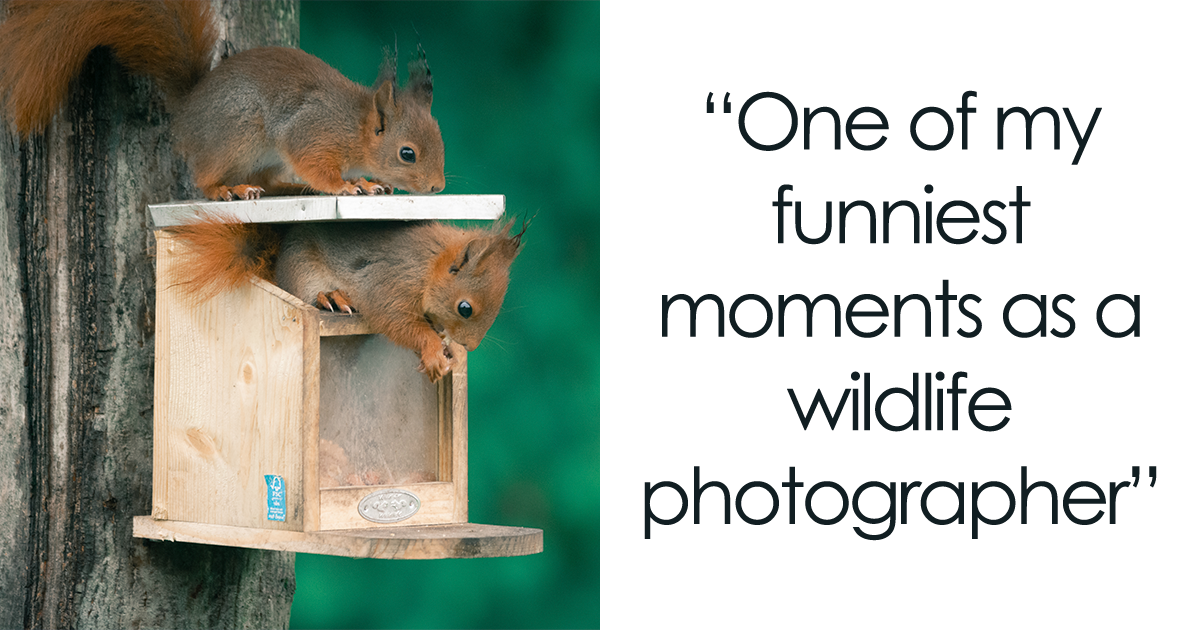
Sapo: Sometimes happiness arrives with a twitching nose, muddy paws, and the confidence of a tiny parkour champion. Photographing squirrels in my garden has become more than a hobby; it is a daily reminder that wonder still lives close to home.
Why Garden Squirrel Photography Feels Like a Tiny Rebellion Against Gloom
There are many ways to improve a difficult day. Some people meditate. Some people bake banana bread. I point a camera at squirrels and wait for one of them to leap onto a flowerpot like it has just been crowned king of the patio.
Garden squirrel photography may sound simple, but it has a sneaky emotional power. These little backyard acrobats are funny, expressive, unpredictable, and endlessly busy. One moment they are carefully sniffing the air like professional truffle inspectors; the next, they are sprinting across a fence with the wild urgency of someone who forgot to turn off the oven.
That is exactly why I photograph squirrels playing in my garden: to spread joy. Not manufactured joy. Not polished, filtered, “look at my perfect life” joy. Real joy. The kind that appears when a squirrel sits upright with a sunflower seed in both paws and looks as if it has just solved an ancient philosophical problem.
Backyard wildlife photography reminds us that nature is not always far away in national parks, remote forests, or glossy documentaries narrated in a dramatic whisper. Sometimes nature is on the birdbath, under the oak tree, behind the tomato pot, or on the lawn chair you were absolutely sure belonged to you.
The Secret Stars of the Backyard: Why Squirrels Make Wonderful Photo Subjects
Squirrels are common in many American neighborhoods, but common does not mean boring. In fact, their familiarity is part of their charm. Because they live close to people, gardeners and photographers can observe their behavior across seasons, weather, moods, and snack-related emergencies.
They Are Natural Comedians
A squirrel does not need props, costumes, or a script. It already has the timing of a silent-film actor and the body language of a caffeinated gymnast. When photographed at the right moment, a squirrel can look surprised, suspicious, delighted, offended, heroic, or deeply disappointed by the quality of your landscaping.
This expressive behavior makes squirrel photography especially appealing for readers, social media followers, and anyone who needs a small dose of happiness. A squirrel hanging upside down from a branch can brighten a feed faster than another photo of someone’s lunch, unless the lunch is also hanging upside down from a branch, in which case questions must be asked.
They Are Busy, Curious, and Full of Story
Squirrels are not lazy background animals. They forage, dig, chase, climb, balance, groom, investigate, and interact with one another. Their movements create natural storylines: a chase across the fence, a cautious approach to a water dish, a dramatic pause beneath a tree, or a proud sprint with a leaf that is apparently very important.
For a photographer, that constant motion is a gift. Every visit to the garden offers a different scene. Light changes. Seasons change. The garden grows. The squirrels adapt. The result is a living theater where the actors have tails, excellent balance, and absolutely no respect for your tripod.
Understanding Squirrel Behavior Makes Better Photos
The best squirrel pictures do not come only from quick reflexes. They come from patient observation. When you understand what squirrels are doing, your photos become more than cute snapshots. They become little windows into animal behavior.
Foraging and Caching: The Backyard Treasure Hunt
Many squirrels collect and hide food for later. This behavior, often called caching, is one reason they seem so wonderfully suspicious while digging in the lawn. A squirrel may bury food in many small hiding places rather than one central pantry. That strategy helps reduce the risk of losing everything to a hungry neighbor with a good nose and questionable morals.
Photographically, caching behavior is gold. A squirrel pausing with a nut, glancing around, digging, patting the soil, and darting away creates a complete visual story. It is nature’s version of a heist movie, only the getaway vehicle is a maple tree.
Climbing and Balancing: Tiny Athletes With Fur Coats
Squirrels are built for movement. They climb tree trunks, leap between branches, race along fences, and use their tails for balance and communication. Their agility gives photographers chances to capture dynamic action shots: midair jumps, stretched-out landings, upside-down hangs, and dramatic fence-top poses.
These moments work especially well when photographed with fast shutter speeds and natural light. A sharp image of a squirrel suspended in mid-leap can look almost unreal, like a superhero origin story that began near the compost bin.
Social Play and Chasing
Squirrels often chase one another through trees and across open spaces. Some chases are playful, while others may involve territory, courtship, or food competition. Either way, the movement is fast, energetic, and visually delightful.
To photograph this behavior, I watch the paths squirrels use repeatedly. Over time, they reveal their favorite routes: the fence rail, the low branch, the corner of the shed, the stone wall, the flower bed they have personally decided is a public highway. Once you know the route, you can frame the scene before the squirrel arrives.
Creating a Garden That Welcomes Wildlife Without Turning It Into a Buffet
A joyful garden does not need to become a squirrel restaurant with unlimited table service. In fact, responsible backyard wildlife photography works best when the animals remain wild, cautious, and independent.
Provide Habitat, Not Handouts
A healthy wildlife-friendly garden offers natural shelter, water, and plant diversity. Native plants, shrubs, trees, leaf litter, logs, and brushy corners can support insects, birds, small mammals, and the broader backyard ecosystem. A shallow water source, kept clean, can help wildlife during hot or dry weather.
What I try to avoid is making squirrels dependent on direct feeding. Human food scraps, salty snacks, sweets, and processed foods are not appropriate for wildlife. Even well-intentioned feeding can encourage crowding, bold behavior, and conflict around homes, gardens, trash cans, or bird feeders.
Protect the Garden With Humor and Strategy
Anyone who photographs squirrels should also admit the truth: squirrels can be adorable and mildly outrageous garden roommates. They may dig in planters, inspect bulbs, investigate vegetables, and treat bird feeders like puzzle boxes designed by amateurs.
The answer is not to declare war on them. The better approach is prevention. Secure trash cans. Do not leave pet food outside. Use barriers around vulnerable plants. Place bird feeders thoughtfully. Protect young seedlings. Accept that a few mysterious holes in the soil are part of living near wildlife, and possibly part of the squirrel civil engineering program.
Ethical Squirrel Photography: Cute Photos Should Not Cost the Animal
The goal of backyard wildlife photography is to enjoy and share nature without disturbing it. A squirrel photo is not worth frightening, cornering, chasing, or baiting an animal into unsafe behavior. The best images happen when the photographer becomes quiet, predictable, and respectful.
Keep Your Distance
A longer lens is helpful because it allows close-looking images without getting physically close. Squirrels may tolerate people in suburban areas, but tolerance is not an invitation to crowd them. If a squirrel freezes, flicks its tail nervously, repeatedly retreats, or changes behavior because of you, it is time to back off.
Let Natural Behavior Lead
There is a difference between documenting a charming moment and staging one irresponsibly. I prefer to photograph squirrels as they naturally move through the garden. A branch, a stump, a fence rail, a patch of clover, or a flowerpot can become a wonderful setting without forcing the animal into a scene.
Natural images often feel better anyway. A squirrel genuinely discovering a puddle or peeking around a sunflower stem has more charm than a forced setup. Authenticity has whiskers.
Avoid Nest Disturbance
Squirrels build leafy nests, often called dreys, and may also use tree cavities. Nesting areas should be left alone. Young squirrels and mothers need quiet, and photographers should never disturb nests for a picture. The garden is their home too; we are simply the neighbors with cameras.
Camera Tips for Photographing Squirrels Playing in the Garden
You do not need the most expensive camera in the world to photograph squirrels. A DSLR, mirrorless camera, bridge camera, or even a modern smartphone can capture joyful backyard wildlife images when used thoughtfully. The secret is patience, light, timing, and knowing where the squirrels like to perform their daily nonsense.
Use Morning or Late Afternoon Light
Soft light is flattering for fur, eyes, leaves, and garden textures. Early morning often works beautifully because squirrels are active and the garden feels calm. Late afternoon can add warm tones that make even a muddy squirrel look like it has hired a personal lighting director.
Choose a Fast Shutter Speed
Squirrels move quickly. For running, jumping, or chasing, a fast shutter speed helps freeze motion. If the squirrel is sitting still and nibbling, you can slow down a little. But if it looks ready to launch itself across the yard like a furry rocket, speed matters.
Focus on the Eyes
In wildlife photography, sharp eyes create connection. A squirrel’s bright, alert expression can carry the whole image. Even a simple portrait becomes engaging when the eyes are crisp and full of life.
Get Low for a More Intimate Perspective
Photographing from standing height often makes small animals look even smaller. Getting lower, when safe and practical, brings the viewer into the squirrel’s world. A low angle can turn a garden path into a grand avenue and a flowerpot into a mountain.
Use the Garden as a Storytelling Background
Flowers, leaves, fences, birdbaths, watering cans, pumpkins, snow, and fallen branches can all add seasonal character. The best squirrel photos are not only about the squirrel; they are about the squirrel in a place. A squirrel under spring blossoms feels different from a squirrel beside autumn leaves or winter snow.
How Squirrel Photos Spread Joy Online
One reason squirrel photography is so shareable is that it feels instantly human, even though the subject is very much not paying taxes. A squirrel holding a tiny object can look thoughtful. A squirrel peeking over a fence can look nosy. A squirrel sprawled on a branch can look like it has survived a long Monday.
People respond to these images because they are lighthearted without being empty. They offer a pause. In a world full of heavy headlines, a squirrel balancing on a garden ornament is a tiny emotional vacation.
Captions Add Personality
A good caption can turn a nice squirrel photo into a memorable post. The trick is not to overdo it. Let the image lead, then add a wink. For example: “Local resident questions my watering technique,” or “He said he was supervising the tomatoes.”
Humor makes the photo approachable, while the natural behavior keeps it grounded. The squirrel remains a wild animal, not a cartoon character, but a little playful storytelling helps people connect.
Small Joys Build Community
When I share squirrel photos, people often respond with their own backyard stories. Someone has a squirrel that steals cherry tomatoes. Someone else has one that naps on the fence. Another person has a bird feeder saga that deserves a courtroom drama adaptation.
These exchanges create community. The photos become an invitation: Look closely. Laugh gently. Notice what is alive around you.
Lessons the Garden Squirrels Have Taught Me
Photographing squirrels has changed how I see my garden. I used to think of it mainly as a place for plants. Now I see it as a small ecosystem full of movement, relationships, routines, and surprises. The garden is not a still-life painting. It is a stage, a shelter, a pantry, a racetrack, and occasionally a squirrel wrestling arena.
Patience Is Part of the Picture
The best moments rarely happen on command. I have waited with my camera ready while absolutely nothing happened except one leaf moving suspiciously in the breeze. Then, just as I considered giving up, a squirrel appeared on the fence, paused in perfect light, and delivered the kind of pose fashion magazines can only dream of.
Wildlife photography rewards stillness. It teaches you to slow down, listen, watch patterns, and enjoy the waiting. Even when I do not get the photo, I usually get something else: birdsong, fresh air, a better mood, or the satisfaction of seeing a squirrel fail to climb a slippery pole with admirable confidence.
Beauty Lives in Ordinary Places
There is a quiet magic in realizing that wonder does not require travel. A garden, balcony, small yard, or neighborhood tree can hold enough life to fill a camera roll. Squirrels are a gateway into noticing more: bees on flowers, birds in shrubs, mushrooms after rain, paw prints in soil, the changing angle of light across a fence.
The more I photograph squirrels, the more I notice the entire garden. The squirrels may be the comedians, but they are part of a much larger cast.
My Personal Experience Photographing Squirrels Playing in the Garden
The first squirrel photo I loved was not technically perfect. The background was messy, the framing was slightly awkward, and the squirrel had chosen to sit beside a plastic pot that had seen better centuries. But the expression was priceless. It looked directly at me with one paw tucked against its chest, as if I had interrupted an important business meeting about acorn futures.
That imperfect photo changed the way I approached the garden. Instead of waiting for a flawless wildlife documentary moment, I began looking for personality. I watched how one squirrel preferred the fence route while another took the tree path. I noticed that certain branches became favorite lookout points. I learned that after rain, the squirrels moved differently, pausing to sniff damp soil and inspect newly softened ground. In summer, they stretched out in shady places. In autumn, they became wonderfully frantic, as if every leaf came with a deadline.
Some mornings, the garden felt like a tiny comedy club. A squirrel would chase another across the lawn, both of them bouncing in exaggerated arcs. One would stop suddenly, pretend nothing had happened, and groom its face with great dignity. Another would dig in a planter, discover that I was watching, and freeze with the guilty stillness of a toddler holding a marker beside a freshly decorated wall.
I also learned humility. Squirrels are fast, and my camera has captured many excellent pictures of empty branches where a squirrel had been one-tenth of a second earlier. I have photographed tails exiting the frame, blurred paws, mysterious brown streaks, and one truly artistic image of a fence post after the squirrel made a last-minute career change. These failures became part of the fun. They reminded me that wildlife photography is not about control. It is about attention.
Over time, the photos became a kind of visual diary. Spring brought soft green backgrounds and young squirrels exploring with cautious curiosity. Summer gave me bright mornings, dramatic shadows, and squirrels flattening themselves along cool surfaces. Autumn was the season of action: digging, burying, chasing, carrying, vanishing. Winter simplified the garden, making every movement stand out against bare branches and pale light.
Sharing the images brought unexpected happiness. Friends who were tired, stressed, or overwhelmed would send messages saying that a squirrel photo made them laugh. One person said the pictures reminded them to look out their own window more often. Another admitted they had started naming the squirrels in their yard, which is how I knew the joy had officially spread and there was no turning back.
The experience has taught me that small creative habits can soften daily life. You do not need a dramatic landscape or rare animal to make meaningful images. You need curiosity, respect, and a willingness to be delighted by ordinary things. A squirrel on a fence can become a portrait. A muddy paw can become a detail. A quick leap can become a story.
Most of all, photographing squirrels has helped me practice cheerful attention. The world can be loud and heavy, but the garden keeps offering small scenes of resilience and play. A squirrel does not worry about being inspirational. It simply climbs, digs, balances, snacks, and gets on with the business of being alive. That is enough. Some days, it is more than enough.
Conclusion: Joy Can Be Small, Furry, and Very Fast
To photograph squirrels playing in my garden is to celebrate the overlooked. It is to say that wonder is not reserved for grand adventures or rare sightings. Sometimes the most joyful subject is already outside the window, rearranging your mulch with great enthusiasm.
Squirrel photography combines humor, nature, patience, and storytelling. It encourages ethical observation, wildlife-friendly gardening, and a deeper appreciation for the small animals that share our neighborhoods. Whether you use a professional camera or a phone, the heart of the practice is the same: slow down, look closely, and let the garden surprise you.
And if a squirrel pauses on the fence, looks into the lens, and appears to judge your entire existence, take the picture. That is not just backyard wildlife photography. That is art with whiskers.