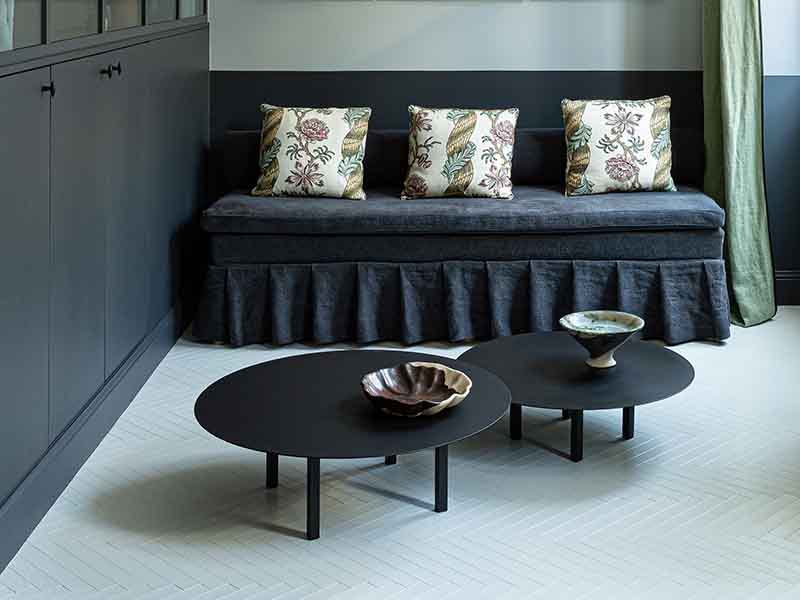
There are pieces of furniture that quietly support daily life, and then there is the black coffee table: the living room’s unofficial command center, snack landing strip, remote-control airport, book display platform, and occasional footrest that everyone pretends is not a footrest. “Coffee Table Black 02” sounds like a product code, but it also feels like a design mood: sleek, grounded, practical, and just mysterious enough to make a beige sofa sit up straighter.
A black coffee table can be modern, farmhouse, industrial, Scandinavian, minimalist, glam, or wonderfully moody. It can disappear into a dark rug or become the bold punctuation mark in a bright room. The trick is not simply buying a black table and hoping the living room suddenly develops a subscription to Architectural Digest. The trick is choosing the right size, shape, finish, material, and styling approach so the table works with your actual life.
This guide explores how to choose, style, decorate, and maintain a black coffee table, with practical examples for apartments, family rooms, small spaces, open-concept layouts, and homes where someone always leaves a mug exactly where it should not be.
Why a Black Coffee Table Works in Almost Any Living Room
Black is one of the most flexible colors in interior design because it behaves like a visual anchor. In a room full of pale upholstery, light flooring, cream walls, or soft textiles, a black coffee table creates contrast and gives the eye a clear place to land. Without that grounding element, a room can feel like a cloud with throw pillows. Lovely, yes, but slightly at risk of floating away.
A black coffee table also brings definition. It can sharpen a relaxed living room, balance dark window frames, echo black hardware, connect with a TV screen, or repeat the tone of a fireplace surround. When repeated in small doses, black feels intentional rather than accidental. One black coffee table alone may look dramatic; a black table paired with black picture frames, lamp bases, cabinet pulls, or accent chairs looks designed.
Choosing the Right Size for Coffee Table Black 02
Size is the difference between “beautiful centerpiece” and “why do my knees have trust issues?” A coffee table should feel reachable from the sofa without blocking movement. A common design rule is to choose a coffee table roughly two-thirds the length of the sofa. For example, if your sofa is 84 inches long, a table around 54 to 60 inches usually feels balanced.
Height matters just as much. Ideally, the tabletop should be about the same height as the sofa seat or slightly lower. When a coffee table is too tall, it starts acting like a dining table that wandered into the wrong room. When it is too low, every drink placement becomes a small yoga pose.
Spacing is another key detail. Leave about 14 to 18 inches between the sofa and the coffee table so people can move comfortably while still reaching drinks, books, or snacks. If the table sits in a walkway, allow more open space around it. A beautiful table is less charming when guests have to sidestep around it like they are passing through airport security.
Best Shapes for a Black Coffee Table
Rectangular Black Coffee Tables
Rectangular coffee tables are the classic choice for standard sofas and sectionals. They offer generous surface area, work well with trays and books, and create a clean line in front of the seating. A rectangular black table is especially strong in modern, industrial, and transitional rooms.
Round Black Coffee Tables
Round tables soften a room filled with square furniture, sharp walls, and boxy sectionals. They are also easier to walk around in tight spaces. If you have kids, pets, or a personal history of bumping into furniture while holding coffee, rounded edges are not just pretty; they are merciful.
Oval Black Coffee Tables
An oval table gives you the length of a rectangular table with the softness of a round one. It is a smart choice for narrow rooms, curved sofas, or spaces where traffic flow matters. In black, an oval coffee table can feel elegant without becoming too formal.
Square Black Coffee Tables
Square coffee tables work best with large sectionals or conversation-style seating. They provide equal reach from multiple sides and can make a big room feel more connected. The only warning: square tables need space. In a small apartment, one can quickly become a stylish obstacle course.
Materials That Make a Black Coffee Table Feel Different
The color may be black, but the material determines the personality. A black wood coffee table feels warm and grounded. It works beautifully with linen sofas, woven rugs, leather chairs, and natural accents. Solid wood offers durability, while veneer or engineered wood can provide a polished look at a more accessible price point.
Black metal coffee tables lean industrial and modern. They pair well with exposed brick, concrete floors, leather seating, and urban loft-style interiors. Metal frames are often slim, which helps a dark table feel less bulky.
Black glass coffee tables are dramatic and reflective. They can make a room feel sleek, but they also have a special talent for announcing every fingerprint, dust speck, and snack crumb. If you choose glossy black glass, keep a microfiber cloth nearby. Consider it the table’s emotional support accessory.
Stone coffee tables, including black marble or marble-look designs, feel luxurious and substantial. They are excellent in sophisticated living rooms, but natural stone needs care. Coasters are not optional; they are the tiny bodyguards protecting your investment.
Matte Black vs. Glossy Black: Which Finish Is Better?
Matte black has a soft, understated look. It tends to feel modern and relaxed, and it works especially well in minimalist, Scandinavian, Japandi, and contemporary interiors. Matte finishes can hide glare and feel less formal, though they may still show dust depending on the surface texture.
Glossy black is bolder. It reflects light, adds polish, and can make a room feel glamorous. However, glossy surfaces are less forgiving. Fingerprints, water rings, and dust can show quickly. If your home includes children, pets, or people who treat coasters as theoretical objects, matte or satin black may be the wiser option.
How to Style Coffee Table Black 02 Without Creating Clutter
A black coffee table naturally draws attention, so styling should feel intentional. Start with a tray. A tray creates a visual boundary and keeps smaller items from looking scattered. On a black table, a wood, brass, rattan, stone, or ceramic tray can add contrast and texture.
Next, add height variation. Try a stack of two or three books, a small vase, a candle, and one personal object. The goal is not to build a museum exhibit titled “Things I Bought Because the Internet Told Me To.” The goal is to create a small arrangement that reflects your taste and still leaves room for real life.
Use organic shapes to soften the black surface. A small plant, curved bowl, sculptural vase, or irregular ceramic piece can keep the table from feeling too severe. If the table is rectangular, round accessories help balance the straight lines. If the table is round, a rectangular tray or book stack adds structure.
Color Pairings That Look Great With a Black Coffee Table
Black and white is timeless, but it can look cold without texture. Add woven baskets, warm wood, boucle fabric, linen curtains, or a natural rug to make the contrast feel inviting. Black and beige is softer and works well in family rooms, modern farmhouse spaces, and calm neutral interiors.
Black and brass brings instant warmth. A brass tray, gold-toned lamp, or warm metallic decor can make a black coffee table feel elegant rather than heavy. Black and green is another strong pairing. Plants, olive pillows, sage walls, or deep green artwork make black feel earthy and rich.
For a dramatic look, pair a black coffee table with charcoal, walnut, deep blue, burgundy, or rust. This creates a layered room that feels cozy and grown-up. Just make sure to include lighter elements, such as cream textiles or warm lighting, so the room does not feel like a very stylish cave.
Black Coffee Table Ideas by Room Style
Modern Minimalist Living Room
Choose a low-profile black table with clean lines. Keep the styling simple: one tray, one book stack, one sculptural object. Let negative space do some of the work. Minimalism is not emptiness; it is editing with confidence.
Industrial Living Room
Look for black metal frames, reclaimed wood tops, wheels, or mixed materials. Pair the table with leather seating, exposed bulbs, concrete textures, and neutral rugs. Industrial style likes honest materials and does not mind a little attitude.
Farmhouse or Modern Rustic Room
A black wood coffee table can add contrast to shiplap, linen upholstery, vintage rugs, and woven baskets. Choose a slightly distressed, satin, or textured finish rather than high gloss. The result feels relaxed but still polished.
Small Apartment Living Room
Pick a round, oval, nesting, or lift-top black coffee table. Storage is your friend. A table with a shelf or hidden compartment can hold remotes, chargers, magazines, and the mysterious items that somehow multiply in every apartment.
Storage Features Worth Considering
A beautiful coffee table is nice. A beautiful coffee table that hides clutter is a minor miracle. If your living room doubles as a workspace, snack station, homework zone, or movie-night headquarters, consider built-in storage.
Open shelves are useful for books, baskets, and decorative boxes. Drawers keep remotes, game controllers, coasters, and charging cables out of sight. Lift-top tables are excellent for small spaces because they can serve as a laptop surface or casual dining spot. Just be honest about how you live. If you eat dinner on the sofa three nights a week, your coffee table should support that reality with dignity.
How to Keep a Black Coffee Table Looking Clean
Black furniture is stylish, but it can show dust. The easiest routine is to wipe the table with a soft microfiber cloth once or twice a week. Avoid harsh cleaners unless the manufacturer recommends them. For wood, use a cleaner appropriate for sealed furniture. For glass, use a streak-free glass cleaner. For stone, use gentle stone-safe products and avoid acidic cleaners.
Coasters are essential, especially on wood, lacquer, and stone. Use felt pads under decorative objects to prevent scratches. If the table has a matte finish, do not scrub aggressively; shiny patches can develop when the surface is worn unevenly. Treat the table like furniture, not a cutting board with ambition.
Common Mistakes to Avoid
The first mistake is buying a table that is too large. A black table already has strong visual weight, so oversized proportions can make a room feel cramped. The second mistake is choosing a finish that does not match your lifestyle. Glossy black may look stunning in photos, but it can become a full-time fingerprint documentary in a busy home.
The third mistake is overdecorating. Too many tiny accessories can make the table look messy. Choose fewer pieces with better scale. A large bowl, two books, and a vase often look more polished than twelve small items fighting for attention.
The fourth mistake is ignoring the rug. A black coffee table on a dark rug can disappear unless the materials contrast. If the rug is black or charcoal, choose a table with metal legs, a stone top, or a textured finish. If the rug is light, almost any black table will pop beautifully.
Buying Checklist for Coffee Table Black 02
Before buying, measure your sofa, seating height, and available floor space. Confirm the table length, width, and height. Think about shape, traffic flow, storage needs, and edge safety. Check the weight if you plan to move it often. Review care instructions, especially for stone, glass, lacquer, or painted finishes.
Also consider delivery and assembly. Some coffee tables look simple online but arrive with more parts than a small spaceship. If you dislike assembly, look for fully assembled options or read reviews carefully. Your future self, sitting peacefully with coffee instead of holding an Allen wrench, will be grateful.
Experience Notes: Living With Coffee Table Black 02
The first thing people notice after bringing home a black coffee table is how quickly it changes the room. Even a basic living room can suddenly feel more intentional. A light gray sofa looks sharper. A cream rug feels cleaner. A pile of magazines, somehow, looks less like procrastination and more like a lifestyle choice.
In real life, the most successful black coffee table is the one that understands your habits. In one apartment-style living room, a round matte black table can make a narrow space feel easier to navigate. Friends can walk around it without performing tiny dance moves. The rounded shape softens the room, while the black finish adds enough contrast to keep the space from looking washed out.
In a family room, a black coffee table with drawers can be a quiet hero. Remotes go in one drawer, coasters in another, and board-game cards stop living permanently under the sofa. A table with a lower shelf can hold baskets for blankets or kids’ books. The room still looks grown-up, but it does not require everyone in the house to behave like a showroom visitor.
Styling also becomes easier with experience. At first, many people overdo it: three candles, six books, a fake plant, a bowl, a vase, a decorative chain, and one mysterious object called “sculpture” because nobody knows what else to call it. After a week of moving everything just to set down a bowl of popcorn, the arrangement usually becomes simpler. A tray, a book stack, a small plant, and one useful item often work better than a crowded display.
A black table also teaches lighting lessons. In a dim room, it can look heavy unless there is a lamp nearby, a light rug underneath, or reflective decor on top. Add warm lighting and the table feels rich. Ignore lighting and it may look like a stylish rectangle of darkness waiting for a dramatic movie monologue.
Maintenance becomes part of the routine. Dust is more visible on black surfaces, but the fix is easy: keep a microfiber cloth in a nearby drawer or basket. Coasters quickly become nonnegotiable. After one water ring scare, most homeowners become coaster evangelists. They begin saying things like, “Use a coaster, please,” in the same voice people use when protecting museum artifacts.
The biggest lesson is that a black coffee table should not be treated as just a trendy accent. It is a daily-use piece. It holds drinks, books, laptops, snacks, flowers, feet, craft projects, and occasionally the full emotional weight of Monday. Choose one that fits the room, but also choose one that fits the way you actually live.
Coffee Table Black 02, whether imagined as a specific product or a design concept, works best when it balances beauty with common sense. It should be bold but not bossy, stylish but not fragile, and useful without looking like office storage. When chosen well, it becomes the center of the living room in the best possible way: not shouting for attention, just quietly making everything around it look better.
Conclusion
A black coffee table is one of the easiest ways to add contrast, structure, and sophistication to a living room. It works with modern, rustic, industrial, glam, and minimalist interiors because black is both neutral and bold. The key is choosing the right proportions, finish, material, and shape for your space.
For the best result, measure before buying, leave comfortable clearance around the table, match the height to your sofa, and style the surface with restraint. Add warmth through wood, woven textures, plants, books, ceramics, or metallic accents. Keep the decor personal, not generic. A black coffee table should look good in photos, but it should also survive real life: coffee cups, movie nights, guests, snacks, and the occasional “where did I put the remote?” emergency.
In the end, Coffee Table Black 02 is more than a dark table in the middle of the room. It is a design anchor, a practical surface, and a surprisingly powerful style upgrade. Choose it well, style it simply, and it may become the piece that finally makes your living room feel finished.