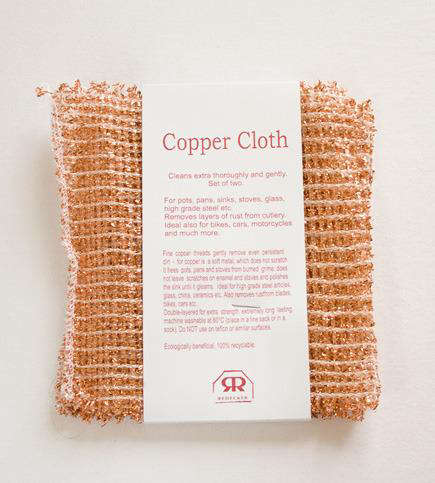
Copper scouring cloths may not look dramatic at first glance. They are usually small, flexible, reddish-gold cleaning squares or pads, and they do not arrive with the heroic soundtrack that burned-on lasagna deserves. Yet in the world of kitchen cleaning, these humble cloths have earned a loyal following because they do one job very well: they help remove stubborn, stuck-on grime without reaching straight for steel wool, harsh powders, or a full emotional breakdown at the sink.
In simple terms, copper scouring cloths are cleaning cloths or pads made with fine copper threads, copper mesh, or copper fibers woven into a flexible scrubbing surface. They are designed for tough kitchen jobs such as baked-on food, grease, residue around burners, stains on sinks, and crusty spots on durable cookware. Used correctly, they can be powerful, reusable, and surprisingly gentle compared with many aggressive scouring tools.
But copper is still a metal. That means these cloths are not magical scratch-proof unicorn blankets. They work best when matched with the right surfaces, used wet, rinsed well, and stored dry. This guide breaks down what copper scouring cloths are, where they shine, where they should stay in the drawer, and how to get the most cleaning muscle from them without turning your favorite pan into a cautionary tale.
What Are Copper Scouring Cloths?
Copper scouring cloths are reusable cleaning tools made with thin copper strands or woven copper mesh. Unlike a regular cotton dishcloth, their purpose is not to absorb spills or polish glassware. Their job is friction. The copper fibers grip dried food, grease, rust stains, and sticky residue so you can lift the mess with less pressure and fewer cleaning chemicals.
Most copper cloths are flexible enough to fold around corners, handles, stovetop grates, pan rims, and sink edges. Some are purely copper mesh, while others combine copper threads with microfiber, cotton, or sponge cores. The best version for your home depends on what you clean most often. A flat copper cloth is great for wrapping around a pan edge. A copper scrubber pad is better for heavy pot scrubbing. A dual-sided cloth can scrub on one side and wipe on the other, which feels fancy in a very “I have my life together” kind of way.
Why Copper Works So Well for Scrubbing
Copper is softer than steel, yet firm enough to scrape away many stubborn household messes. That balance is the main reason copper scouring cloths are popular. Steel wool can be too harsh for many kitchen surfaces and may leave tiny fragments behind that rust. Nylon scrubbers can be too weak for baked-on residue. Copper sits in the middle: tougher than a sponge, less aggressive than steel wool, and satisfyingly effective when a dinner pan has decided to become modern art.
Another advantage is flexibility. Copper threads can reach uneven textures, grooves, and curved areas better than a rigid scraper. When used with warm water and a small amount of dish soap, copper cloths can loosen dried sauces, caramelized sugars, browned grease, and food films that ordinary sponges often smear around instead of removing.
Best Uses for Copper Scouring Cloths
Copper scouring cloths are most useful on hard, durable surfaces where stuck-on residue is the problem. They are especially handy after roasting, baking, frying, or grilling, when food has had plenty of time to bond with the surface like it signed a long-term lease.
1. Stainless Steel Pots and Pans
Stainless steel cookware can handle more scrubbing than coated pans. A wet copper scouring cloth can help remove browned bits, mineral stains, and cooked-on oil from stainless steel interiors. For best results, soak the pan first with warm water and dish soap, then scrub gently in circles. If you have a mirror-polished exterior, test a hidden spot before going all in.
2. Cast Iron Exteriors and Grill Tools
Copper cloths can be useful on grill tools, cast iron exteriors, and rough metal surfaces. However, be careful with the seasoned cooking surface of cast iron. Heavy scrubbing can remove seasoning if you get too enthusiastic. The goal is to clean, not erase years of bacon-based history.
3. Oven Racks and Burner Grates
Oven racks, gas burner grates, and metal trivets collect grease and charred food. Copper scouring cloths are excellent for these jobs because the flexible fibers can work into corners. Soak the pieces first, scrub while wet, rinse thoroughly, and dry completely to prevent water spots or rust on non-copper parts.
4. Sinks and Faucets
On many stainless steel sinks, copper cloths can remove food residue, light rust marks, and grime around the drain. Use a gentle hand and follow the grain of the stainless steel when possible. Avoid using copper scouring cloths on delicate plated finishes, soft metals, or polished decorative surfaces unless the manufacturer says it is safe.
5. Glass Bakeware
Many people use wet copper scrubbers on durable glass bakeware to remove baked-on casserole residue. Still, glass can scratch if the cloth is too abrasive or if grit is trapped underneath. Always rinse away loose crumbs first, use plenty of water, and test a small area if the dish is special, vintage, or emotionally important because it belonged to Grandma.
Where Not to Use Copper Scouring Cloths
The most important rule is simple: do not assume every surface can handle copper. Copper may be softer than steel, but it can still scratch coatings, soft metals, plastics, glossy finishes, and delicate surfaces.
Avoid copper scouring cloths on nonstick cookware unless the cookware manufacturer specifically says copper scrubbers are safe. Nonstick coatings can be damaged by abrasive tools, and once a coating is scratched, food sticks more easily and the pan may no longer be safe to use. Also avoid copper cloths on induction or glass cooktops unless your appliance manual allows it. Many cooktop manufacturers recommend non-scratch pads and specialized cleaners because the surface can be permanently scratched.
Skip copper scouring cloths on marble, granite, acrylic tubs, plastic appliance panels, painted surfaces, chrome plating, brushed aluminum, delicate enamel, and anything with printed labels or decorative finishes. When in doubt, test first in a hidden area. If that sounds boring, remember: testing is cheaper than replacing a cooktop.
Copper Scouring Cloths vs. Steel Wool vs. Sponges
| Cleaning Tool | Best For | Main Advantage | Main Caution |
|---|---|---|---|
| Copper scouring cloths | Baked-on food, stainless steel, oven racks, sinks | Strong scrubbing with less harshness than steel wool | Can scratch coatings and delicate surfaces |
| Steel wool | Heavy-duty metal cleaning, rust removal, workshop jobs | Very aggressive abrasion | Can scratch badly and leave rusting fragments |
| Regular sponge | Daily dishes, counters, light residue | Soft, affordable, easy to use | Can hold bacteria and wear out quickly |
| Microfiber cloth | Wiping, polishing, light grease | Great for streak-free cleaning | Not strong enough for heavy baked-on messes |
How to Use Copper Scouring Cloths the Right Way
Using copper scouring cloths correctly is the difference between “Wow, that pan looks new” and “Why does my skillet now have racing stripes?” Follow these steps for safer, better cleaning.
- Wet the cloth first. Copper scouring cloths should usually be used wet. Water reduces friction, helps loosen residue, and lowers the chance of scratching.
- Soak stubborn messes. Before scrubbing, fill the pot or pan with warm water and a drop of dish soap. Let it sit for 10 to 20 minutes.
- Remove loose debris. Rinse away crumbs, salt crystals, or burnt flakes. Loose grit can scratch more than the cloth itself.
- Use light to moderate pressure. Let the copper fibers do the work. If you are scrubbing like you are trying to tunnel out of prison, pause and soak longer.
- Scrub in small circles. Circular motion helps lift stuck-on residue evenly.
- Rinse the surface thoroughly. Wash away loosened grime, soap, and any tiny particles.
- Dry the item. Dry cookware, sinks, and racks to prevent water spots or rust on surrounding metal parts.
- Clean and dry the cloth. Rinse the copper cloth well, shake out water, and let it air-dry in an open spot.
Care, Hygiene, and Storage
Copper scouring cloths are reusable, but reusable does not mean immortal. Food particles, grease, and moisture can collect in the fibers, so the cloth needs regular care. After each use, rinse it thoroughly under hot water and squeeze or shake out trapped residue. If the cloth is machine washable, follow the product instructions. Some copper cloths can be refreshed in the dishwasher or laundry, while others should only be hand-rinsed.
Drying matters. A damp cleaning tool sitting in a dark sink corner is basically a spa retreat for odor. Store copper scouring cloths where air can circulate. A small hook, open caddy, or drying rack is better than a soggy pile beside the faucet.
Also remember that cleaning, sanitizing, and disinfecting are not the same thing. A copper scouring cloth removes visible soil and stuck-on food. It does not automatically sanitize your kitchen. After cleaning surfaces that touched raw meat, seafood, or eggs, use a proper food-safe sanitizing method according to your household routine and product labels.
Are Copper Scouring Cloths Eco-Friendly?
Copper scouring cloths can be a more sustainable choice than disposable pads when they are durable, washable, and recyclable. Copper is a valuable metal, and pure copper scrubbers may be recyclable as scrap metal at the end of their life. That said, not all products are 100 percent copper. Some include synthetic cores, adhesives, coatings, or mixed fibers, which can make recycling more complicated.
The eco-friendly value comes from using fewer throwaway scrub pads, relying less on harsh cleaners, and choosing a product that lasts. A copper cloth that replaces dozens of disposable pads is a win. A copper cloth ruined in one week because it was used on the wrong surface is less impressive. Sustainability loves common sense almost as much as it loves reusable bags.
How to Choose the Best Copper Scouring Cloths
When shopping for copper scouring cloths, look beyond the shiny packaging. First, check whether the product is made with real copper or copper-colored material. Some bargain scrubbers look coppery but may be plated steel or mixed metal. Real copper is less likely to rust than steel and generally offers the cleaning feel people expect from copper cloths.
Second, read the surface recommendations. A quality product should clearly state where it can and cannot be used. Watch for phrases such as “use wet,” “not for nonstick,” “test first,” or “safe for stainless steel.” These details are not boring fine print; they are the difference between smart cleaning and accidental redecorating.
Third, consider size and flexibility. A small copper pad is good for pots and sinks, while a larger woven cloth can wrap around racks and handles. If you clean many curved surfaces, choose a softer woven design. If you mostly attack heavy cookware residue, choose a thicker pad.
Common Mistakes to Avoid
The biggest mistake is using copper scouring cloths dry. Dry scrubbing increases friction and raises the risk of scratching. The second mistake is using them on nonstick pans because “just this once” has retired many innocent skillets. The third mistake is pressing too hard. Copper cloths work best with patience, warm water, and steady motion.
Another mistake is mixing cleaning products carelessly. Do not combine bleach with vinegar, ammonia, or random mystery cleaners from under the sink. Copper cloths do not require chemical drama. Dish soap, warm water, baking soda paste, or a manufacturer-approved cleaner is usually enough for routine kitchen messes.
Real-World Experience: Living With Copper Scouring Cloths
The first time you use a copper scouring cloth, the experience can feel oddly satisfying. It has that “where have you been all my life?” energy, especially if you are cleaning a stainless steel pan after searing chicken. The browned bits that laughed at your sponge start to loosen. The cloth bends into the curve of the pan. You rinse, scrub, rinse again, and suddenly the pot looks less like a crime scene and more like cookware.
In everyday kitchen life, copper scouring cloths are most useful for the jobs you postpone. The roasting pan with caramelized sauce. The oven rack with mysterious black dots. The sink drain ring that refuses to sparkle. The stainless steel saucepan that boiled oatmeal over the edge because breakfast apparently wanted fireworks. A copper cloth gives you enough bite to handle these messes without immediately grabbing harsh chemicals.
One practical lesson is that soaking is not optional when the mess is serious. A copper cloth is strong, but it is not a bulldozer. If rice, cheese, sugar, or sauce has hardened into a tiny kitchen fossil, warm water and time make the job much easier. After a short soak, the copper cloth can lift residue with far less effort. Without soaking, you may scrub too hard, tire your wrist, and begin negotiating with the pan like it is a stubborn toddler.
Another real-life tip is to keep copper scouring cloths separate from everyday dishcloths. They are specialty tools, not napkins with ambition. Store one near the sink for metal cookware and another near the grill supplies if you clean grates often. Do not toss them into a drawer while damp. They dry better on a hook or open rack, and they are easier to find when dinner leaves behind a sticky souvenir.
You may also notice that copper changes color over time. That is normal. Copper can darken or develop a patina with use and exposure to moisture. A darker cloth is not automatically dirty or useless. What matters is whether it rinses clean, smells fresh, holds together, and still scrubs effectively. If it starts shedding, unraveling, trapping food, or smelling like a forgotten science project, replace it.
The biggest experience-based warning is about surfaces. A copper scouring cloth can feel gentle on one item and too aggressive on another. Stainless steel pot interior? Usually a good candidate. Nonstick skillet? Back away slowly. Painted appliance panel? Absolutely not. Glass cooktop? Only if your manufacturer allows that type of scrubber. The safest habit is to test first, use water, and begin with light pressure.
Over time, copper scouring cloths become one of those small kitchen upgrades that quietly earn their drawer space. They do not replace sponges, microfiber towels, brushes, or sanitizers. Instead, they fill the gap between “too soft to work” and “too harsh to risk.” When used wisely, they save time, reduce frustration, and make cleanup after ambitious cooking feel less like punishment for having dinner.
Conclusion
Copper scouring cloths are compact, reusable cleaning tools that deliver impressive scrubbing power for stubborn kitchen messes. They are especially helpful on stainless steel cookware, oven racks, burner grates, sinks, and durable glass bakeware when used wet and with care. Their strength comes from fine copper fibers that lift residue without the extreme abrasiveness of steel wool.
Still, copper scouring cloths are not safe for every surface. Avoid nonstick coatings, delicate finishes, plastic, soft metals, painted panels, and sensitive cooktops unless the manufacturer specifically approves. Treat copper cloths as precision tools: rinse first, soak tough messes, scrub gently, clean the cloth after use, and let it dry completely.
For homes that cook often, bake enthusiastically, or occasionally forget a pan on the stove for “just one minute” that becomes eight, copper scouring cloths can be a smart addition to the cleaning kit. They are simple, effective, and a little old-school in the best way. Used correctly, they help turn crusty cookware back into kitchen equipment instead of abstract sculpture.