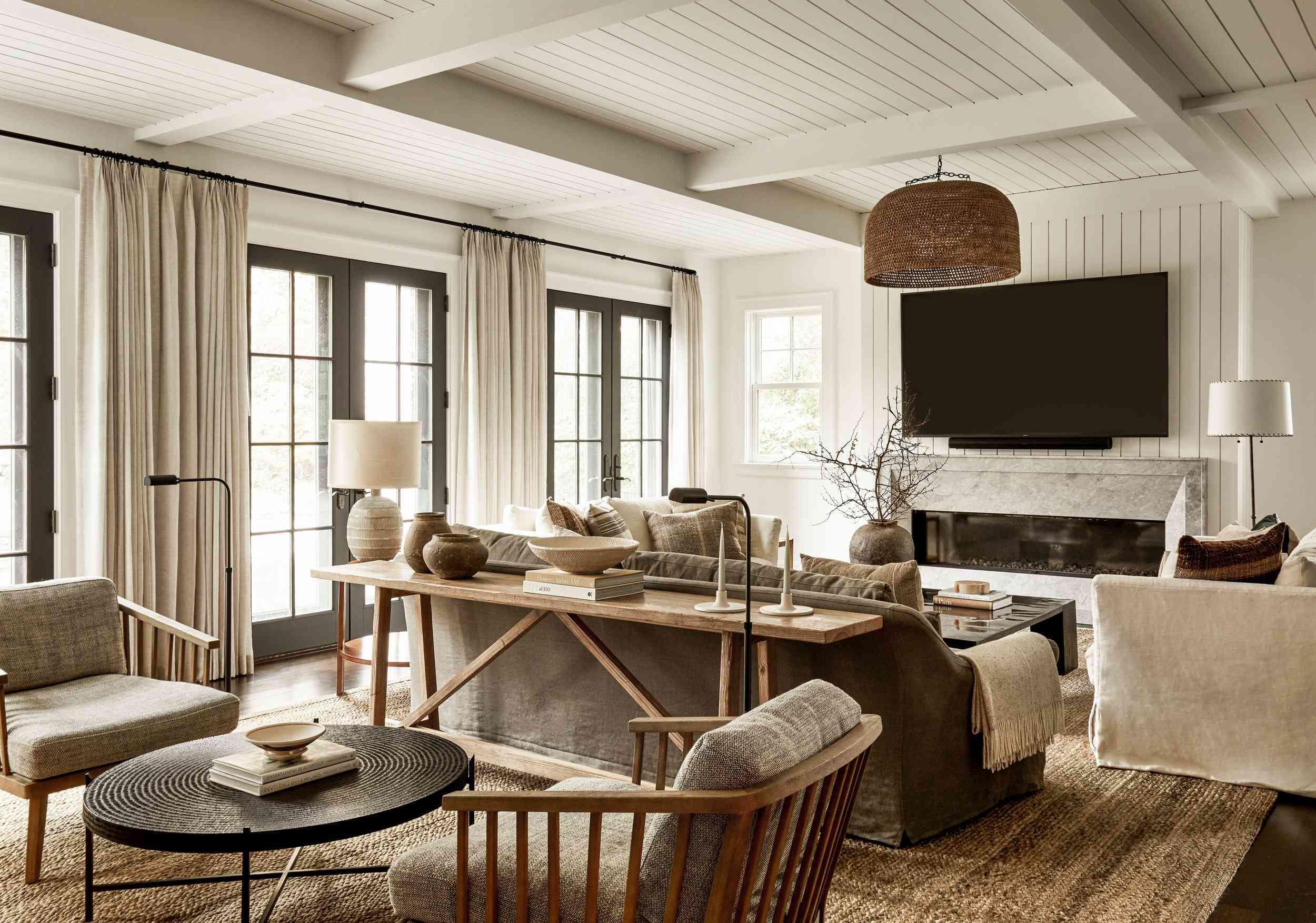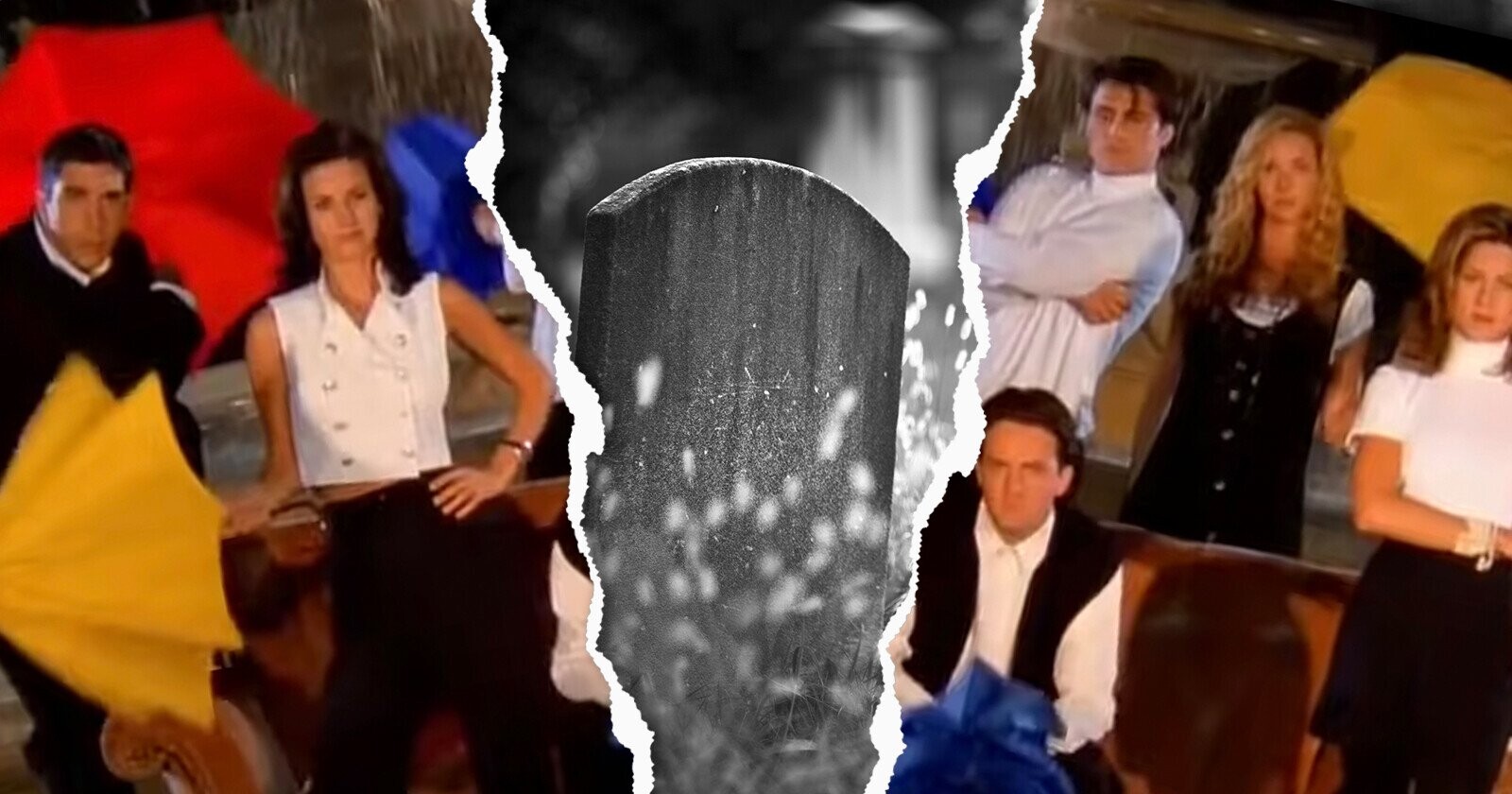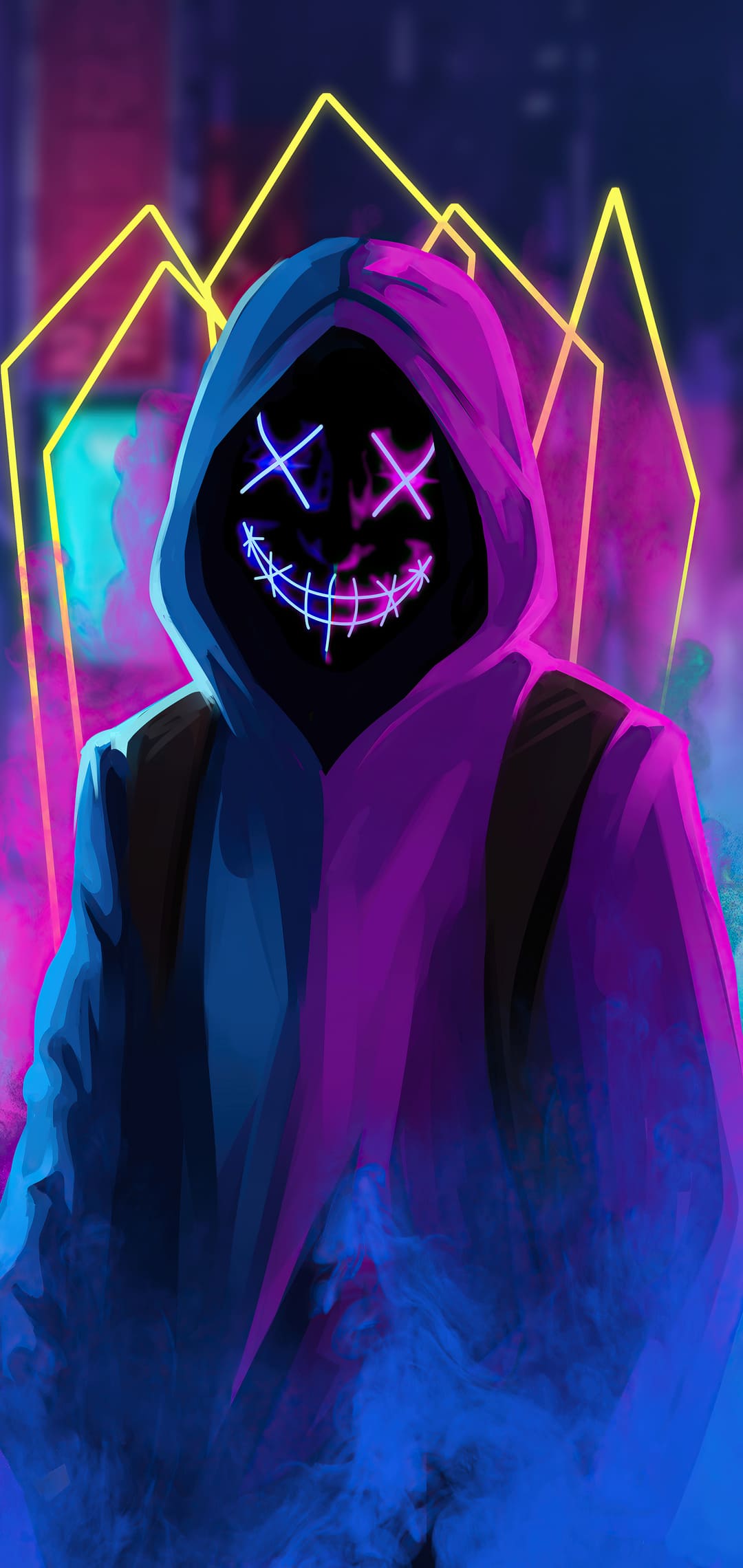
Note: This article is written as original, publish-ready SEO content based on real trends in online image challenges, visual storytelling, meme culture, user-generated content, photography communities, and social media creativity.
Introduction: The Internet’s Favorite Dare
Every now and then, the internet collectively stops scrolling for one very important reason: somebody posts a picture and dares everyone else to do better. No prize. No trophy. No official judge wearing a suspiciously serious blazer. Just one bold sentence with the energy of a kid slamming a crayon masterpiece on the fridge: Bet you cant make something better than this picture.
And somehow, that is all it takes.
Within minutes, artists, photographers, meme makers, casual scrollers, bored office workers, and people who definitely said they were “going to sleep early tonight” begin joining in. Some recreate the image. Some remix it. Some turn it into a meme. Some improve the lighting, add a dramatic sky, place a tiny cowboy hat on a cat, or transform the whole thing into a fake movie poster. Before long, the original picture is no longer just a picture. It becomes a challenge, a conversation, a competition, and occasionally, a beautiful digital mess.
The title “Bet You Cant Make Something Better Than This Picture” works because it hits three powerful internet buttons at once: curiosity, creativity, and ego. People want to see the picture. They want to judge whether it is actually unbeatable. And, most dangerously, they want to prove they can beat it. That is how a simple image can become viral content, especially in a culture where visual storytelling rules feeds, timelines, and group chats.
This article explores why image challenges spread, what makes a picture feel “better,” how online creativity turns one post into a community event, and why the best response to a visual dare is not always perfection. Sometimes, the winner is the person who makes everyone laugh so hard they forget what the original contest was about.
Why “Bet You Cant Make Something Better Than This Picture” Works So Well
The phrase is charmingly aggressive. It is not asking politely. It is not saying, “Please consider submitting a tasteful artistic interpretation when convenient.” It is a dare. And dares are sticky.
Online audiences are surrounded by endless content: polished travel photos, perfectly plated meals, edited selfies, product shots, digital art, AI-generated fantasy scenes, and memes that appear to have been assembled during a three-second lightning storm. To stand out, a post needs more than beauty. It needs interaction. That is where the challenge format shines.
A picture by itself can be admired. A picture with a challenge attached can be answered. That small shift changes the audience from passive viewers into participants. Instead of simply liking or scrolling, users begin thinking: “What would I do with this?”
The Psychology of the Creative Dare
A good creative dare activates friendly competition. It gives people permission to play. It also lowers the pressure because the challenge sounds informal. Nobody expects a museum-quality masterpiece. In fact, the fun often comes from the contrast between the original post’s confidence and the chaotic creativity that follows.
People participate because they want recognition, but also because they want to belong to the joke. When a visual challenge starts moving through a community, joining it becomes a way of saying, “I get it. I’m part of this.” That is why picture challenges often feel less like contests and more like group conversations conducted in pixels.
What Actually Makes a Picture “Better”?
Here is the tricky part: “better” is not one thing. A technically perfect photo can be boring, while a blurry image of a dog looking guilty beside a destroyed pillow can become legendary. The internet does not grade images like a photography textbook. It grades them by reaction.
A better picture might be sharper, funnier, stranger, warmer, more emotional, more surprising, or simply more shareable. It might have better composition, stronger lighting, a clearer subject, or a story that hits instantly. But in online culture, the most successful images usually do one thing very well: they make people feel something quickly.
Emotion Beats Perfection
Photos that spread online often have an emotional hook. They may be hilarious, adorable, dramatic, awkward, nostalgic, or oddly satisfying. The viewer does not need a long explanation. The image speaks before the caption finishes tying its shoes.
That is why an ordinary picture can outperform a professionally edited one. If the ordinary picture captures a real moment, a strange coincidence, or a perfectly timed expression, it may feel more alive. The internet loves polish, but it worships timing.
Clarity Helps People Share Faster
A strong picture challenge needs a clear starting point. If viewers have to stare at the image for thirty seconds just to understand what is happening, many will leave. A simple subject, strong contrast, readable details, and an obvious visual idea make it easier for people to remix, parody, or improve the image.
Think of the best meme templates. They are rarely visually complicated. They have room for interpretation. They leave space for people to add their own joke, opinion, edit, or twist. A picture that invites participation often beats one that feels finished and untouchable.
The Rise of User-Generated Creativity
The internet used to separate creators and audiences more clearly. A photographer took the photo, a publisher shared it, and everyone else reacted. Today, the line is much blurrier. The audience is also the remix department.
User-generated content has become one of the strongest forces in digital culture. People post their own photos, reactions, reviews, edits, memes, duets, stitches, captions, and transformations. A single image can become the raw material for thousands of new posts. That is the magic of a phrase like “Bet You Cant Make Something Better Than This Picture.” It does not end the discussion; it starts production.
Why Participation Feels More Rewarding Than Watching
When people make their own version of a picture challenge, they invest effort. Even a silly edit takes a choice: What should I change? Should I make it funnier? Prettier? More dramatic? More cursed? Should I add sunglasses to the squirrel? The answer is usually yes.
That effort creates ownership. The participant is no longer just reacting to content; they are adding to it. In social media terms, that is powerful because participation keeps a trend alive. Every new version becomes a fresh invitation for someone else to respond.
Picture Challenges and the Meme Machine
Image challenges are close cousins of memes. Both depend on repetition with variation. The original image provides the structure, while each new contribution provides surprise. That is why the format keeps working across platforms.
A meme does not have to be perfectly designed. In fact, many of the best ones look like they were made during a lunch break by someone fueled entirely by iced coffee and minor frustration. What matters is that the image carries an idea quickly and leaves room for others to join in.
The Best Remixes Respect the Original
A strong remix does not simply erase the original picture. It responds to it. It understands the mood, the joke, or the visual structure, then pushes it somewhere new. Maybe the original is a beautiful sunset, and the remix turns it into a fantasy movie poster. Maybe the original is a clumsy pet photo, and the remix makes it look like a Renaissance painting. Maybe the original is already absurd, and the remix wisely decides to become even more absurd.
The internet rewards people who understand the assignment but refuse to do it normally.
How to Make Something Better Than the Picture
So, can you make something better than the picture? Possibly. But first, you have to decide what “better” means. Better does not always mean more expensive, more edited, or more complicated. Sometimes better means more memorable.
1. Improve the Story
Every strong image suggests a story. Ask what happened before the picture and what might happen next. If the original photo shows a person staring dramatically into the distance, your version might reveal they are actually looking at a pizza delivery driver. Congratulations: you have created cinema.
2. Upgrade the Composition
Composition is how the visual pieces are arranged. Cropping closer, changing the angle, simplifying the background, or moving the subject off-center can instantly make an image feel stronger. Many amateur photos fail not because the subject is bad, but because the frame is too busy. The viewer’s eyes need a map, not a scavenger hunt.
3. Use Lighting Like a Secret Weapon
Lighting can turn “random backyard photo” into “indie album cover.” Soft natural light, golden hour glow, shadows, reflections, and contrast can change the mood dramatically. If the original picture is flat, your version can win by making the subject feel alive.
4. Add Humor Without Overcrowding the Image
Humor works best when the joke is readable. A tiny unexpected detail can be funnier than twenty random stickers. If every corner of the image is screaming for attention, the viewer does not laugh; they panic politely.
5. Make It Personal
The easiest way to beat a generic picture is to add a personal point of view. Use your environment, your humor, your pet, your hobby, your neighborhood, your weird collection of mugs, or your ability to make dramatic facial expressions at inappropriate moments. Personal details make images feel human, and human usually beats perfect.
Why Imperfect Pictures Often Win Online
The internet has seen enough perfect images to become suspicious of them. Ultra-polished visuals can be impressive, but they can also feel distant. Imperfect pictures, on the other hand, feel reachable. They look like something a real person made, noticed, or accidentally captured while trying not to drop their phone.
This is why candid photos, behind-the-scenes shots, “what I saw vs. what I took” posts, and chaotic pet pictures perform so well. They reveal process. They show the gap between reality and presentation. They remind viewers that creativity is not always clean. Sometimes it involves bad lighting, three failed attempts, one confused friend, and a chair being used as professional equipment.
Authenticity Is the New Flex
Online audiences increasingly value images that feel authentic. This does not mean editing is bad. Editing can be art. But the emotional truth of an image matters. A heavily edited picture can still feel honest if it expresses a clear idea. A raw photo can feel powerful if it captures a real moment. The problem is not editing; the problem is emptiness.
A picture challenge works best when people feel free to create in their own style. Some will go polished. Some will go funny. Some will go chaotic. The variety is the point.
What Brands and Creators Can Learn From This Challenge
For creators, marketers, and bloggers, “Bet You Cant Make Something Better Than This Picture” is more than a catchy title. It is a lesson in engagement. People do not only want content to consume. They want content that gives them a role.
A good challenge post creates a low barrier to entry. It does not require expensive tools or expert skills. It simply asks people to respond creatively. That is why brands often use user-generated campaigns, hashtag challenges, caption contests, remix prompts, and photo submissions. They understand that audiences are more loyal when they feel involved.
Make the Prompt Simple
The best prompts are easy to understand in one glance. “Make this better” is simple. “Submit a multi-layered interpretation of visual excellence using approved brand values” is how you make everyone close the tab and go stare into the refrigerator.
Celebrate Different Kinds of Winners
If you run a picture challenge, avoid rewarding only technical perfection. Highlight the funniest version, the most creative version, the most emotional version, the weirdest version, and the one that made someone say, “I don’t know why, but I respect it.” This encourages more people to join because they do not feel locked out by skill level.
Examples of “Better” in Real Online Culture
Online communities have repeatedly shown that a picture can become bigger than its original frame. A simple photo can become an album-cover joke, a location mystery, a Photoshop battle, a caption contest, or a wholesome “then and now” thread. The formats differ, but the engine is the same: one image invites many interpretations.
In photography communities, users often discuss how small changes in angle, light, timing, and framing can transform ordinary scenes. In meme communities, users prove that a simple expression or awkward moment can carry endless jokes. In design communities, people turn plain visuals into posters, thumbnails, edits, and surreal digital art. In social media challenges, users recreate poses, scenes, or ideas while adding personal style.
The lesson is clear: a great picture is not always the final answer. Sometimes it is the first domino.
The Friendly Chaos of Online Creativity
There is something wonderfully democratic about a picture challenge. You do not need a studio. You do not need a famous name. You do not need permission from the Council of Serious Art People, who probably meet in a room full of uncomfortable chairs. You only need an idea and a way to share it.
That openness is why these challenges travel so well. A teenager with a phone, a parent with a family photo, a designer with editing software, and a bored person with a surprisingly strong meme instinct can all participate. The results may not be equal in polish, but they can be equal in entertainment value.
The Comment Section Becomes Part of the Artwork
One underrated part of image challenges is the comment section. People do not just post entries; they react, rank, joke, encourage, and sometimes roast with the precision of professional comedians who have never been paid. The conversation adds another layer to the content. A good picture challenge becomes a small event.
How to Start Your Own Picture Challenge
If you want to create a successful “make something better than this picture” post, begin with an image that has a clear subject and enough personality to spark ideas. It does not have to be perfect. In fact, a slightly odd or unfinished image may work better because people can imagine what they would change.
Next, write a caption that invites action. Keep it short, confident, and playful. Ask people to edit, redraw, recreate, caption, or improve the image. Then make participation easy. Use a simple hashtag if needed. Encourage people to tag friends. Most importantly, respond to submissions so participants feel seen.
Finally, keep the tone friendly. The best challenges feel like creative play, not a stressful exam. Nobody wants to enter a contest where the prize is being judged by strangers with profile pictures of sports cars.
Experiences Related to “Bet You Cant Make Something Better Than This Picture”
Anyone who has ever joined a picture challenge knows the experience starts with overconfidence. You see the original image and think, “Oh, I can beat that.” This thought is usually followed by twenty minutes of intense effort, five terrible drafts, and the sudden realization that creativity is easier when it is still imaginary.
The first attempt is often too obvious. Maybe you brighten the photo, sharpen it, add contrast, and feel proud for exactly twelve seconds. Then someone else posts a version where the subject is riding a dragon through Times Square while holding a cup of coffee, and suddenly your “slightly improved exposure” feels like bringing a napkin to a sword fight.
But that is also the fun. The challenge pushes you beyond the safe answer. You begin asking better questions. What is funny about this picture? What is missing? What is the strangest direction it could go while still making sense? Could it become a movie poster? A fake magazine cover? A Renaissance painting? A dramatic weather report? A motivational poster for people who have no motivation whatsoever?
One of the best parts of these challenges is watching different personalities appear through the edits. The perfectionist fixes the lighting and composition. The comedian adds a ridiculous caption. The designer makes a clean poster. The storyteller creates a whole scene around the image. The chaotic genius adds one tiny unexpected detail that somehow beats everyone. Nobody knows how they thought of it. We are all slightly concerned, but grateful.
There is also a lesson in humility. Sometimes your version will not be the best. Sometimes it will not even be close. You may spend an hour crafting a beautiful edit only to lose attention to someone who added googly eyes in the right place. This is not failure. This is the internet reminding you that taste is complicated and googly eyes remain undefeated.
Still, every attempt teaches something. You learn how framing changes mood. You notice how color affects emotion. You discover that small details can create big laughs. You realize that a strong image does not need to explain everything. It only needs to invite the viewer in.
The most valuable experience is the sense of shared play. A picture challenge turns strangers into collaborators. People build on each other’s ideas, react in real time, and create a chain of visual responses that none of them could have made alone. The original picture may be good, but the community around it becomes better.
That is why the phrase “Bet You Cant Make Something Better Than This Picture” continues to work. It is not really about proving one person wrong. It is about opening a door. Behind that door is humor, skill, surprise, friendly competition, and the occasional digital disaster that becomes funnier than it has any right to be.
Conclusion: The Best Picture Is the One That Starts Something
“Bet You Cant Make Something Better Than This Picture” is more than a playful internet challenge. It is a reminder that creativity thrives when people are invited to participate. A single image can become a spark for humor, art, storytelling, community, and unexpected brilliance.
The best response is not always the most polished. It might be the funniest, the most emotional, the most original, or the one that turns a simple picture into something nobody saw coming. In a digital world overflowing with images, the pictures we remember are the ones that make us react, remix, and reach for our own creative tools.
So, can you make something better than this picture? Maybe. Maybe not. But the attempt is where the magic happens. And if all else fails, add a tiny cowboy hat. History has rarely argued with a tiny cowboy hat.