If your kitchen currently says “2009 starter home” when you were hoping for “quiet luxury with excellent snack access,” take heart. A beautiful kitchen makeover does not always require demolition, a second mortgage, or a dramatic montage set to power ballads. In fact, many professional designers recommend starting with smaller, strategic upgrades that improve color, light, texture, and function before you even think about ripping anything out.
That approach makes sense. Kitchens are expensive to fully renovate because cabinets, plumbing, electrical work, countertops, and labor can pile up faster than unopened mail on the counter. But when the layout still works, an affordable refresh can completely change how the room looks and feels. The trick is knowing which updates give you the most visual return for the least money.
This is where pro designers tend to agree: save the bones, upgrade the face. Instead of replacing everything, refresh what already exists. Paint cabinets. Swap old hardware. Improve lighting. Add a backsplash where it matters. Bring in smarter storage. Use a tighter color palette. Suddenly, the kitchen stops looking tired and starts looking intentional.
Below are the best affordable kitchen makeover ideas inspired by how designers actually approach budget-conscious updates. Some are DIY-friendly, some are worth hiring out, and all of them can help your kitchen look more expensive than it really was.
Why Affordable Kitchen Makeovers Work So Well
The biggest myth in home design is that expensive automatically means better. It does not. A kitchen can have pricey finishes and still feel awkward, cluttered, or dated. Meanwhile, a modestly updated kitchen with better lighting, cleaner lines, and a cohesive palette can feel fresh, functional, and surprisingly upscale.
Professional designers often focus on perception first. What do you notice when you walk in? Usually it is not the brand of faucet. It is the cabinet color, the visual clutter, the way the light hits the room, and whether the finishes feel coordinated. That is good news for anyone on a budget, because those are exactly the things you can change without gutting the space.
Affordable kitchen makeover ideas work best when they solve two problems at once: they improve style and function. A painted cabinet brightens the room and hides wear. Better hardware updates the look and makes drawers easier to use. Open shelving can create an airier feel while forcing you to stop hoarding mystery mugs from 2013. Functional and therapeutic.
1. Keep the Layout and Upgrade the Look
Do not move plumbing unless you absolutely must
If you want to save serious money, keep your sink, stove, and dishwasher roughly where they are. Moving plumbing lines, gas lines, or major electrical connections tends to turn a cosmetic project into a construction project. Designers often recommend preserving the footprint of the kitchen and investing the budget in finishes that you actually see every day.
This is especially smart if your kitchen already functions well. Maybe it is not glamorous, but if the work triangle is decent and storage is usable, you are ahead of the game. Instead of redesigning the room, reframe it. Think of your current kitchen as a solid draft that just needs better editing.
2. Paint Cabinets Instead of Replacing Them
The highest drama-per-dollar move in the room
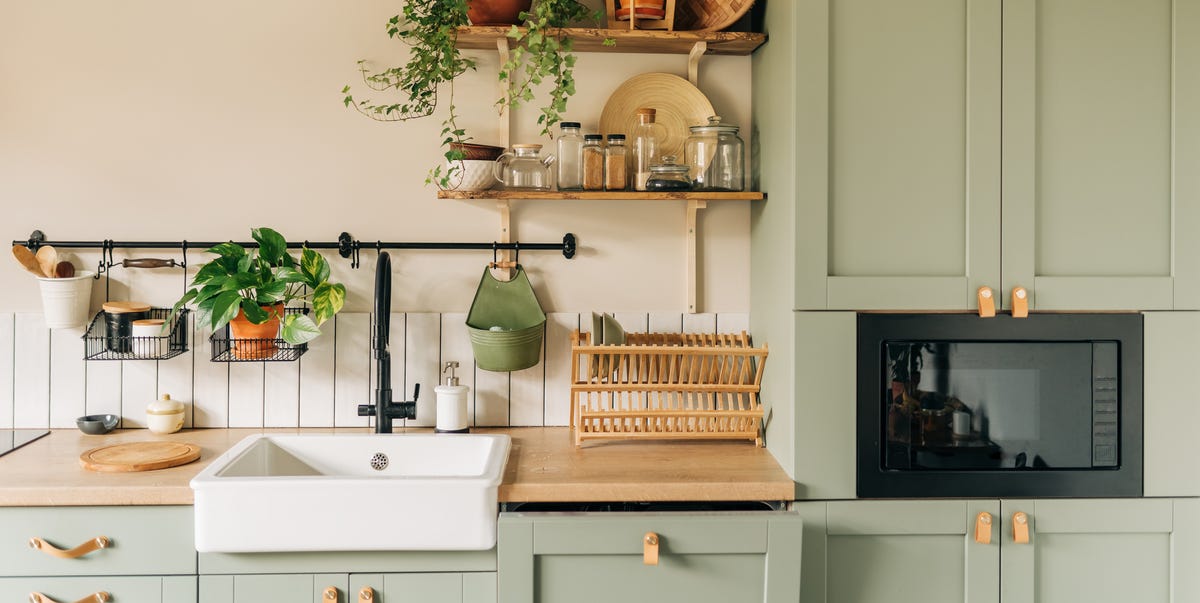
If affordable kitchen makeover ideas had a valedictorian, cabinet paint would be giving the graduation speech. Replacing cabinets is one of the most expensive parts of a remodel, but painting or refinishing them can create an almost shocking transformation for a fraction of the cost.
White and soft greige remain popular for a reason: they make the room feel brighter and more open. But designers are also embracing muted greens, deep blue-grays, warm taupes, and earthy neutrals for added character. If you want something timeless, lean toward colors that feel calm rather than trendy. You want “beautiful for years,” not “why did I paint my kitchen the color of a sports drink?”
Preparation matters more than optimism. Cabinets need cleaning, sanding, priming, and the right paint. If the doors are in rough condition, consider replacing only the fronts while keeping the cabinet boxes. That hybrid approach often looks more custom than a quick repaint and still costs far less than all-new cabinetry.
3. Replace Hardware and Instantly Modernize the Space
Small pieces, major personality
Cabinet hardware is the jewelry of the kitchen. Nobody technically needs earrings to survive, but they certainly help pull things together. Swapping dated knobs and pulls is one of the fastest ways to change the tone of the room. Brushed brass feels warm, matte black looks crisp, satin nickel is versatile, and aged bronze can add depth in more traditional spaces.
The key is consistency. If your faucet is sleek and modern, hardware in the same style family will feel intentional. If your kitchen is more classic, simple cup pulls or understated knobs may work better than anything overly dramatic. Shape matters too. Longer pulls can make basic cabinet fronts feel more tailored, while unique knob shapes can add a little designer flair without straying into novelty territory.
This is also one of the easiest projects for a weekend update. Measure carefully, confirm hole spacing, and resist the urge to “eyeball it.” Eyeballing is how good intentions become extra trips to the hardware store.
4. Add a Backsplash Where It Counts
You do not need a huge tiled wall to make an impact
A backsplash does practical work by protecting the wall, but it also acts like a style multiplier. Even a small backsplash can make a kitchen feel more finished and more custom. Subway tile remains a classic because it is affordable, flexible, and hard to make look bad. That said, beadboard, peel-and-stick options, simple stacked tile, or a smaller run of prettier tile can all work when the budget is tight.
Designers often suggest going more special in a smaller area. If you only need a modest amount of tile, you may be able to afford something with more texture, color, or personality. That is a smart trick: use premium-looking material where square footage is limited, and let the room feel richer overall.
If your kitchen is tiny, a backsplash can also help bounce light and add visual depth. Glossy finishes, elongated tile, or reflective surfaces can make the room feel less boxed in. Not bigger, exactly, but certainly less like you are making dinner in a decorative hallway.
5. Layer Your Lighting Like a Designer
One ceiling light is not a lighting plan
Lighting is one of the most overlooked affordable kitchen makeover ideas, which is odd because bad kitchen lighting has ruined more moods than burnt toast. A single overhead fixture usually leaves shadows in work zones and makes the room feel flat. Designers typically use layers: ambient light for overall brightness, task lighting for prep areas, and accent lighting for warmth and atmosphere.
Under-cabinet lighting is one of the best upgrades for the money. It brightens countertops, highlights the backsplash, and makes the kitchen feel more polished. Swapping a dated flush-mount fixture for a pendant or semi-flush design can also shift the room’s personality almost instantly. In larger kitchens, island pendants can create structure and draw the eye upward.
And yes, small lamps in kitchens are becoming more common for a reason. A little ambient glow on the counter or a shelf can make the room feel cozy in the evening, especially when the rest of the kitchen is designed purely for task work. It is a tiny change with a surprisingly big emotional payoff.
6. Refresh the Countertops Without Starting a Financial Crisis
Choose selective upgrades instead of all-or-nothing ones
Countertops can be a budget breaker, so this is where strategy matters. If your current counters are structurally fine but visually sad, you may not need to replace everything at once. Some homeowners update only the most visible section first, especially around an island or coffee station, and save the rest for later.
Butcher block remains a favorite affordable option because it adds warmth and softness, especially in kitchens dominated by hard surfaces. Laminate has also improved a lot and can mimic stone more convincingly than many people expect. If you do choose stone, use it where it will have the biggest visual impact instead of assuming every inch must match immediately.
Another designer trick is contrast. If your cabinets are plain, a countertop with subtle movement can elevate them. If your backsplash already has texture, a quieter counter may create balance. Expensive-looking kitchens are usually not loud in every direction. They edit themselves.
7. Upgrade the Details That Make Cabinets Look Custom
Molding, trim, and small tweaks go a long way
Builder-grade cabinets can look more elevated with a few smart additions. Crown molding at the top of upper cabinets creates a more finished silhouette. Trim around the island can make it feel furniture-like. New toe-kick paint, matching end panels, or glass inserts on one or two doors can shift the kitchen away from “basic rental energy” and toward something more personal.
You can also paint the inside back of glass-front cabinets or open shelves for a subtle layer of color. It is a smaller move, but it adds depth and gives the room a considered, styled feel. Designers love details like this because they are not expensive, yet they suggest intention and craftsmanship.
8. Use Open Shelving Carefully, Not Recklessly
Open shelves should create breathing room, not visual chaos
Open shelving is often recommended for small kitchens because it can make the room feel lighter. Replacing one upper cabinet section with floating shelves can open up a wall and give you a place to display dishes, glasses, cookbooks, or a few decorative objects. The trick is moderation.
If every shelf is packed like a discount home store exploded, the effect is not airy. It is stressful. Keep the styling simple. Repeat materials and colors. Stack dishes neatly. Use baskets or crocks for functional items. If you know you are not a tidy shelf person, that is okay too. Glass-front cabinets can create a similar lightened effect with a little more forgiveness.
9. Add Warmth Through Styling, Textiles, and Color
Not every makeover has to come from a contractor
Some of the best affordable kitchen makeover ideas do not involve tools at all. A washable runner can soften the room and introduce pattern. New bar stools can shift the style from farmhouse to modern or from generic to collected. Countertop accessories in wood, ceramic, or metal can bring in texture that makes the kitchen feel layered instead of sterile.
Plants help too. A small herb pot by the window, a bowl of citrus, or a cutting board leaned against the backsplash sounds suspiciously simple, but these are the visual cues that make kitchens feel lived-in and welcoming. Designers understand that a kitchen should not feel like a showroom. It should feel like a beautiful room where life actually happens.
Paint can also be used beyond cabinets. A wall refresh, a contrasting pantry door, or even a newly painted ceiling can subtly reshape the space. Lighter tones usually help kitchens feel bigger, while deeper tones can make a room feel more intimate and sophisticated when balanced with enough light.
10. Organize Like the Kitchen Is Already Expensive
Clutter is the fastest way to cheapen a room
No designer can out-style counter clutter. An affordable makeover should include organization because it changes both function and appearance. Drawer dividers, pull-out trays, turntables, vertical pan storage, and shelf risers make existing cabinets work harder. Suddenly, you have space for the tools you actually use and fewer random objects camped out on the counter.
This matters visually because a clean counter makes every other upgrade stand out more. Your new hardware looks better. Your backsplash gets noticed. Your lighting has room to shine. Organization is not glamorous, but it is one of the most effective ways to make a kitchen feel calm, high-end, and intentional.
Where to Spend and Where to Save
Be selective, not stingy
If you are prioritizing your budget, spend where touch, function, and durability matter most. Good cabinet paint, decent hardware, quality lighting, and a reliable faucet are usually worth it. These are things you see and use constantly.
Save on what can still look good without a luxury price tag. That might mean standard subway tile instead of artisan tile across every wall, butcher block instead of premium stone everywhere, or a stylish rolling cart instead of a built-in island. Designers are not trying to make everything cheap. They are trying to make everything smart.
Common Budget Makeover Mistakes to Avoid
What not to do when you are trying to save money
The first mistake is buying trendy finishes with a short expiration date. A kitchen should last longer than a social media microtrend. The second is ignoring lighting. The third is mixing too many competing finishes without a plan. And the fourth is underestimating prep work, especially on cabinets. Nothing says “budget project” faster than peeling paint and crooked pulls.
Another common issue is trying to update every surface at once with too small a budget. That usually leads to compromises everywhere. A better strategy is to focus on a few high-impact areas, complete them well, and phase the rest later. A kitchen that is partially refreshed with intention will almost always look better than one that is fully updated with regret.
Experiences and Lessons from Affordable Kitchen Makeovers
One of the most common experiences people have during an affordable kitchen makeover is discovering that the room was never as hopeless as it seemed. Before the work begins, an outdated kitchen can feel like a total loss. The cabinets look heavy, the counters feel dull, the lighting is unflattering, and the whole room seems to be operating under a permanent beige cloud. Then one thing changes, usually paint or lighting, and suddenly the kitchen reveals its potential. It is a little like seeing someone take off an unflattering jacket and realizing they had great posture this whole time.
Another shared experience is learning that progress feels fastest after the first visible win. Repainting cabinets, installing new hardware, or changing a light fixture often creates momentum. Once the room starts looking better, it becomes much easier to make smart decisions about what should come next. People stop thinking, “I need a new kitchen,” and start thinking, “Actually, I just need this space to work harder and look cleaner.” That shift in mindset saves money because it replaces panic spending with thoughtful editing.
There is also the emotional experience of realizing how much design affects daily life. A brighter kitchen feels easier to wake up in. Better storage makes cooking less annoying. A cleaned-up counter can make a weekday breakfast feel oddly civilized. Many affordable makeovers succeed not because they create magazine drama, but because they remove little frictions people had accepted for years. The drawer that used to stick finally glides. The prep area is no longer in shadow. The coffee station stops looking like a chaotic appliance convention.
People also tend to underestimate how important restraint is. In many successful budget makeovers, the best decision was not adding more. It was simplifying. Fewer countertop items. Fewer competing colors. Fewer decorative gimmicks. A cohesive palette and a handful of useful upgrades usually beat a room full of trendy add-ons. That is one of the clearest lessons from designer-inspired kitchen refreshes: expensive-looking spaces are often just better edited spaces.
And finally, there is the experience almost everyone has at the end of a smart makeover: wondering why they waited so long. Not because the kitchen became perfect, but because it became enjoyable. That is the real goal. A good affordable kitchen makeover is not about pretending your home is something it is not. It is about revealing what was already there and making it more functional, more beautiful, and more you.
When done well, these affordable kitchen makeover ideas from pro designers do more than improve resale value or visual appeal. They change the rhythm of the room. They make cooking easier, gathering more pleasant, and everyday life a little less chaotic. And for a space that gets used this often, that is money very well spent.