Home renovations are supposed to make your house more comfortable, more attractive, andif the real estate gods are in a generous moodmore valuable. But not every upgrade is a golden ticket. Some projects look impressive on Instagram, feel luxurious for about six minutes, and then quietly sabotage your resale value like a raccoon in the attic.
The truth is simple: buyers do not pay extra for every dollar you spend. They pay for function, broad appeal, quality workmanship, practical layouts, and improvements that match the neighborhood. A renovation can decrease home value when it removes useful space, creates expensive maintenance, feels too personal, or makes the house harder to compare with nearby properties.
Before you knock down walls, tile every surface in dramatic black marble, or turn your garage into a “wellness cave,” take a deep breath. Here are ten renovations that can actually hurt your home’s valueand what to do instead.
Why Some Renovations Lower Home Value
Real estate value is not just about beauty. It is about marketability. A renovation that makes perfect sense for your lifestyle may confuse buyers, limit your listing’s search visibility, or make your home feel expensive to maintain. For example, a buyer may love a modern kitchen, but not if the appliances look like they require a pilot’s license. A family may appreciate a stylish bathroom, but not if you removed the only bathtub in the home. A pool may sound glamorous, but in a cold climate it can feel less like a luxury and more like a seasonal money pit wearing sunglasses.
The best home improvements usually solve common buyer problems: worn finishes, poor curb appeal, outdated fixtures, inefficient systems, or awkward spaces. The worst renovations often create new problems buyers must pay to undo.
1. Removing a Bedroom to Create a Bigger Suite or Closet
Turning a small bedroom into a giant walk-in closet sounds dreamy. Who would not want a boutique-style dressing room with shoe shelves, glowing mirrors, and a place for scarves to feel important? The problem is that bedroom count carries serious weight in real estate.
When buyers search online, they often filter by number of bedrooms. If your three-bedroom home becomes a two-bedroom home, it may disappear from the search results of families, remote workers, or anyone who needs a guest room. Even if your new primary suite looks like a five-star hotel, the home may be compared with lower-bedroom properties.
Better renovation choice
Keep the bedroom intact. Add custom closet organizers, built-in wardrobes, or under-bed storage. If you want a dressing area, make it reversible so the next owner can easily restore the room’s original function.
2. Converting the Garage Into Living Space
A garage conversion can seem like an easy way to add square footage. Maybe you imagine a home office, gym, playroom, or studio apartment. But many buyers see something else: no protected parking, less storage, possible permit headaches, and a space that may not feel fully integrated with the rest of the house.
In areas with harsh winters, hot summers, limited street parking, or strict neighborhood rules, a garage can be more valuable than another finished room. Buyers often want somewhere to park, store tools, charge equipment, or hide the mountain of things they swear they will organize “next weekend.”
Better renovation choice
If you need flexible space, finish part of a basement, improve an existing spare room, or create a clean garage workshop that still allows parking. If you do convert a garage, use proper permits and design it so the change can be reversed.
3. Removing the Only Bathtub
Large walk-in showers are popular, elegant, and easier to use for many homeowners. But removing the only bathtub in the house can shrink your buyer pool, especially among families with young children, pet owners, and people who actually enjoy soaking instead of standing under water while thinking about emails.
A home does not need a bathtub in every bathroom. But at least one tub is still practical in many markets. Buyers may not say, “I came here for the tub,” but they may absolutely say, “There is no tub, so this house will not work.”
Better renovation choice
Upgrade the shower in the primary bathroom if you have another tub elsewhere. In a one-bathroom or family-oriented home, consider a modern tub-shower combination with clean tile, quality fixtures, and good lighting.
4. Installing a Swimming Pool in the Wrong Market
A swimming pool can be wonderful. It can also be expensive, seasonal, insurance-sensitive, and suspiciously good at collecting leaves. In warm, high-end neighborhoods where pools are common, a well-maintained pool may help a home compete. But in colder regions or modest neighborhoods, buyers may view it as a cost, liability, or maintenance burden.
Pool installation can cost tens of thousands of dollars, and upkeep adds more expense every year. Some buyers worry about safety. Others worry about repairs, resurfacing, heating, fencing, or the simple fact that they do not want to spend Saturday morning skimming bugs from a blue rectangle.
Better renovation choice
If resale value is your priority, invest in outdoor living features with broader appeal: a clean patio, usable deck, shade structure, updated landscaping, good lighting, and a well-maintained lawn. If you truly want a pool, build it for lifestylenot because you expect a guaranteed profit.
5. Going Too High-End in the Kitchen
A kitchen remodel can absolutely help sell a home. But an over-the-top kitchen can backfire if it does not match the price point, neighborhood, or rest of the house. Commercial-grade appliances, imported stone, custom cabinets, smart gadgets, and luxury fixtures may feel exciting, but buyers in a midrange market may not pay extra for them.
There is also the “lonely luxury” problem. If the kitchen looks like a magazine cover but the bathrooms, floors, windows, and exterior still look tired, buyers may see the home as unfinished. One expensive room does not magically carry the entire property.
Better renovation choice
Focus on clean, durable, widely appealing updates: quality cabinet fronts, neutral counters, modern lighting, a practical layout, fresh paint, and reliable appliances. The goal is not to build a celebrity chef’s command center. The goal is to make buyers think, “Yes, I can cook here without immediately spending another $40,000.”
6. Overbuilding for the Neighborhood
Adding a second story, massive addition, luxury primary suite, or elaborate outdoor kitchen can be tempting. More space means more value, right? Not always. If your home becomes dramatically larger or more expensive than surrounding properties, buyers may not reward you for the extra investment.
Appraisers and buyers compare your home with nearby comparable sales. If the neighborhood is mostly modest ranch homes, your ultra-expanded masterpiece may feel out of place. You might own the nicest house on the blockand discover that the block has a price ceiling.
Better renovation choice
Study nearby sales before making a major addition. Improve within the realistic value range of your neighborhood. Smart upgrades usually beat huge expansions when resale is the main goal.
7. Installing Wall-to-Wall Carpet Everywhere
Carpet has its place. A soft bedroom carpet can feel cozy. But wall-to-wall carpet throughout the houseespecially in living rooms, dining rooms, hallways, bathrooms, or basementscan hurt buyer perception. Many buyers prefer hardwood, engineered wood, luxury vinyl plank, tile, or other hard surfaces that are easier to clean and more durable.
Carpet can also raise concerns about stains, odors, allergens, pets, and age. Even brand-new carpet may not appeal if buyers know they will rip it out on day one. Nothing says “welcome home” like mentally subtracting flooring replacement costs during a showing.
Better renovation choice
Choose durable, neutral flooring that flows consistently through the main living areas. If you use carpet, limit it to bedrooms and select a simple, modern style in a neutral color.
8. Choosing Extremely Personal Design Features
Your home should reflect your personality while you live in it. But when it comes time to sell, extremely personal renovations can become value traps. Think bold murals, themed rooms, unusual tile patterns, bright cabinet colors, novelty lighting, built-in aquariums, or wallpaper so dramatic it deserves its own publicist.
Buyers have limited imagination when they are calculating repair costs. A room that feels fun to you may feel like a project to them. The more specific the design, the more likely buyers are to discount their offer because they will need to neutralize it.
Better renovation choice
Use personality in reversible ways: art, furniture, rugs, curtains, and decor. For permanent finishestile, cabinets, flooring, countertops, and exterior colorschoose designs with broad appeal and long-term durability.
9. Creating Highly Specialized Rooms
A home theater, wine room, recording studio, home gym, gaming cave, craft room, or built-in office can be fantastic if it fits your life. But specialized rooms can reduce flexibility. Buyers may not share your hobbies, and they may see built-ins as expensive obstacles rather than bonuses.
For example, a bedroom converted into a permanent home gym with rubber flooring, mirrored walls, and mounted equipment may not appeal to someone who needs a nursery or guest room. A huge built-in desk may be perfect for your workflow but awkward for someone else’s furniture plan.
Better renovation choice
Make specialty rooms easy to convert. Use freestanding furniture, removable storage, and finishes that still work for general living. Flexibility is resale gold.
10. Doing Poor-Quality DIY or Unpermitted Work
DIY projects can save money, and many homeowners do beautiful work. But sloppy renovations can decrease value quickly. Crooked tile, uneven floors, messy paint, poor caulking, bad cabinet installation, visible seams, amateur electrical work, and suspicious plumbing all make buyers nervous.
Unpermitted work is even riskier. If a renovation changes structure, electrical systems, plumbing, HVAC, bedrooms, bathrooms, or square footage without proper permits, it can create appraisal issues, inspection problems, insurance concerns, and negotiation drama. Nothing kills buyer enthusiasm like hearing, “We are not totally sure this addition is legal.”
Better renovation choice
DIY cosmetic projects only when you can finish them cleanly. Hire licensed professionals for structural, electrical, plumbing, roofing, and major mechanical work. Keep receipts, warranties, permits, and inspection records. Paperwork is not glamorous, but neither is losing a buyer two days before closing.
How to Renovate Without Hurting Resale Value
Before starting any major home improvement project, ask three questions. First, does this renovation solve a real buyer problem? Second, does it match the neighborhood and price range? Third, can a future owner use the space in more than one way?
Safe resale improvements usually include fresh paint, repaired damage, updated lighting, clean landscaping, refinished floors, improved curb appeal, energy-efficient basics, and modest kitchen or bathroom updates. Risky renovations usually remove function, add maintenance, require unusual taste, or cost far more than buyers are willing to pay.
That does not mean you should live in a beige box forever. Your home is still your home. If a pool, theater room, neon kitchen, or giant dressing room makes your life better, enjoy it. Just be honest about whether it is a lifestyle purchase or a resale investment. Those are not the same thing, no matter what your optimistic cousin with a hammer says.
Real-World Experience: What Homeowners Learn the Hard Way
One of the biggest lessons homeowners learn is that buyers mentally renovate a house while they tour it. They are not just admiring your choices; they are pricing the cost to change them. A seller may proudly say, “We installed custom purple tile imported from Europe.” A buyer may quietly think, “That bathroom is getting demolished before my toothbrush moves in.” The renovation may have been expensive, but expense does not equal value.
Another common experience involves garage conversions. A homeowner may spend months turning a garage into a cozy bonus room, only to discover that buyers keep asking where they will park. In neighborhoods with narrow streets or snowy winters, losing the garage can be a major drawback. The added room may photograph nicely, but if it feels like a converted garagelow ceiling, odd step-down, strange heating, limited windowsit may not be valued like true living space.
Bathrooms teach a similar lesson. Many homeowners remove tubs because they personally never use them. That logic makes sense until a buyer with toddlers walks in. Suddenly, the missing bathtub becomes a dealbreaker. The seller sees a sleek shower. The buyer sees bath-time chaos and a future remodel bill.
Over-personalization is another repeat offender. Homeowners often renovate for the version of themselves they enjoy most: the chef, the movie lover, the fitness fan, the collector, the entertainer. That can be wonderful for daily life. But when selling, the house needs to become a blank enough canvas for other people’s dreams. A built-in bar may thrill one buyer and repel another. A music studio may excite a musician and confuse everyone else. A jungle-themed bedroom may delight your child and make buyers wonder how many coats of primer are physically possible.
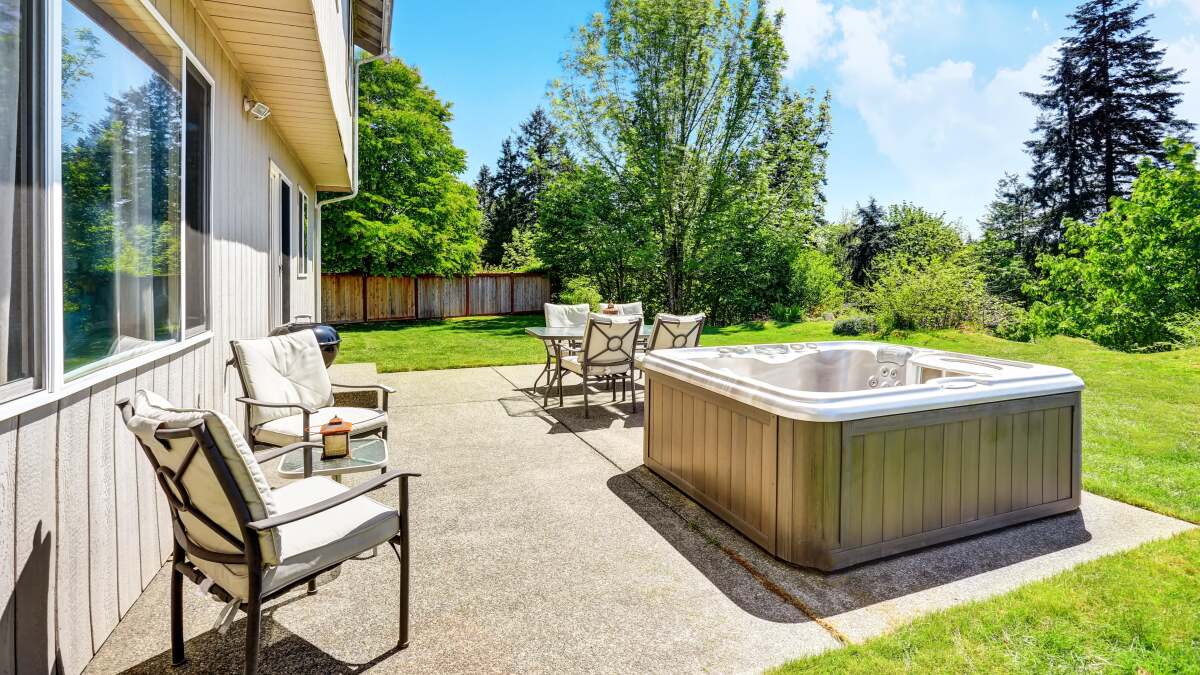
Many sellers also underestimate the power of maintenance anxiety. A huge garden, pond, pool, hot tub, marble floor, or complicated smart-home system can look impressive, but buyers may ask, “How much work is this?” If the answer feels expensive, uncertain, or annoying, they may offer lessor move on.
The most successful renovation experiences usually start with restraint. Homeowners who make practical, well-finished, neutral improvements often have an easier time selling. They fix what is broken, brighten what is dark, simplify what is cluttered, and improve curb appeal without turning the home into a personal monument. In other words, they renovate like people who know future buyers have opinions, budgets, children, pets, allergies, and occasionally questionable taste.
The best advice is to renovate in layers. Start with repairs. Then improve function. Then update cosmetics. Only after that should you consider luxury upgrades. A beautiful backsplash will not distract buyers from a leaking roof. Expensive appliances will not save a kitchen with a poor layout. A fancy patio will not overcome a yard that looks like it requires a full-time groundskeeper named Harold.
Home value grows when improvements make life easier for the widest group of buyers. It shrinks when renovations make the home harder to use, harder to maintain, harder to finance, or harder to imagine as someone else’s. So before spending big, step out of your homeowner shoes and into a buyer’s shoes. If the project still makes sense from that view, it may be worth doing. If not, put down the sledgehammer and back away slowly.
Conclusion
Renovations can increase comfort, beauty, and resale valuebut only when they align with what buyers actually want. Projects that reduce bedrooms, remove garages, eliminate bathtubs, add high-maintenance features, overbuild for the neighborhood, or showcase highly personal taste can decrease your home’s value instead of raising it.
The smartest approach is not to avoid renovating. It is to renovate with strategy. Preserve flexible spaces, choose durable finishes, respect the neighborhood’s price range, keep at least one bathtub, maintain curb appeal, and make sure every major project is done properly and legally. A good renovation should make buyers feel excited, not hand them a mental calculator and a stress snack.
Note: This article is for general educational and SEO publishing purposes. Home values vary by local market, property condition, neighborhood expectations, and buyer demand. Homeowners should consult a local real estate professional, contractor, or appraiser before making major renovation decisions for resale.