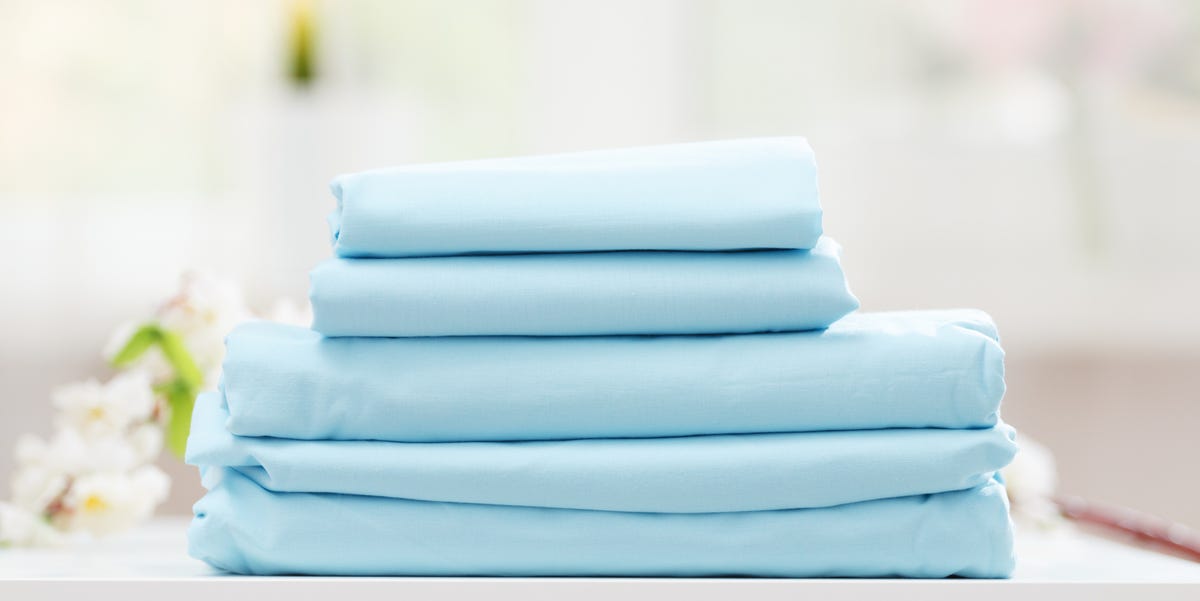
Folding a fitted sheet is one of those household tasks that looks simple until the elastic corners start behaving like a small, cotton-powered octopus. One minute you are confidently handling fresh laundry; the next, you are negotiating with a wrinkled fabric cloud that refuses to become a rectangle. The good news? Learning how to fold a fitted sheet like a pro is not a secret reserved for hotel housekeepers, lifestyle editors, or that one extremely organized aunt with labeled baskets.
The trick is not strength. It is not magic. It is not pretending the sheet is “rustic” and shoving it into the linen closet with the speed of someone hiding evidence. The real method comes down to one smart idea: gather and nest the corners first, then fold the sheet as if it were a regular rectangle. Once the elastic is controlled, the whole sheet calms down dramatically.
This guide walks you through the easiest fitted sheet folding method, common mistakes, storage tips, fabric-specific advice, and real-life experience from the laundry battlefield. By the end, your fitted sheets will look less like a tumbleweed and more like they belong in a tidy guest room photo shoot.
Why Fitted Sheets Are So Annoying to Fold
A flat sheet is basically a polite rectangle. A fitted sheet is a rectangle with elastic edges, rounded corners, deep pockets, and an attitude. Its design is wonderful on the bed because it hugs the mattress and stays in place. Off the bed, those same elasticized corners bunch up, twist inward, and make normal folding nearly impossible.
That is why the biggest mistake is trying to fold a fitted sheet the same way you would fold a flat sheet. If you simply fold it in half over and over, the corners balloon out, the elastic creates lumps, and the final result looks like a fabric burrito assembled during an earthquake.
The professional method solves the problem by turning four unruly corners into one neat corner stack. Once the corners are tucked together, the sheet becomes easier to square off, smooth down, and fold into a compact shape.
What You Need Before You Start
You do not need special tools to fold a fitted sheet neatly. However, a few simple conditions make the job much easier.
Start With a Fully Dry Sheet
Never fold a damp fitted sheet for storage. Moisture trapped in bedding can lead to musty smells, mildew, and sad linen-closet energy. Make sure the sheet is completely dry before folding it. If it is still slightly warm from the dryer, even better. Warm fabric is usually easier to smooth and less likely to hold stubborn creases.
Use a Large Flat Surface
A bed, dining table, clean floor, or large countertop works well. Trying to fold a queen or king fitted sheet in a tiny laundry corner is possible, but so is eating soup with a fork. Give yourself space.
Shake the Sheet First
Before folding, hold the sheet by two corners and give it a gentle shake. This helps loosen wrinkles, separate the corners, and reveal which way the sheet is facing.
How to Fold a Fitted Sheet Like a Pro: Step-by-Step
Step 1: Hold the Sheet Inside Out
Stand with the fitted sheet lengthwise in front of you. Place one hand inside each of the two top corners. The elastic seam should face you, and the wrong side of the fabric should be outward. Think of your hands as puppets wearing very large sheet mittens.
Step 2: Bring the First Two Corners Together
Bring your right hand over to your left hand. Flip the right corner over the left corner so the two corners are nested together. The corner that was on your right hand should now sit neatly over the corner on your left hand.
Step 3: Find the Third Corner
With the first two corners nested, use your free hand to find the next hanging corner. Pick it up and tuck it over the corners already stacked in your hand. Try to align the seams as much as possible. You do not need perfection; you need cooperation.
Step 4: Add the Fourth Corner
Find the final corner and tuck it over the other three. Now all four corners should be nested together in one stack. The sheet will still look floppy, but the wildest part is under control. This is the moment when the fitted sheet realizes you are in charge.
Step 5: Lay the Sheet Down
Place the sheet on your flat surface with the nested corners facing upward. Smooth the fabric with your hands. The goal is to create a rough rectangle. One side may have a curved elastic edge, which is normal. Fold that curved edge inward so the outer shape becomes straighter.
Step 6: Fold the Sheet Into Thirds Lengthwise
Fold one long side toward the center, then fold the opposite long side over it. This hides the elastic edge inside the fold and creates a long, narrow rectangle. Smooth after each fold to reduce wrinkles.
Step 7: Fold Into a Small Rectangle
Fold the rectangle into thirds again from top to bottom, or fold it in half and then in half once more, depending on the sheet size and your shelf space. A twin sheet may only need a couple of folds. A king sheet may require a little more negotiation.
Step 8: Flip It Over for the Pretty Side
For a polished finish, flip the folded sheet so the smooth side faces up. This tiny step makes the folded sheet look much neater in a linen closet. It is the laundry equivalent of putting on sunglasses before walking away from an explosion.
The Table Method for Beginners
If folding the sheet while standing feels awkward, use the table method. Lay the fitted sheet on a bed or table with the elastic facing up. Tuck each bottom corner into the matching top corner, creating a half-size rectangle. Smooth the sheet, fold the curved edges inward, then fold into thirds.
This method is especially useful for deep-pocket sheets, king-size bedding, or anyone who has ever gotten trapped inside a fitted sheet and decided laundry was a contact sport. It may take slightly longer, but it gives you more control and less arm-flailing.
Common Mistakes to Avoid
Mistake 1: Folding Without Matching the Corners
The corners are the whole game. If they are not nested first, the elastic will create lumps. Always match and tuck the corners before trying to make the sheet rectangular.
Mistake 2: Ignoring the Elastic Edge
The elastic edge should be folded inward before the final folds. This hides the bunchy part and gives the sheet clean outside edges.
Mistake 3: Folding While the Sheet Is Damp
A damp sheet may seem harmless, but once stored, it can develop a stale smell. Dry completely before folding and storing.
Mistake 4: Expecting Hotel Perfection on the First Try
Your first folded fitted sheet may look more “homemade dumpling” than “luxury linen closet.” That is fine. The method gets faster every time. After a few tries, your hands will remember where the corners go.
How to Fold Different Types of Fitted Sheets
Cotton Fitted Sheets
Cotton is breathable and common, but it wrinkles easily. Fold cotton sheets as soon as they come out of the dryer, while they are still slightly warm. Smooth each fold with your hands before moving to the next step.
Linen Fitted Sheets
Linen has a relaxed, naturally rumpled look. Do not fight it too aggressively. Fold it neatly, but accept a little texture. Linen is the fabric equivalent of someone who looks stylish without trying.
Microfiber Fitted Sheets
Microfiber tends to be lightweight and slippery. Work on a flat surface so the corners do not slide away from you. Smooth gently to avoid static cling.
Deep-Pocket Fitted Sheets
Deep-pocket sheets have extra fabric at the corners, so they can look bulky even when folded correctly. Spend extra time tucking the corners tightly and folding the elastic edge inward before making the final rectangle.
How to Store Folded Fitted Sheets
Once your fitted sheet is folded, do not toss it into the closet like it owes you money. Store it in a way that keeps your bedding sets together and easy to grab.
Use the Pillowcase Bundle Method
Fold the fitted sheet, flat sheet, and one pillowcase. Stack them together, then slide the stack into the second pillowcase. Fold the open end underneath. This keeps the entire sheet set together, prevents sliding, and saves time when making the bed.
Sort by Size
Group twin, full, queen, and king sheets separately. If your household has multiple bed sizes, labels can prevent the classic bedtime disaster of discovering you brought a full fitted sheet to a queen mattress.
Keep Everyday Sheets Within Reach
Store the sheets you use most often at eye level or in an easy-access drawer. Seasonal bedding, guest sheets, and extra blankets can go higher or farther back.
How Often Should You Wash and Fold Sheets?
For most households, washing sheets weekly is a practical routine. If you sweat heavily, sleep with pets, have allergies, or eat snacks in bed while pretending crumbs are not happening, you may want to wash bedding more often.
After washing, dry sheets thoroughly and fold them soon after the cycle ends. Letting sheets sit in a dryer or laundry basket for hours gives wrinkles time to settle in and establish permanent residence.
Quick Troubleshooting Guide
My Sheet Still Looks Bulky
Check the corners. If they are not fully nested, the sheet will puff out. Reopen the fold, stack the corners again, and smooth the elastic inward.
The Sheet Is Too Big to Handle
Use a bed or table instead of folding in the air. For king-size sheets, the surface method is often easier than the standing method.
I Cannot Tell Which Corners Match
Look for the seams and elastic. Start with two adjacent corners on one long side, then work your way around. Once you have done it a few times, the corner pattern becomes easier to recognize.
My Folded Sheet Does Not Look Perfect
That is completely normal. The goal is not museum-level geometry. The goal is a neat, compact sheet that fits nicely on a shelf and does not explode when you open the closet door.
Pro Tips for a Better Linen Closet
Folding the fitted sheet is only half the victory. A tidy linen closet depends on simple systems. Keep only the number of sheet sets you actually use. Two or three sets per bed are usually enough for many households: one on the bed, one in the wash, and one backup.
Place heavier bedding on lower shelves and lighter sheets above. Avoid overstuffing shelves because compressed linens wrinkle faster and become harder to remove neatly. If your shelves are deep, use bins or baskets so sheets do not disappear into the mysterious back zone where old pillowcases go to retire.
For an extra polished look, fold all sheet sets to roughly the same size. Stack by color, room, or size. A linen closet does not need to look like a magazine spread, but it should help you find what you need without requiring a search party.
Experience Notes: What Actually Works in Real Life
The first time many people try to fold a fitted sheet properly, they realize the problem was never the sheet. It was the lack of a system. Without a method, the corners feel random. With a method, the sheet becomes a puzzle with only four pieces. Once you understand that each corner needs to be tucked into the next, the process starts making sense.
One practical experience is that the bed is usually the best folding station. A table works beautifully if it is clean and large enough, but the bed is already sheet-sized. Spreading the fitted sheet across the mattress gives you room to identify the corners, smooth the middle, and fold without crouching over a tiny laundry basket. For large sheets, especially queen and king sizes, this makes a huge difference.
Another lesson: do not rush the corner stage. People often want to speed through the first part because it feels fiddly. But the cleaner the corner stack, the cleaner the final fold. Spending ten extra seconds aligning the seams can save you from wrestling with a lumpy rectangle later. It is like buttoning a shirt correctly from the top; if the first button is wrong, everything below it becomes suspicious.
Warm sheets are also easier to manage. Pulling them from the dryer and folding them right away reduces wrinkles and makes the fabric more flexible. If the sheet has cooled into a crumpled heap, give it a firm shake and smooth it flat before folding. This will not erase every crease, but it helps the sheet look intentionally folded instead of accidentally compacted.
Deep-pocket sheets require patience. The extra corner depth is great on thick mattresses, mattress toppers, and pillow tops, but it creates more fabric to tuck. The best approach is to exaggerate the corner nesting: push each pocket fully inside the previous one, then flatten the elastic edge before folding into thirds. If you skip that smoothing step, the final fold tends to look puffy.
Storage habits matter just as much as folding technique. The pillowcase bundle method is a favorite because it solves two problems at once: the fitted sheet stays contained, and the full sheet set stays together. No more hunting for matching pillowcases at 10:47 p.m. when all you wanted was a fresh bed and emotional peace.
The biggest mindset shift is accepting that “pro” does not mean flawless. Professional-looking laundry is consistent, compact, and easy to store. A few soft wrinkles are normal, especially with cotton or linen. The real win is opening your closet and seeing folded bedding that does not fall forward like a haunted fabric avalanche.
After a few laundry days, the process becomes surprisingly quick. Hold two corners, tuck, add the other corners, lay flat, fold in thirds, fold again. That is it. No drama, no fabric origami degree, no pretending the messy ball on the shelf is “space-saving.” Once you learn how to fold a fitted sheet like a pro, the task becomes one of those small home routines that quietly makes life feel more organized.
Conclusion
Folding a fitted sheet like a pro is less about perfection and more about controlling the elastic corners. Nest the corners, lay the sheet flat, fold the curved edges inward, and turn the whole thing into a tidy rectangle. With a little practice, you can transform the most annoying piece of bedding into a neat stack that fits beautifully in your linen closet.
The best part is how practical the skill becomes. Your shelves look cleaner, your sheets wrinkle less, and your bedding sets are easier to find. It is a small household upgrade, but small upgrades have a way of making everyday routines feel smoother. And frankly, any chore that makes you feel victorious over elastic deserves a little applause.