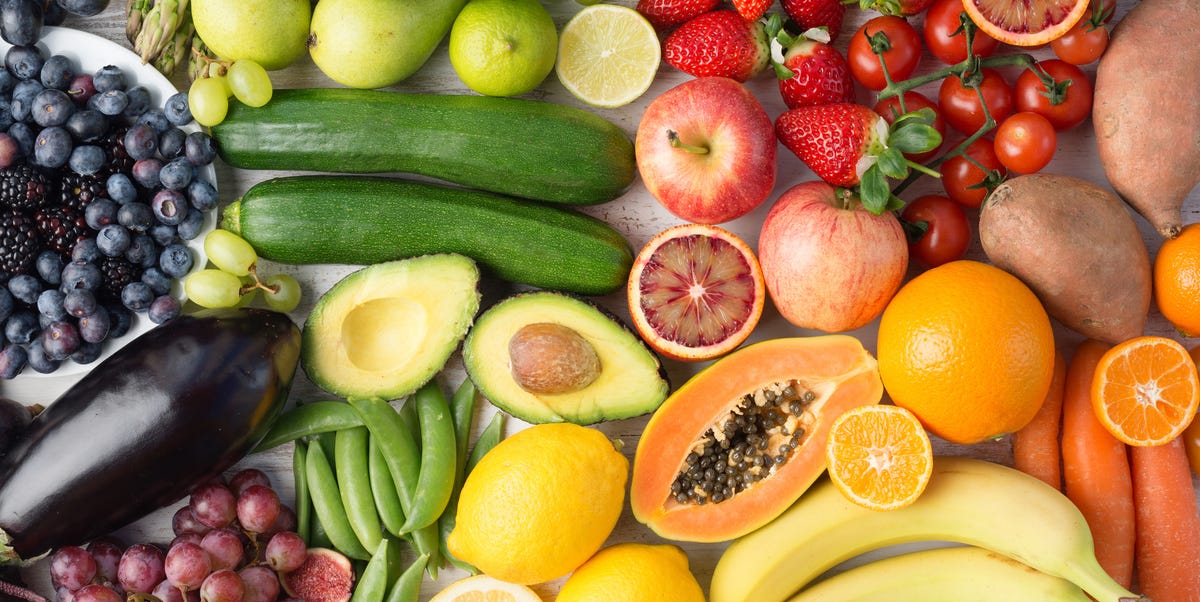
“Organic” may be the hardest-working word in the grocery store. It appears on apples, milk, crackers, baby food, shampoo, cotton sheets, and occasionally a snack that is still, nutritionally speaking, a cookie wearing a leafy green halo. So what does organic actually mean, and is the USDA Organic seal trustworthy?
The practical answer is yes: the USDA seal represents a legally defined production and certification system, not a decorative promise invented by a marketing department. However, it does not mean pesticide-free, nutritionally perfect, locally grown, completely unprocessed, or automatically better in every measurable way. Understanding that distinction can save money, reduce label confusion, and prevent a bag of organic candy from being mistaken for a bag of spinach.
What Does “Organic” Mean Under USDA Rules?
In the United States, organic is a regulated labeling term for agricultural products. It indicates that a farm, ranch, or handling operation followed standards administered through the USDA National Organic Program. Those standards cover production methods, soil and crop management, livestock care, approved inputs, processing, recordkeeping, labeling, and verification by an accredited certifying agent.
For crops, organic management emphasizes practices such as crop rotation, cover crops, biological controls, mechanical cultivation, and soil-building methods. Most synthetic fertilizers and pesticides are prohibited, but the rule is not simply “natural products allowed, synthetic products banned.” The National List identifies certain synthetic substances that may be used and certain nonsynthetic substances that are prohibited. In other words, the standard is a detailed rulebook, not a bumper sticker.
What Organic Production Generally Excludes
Products sold as “100 percent organic” or “organic” cannot be produced using excluded methods such as genetic engineering. They also cannot be processed with ionizing radiation or produced using sewage sludge. These restrictions are part of the federal production requirements, not optional preferences selected by individual brands.
That does not mean an organic field exists inside a force field. Wind, water, neighboring farms, shared equipment, storage systems, and transportation can introduce unintended contact. Organic certification is therefore based primarily on verified practices, preventive controls, records, inspections, and compliancenot a promise that laboratory testing will find absolutely zero traces of every prohibited substance.
Is the USDA Organic Label Really Organic?
Yesaccording to the legal USDA definition. A certified product must be connected to an approved organic system plan, reviewed by a USDA-accredited certifying agent, and supported by records that allow ingredients and products to be traced through the operation. Certified farms and facilities receive an initial on-site inspection and are inspected at least annually afterward.
Certifiers review labels before they are used, verify whether an operation follows its organic plan, and investigate potential noncompliance. USDA and accredited certifiers may require corrective action, suspend or revoke certification, and pursue financial penalties. The system is not flawlessno large supply chain isbut it includes inspections, documentation, enforcement authority, and consequences. That is considerably more substance than a package promising “farm-inspired goodness” beside a watercolor barn.
Recent Rules Tightened Organic Oversight
The USDA’s Strengthening Organic Enforcement rule, implemented on March 19, 2024, expanded certification requirements for many businesses in the organic supply chain. It increased traceability and recordkeeping expectations, addressed fraud-prevention practices, and strengthened oversight of imported organic products.
Organic imports must now be associated with electronic National Organic Program import certificates, creating a more auditable path from the exporter to the U.S. port of entry.
Consumers can also search the USDA Organic Integrity Database to check certified operations and find information about suspended or revoked businesses. The database cannot tell you whether a strawberry tastes like summer vacation, but it can help confirm whether the company behind the label participates in the certification system.
How to Read the Four USDA Organic Label Categories
The front of a package can look simple while the rules behind it are surprisingly specific. Organic percentages are calculated by weight or fluid volume, excluding water and salt.
1. “100 Percent Organic”
Except for excluded water and salt, every ingredient must be certified organic. These products may display the USDA Organic seal. A bag of certified organic rice is a straightforward example. A multi-ingredient product can also qualify if every counted ingredient meets the requirement.
2. “Organic”
The product must contain at least 95 percent certified organic ingredients, excluding water and salt. The remaining portion is restricted and must comply with applicable organic regulations. Products in this category may use the USDA Organic seal. This is the category shoppers commonly see on packaged foods.
3. “Made With Organic…”
A product making a “made with organic” claim must contain at least 70 percent certified organic ingredients. The label may identify up to three ingredients or ingredient categories, such as “made with organic oats and raisins.” It cannot display the USDA Organic seal because 70 percent is not 95 percent, and arithmetic remains stubbornly resistant to branding.
4. Less Than 70 Percent Organic Ingredients
A product below the 70 percent threshold cannot call itself organic on the main display panel and cannot use the USDA seal. It may identify individual certified organic ingredients in the ingredient list. That is useful information, but it is not the same claim as a certified “organic” product.
Does Organic Mean Pesticide-Free?
No. Organic farmers may use pesticides and other crop-protection materials when preventive, cultural, mechanical, and biological approaches are not sufficient. The materials and their uses must comply with organic regulations. Some allowed pesticides come from natural sources, while a limited number of synthetic substances may be used under specific conditions.
The more accurate statement is that organic production restricts which pesticides can be used and prioritizes nonchemical prevention and management. “No pesticides ever” is a catchy slogan, but it is not the federal standard. Natural substances are not automatically harmless, and synthetic substances are not automatically dangerous. Risk depends on toxicity, dose, exposure, application, and other factors.
Conventional food safety also deserves perspective. USDA’s 2024 Pesticide Data Program summary reported that more than 99 percent of tested samples had residues below EPA-established tolerances, while 42.3 percent had no detectable residues. Organic choices may reduce exposure to certain pesticides, but conventional fruits and vegetables should not be treated like radioactive props from a science-fiction movie.
Does Organic Mean Non-GMO?
USDA organic standards prohibit the intentional use of genetic engineering, which the regulations address through the term “excluded methods.” A certified organic product is therefore produced without intentionally using genetically engineered seeds or ingredients. However, the standard focuses on the production system and does not promise that accidental trace presence can never occur.
The reverse is not true: a product labeled “non-GMO” is not automatically organic. It may still be grown with conventional fertilizers or pesticides and may not meet organic requirements for soil management, livestock care, processing, inspections, or handling.
What Does Organic Mean for Meat, Dairy, and Eggs?
Organic livestock must receive certified organic feed and be managed under organic health-care and living-condition standards. Growth hormones are prohibited, and antibiotics cannot be used while an animal remains eligible for organic sale.
Farmers are not allowed to withhold necessary medical treatment from a sick animal. If a prohibited medication is required, the animal must be treated, but it can no longer be marketed as organic.
Organic livestock and poultry must have outdoor access, subject to documented temporary confinement conditions. Organic ruminants such as dairy cows must have pasture access during a grazing season of at least 120 days and receive an average of at least 30 percent of their dry matter intake from pasture during that season.
Still, “organic” is not a universal synonym for “grass-fed,” “free-range,” “pasture-raised,” or “highest possible animal welfare.” Those phrases describe different attributes and may operate under separate government rules or private certifications. Read each claim independently rather than blending them into one imaginary super-label.
Is Organic Food Healthier or More Nutritious?
The evidence is more nuanced than the produce aisle would have us believe. A major systematic review found limited evidence of clinically meaningful nutritional advantages across organic foods and insufficient evidence to conclude that organic diets consistently produce better health outcomes. Nutrient levels can vary with crop variety, soil, weather, harvest timing, storage, animal feed, and many factors besides certification.
Controlled diet-intervention studies have found that switching to organic foods can reduce urinary levels of several pesticide compounds or metabolites. That supports the conclusion that organic purchasing may reduce certain dietary pesticide exposures. It does not, by itself, prove a particular long-term disease benefit for every shopper.
The healthiest decision is usually to eat an adequate variety of fruits, vegetables, legumes, whole grains, nuts, and other nutrient-dense foodsorganic or conventionalrather than buying fewer plants because the organic versions strain the budget. An organic frozen pizza is still a frozen pizza. Certification describes how ingredients were produced; it cannot do push-ups for your diet.
What Organic Does Not Automatically Mean
- Not pesticide-free: Certain compliant pesticides may be used.
- Not residue-free: Unintended environmental or supply-chain contact can occur.
- Not always more nutritious: Nutritional differences are inconsistent and product-specific.
- Not sugar-free or low-sodium: Those are separate nutritional attributes.
- Not minimally processed: Organic ingredients can be used in highly processed foods.
- Not local: Certified organic products can travel across states or oceans.
- Not identical to “natural”: Organic has detailed USDA production standards; natural is a different claim.
- Not allergen-free or pathogen-free: Organic food still requires normal food-safety handling.
Who Can Sell Organic Food Without Certification?
Most operations making organic claims need certification, but federal rules include limited exemptions. A small production or handling operation with $5,000 or less in annual gross income from organic sales may be exempt from certification. It must still follow applicable organic production, handling, labeling, and recordkeeping requirements, and it cannot use the USDA Organic seal.
This distinction can matter at farmers markets. A grower may truthfully describe qualifying produce as organic without being certified, but shoppers should understand the difference between an exempt organic claim and certified use of the USDA seal. A respectful question“Are you certified, or operating under the small-farm exemption?”usually produces better information than staring suspiciously at a zucchini.
What About “Organic” Cosmetics and Personal-Care Products?
Cosmetic labels add another layer of confusion. FDA does not define organic for cosmetics through its own cosmetic regulations. When a cosmetic makes a USDA organic claim based on qualifying agricultural ingredients, it must satisfy applicable USDA organic rules as well as FDA cosmetic labeling and safety requirements.
A product can be marketed with plant-filled language and earthy packaging without qualifying for the USDA seal, so look for an actual certification claim rather than judging the bottle by its fern.
How to Shop Organic Without Emptying Your Wallet
Prioritize the Reason You Are Buying It
Are you trying to reduce exposure to particular pesticides, support a specific farming system, avoid intentional GMO use, or buy products produced under organic livestock standards? A clear goal helps you spend selectively instead of treating the supermarket as a moral obstacle course.
Compare the Ingredient List, Not Just the Seal
Two cereals can both be organic while one contains mostly whole grains and the other contains mostly refined flour and added sugar. Organic certification and nutritional quality answer different questions. Read the Nutrition Facts panel and ingredient list as carefully as the front label.
Use Organic Strategically
Choose organic where the price difference is manageable and the production standard matters most to you. Conventional produce, frozen vegetables, canned beans, and store-brand staples can help keep a healthy diet affordable. USDA research shows that organic farms often face higher production costs, which helps explain some of the premium shoppers encounter.
Verify Unfamiliar Brands
Check the certifier named on the package and use the Organic Integrity Database when a claim seems questionable. Look for the exact phrases “100 percent organic,” “organic,” or “made with organic,” and notice whether the USDA seal is permitted for that category.
Practical Experience: A Seven-Day Organic Label Audit
Consider a realistic shopping experiment: for one week, instead of promising to “go completely organic,” audit every organic claim before putting the product in the cart. This is less dramatic than announcing a total pantry revolution, but it teaches far more.
On day one, the produce section creates the first surprise. The certified organic apples carry the USDA seal, while a nearby display says “naturally grown” in large script. The second phrase sounds pleasant, but it is not the same federal organic claim. The conventional apples are noticeably cheaper. Because the goal is to increase fruit intake without wrecking the grocery budget, the decision is to buy a smaller bag of organic apples and an economical bunch of conventional bananas. The cart contains more fruit, not more guilt.
In the cereal aisle, two green boxes look nearly identical from six feet away. One says “organic” and displays the USDA seal. The other says “made with organic whole grains” and does not. Turning the boxes around reveals the reason: the second product belongs to a different percentage category.
Then the nutrition panels deliver the week’s comic reliefthe fully organic cereal has considerably more added sugar. The lower-sugar option wins. The experience makes one rule unforgettable: the organic label explains production standards; it does not replace nutritional judgment.
The dairy case adds another lesson. Organic milk confirms organic feed and livestock-management requirements, but the front label also includes separate claims about pasture and animal care. Instead of assuming all the phrases mean the same thing, each one is evaluated independently.
The organic carton costs more, so it becomes a priority purchase because supporting that farming system is an important household value. Organic cheese, meanwhile, stays on the shelf because the price premium is too large that week. Shopping according to priorities does not require buying every organic version available.
At a weekend farmers market, a vendor describes tomatoes as organic but displays no USDA seal. A polite question reveals that the farm operates below the small-sales certification threshold. The grower explains the farm’s practices and recordkeeping. That conversation does not transform the tomatoes into certified products, but it clarifies what is being claimed. The tomatoes are purchased because they are fresh, local, and affordablenot because an exemption is mistaken for certification.
Finally, the snack aisle exposes the familiar “health halo.” Organic cookies still contain refined flour, added sugar, and enough chocolate chips to negotiate their own trade agreement. They may meet organic ingredient rules, but they are not suddenly a vegetable. The cookies are bought anyway, in a small package, because dessert is allowed to be dessert. Honesty tastes better than pretending.
By the end of seven days, the biggest benefit is not a perfectly organic cart. It is a more deliberate one. Certified organic products are chosen when their production standards match a meaningful priority and the premium fits the budget. Conventional foods remain useful, regulated, and nutritionally valuable. Vague claims receive questions. Ingredient lists receive attention. The USDA seal becomes neither a sacred symbol nor a scamjust a credible, specific tool used with realistic expectations.
Conclusion: A Real Standard, Not a Perfect-Food Promise
The USDA Organic seal is “really organic” in the sense that matters legally: it represents compliance with a defined federal production and handling system verified through certification, records, inspections, and enforcement. It restricts most synthetic inputs, excludes genetic engineering, sewage sludge, and irradiation, and establishes specific requirements for crops, livestock, processing, and labeling.
What it does not do is guarantee zero pesticides, superior nutrition, perfect animal welfare, local origin, or a healthier finished product. Use the seal as one piece of reliable information, then consider ingredients, nutrition, price, farming priorities, and how much of the food your household will actually eat. The most sustainable organic spinach is still the spinach that does not spend two weeks becoming soup in the back of the refrigerator.