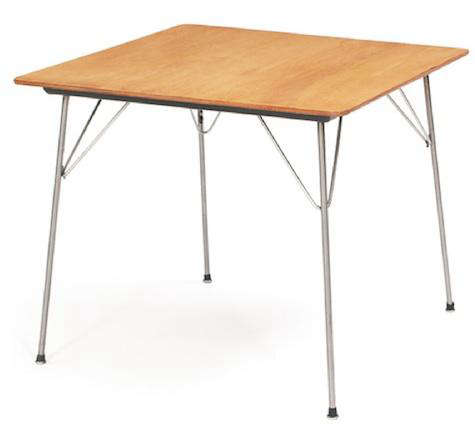
There are few pieces of furniture more underestimated than the card table. It does not swagger into a room like a sectional. It does not collect compliments like a marble coffee table. It certainly does not have the ego of a dining table, which acts like every meal is a state dinner. And yet, when life gets busy, guests show up, cousins demand poker, or your apartment suddenly needs to become a puzzle studio, snack station, homework desk, and emergency holiday overflow zone, the card table becomes the hero nobody saw coming.
That is the real fun behind the phrase high/low card table. It is not just about price. It is about deciding when a simple folding surface is enough and when the table should earn a little more respect. Sometimes the right answer is a low-cost, sturdy folding card table you can stash in a closet. Sometimes the right answer is a design-forward table that looks good enough to leave out all year. The smart choice depends on how you live, how often you host, and how allergic you are to furniture that squeaks like it is narrating its own collapse.
In other words, a card table is no longer just a card table. It can be a game night command center, a small-space dining solution, a temporary office, a kids’ craft station, a balcony supper table, or the MVP of family holidays. The trick is knowing when to save, when to splurge, and what features actually matter in real life.
Why the Card Table Still Matters
The card table has deep roots in home life. Historically, dedicated card tables were associated with leisure, hospitality, and social rituals long before “hosting” became a lifestyle category with ten candles and a playlist. Over time, the form evolved from elegant furniture made for fashionable homes into the practical folding versions many Americans remember from basements, holidays, school events, and family game nights.
That shift is exactly why the card table remains relevant. It sits at the intersection of nostalgia and usefulness. Today’s homes ask furniture to work harder than ever. People want pieces that can move, fold, multitask, and avoid taking over a room when not in use. That makes the folding card table strangely modern. It solves a very current problem: how to create more function without committing to more bulk.
There is also a cultural reason for the comeback. Game rooms, analog entertainment, and cozy at-home gathering spaces are back in style. Families and friend groups want places to play, snack, laugh, compete, and occasionally accuse each other of cheating at rummy with dramatic flair. A good card table fits that mood perfectly. It encourages people to sit down, stay put, and interact without staring at separate screens like houseplants with Wi-Fi.
What “High/Low” Really Means for a Card Table
A true high/low furniture decision is not about whether one table is morally superior to another. It is about fit. The high option usually buys you better materials, cleaner design, sturdier construction, and a look that can live in plain sight. The low option usually buys you flexibility, portability, and the glorious freedom to own furniture that does not need to be babied.
The Case for Going High
A higher-end card table makes sense when the table is going to be visible often, used regularly, or asked to do more than host the occasional game of Go Fish. If your card table also functions as a breakfast table, a work table, a puzzle table, or a stylish side station during parties, a better-looking model earns its keep. Nicer wood veneers, cleaner edge details, stronger leg hardware, and more refined proportions can make the table feel like intentional furniture instead of event equipment.
There is also a psychological bonus to buying up. A card table that looks good gets used more. You are more likely to pull it into the living room, set a lamp on it, use it for Mahjong, or let it become a temporary workspace if it does not scream “church basement bingo finals.” A premium table can make small-space living feel more graceful because it blends function with aesthetics rather than forcing you to choose.
The Case for Going Low
Now let us defend the budget card table, because it deserves better press. A low-cost card table can be one of the most practical buys in the house. If you need something portable, easy to clean, hard to ruin, and simple to store, a basic model is often the smarter move. It is ideal for holiday overflow, kids’ crafts, tailgates, extra dinner seating, garage sales, and the kind of party where nobody should be trusted with red punch near heirloom wood.
Budget tables also reduce fear, which is underrated. You do not panic when someone slams down a deck of cards, drops queso, or decides the table would be perfect for a last-minute science project involving glitter and glue. In certain households, that peace of mind is not a compromise. It is luxury.
How to Choose the Right Card Table
1. Start With Size, Not Style
Most people shop for a card table by appearance first and regret it later. Begin with dimensions. A classic square card table is compact enough for four people while still fitting comfortably in small spaces. That shape works because everyone can see the game, reach the center, and avoid elbow wars that escalate into diplomatic incidents.
Before buying, measure your room with chairs pulled out, not just the footprint of the table itself. A table that technically fits is not the same as a table that functions. You want room for people to sit, move, stand up, and pass snacks without performing a sideways shuffle worthy of a subway commute.
2. Think Hard About Materials
Materials tell you what kind of life the table expects to live. Solid wood or wood-look tables usually feel warmer, sturdier, and more attractive in everyday interiors. Laminate tops are easy to wipe down and resist wear better than many people expect. Plastic or resin tops often win on affordability, portability, and low-maintenance use. Metal frames bring durability, though the quality of the joints and locking mechanisms matters as much as the metal itself.
If the table will live outdoors sometimes, host messy crafts, or handle heavy traffic, easy-clean surfaces matter. If the table will sit in your living room for weeks at a time, visual warmth matters. There is no universal winner. There is only the right material for your chaos level.
3. Check the Legs Like a Detective
A card table can have a beautiful top and still fail miserably if the leg system is flimsy. Stability is everything. Wobble ruins meals, games, puzzles, and trust. Look for strong locking hardware, a frame that does not flex when weight shifts, and feet that sit evenly on the floor. If you have old hardwood floors, bonus points for feet that will not scratch them like a tiny revenge mission.
Leg clearance matters too. Some tables look fine until four adults actually sit down and discover they are all playing footsie against their will. A good table gives knees enough breathing room and keeps support bars from turning dinner into an obstacle course.
4. Decide Whether Foldability Is the Whole Point
Not every attractive small table is a good card table. Foldability is often the feature that makes this category special. If you live in an apartment, host occasionally, or like furniture that disappears when duty is over, folding is a major advantage. The ability to tuck a table into a closet, under a bed, or against a wall is what transforms it from “extra furniture” into “smart furniture.”
Some models also offer adjustable height, which is useful if the table shifts between dining, crafting, serving, and kid-friendly tasks. That flexibility can turn one humble purchase into the Swiss Army knife of your home.
Where to Spend and Where to Save
Spend On:
Stability and hardware. If the table wobbles, the rest does not matter. Strong hinges, dependable locks, and sturdy legs are worth paying for.
Surface quality. If you will see the tabletop often, invest in a finish that looks good and cleans easily. A nice top can make an ordinary room feel more intentional.
Comfortable height and proportions. A card table should feel natural for eating, gaming, writing, and talking. Cheap tables sometimes get the ergonomics wrong.
Save On:
Trend-driven details. You do not need decorative drama on a table whose main purpose is to hold cards, snacks, and a little family tension.
Fancy branding. Unless the design itself matters to your room, function beats label every time.
Overcomplicated features. Cup holders, built-in gadgets, or overly specialized game features are only useful if you will truly use them. Otherwise they are just expensive ways to say “I got carried away.”
How a Card Table Works in Real Homes
The best argument for owning a small-space table is not theoretical. It is real life. One week it becomes the extra dining spot at Thanksgiving. The next week it holds a thousand-piece puzzle. Then it turns into a remote-work surface near a window. After that it hosts cards, cocktails, and a bowl of mixed nuts that vanishes suspiciously fast.
Card tables are especially good in homes without dedicated dining rooms or game rooms. They create temporary function without forcing a permanent layout. That makes them perfect for renters, growing families, frequent hosts, and anyone whose square footage is already negotiating with itself.
They are also useful for design-minded households. A nicer card table can live in a corner with two chairs, a lamp, and a tray, then suddenly become party infrastructure when needed. That flexibility is the essence of good furniture today: adaptable, attractive, and not too precious to be useful.
Styling a Card Table So It Does Not Look Sad
Yes, even a card table can be styled. No, it does not need a fourteen-step tablescape and a violin solo.
Start with lighting. Warm, low lighting makes any game setup feel more inviting. Add a small lamp nearby if the table lives out in the open. Use a tablecloth, fitted cover, or washable runner when you want to soften a basic surface. Comfortable chairs matter more than people think, especially for long games. If the chairs are folding too, add cushions or throws so guests do not feel like they have been seated for a municipal meeting.
Keep the center functional. A shallow bowl for snacks, a deck tray, coasters, or a compact centerpiece can make the table feel finished without interfering with play. For adults, think cozy café energy. For families, think cheerful and practical. For serious card sharks, keep the decor minimal and the accusations unsubstantiated.
Maintenance: Keep It Alive and Keep It Clean
Maintenance is not glamorous, but it is what separates a table that lasts from a table that starts leaning like it is emotionally exhausted. Wipe spills quickly. Dust regularly. Protect the surface with placemats or coasters when appropriate. If the table has a wood finish, give it the care you would give other indoor wood furniture. If it folds, check the hardware now and then and tighten anything that loosens over time.
Most importantly, store it dry and store it well. A folding table should close smoothly, rest flat, and avoid damp corners that can warp surfaces or corrode hardware. Even a budget table lasts longer when it is not being punished between uses.
Experience Section: Living With a High/Low Card Table
My favorite thing about the high/low card table debate is that it sounds like a design question, but it turns into a life question almost immediately. You start by asking, “Should I buy the expensive one or the cheap one?” Then, five minutes later, you are really asking, “Who am I in my own home? Am I the kind of person who hosts weekly game nights with cloth napkins and a signature snack mix, or am I the kind of person who needs a dependable square surface that can survive markers, nacho cheese, and an overly competitive uncle?” The answer, of course, is often both.
I have seen card tables perform minor miracles. In a small apartment, one can become a dining table for two on Friday, a laptop desk on Monday, and a puzzle station by Tuesday night. In a family house, it can absorb the overflow when the main table is full, giving kids or cousins their own little island of chaos. During holidays, the card table is often the unsung peace treaty. It keeps the dining room from feeling overpacked, gives desserts a landing zone, and somehow makes the whole gathering feel more relaxed.
There is also something charming about the way a card table lowers the stakes of entertaining. A formal dining table asks for a plan. A card table says, “Sit down, we’ll figure it out.” That is part of its appeal. It makes gatherings feel casual in the best possible way. People lean in more. They laugh louder. They are less worried about perfection. A folding card table can make a living room feel like a pop-up café, a game den, or a secret little social club operating on pretzels and house rules.
On the practical side, the difference between a high and low card table shows up most clearly after a few hours of use. A higher-end table usually feels better under pressure. It is steadier, quieter, and more pleasant to touch. It does not shimmy every time someone reaches for chips and salsa. It looks better in daylight. It earns the right to stay out. A lower-priced table, though, has its own superpower: freedom. You are not nervous around it. You use it without ceremony. It joins the action instead of demanding protection from it.
That is why I think many homes benefit from honesty more than ambition. If your table will mostly come out for birthdays, holidays, card games, and occasional projects, a budget-friendly model may be exactly right. It is hardworking, portable, and refreshingly un-fussy. But if you want a table that can blend into your everyday decor, support regular use, and carry some visual weight in the room, spending more makes sense. A beautiful card table does not feel silly when you use it for coffee, writing, or an impromptu dinner.
In the end, my personal experience with card tables can be summed up this way: the best one is the one you actually use. Not the one with the fanciest finish. Not the one with the lowest price tag. The one that fits your room, your habits, and your mess tolerance. A good card table earns trust by being ready whenever life needs an extra surface. And honestly, in modern homes, that is not a side job. That is a promotion.
Conclusion
The humble card table has graduated from backup furniture to strategic household asset. Whether you go high or low, the smartest choice is the one that matches your space, hosting style, and daily habits. If you want a table that disappears, survives anything, and works hard without complaint, go budget and focus on stability. If you want a table that can stay visible, support regular use, and pull some design weight, spend more on better materials and cleaner construction. Either way, the right card table proves that useful furniture does not have to be boring. Sometimes the smallest table in the house ends up doing the biggest job.