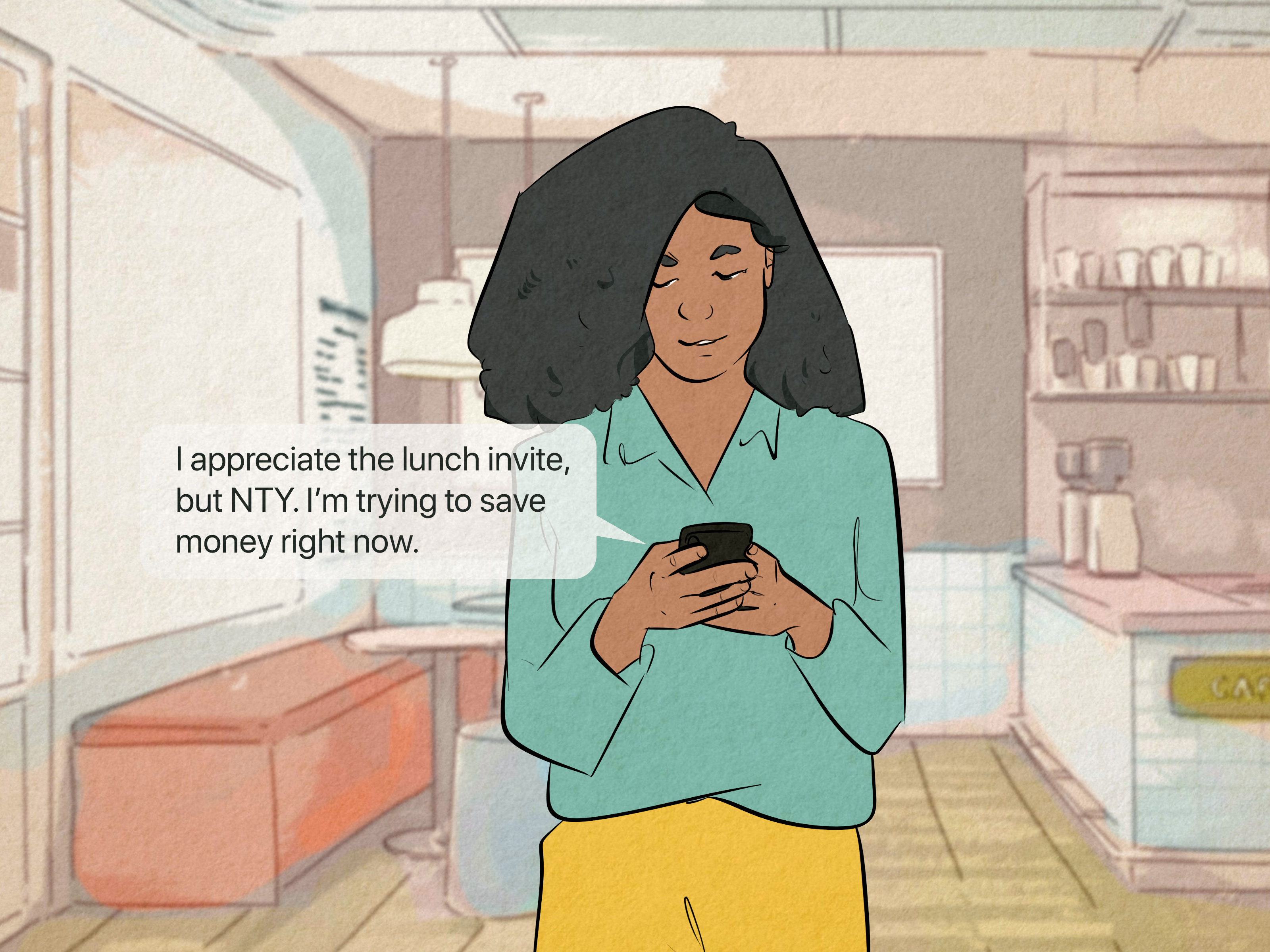
You are scrolling through a group chat when someone types, “Pizza at 11?” Another person replies, “CBA.” No explanation. No punctuation. Just three tiny letters carrying the emotional weight of a person who has become one with the couch.
So, what does CBA mean in slang? In most texting, social media, gaming, and casual online conversations, CBA means “can’t be arsed.” It is a blunt, humorous way of saying you do not have the energy, motivation, patience, or desire to do something.
CBA Meaning in Slang: The Quick Answer
CBA = can’t be arsed.
In plain American English, it usually means:
- “I don’t feel like it.”
- “I don’t have the energy for that.”
- “That sounds like too much effort.”
- “Please do not make me put on real pants.”
The phrase is informal and slightly rude because “arse” is British slang for “butt.” Still, in many casual conversations, CBA is used more as a joke than as a serious insult. It communicates low motivation, mild annoyance, exhaustion, or a strong desire to remain horizontal.
For example:
“Are you coming to the gym?”
“Honestly, CBA today.”
The speaker is not saying the gym is evil. They are simply saying their motivation has left the building, likely wearing sweatpants.
What Does “Can’t Be Arsed” Actually Mean?
“Can’t be arsed” is a slang phrase that means someone cannot be bothered to make an effort. It does not mean they are physically unable to do something. Usually, it means they do not want to spend the time, energy, or brainpower required.
Think of CBA as the digital cousin of these phrases:
- “I’m not feeling it.”
- “I don’t have the energy.”
- “That sounds exhausting.”
- “Hard pass.”
- “Not today.”
- “I cannot deal with this right now.”
The exact emotional flavor depends on context. Someone might say CBA because they are tired after work, annoyed by a complicated task, overwhelmed by messages, or simply too comfortable under a blanket to participate in society.
CBA vs. “Can’t Be Bothered”
Although the letters in CBA stand for “can’t be arsed,” American readers often interpret the slang as “can’t be bothered.” The two phrases communicate nearly the same idea: a lack of motivation or willingness to do something.
“Can’t be bothered” is generally safer for American audiences because it is not vulgar. For example:
“I can’t be bothered to cook tonight, so I ordered tacos.”
That sentence has the same mood as “CBA cooking tonight,” but it is less likely to confuse your aunt, your manager, or a customer-service representative who did not volunteer to decode internet shorthand at 8:04 a.m.
Does CBA Mean “Can’t Be Asked”?
Sometimes people use CBA to mean “can’t be asked.” This version is usually a softened or altered interpretation of the original slang phrase. It may appear in text messages, social posts, or school conversations where someone wants to avoid using a rude word.
Still, the most widely recognized slang meaning is “can’t be arsed.” When clarity matters, especially for an international audience, it is better to write the full phrase you mean rather than relying on CBA alone.
How to Use CBA in Texting and Social Media
CBA works best in casual conversations with friends, siblings, classmates, gaming buddies, and people who already understand your sense of humor. It is short, expressive, and ideal for moments when you want to say, “Nope,” without composing a full paragraph about why you have become emotionally unavailable to errands.
Everyday CBA Text Examples
Here are some natural examples of how CBA can appear in messages:
“I have laundry to fold, but CBA.”
“CBA going out tonight. Let’s watch a movie instead.”
“I know the assignment is due tomorrow, but I CBA opening my laptop.”
“Traffic is awful, and I CBA sitting in the car for another hour.”
“CBA arguing about this in the comments.”
“You want me to make a spreadsheet for a weekend trip? CBA.”
“I was going to clean my room, but then I looked at the room. CBA.”
In each example, CBA signals a refusal or lack of motivation. The tone may be playful, dramatic, tired, or mildly irritated.
CBA in Captions and Posts
On social media, CBA often appears in captions that joke about laziness, burnout, errands, work, school, or social plans. It is especially useful when the post includes a photo of someone lying in bed, ignoring a to-do list, or staring at a sink full of dishes as though it contains ancient riddles.
Examples include:
“Me pretending I’ll start my new routine on Monday. CBA.”
“When the recipe says ‘wash and chop vegetables.’ CBA.”
“My package says ‘some assembly required.’ CBA, respectfully.”
“Everyone is making plans for Saturday. I’m already tired. CBA.”
In these situations, CBA can make a caption feel casual, relatable, and a little self-aware. It says, “Yes, I know I should probably do this. No, I will not be doing this right now.”
CBA in Gaming Chats
Gamers may use CBA when they do not want to continue a difficult level, grind for an item, update a game, or deal with a long tutorial. The phrase can be lighthearted, but it can also sound dismissive if teammates are depending on the person.
“We need one more match for the reward.”
“I know, but CBA tonight. My brain is done.”
That is usually fine among friends. However, typing “CBA” and disappearing during a ranked match may earn you the digital equivalent of everyone slowly turning to stare at you.
The Tone of CBA: Funny, Tired, or Rude?
CBA is not automatically rude, but it can sound blunt. Its tone depends on the relationship between the people talking, the situation, and whether the message includes any context.
Used with close friends, CBA can be funny and relatable:
“Want to walk to the store?”
“It’s raining sideways. CBA.”
Used with someone you barely know, it can sound cold:
“Could you send the report before lunch?”
“CBA.”
That second example is not a clever use of slang. It is a fast track to becoming the subject of a meeting titled “Communication Expectations.”
When CBA Sounds Playful
CBA usually feels playful when:
- You are talking with friends who use informal slang.
- The task is small and harmless, such as folding laundry or choosing a movie.
- You add context, emojis, or a joking explanation.
- The conversation already has a relaxed tone.
When CBA Can Sound Rude
CBA may sound rude or dismissive when:
- Someone is asking for help with something important.
- You use it in a workplace, school, or professional setting.
- You are replying to a serious message.
- You use it without explanation to shut down a conversation.
- The person reading it does not know the slang.
A good rule: if you would not say “I can’t be bothered” out loud in that situation, do not type CBA and hope three letters will magically become polite.
Should You Use CBA at Work?
Usually, no. CBA belongs in informal conversations, not professional emails, client chats, job interviews, or messages to a supervisor. Even if your workplace uses casual language, CBA can sound unprofessional, vague, or openly resistant.
Instead of writing:
“CBA revising this document again.”
Try:
“I can revise it, but I’ll need clarification on the requested changes.”
Or, if you are overwhelmed:
“I have several urgent tasks in progress. Which item should I prioritize?”
Those alternatives communicate the same underlying problem without making it sound as though you have staged a personal protest against effort itself.
CBA Compared With Similar Texting Slang
Internet slang can be confusing because several abbreviations express a similar “my brain has clocked out” mood. Here is how CBA compares with a few common alternatives.
CBA vs. IDK
IDK means “I don’t know.” It expresses uncertainty.
CBA means “I can’t be arsed.” It expresses unwillingness or low motivation.
“What time does the store close?”
“IDK.”
“Can you check what time the store closes?”
“CBA.”
One person lacks information. The other person has decided that searching is a problem for Future Humanity.
CBA vs. NVM
NVM means “never mind.” It is used when something no longer matters or when someone wants to withdraw a question.
CBA means the person does not want to make the effort.
“Can you send me that link?”
“NVM, I found it.”
“Can you send me that link?”
“CBA looking through old messages.”
CBA vs. “I Can’t Even”
“I can’t even” often expresses disbelief, embarrassment, frustration, or being overwhelmed. CBA is more specific: it is about not wanting to do something.
“That plot twist was ridiculous. I can’t even.”
“The episode is 90 minutes long. CBA watching it tonight.”
Other Meanings of CBA Outside Slang
Context matters because CBA can mean several different things. In casual online messages, it usually means “can’t be arsed.” In work, business, labor, or policy discussions, it may mean something completely different.
CBA as Collective Bargaining Agreement
In labor relations, CBA commonly means collective bargaining agreement. This is a formal contract negotiated between an employer and a union. It may cover wages, benefits, work schedules, workplace rules, grievance procedures, and other employment conditions.
Example:
“The union and the company are negotiating a new CBA.”
Clearly, this has nothing to do with being too tired to load the dishwasher.
CBA as Cost-Benefit Analysis
In business, economics, and government planning, CBA can mean cost-benefit analysis. This is a process for comparing the likely costs of a decision with its potential benefits.
Example:
“Before approving the project, the agency completed a CBA.”
Again, context saves the day. If your professor says, “Complete the CBA,” they probably do not mean “lie down and avoid responsibility.”
How to Tell Which CBA Meaning Someone Means
Use the topic of the conversation as your clue.
- Texting, memes, social media, gaming: usually “can’t be arsed.”
- Workplace contracts, unions, employee negotiations: collective bargaining agreement.
- Budgets, projects, investments, government decisions: cost-benefit analysis.
- Friend asks about dinner plans: definitely not a labor contract.
When in doubt, ask. A simple “Do you mean can’t be bothered or cost-benefit analysis?” can prevent a surprisingly awkward misunderstanding.
How to Reply When Someone Says CBA
Your reply depends on whether they are joking, tired, annoyed, or trying to escape a task with the elegance of a sleepy cat.
For a funny response, try:
“Fair. Your motivation has filed for early retirement.”
“Same. We’ll reschedule adulthood for tomorrow.”
“Understandable. Have a low-effort day.”
For a supportive response, try:
“No worries. Get some rest.”
“That sounds like a lot. We can do it later.”
“I get it. Want me to handle this part?”
For a practical response, especially when something still needs to happen, try:
“No problem. What is the easiest version of this we can do?”
“Can we split it into smaller tasks?”
“Let’s take a break and come back to it later.”
Frequently Asked Questions About CBA Slang
Is CBA used in the United States?
It can be understood in the United States, especially among people who spend time online or interact with international English speakers. However, it is more strongly associated with British, Australian, and New Zealand slang. Americans are more likely to say “I can’t be bothered,” “I don’t feel like it,” or “I’m not doing that.”
Is CBA inappropriate?
It can be mildly vulgar because of the word “arse,” although many people use it casually. Avoid it in formal settings, professional messages, schoolwork, or conversations with people who may not appreciate slang.
Can CBA be used as a full sentence?
Yes. Someone can simply reply “CBA” when a friend suggests an activity. It is a short, informal way to say they do not want to do it.
What is a polite alternative to CBA?
Try “I don’t have the energy for that today,” “I’m going to pass,” “I’d rather not,” or “Could we do that another time?” These options are clearer and much friendlier in situations where tone matters.
Real-Life Experiences With CBA Slang: Why Three Letters Can Say So Much
One reason CBA survives in texting culture is that it captures a very specific modern feeling: you are technically capable of doing something, but every part of your personality has voted against it. The task might take five minutes. You may even know it would improve your life. Yet the thought of starting it feels like being asked to assemble a bookshelf during an earthquake.
A college student might use CBA after a long day of classes, work, commuting, and pretending to understand a reading assignment with twelve footnotes per paragraph. At 10:30 p.m., their roommate asks, “Want to go get snacks?” The answer is not “No, I object to snacks.” It is “CBA leaving the building.” That response says, “I support snacks emotionally, but my body has become furniture.”
Friends also use CBA to make ordinary laziness sound more dramatic and communal. One person writes, “I should probably answer my emails.” Another replies, “CBA.” Suddenly, the conversation is no longer about poor inbox habits. It is a tiny support group for people who have been defeated by notification badges. Nobody is proud of it, but everybody understands.
In family group chats, CBA can create a generational comedy moment. A younger person might type, “CBA cooking, ordering food.” An older relative may respond, “What is CBA?” Then someone explains it, someone else objects to the phrase, and an aunt sends a thumbs-up emoji that may or may not mean approval. The original dinner plan becomes a linguistic seminar with delivery fees.
At work, however, people quickly learn that CBA has boundaries. Saying “CBA” to a friend who asks you to pick a restaurant is harmless. Typing it in response to a coworker who needs a project update is less charming. The same slang that sounds funny in a meme can sound dismissive in a professional setting. Context is the difference between being relatable and being mysteriously removed from the next team assignment.
There is also a difference between using CBA as a joke and using it as a warning sign that someone is genuinely burned out. If a friend says “CBA” once because they do not want to iron a shirt, laugh with them. If they say it constantly about school, work, sleep, food, plans, and things they normally enjoy, it may be worth checking in. Sometimes “I can’t be bothered” means “I need a break,” and sometimes it means “I’m struggling more than I want to explain in a group chat.”
Ultimately, CBA is popular because it is efficient. It turns an entire internal monologue“I am tired, unmotivated, mildly annoyed, and unwilling to invest effort in this task”into three letters. That is linguistic economy at its finest. Or, at least, it is linguistic economy for people who CBA typing the full sentence.
Final Thoughts
In slang, CBA usually means “can’t be arsed,” a casual way to say you cannot be bothered, do not feel like making the effort, or simply have no energy left for a task. It is most at home in friendly texts, memes, gaming chats, and social media posts where the tone is relaxed.
Use it carefully. CBA can be funny and relatable among friends, but it may confuse American readers or sound rude in professional situations. When context is unclear, write out what you mean. After all, saving three letters is not worth accidentally telling your boss that you have declared war on productivity.