An heirloom copper tea kettle is not just a kitchen tool. It is a tiny, shiny time machine with a handle. It may have boiled water for your grandmother’s afternoon tea, sat proudly on a farmhouse stove, or survived three moves, two kitchen remodels, and at least one family member who thought the dishwasher was “probably fine.” Spoiler: it was not fine.
Today, the heirloom copper tea kettle is having a well-deserved comeback. Homeowners love its warm glow, collectors appreciate its craftsmanship, and tea drinkers enjoy the ritual of heating water in something with more personality than a plastic button on an electric base. But copper is also a material with rules. It heats beautifully, ages dramatically, and demands a little respect. Treat it well, and it can become the most photogenic object in your kitchen. Treat it badly, and it will sulk in tarnish, dents, and questionable green crust.
This guide explains what makes a copper tea kettle special, how to choose one, how to use it safely, how to clean and polish it, and how to decide whether an antique copper kettle belongs on the stove or on a display shelf. Let’s pour a cup of practical elegance.
What Is an Heirloom Copper Tea Kettle?
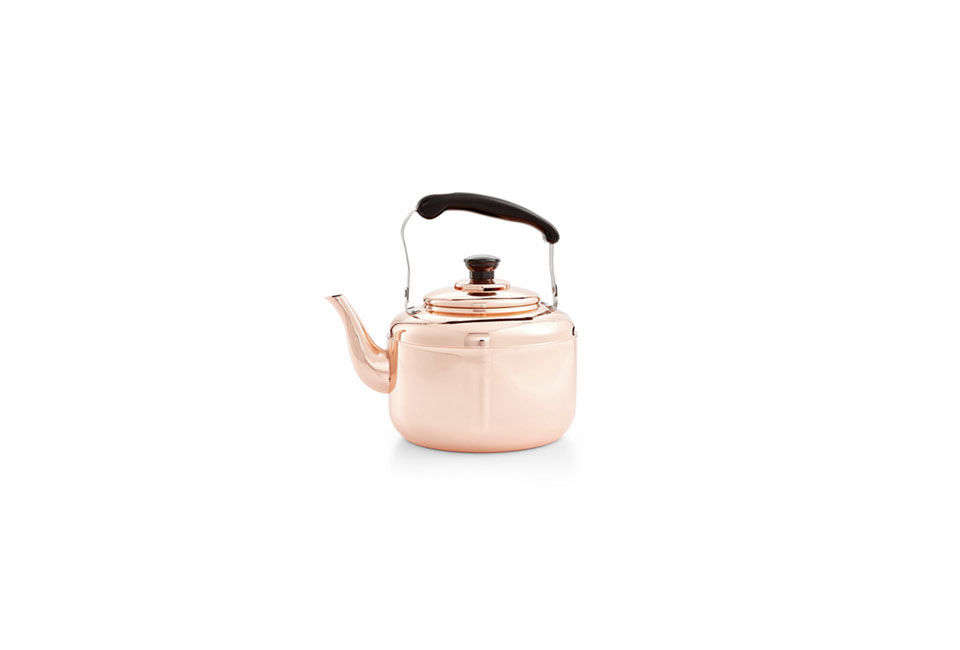
An heirloom copper tea kettle is a copper vessel designed primarily to heat water for tea, coffee, cocoa, or other hot drinks. The word “heirloom” suggests more than age. It implies durability, emotional value, craftsmanship, and the kind of charm that makes guests say, “Where did you get that?” before you have even found the mugs.
A true tea kettle is different from a teapot. A kettle heats water. A teapot steeps tea leaves. That distinction matters because not every vessel that looks tea-related should go on a burner. Many ceramic, porcelain, glass, or decorative teapots can crack, stain, or fail under direct stovetop heat. A copper tea kettle, when made for stovetop use, is built to meet heat directly.
Traditional copper kettles may be smooth, hammered, hand-riveted, tin-lined, stainless-lined, brass-handled, wood-handled, or purely decorative. Some whistle. Some do not. Some look like they belong in a French country kitchen; others look like they were borrowed from a Victorian novel where everyone has excellent posture and complicated feelings.
Why Copper Makes a Beautiful Tea Kettle Material
Copper has long been loved in kitchens because it responds quickly to heat. In cookware, that means better control and more even warming. For a tea kettle, the benefit is simple: copper transfers heat efficiently, helping water warm quickly and giving the kettle a lively, responsive feel on the stove.
But performance is only half the story. Copper also changes visually over time. A brand-new copper kettle has a bright rose-gold shine. With age, air, moisture, oils, and heat create a deeper patina. Some owners polish their copper until it gleams like a sunset wearing jewelry. Others prefer the mellow, weathered look that says, “Yes, I have lived, and I have opinions.”
The charm of patina
Patina is the natural darkening and color change that forms on copper as it reacts with its environment. Light brown, amber, cinnamon, and deeper bronze tones are normal and often desirable. Patina gives an heirloom copper tea kettle its character.
However, not all color changes are equally charming. Blue-green crust, powdery green buildup, or fuzzy corrosion may be verdigris, especially if it appears inside the kettle or around seams. Verdigris is not a cute vintage accent. It is a warning sign. If you see it on a surface that contacts water, stop using the kettle until it has been properly inspected and restored.
Is a Copper Tea Kettle Safe to Use?
A copper tea kettle can be safe when it is designed for heating water, kept clean, and properly lined or constructed. The biggest safety concern is direct contact between bare copper and acidic foods or drinks. Acidic ingredients such as lemon juice, vinegar, wine, and tomato-based liquids can dissolve copper into food or drink. That is why copper cookware is commonly lined with tin, stainless steel, or another food-safe metal.
For tea kettles, the usual job is boiling plain water. Water is generally less reactive than acidic liquids, but an old kettle still deserves caution. If the interior is worn, damaged, unknown, heavily corroded, or green with suspicious enthusiasm, treat the kettle as decorative until a professional can evaluate it.
Practical safety checklist
- Use the kettle only for heating water, not brewing tea leaves directly inside.
- Do not heat vinegar, lemon water, cider, wine, or acidic drinks in a copper kettle.
- Check the interior lining before using an antique copper tea kettle.
- Avoid any kettle with green corrosion inside the water chamber.
- Do not use a kettle with loose rivets, leaking seams, a cracked handle, or a damaged spout.
- When in doubt, display it proudly and boil water in something boring but safe.
Tin-Lined vs. Stainless-Lined Copper Kettles
Many functional copper kettles are lined. The lining acts as a barrier between the water and the copper body. Two common linings are tin and stainless steel.
Tin-lined copper
Tin is traditional, smooth, and historically common in copper cookware. It offers a gentle interior surface, but it is softer than stainless steel. That means it can scratch if attacked with metal tools, abrasive pads, or the energy of someone cleaning after midnight. Tin also requires more care with heat. A kettle should never be left empty on a burner because dry heat can damage the lining.
Stainless-lined copper
Stainless steel is tougher and more modern. It resists scratching better than tin and is easier for many households to maintain. A stainless-lined copper tea kettle may be a good choice if you want heirloom looks with fewer maintenance worries. It still should be hand-washed and dried carefully, but it is generally more forgiving.
How to Choose an Heirloom Copper Tea Kettle
Buying an heirloom copper tea kettle is partly practical shopping and partly treasure hunting. The goal is to find a piece that looks beautiful, functions safely, and does not require a restoration budget large enough to make your wallet steep itself in sorrow.
1. Inspect the interior first
The outside gets all the compliments, but the inside tells the truth. Look for a clean, smooth interior. If the kettle is lined, check whether the lining is intact. Worn spots, exposed copper, pitting, flaking, or green deposits are red flags. If the kettle is purely decorative, interior condition matters less. If you plan to use it, interior condition matters most.
2. Check the seams and rivets
Heirloom copper kettles often have riveted handles and formed seams. Make sure rivets are tight and seams are not cracked. Fill the kettle with water over a sink and let it sit briefly to check for leaks. A tiny drip may look harmless, but on a hot stove it becomes a tiny drama.
3. Consider the handle
Wood handles can be beautiful and comfortable, but they should be stable, secure, and free from deep cracks. Brass or iron handles are durable but can become hot. A handle that wobbles is not charming; it is a future splash incident wearing vintage clothing.
4. Look for a flat base
A kettle with a warped bottom may heat unevenly or sit poorly on modern stovetops. Gas burners are more forgiving. Smooth electric and glass cooktops prefer flat bottoms. Induction cooktops are pickier still.
5. Know your stove type
Most pure copper kettles do not work on induction cooktops because copper is not magnetic. Some modern copper kettles include a magnetic stainless or iron base, making them induction-compatible. The quick test is simple: place a magnet on the bottom. If it sticks firmly, the kettle may work on induction. If it slides off like it has better plans, use gas, electric, or a compatible adapter plate.
How to Use a Copper Tea Kettle Properly
Using an heirloom copper tea kettle is easy, but the small habits matter.
Fill before heating
Never heat an empty copper kettle. Add enough water before placing it on the burner. Dry heating can damage linings, loosen joints, discolor the metal, and turn a peaceful tea ritual into a repair project.
Use moderate heat
Copper responds quickly, so blasting it with maximum heat is usually unnecessary. Medium heat is often enough. On gas, keep flames under the base rather than licking up the sides. Flames climbing the copper exterior can discolor the kettle and overheat handles.
Remove after boiling
Once the water boils, remove the kettle from the heat. Pour the water into a teapot, mug, French press, or pour-over brewer. Do not let water boil away. The kettle is an heirloom, not a steam-powered stress test.
How to Clean an Heirloom Copper Tea Kettle
The first rule of copper kettle care is simple: hand-wash only. The dishwasher is too harsh for copper, old seams, delicate linings, lacquered finishes, and your future happiness.
Daily cleaning
After use, let the kettle cool. Wash the exterior gently with warm water, mild dish soap, and a soft sponge or cloth. Rinse thoroughly and dry immediately with a soft towel. Drying matters because water spots and minerals can dull the finish.
Cleaning the inside
If the kettle is lined with stainless steel, mild soap and warm water are usually enough. If mineral scale builds up, use a gentle descaling method recommended by the maker. Be cautious with strong acidic soaks in antique copper pieces, especially if the lining is unknown or damaged. For tin-lined interiors, avoid abrasive scrubbers. Soft cloths and patience are your friends.
Polishing the copper exterior
For a bright shine, use a copper polish made for cookware or a gentle natural method such as lemon and salt, vinegar and salt, or a flour-vinegar-salt paste. Apply gently, rinse well, and dry completely. Do not use harsh abrasives, steel wool, or aggressive scouring powders. Copper is tough, but its finish can be scratched by overenthusiastic cleaning.
If your kettle has a lacquered finish, do not polish it like raw copper. Lacquered copper has a clear protective coating that can be damaged by acidic cleaners and polishes. Wash lacquered pieces with mild soap and water only unless the manufacturer says otherwise.
Should You Polish or Preserve the Patina?
This is the great copper question, right after “Who used my good tea?” Polishing is a matter of taste. A polished heirloom copper tea kettle looks bright, formal, and display-ready. A patinated kettle looks warm, historic, and relaxed.
If the kettle is valuable, antique, or collectible, think carefully before stripping away age. Some collectors prefer original patina because it shows history and authenticity. Over-polishing can soften details, reduce character, or make an antique piece look suspiciously new. For everyday kitchen decor, choose the finish that makes you smile when you walk into the room.
Common Mistakes to Avoid
Putting it in the dishwasher
Dishwashers can discolor copper, damage linings, loosen old joints, and ruin lacquered finishes. The machine may be convenient, but it is not invited to this tea party.
Using it for acidic drinks
Do not heat lemonade, vinegar mixtures, cider, wine, or herbal blends with acidic ingredients directly in a copper kettle. Heat water only, then pour it over tea or ingredients in another vessel.
Ignoring green corrosion
Green corrosion inside a kettle is not “rustic.” It is a stop sign. Do not use the kettle until it has been cleaned, inspected, and, if necessary, restored by a professional.
Leaving water inside overnight
Empty the kettle after use. Standing water can encourage mineral buildup and staining. A dry kettle is a happier kettle.
Decorating with an Heirloom Copper Tea Kettle
Even if your copper tea kettle is no longer suitable for boiling water, it can still be useful. A retired kettle can become a centerpiece, shelf accent, vase for dried flowers, holiday display, or kitchen conversation piece. Place it near wood cutting boards, white ceramics, linen towels, cast iron, or open shelving for a warm, layered look.
Copper pairs beautifully with farmhouse, cottage, traditional, French country, rustic, modern organic, and vintage-inspired kitchens. It adds warmth where stainless steel feels cool and texture where cabinets feel too flat. A single copper kettle can make a kitchen look collected instead of purchased in one panicked weekend.
Experience Notes: Living with an Heirloom Copper Tea Kettle
The best way to understand an heirloom copper tea kettle is not just to study it, but to imagine it in daily life. A modern electric kettle is fast and efficient, which is wonderful when the morning schedule is running on chaos and toast crumbs. But an heirloom copper kettle changes the rhythm. It asks you to fill it, set it on the stove, listen for the low murmur of heating water, and pay attention. That small ritual can make tea feel less like caffeine delivery and more like a pause button.
In a family kitchen, a copper kettle often becomes part of the room’s emotional furniture. People remember the sound it made, the place it sat, and the person who used it most. One person may remember a grandmother polishing it before holidays. Another may remember it sitting on the back burner during winter, glowing beside a pot of soup. Someone else may remember being told, with great seriousness, not to touch the handle because “hot means hot,” a lesson that requires only one demonstration.
There is also a practical learning curve. The first experience many people have with old copper is surprise: it tarnishes faster than expected. You polish it, admire it, blink twice, and suddenly a fingerprint appears like a tiny ghost of snack time. That is normal. Copper is reactive, and its surface records contact with air, moisture, skin oils, heat, and cleaning habits. Once you accept that the kettle is not meant to look factory-new forever, ownership becomes easier. You stop fighting every warm brown shadow and start choosing when shine matters.
A good routine helps. After boiling water, empty the kettle. Let it cool. Wipe it dry. If the exterior looks dull, give it a gentle cleaning on a quiet afternoon. Polishing copper can be oddly satisfying. It is the kitchen version of restoring an old photograph: slow, detailed, and rewarding. The glow comes back gradually, especially around curves, spout edges, and rivets. Those little details are where handmade or vintage pieces show their personality.
Using an heirloom kettle also teaches respect for materials. Copper is not stainless steel in a fancy outfit. It has strengths and limits. It heats quickly, looks gorgeous, and lasts for generations when cared for properly. But it dislikes harsh scrubbing, dishwasher detergent, acidic liquids, and neglect. That makes it less convenient than some modern kettles, but more meaningful. Convenience is nice. Character is better at telling stories.
The most satisfying experience is passing the kettle along with instructions, not just nostalgia. “Use it for water only.” “Dry it after washing.” “Do not panic about patina.” “If you see green inside, stop using it.” These small notes turn an object into an inheritance. The kettle carries beauty, but also knowledge. And honestly, any kitchen item that can survive decades and still make tea time feel special deserves a little applause.
Final Thoughts on the Heirloom Copper Tea Kettle
An heirloom copper tea kettle brings together beauty, utility, history, and a touch of kitchen theater. It can heat water gracefully, decorate a room warmly, and connect generations through a simple daily ritual. The key is understanding what copper needs. Use the kettle for water, protect the lining, wash it by hand, dry it well, respect patina, and treat corrosion seriously.
Whether you inherited one, found one at an antique shop, or are shopping for a new heirloom-quality copper kettle, choose with care. The right piece will do more than sit on your stove. It will make the whole kitchen feel warmer, one cup at a time.