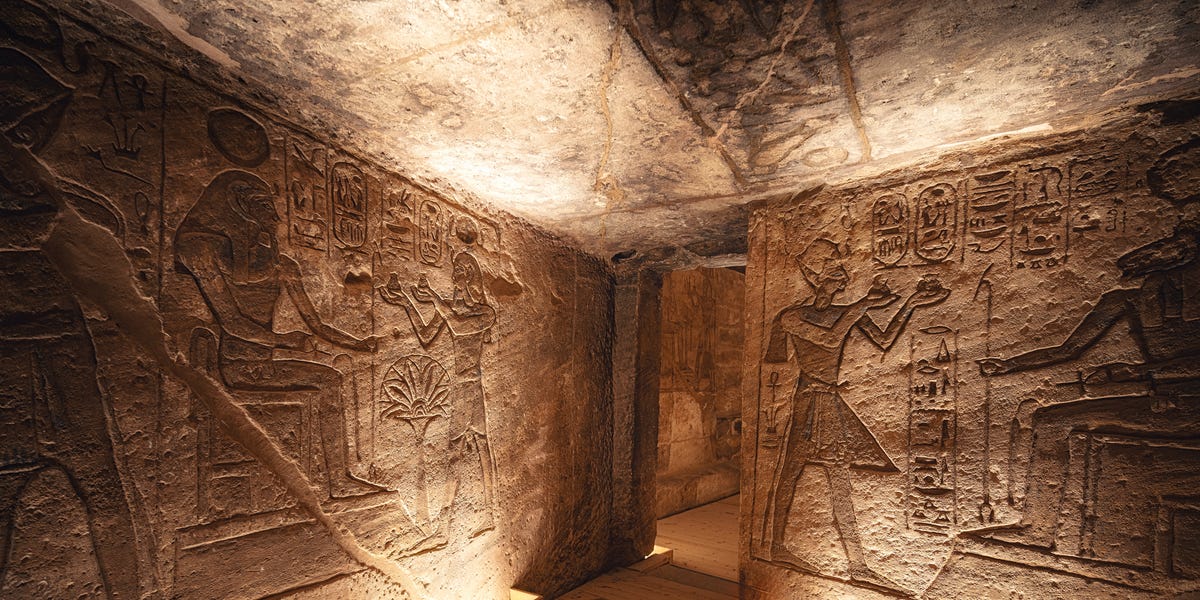
In the royal necropolis of Tanis, archaeologists uncovered a burial puzzle worthy of a pharaoh-sized detective novel: a tomb linked to one king appeared to contain the funerary identity of another.
A Tomb Mystery in the Nile Delta
Ancient Egypt has never been short on drama. There were divine kings, rival dynasties, spectacular gold masks, gods with animal heads, and enough afterlife paperwork to make even a modern tax office look relaxed. But the latest mystery from Tanis, an archaeological site in Egypt’s northeastern Nile Delta, has a special twist: scientists found evidence that a royal tomb associated with Pharaoh Osorkon II held the burial context of Pharaoh Shoshenq III.
The phrase “wrong body” sounds like the opening line of a crime thriller, but the archaeology is subtler and more fascinating. Researchers did not simply pop open a coffin and gasp, “Wait, that is not Osorkon!” Instead, an Egyptian-French archaeological mission discovered 225 ushabti, also spelled shabti, figurines inside the northern chamber of Osorkon II’s tomb at San El-Hagar, the modern name for ancient Tanis. These small funerary figures bore the royal cartouche of Shoshenq III, strongly linking the anonymous granite sarcophagus nearby to him.
That matters because Osorkon II and Shoshenq III were different pharaohs, though both belonged to Egypt’s 22nd Dynasty. Osorkon II ruled earlier, while Shoshenq III came later during a politically messy period when Egypt was not as unified as it had been in its grand imperial days. In plain English: the tomb’s guest list did not match the name on the door.
For searchers wondering about the ancient Egyptian tomb discovery, the wrong body in an Egyptian tomb, or the Shoshenq III tomb mystery, the key point is this: the find may help solve a long-standing question about who occupied an unmarked sarcophagus in Osorkon II’s tomb. It also raises a juicier question. Was Shoshenq III buried there by choice, by necessity, or because later rulers played musical chairs with royal tombs?
What Exactly Did Archaeologists Find?
The star witnesses in this case are not mummies, gold masks, or cursed scarabs with suspiciously dramatic music. They are 225 small funerary figurines. In ancient Egypt, ushabti figures were placed in tombs to serve the deceased in the afterlife. If the dead were called upon to do fieldwork, carry goods, or perform divine chores, the ushabti could answer on their behalf. Think of them as an eternal workforce, minus coffee breaks and HR complaints.
The Tanis figurines were made of faience, a glazed ceramic material often associated with blue-green tones. In Egyptian symbolism, those colors could suggest regeneration, water, fertility, and the power of rebirth. The figurines were found in preserved positions near the anonymous sarcophagus, buried in silt inside the tomb chamber. Their inscriptions carried the name of Shoshenq III, giving archaeologists a clear clue about who they were meant to serve.
This is why the discovery is more than a pretty collection of ancient objects. Tomb archaeology is about context. A single artifact can be interesting, but an artifact found in its original position, beside a sarcophagus, inside a known royal tomb, with a readable royal name? That is the ancient equivalent of finding a signed delivery receipt.
The Power of a Cartouche
In ancient Egyptian writing, a cartouche is an oval frame enclosing a royal name. It functioned almost like a divine name badge. When archaeologists saw Shoshenq III’s cartouche on the ushabti, the figurines became evidence. They were not generic afterlife helpers. They belonged to a specific pharaoh.
The discovery also included newly observed inscriptions and carvings in the chamber, which researchers are continuing to study. Those details may eventually explain whether Shoshenq III was originally placed in Osorkon II’s tomb, moved there later for protection, or relocated because of royal politics. Ancient Egypt loved ritual order, but political reality could be messier than a toddler with a bowl of pomegranate seeds.
Who Were Osorkon II and Shoshenq III?
To understand why this discovery matters, it helps to meet the two royal names at the heart of the story.
Osorkon II: The Original Tomb Owner
Osorkon II was a pharaoh of Egypt’s 22nd Dynasty, a period often linked to rulers of Libyan origin who governed from the Delta. His reign is usually described as comparatively stable and prosperous for its age. Tanis, where he was buried, had become an important royal city after the decline of Pi-Ramesses, the former Ramesside capital.
Osorkon II’s tomb at Tanis was discovered in 1939, an extraordinary period for Egyptian archaeology. While it was not as globally famous as Tutankhamun’s tomb, the Tanis royal burials contained remarkable treasures and helped reveal a less familiar chapter of Egyptian history. The problem was that Osorkon II’s tomb included an unexplained granite sarcophagus in a northern chamber. For decades, scholars knew something was odd, but they did not have the decisive clue.
Shoshenq III: The Pharaoh Who Crashed the Tomb Party
Shoshenq III ruled later, roughly in the ninth to eighth century B.C. His reign was long, but long does not always mean peaceful. Egypt during his time was fragmented, with rival rulers and competing centers of power. The title “pharaoh” still carried enormous religious and political prestige, but the country was no longer the centralized giant of the New Kingdom.
Shoshenq III also built at Tanis and had his own tomb there. That makes the new evidence even stranger. If he had a tomb, why were his ushabti figurines in Osorkon II’s tomb? Why was an anonymous sarcophagus there? And why did later evidence suggest that his own burial arrangements may have been altered?
One possibility is that political conflict affected his burial. Another is that later rulers reused, rearranged, or claimed tomb spaces. Tomb reuse was not unusual in ancient Egypt, especially during periods of instability or limited resources. Even pharaohs, it turns out, could face real estate problems.
Why Tanis Keeps Surprising Archaeologists
Tanis sits in the Nile Delta, far north of the more tourist-famous sites of Luxor, Thebes, and the Valley of the Kings. But during Egypt’s 21st and 22nd Dynasties, Tanis was a royal powerhouse. It became a capital and a ceremonial center, packed with temples, royal burials, reused monuments, and political symbolism.
One of the most interesting things about Tanis is how much of it was built with recycled stone from older sites, especially Pi-Ramesses. Ancient Egyptian builders were not shy about reuse. If a beautifully carved block from an older monument could be repurposed, it often was. Modern people call it recycling. Ancient kings called it “this is mine now.”
The royal necropolis at Tanis is especially important because it gives scholars a window into a period that is less widely understood than the pyramid age or the reign of Tutankhamun. The Third Intermediate Period was not a simple collapse. It was a complex era of regional power, religious authority, shifting dynasties, and local rulers who sometimes behaved like kings even when another king was still around.
That makes the “wrong body” discovery more than a curiosity. It shows how royal burial could reflect politics. A tomb was not just a place to store a body. It was a statement about legitimacy, memory, divine favor, family connections, and who got the best seat in eternity.
Why Ushabti Figurines Matter So Much
At first glance, ushabti figurines may look like charming museum objects: tiny mummiform workers, often holding tools, sometimes inscribed with spells. But in Egyptian belief, they had a serious job. The afterlife was not imagined as a lazy cloud lounge with unlimited snacks. The deceased might still be expected to work in the divine fields. Ushabti were magical substitutes who could answer when labor was demanded.
Some tombs contained only a few figurines. Wealthier burials could include dozens or hundreds. Royal burials could go even bigger. The famous tomb of Tutankhamun contained more than 400 such figures. Shoshenq III’s 225 ushabti may not beat Tutankhamun’s afterlife staffing department, but it is still an impressive workforce.
The Tanis figurines are also important because they were found in relation to a specific chamber and sarcophagus. In archaeology, location is information. An artifact removed from its original context loses part of its story. These ushabti, preserved near the sarcophagus, gave researchers a stronger chain of evidence.
A Tiny Workforce With a Big Message
Every ushabti in the Tanis cache was more than decoration. Each one helped identify the person connected to the burial. Their inscriptions acted like a royal roll call, saying in effect: “We serve Shoshenq III.” That is why a group of small figurines could solve a mystery that a large stone sarcophagus could not solve by itself.
This is also a useful reminder that archaeology often advances through details. Not every discovery is a golden mask glittering under a flashlight. Sometimes history changes because someone patiently cleans silt from a small object and notices a name.
Was This a Royal Tomb Swap?
The big question is whether Shoshenq III was buried in Osorkon II’s tomb originally or moved there later. Scholars are still studying the evidence, so the most honest answer is: we do not know yet. But several explanations make sense.
Possibility One: Political Instability
Shoshenq III ruled during a period of dynastic conflict. If his authority was challenged, his burial may have become complicated. A royal funeral was not simply a family event; it was a political performance. Whoever controlled the burial could shape the public memory of the dead king.
If factions were fighting over legitimacy, moving a predecessor’s body or burial equipment could send a powerful message. It could protect the body, dishonor it, or make room for another claimant. Ancient Egypt believed deeply in proper burial, but rulers were still human enough to weaponize the guest list.
Possibility Two: Tomb Reuse
Tomb reuse happened throughout Egyptian history. Sometimes older tombs were reopened because new tomb construction was expensive or because existing monuments carried prestige. Sometimes burials were moved to protect them from robbers. Sometimes, frankly, later rulers appear to have decided that an older tomb was too good to waste.
In Tanis, the reuse of monuments was already part of the city’s story. Stones, statues, and sacred objects from older sites were repurposed. In that environment, the reuse of royal burial space is not shocking. Still, finding Shoshenq III’s ushabti in Osorkon II’s tomb is a major clue that the northern chamber had a more complicated history than previously understood.
Possibility Three: A Successor’s Power Move
Some researchers have suggested that Shoshenq IV, a later ruler, may have been involved in rearranging royal burials. If Shoshenq IV used or claimed Shoshenq III’s intended tomb, Shoshenq III may have ended up in Osorkon II’s tomb instead. This idea remains under investigation, but it fits the broader theme: royal burials could be shaped by succession politics.
In other words, even death did not guarantee a pharaoh permanent control of his own bedroom.
Why This Discovery Changes the Story
The discovery at Tanis is important because it adds evidence to a period that can feel shadowy compared with Egypt’s more famous eras. The Old Kingdom gave us the pyramids. The New Kingdom gave us empire, monumental temples, and celebrity pharaohs such as Hatshepsut, Akhenaten, Ramesses II, and Tutankhamun. The Third Intermediate Period is harder to summarize, but that is exactly why discoveries like this matter.
They show that Egypt did not simply “decline” after the New Kingdom. It transformed. Power became regional. Kingship became contested. Priestly authority grew. Cities such as Tanis became crucial. Royal traditions continued, but often in altered, resourceful, and sometimes politically tense forms.
The 225 ushabti figurines are a perfect symbol of that world. They are traditional objects, rooted in ancient religious belief. Yet their location hints at disruption, reuse, and perhaps rivalry. They show continuity and change in one compact archaeological package.
The find also demonstrates the value of conservation work. The mission was not only hunting for spectacular treasures; it was preserving and studying a known tomb. That kind of careful work can reveal new evidence in places scholars thought they already understood. Archaeology is not always about finding a new site. Sometimes it is about asking better questions at an old one.
The Human Side of an Ancient Mistake
What makes this story so irresistible is that it feels oddly human. A pharaoh was supposed to be divine, eternal, and magnificently organized. Yet here we are, nearly 3,000 years later, discovering that his burial arrangements may have gone sideways. The ancient Egyptians built elaborate systems to defeat oblivion, but history still found a way to misfile the paperwork.
That does not make the burial careless. On the contrary, it may reveal how much people cared. Moving a royal body or burial equipment could have been an attempt to protect the king’s afterlife. It could have been a political maneuver. It could have been a compromise made during a crisis. Whatever happened, someone made a decision that affected how Shoshenq III would be remembered for millennia.
The “wrong body” headline hooks us because it sounds like a mistake. But the deeper story is about identity. Who gets remembered? Who controls memory? What evidence survives when official inscriptions are missing? In this case, the answer came from 225 tiny workers who had waited quietly in the silt, still loyal to their king.
Experiences Related to the Tomb Mystery
Anyone who has walked through an Egyptian gallery in a museum knows the strange feeling these objects create. A shabti is small enough to fit in a display case, yet it carries an enormous idea: that death was not an ending but a transition requiring planning, protection, and occasionally a miniature labor force. Standing before one, you can almost imagine the ancient owner thinking, “I may be dead, but I am not doing the farming myself.” Practicality, apparently, is eternal.
The Tanis discovery makes museum visits feel different. Those little blue-green figures are not just cute ancient collectibles. They are historical witnesses. A visitor might look at a single ushabti and admire its shape, color, or tiny tools. But archaeologists look for the larger story: where it was found, whose name it carries, what objects were nearby, and whether it matches the tomb’s supposed owner. The experience becomes less like viewing art and more like reading a mystery novel written in stone, clay, and glaze.
This discovery also connects to the experience of traveling through Egypt, even for people who have only explored it through documentaries, books, or online images. Sites such as Tanis are quieter in the popular imagination than the pyramids of Giza or the temples of Luxor, but they offer a different kind of thrill. Instead of the obvious monumentality of giant pyramids, Tanis gives us layered history: reused blocks, hidden chambers, royal names, old excavations, and new questions. It is a place where the past does not shout; it whispers, then waits for someone patient enough to listen.
For students and history lovers, the “wrong body” story is a useful lesson in how knowledge changes. Many people imagine archaeology as a field of dramatic discoveries: one swing of a pickaxe, one glittering treasure, one instant answer. In reality, it is often slow, careful, and full of uncertainty. The Tanis case shows that an old tomb can still produce new information nearly a century after it first gained scholarly attention. That is encouraging. It means history is not a locked cabinet. It is more like a room with several drawers no one has fully opened yet.
There is also an emotional experience here. Ancient Egypt can sometimes feel distant because its kings wrapped themselves in divine imagery. But burial mix-ups, tomb reuse, political rivalry, and uncertain succession make these people feel more recognizable. Behind the gold, granite, and sacred titles were families, factions, ambitions, fears, budgets, and deadlines. Someone had to arrange the funeral. Someone had to decide where the sarcophagus went. Someone had to place those ushabti figures near the coffin. The result was not only a royal burial but a message to the future, even if the message took thousands of years to read.
That is why the discovery resonates. It turns a tomb into a story about memory, power, and human imperfection. Shoshenq III wanted eternity. Osorkon II had a tomb. Later rulers may have had other plans. And the ushabti, small as they were, ended up doing one more job for their pharaoh: they answered the call of history.
Conclusion: A Small Army Solves a Royal Riddle
The ancient Egyptian tomb at Tanis did not simply contain a surprise. It contained a clue about how royal identity, burial practice, and political power could collide. The discovery of 225 ushabti figurines linked to Shoshenq III inside the tomb of Osorkon II suggests that the anonymous sarcophagus in the chamber may belong to the later pharaoh, not the tomb’s original royal owner.
For archaeologists, that is a major breakthrough. For everyone else, it is a delicious reminder that ancient history is not frozen. It is alive with revisions, debates, and occasional plot twists. The dead may be silent, but their belongings can be very talkative.
In the end, the “wrong body” is not just a headline. It is a window into a world where kings fought for legitimacy, tombs carried political meaning, and even a small glazed figurine could help rewrite the story of a pharaoh’s afterlife. Tanis still has secrets, and if this discovery proves anything, it is that the past has excellent timing. It waits until we think we know the answer, then hands us 225 tiny witnesses and says, “Look again.”