Some people follow recipes the way a violinist follows sheet music. Others treat cooking instructions as polite suggestions written by someone who has never met their toaster, their childhood memories, or their very specific need for macaroni to be slightly overcooked. That is why the question, “Is there a food you intentionally cook ‘wrong’?” hit such a delicious nerve online. It is the kind of question that sounds silly for three seconds, then suddenly unlocks a pantry full of secrets.
Everyone has a food rule they quietly break. Maybe you burn the hot dogs because you want that campfire snap. Maybe you cook pasta past al dente because your ideal noodle has the emotional softness of a weighted blanket. Maybe you microwave leftover pizza, fully aware that the crust will become a tragic sponge, because it reminds you of being twelve and happy. Food is not just technique. It is texture, nostalgia, rebellion, convenience, and occasionally a firm refusal to let a chef on television boss you around.
Of course, there is one important line: “wrong” should mean unconventional, not unsafe. Over-toasting bread is a preference. Undercooking chicken is not a personality trait; it is a bad afternoon waiting to happen. The best intentionally wrong cooking habits are the ones that make food more joyful while still respecting basic food safety. With that in mind, let’s step into the wonderfully weird kitchen of the internet and explore 30 foods people proudly cook “wrong,” why those choices make sense, and what they reveal about how real people actually eat.
Why People Love Cooking Food “Wrong”
Cooking rules exist for good reasons. They help beginners avoid disaster, keep food safe, and make recipes repeatable. But once people learn the basics, many start adjusting food to fit their own taste. That is where the magic happens. A recipe might say “golden brown,” but your soul may demand “nearly haunted.” A package might say “cook for eight minutes,” but your ideal pasta might require ten minutes and a sincere apology to Italy.
There are several reasons people intentionally cook food the “wrong” way. Texture is one of the biggest. Some people love crispy edges, crunchy cheese, blistered vegetables, or fries that are cooked so long they become potato glass. Others prefer soft, mushy, comforting foods that chefs might call overdone but grandmothers might call dinner.
Nostalgia also plays a major role. The best version of a dish is often the version someone ate growing up, even if it would lose points in culinary school. Burnt toast, watery scrambled eggs, boxed mac and cheese with extra milk, and ramen noodles cooked until floppy can all taste like home. Food memory does not care about plating. It cares about feelings.
Convenience matters too. Plenty of “wrong” cooking methods survive because they work on a Wednesday night when everyone is tired. Cooking pasta in a smaller amount of water, reheating pizza in the microwave, using an air fryer for things that were never meant to see one, or making grilled cheese with mayonnaise instead of butter may sound like kitchen rule-breaking, but for many home cooks, the results are fast, tasty, and repeatable.
The Golden Rule: Wrong Is Fine, Unsafe Is Not
Before celebrating the beautiful chaos of personal taste, it is worth drawing a bright red line around food safety. Cooking meat, poultry, seafood, eggs, and leftovers safely is not a place for internet dares. A steak can be rare if handled and cooked properly, but ground meat needs more care because bacteria can be mixed throughout the meat. Poultry should be cooked thoroughly. Leftovers should not lounge on the counter like they pay rent.
In practical terms, use a food thermometer when safety matters. Do not judge chicken by color alone. Do not assume a burger is safe because the outside looks done. Do not thaw meat on the counter all day. And when reheating leftovers, make sure they are heated evenly, especially in the microwave, where cold spots can survive like tiny villains in a soup opera.
Once safety is handled, personal preference can take the wheel. Want extra-crispy rice? Go forth. Prefer soggy cereal? That is between you and your spoon. Like your marshmallows fully blackened? Bold. Dramatic. Slightly smoky. We respect the commitment.
30 Foods People Intentionally Cook “Wrong”
1. Pasta Cooked Past Al Dente
Food purists often praise pasta with a firm bite, but plenty of people prefer noodles cooked softer. For them, pasta is not a jaw workout. It is comfort. Softer pasta also holds creamy sauces in a cozy, casserole-like way. Is it traditional? Not always. Is it delicious to the person eating it? Absolutely.
2. Rice Cooked Until Crispy on the Bottom
Many cultures already celebrate crispy rice, from Persian tahdig to Korean nurungji. Still, some home cooks discover it by “accident” and then keep doing it on purpose. That golden, crunchy bottom layer is the edible equivalent of finding fries at the bottom of the bag.
3. Burnt Hot Dogs
A gently warmed hot dog is fine. A charred hot dog has drama. The blistered skin, smoky flavor, and snap make it taste like a backyard cookout, even if it came from a pan on a Tuesday. Some people do not want “grilled.” They want “campfire survivor.”
4. Scrambled Eggs Cooked Firm
Soft scrambled eggs are fashionable, but not everyone wants eggs with a custard personality. Some people like their scrambled eggs firm, browned, and sturdy enough to sit on toast without sliding away. A little browning can add flavor, and the firmer texture feels more satisfying to many eaters.
5. Bacon Cooked Nearly Black
Chewy bacon has fans, but the crispy-bacon crowd is passionate. Some people push bacon far beyond crisp into shatteringly crunchy territory. It is less bacon strip, more salty pork glass. Crumbled over eggs, baked potatoes, or salad, it brings maximum crunch.
6. Toast That Is Really Toasted
Light toast is just warm bread wearing a tan. Dark toast has character. Many people intentionally push toast closer to the edge because they love the bitter, nutty flavor and the way butter melts into the crisp surface. The key is stopping before “breakfast” becomes “smoke alarm.”
7. Boxed Mac and Cheese Made Extra Soupy
The box gives instructions, but the heart wants what it wants. Some people add extra milk or butter so boxed mac and cheese turns into a creamy, spoonable bowl of nostalgia. It may not resemble the picture on the package, but it does resemble childhood happiness.
8. Boxed Mac and Cheese Made Extra Dry
On the other side, some cooks use less milk to create thick, clingy cheese paste that coats every noodle like a tiny orange sweater. It is intense, salty, and unapologetically artificial in the best possible way.
9. Pancakes Slightly Underdone in the Middle
Some pancake lovers prefer a center that stays soft and almost custardy. It is not raw batter; it is just barely set, giving the pancake a pudding-like texture. This is one of those preferences that sounds alarming until someone describes it as “breakfast cake with a molten middle.” Then it starts making sense.
10. Pancakes Cooked Until Almost Crunchy
Other people want pancakes with crisp edges and deep browning. They use a hot pan, a little extra fat, and patience. The result is a pancake that behaves like a griddle cake and a funnel cake had a sensible breakfast baby.
11. Oatmeal Cooked Into Mush
Oatmeal packages usually aim for creamy texture, but many people intentionally cook oats longer until they become soft, thick, and almost pudding-like. Add brown sugar, cinnamon, bananas, or peanut butter, and the result is less “breakfast grain” and more “warm blanket in a bowl.”
12. Oatmeal Left Thick Enough to Stand a Spoon In
Some cooks go in the opposite direction and make oatmeal so thick it could patch drywall. They like the chew, the density, and the way it holds toppings without turning watery. Wrong? Maybe. Efficient? Extremely.
13. Pizza Reheated in the Microwave
Food experts often recommend reheating pizza in a skillet or oven to revive the crust. But microwave pizza has its own loyal audience. The cheese turns molten, the crust softens, and the whole slice becomes floppy in a way that tastes like sleepovers and midnight leftovers.
14. Pizza Reheated Until the Cheese Browns Again
Then there are the people who reheat pizza in a pan, toaster oven, or air fryer until the cheese bubbles and browns a second time. This is not just reheating; this is giving pizza a comeback tour.
15. Ramen Noodles Cooked Until Soft
Instant ramen instructions usually aim for springy noodles, but many people cook them longer until they are soft and comforting. Some even crack an egg into the broth, add frozen vegetables, or stir in cheese. It may horrify a noodle traditionalist, but it can be exactly what a tired person needs.
16. Grilled Cheese Made With Mayonnaise
Using mayonnaise on the outside of grilled cheese instead of butter still feels wrong to some people, but it browns beautifully and spreads easily. The result is crisp, even, and tangy. It is one of those “wrong” methods that quietly became right because it works.
17. Burgers Smashed Flat
For years, people were warned not to press burgers because juices would escape. But smash burgers prove that pressing early on a hot surface can create a deeply browned crust. The secret is smashing at the start, not squeezing a nearly finished burger like it owes you money.
18. Steak Cooked Well-Done
Few food opinions start arguments faster than well-done steak. But some people genuinely prefer the texture and flavor. The best version uses a good cut, enough fat, seasoning, and careful cooking so the steak is cooked through without becoming a leather bookmark.
19. Vegetables Cooked Soft
Modern recipes often praise crisp-tender vegetables, but soft-cooked vegetables have their own beauty. Green beans simmered with aromatics, carrots cooked until sweet, or cabbage braised until silky can be deeply flavorful. Not every vegetable needs to audition for a crunch contest.
20. Broccoli Roasted Until Almost Burnt
Broccoli gets a glow-up when roasted hard. The florets crisp, the edges brown, and the flavor turns nutty. Some people intentionally push it to the brink because that charred bitterness works beautifully with lemon, garlic, parmesan, or chili flakes.
21. Marshmallows Burned on Purpose
There are two kinds of people around a campfire: patient rotators and marshmallow arsonists. The arsonists light the marshmallow on fire, blow it out, peel off the black shell, and call it perfect. It is smoky, gooey, messy, and completely sincere.
22. Cookies Pulled Out Too Early
Some bakers remove cookies while they still look slightly underdone because residual heat finishes them on the baking sheet. The result is a soft, chewy center. To a crunchy-cookie fan, this is wrong. To a soft-cookie person, it is wisdom.
23. Cookies Baked Extra Long
Others want cookies with crisp edges, deep caramel notes, and enough structure to survive dunking. Extra baking time can create a cookie that snaps instead of bends. That is not failure; it is a lifestyle.
24. French Fries Cooked Past Golden
Pale fries are polite. Dark fries are exciting. Many people love fries cooked until the edges are deeply browned and crunchy. The balance is important, though: browned is flavorful, but scorched is not a vegetable achievement award.
25. Popcorn Slightly Burnt
Burnt popcorn is usually treated like an office crime. Yet some people love the smoky, bitter pieces at the bottom of the bowl. They are the culinary equivalent of liking the corner brownie: intense, divisive, and oddly satisfying.
26. Cereal Left to Get Soggy
For some, cereal must be eaten immediately before it loses crunch. For others, the best cereal is cereal that has surrendered to the milk. Soggy cereal becomes sweeter, softer, and almost dessert-like. It is not wrong; it is a delayed breakfast strategy.
27. Bananas Used Only When Overripe
Many people will not touch a banana until it looks like it has survived a dramatic life. Brown bananas are sweeter, softer, and ideal for banana bread, smoothies, pancakes, and muffins. The fruit bowl may look tragic, but the loaf pan is optimistic.
28. Cheese Melted Until Crispy
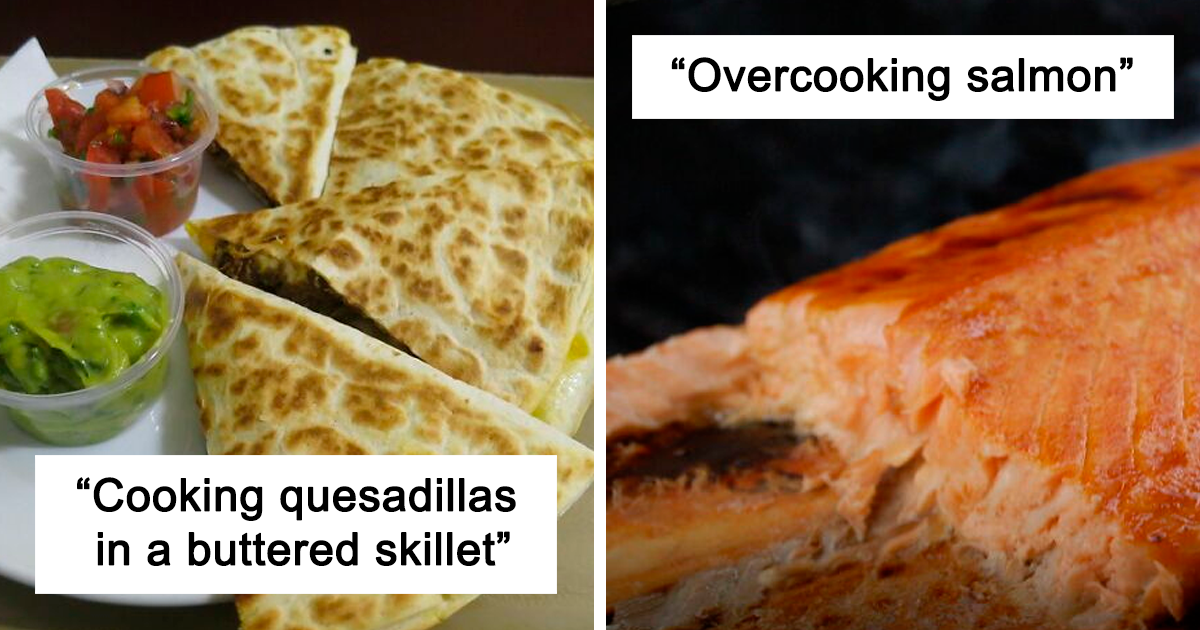
Whether it happens on the edge of a quesadilla, a grilled cheese sandwich, or a sheet pan, crispy cheese is one of the great joys of “wrong” cooking. Some people intentionally let cheese escape and fry into golden lace. The mess is the point.
29. Leftover Pasta Fried the Next Day
Instead of gently reheating pasta, some cooks throw it into a hot pan and let it crisp. The noodles get chewy edges, the sauce thickens, and yesterday’s dinner becomes something new. This is especially good with spaghetti, baked ziti, or anything tomato-based.
30. Soup Cooked Down Until It Becomes Stew
Some people begin with soup and end with something that can support a fork vertically. They simmer it longer, reduce the broth, and let the flavors concentrate. Technically, it may no longer be soup. Emotionally, it is dinner with confidence.
The Food Science Behind “Wrong” That Tastes Right
Many intentionally wrong cooking habits work because they change texture and flavor in ways people love. Browning is a major example. When foods brown through high heat, they develop deeper flavors, crisp textures, and roasted aromas. That is why people love seared burgers, crispy cheese, roasted broccoli, and dark toast. The flavor is not just “burnt”; it can be nutty, savory, smoky, or caramel-like when controlled carefully.
Moisture is another big factor. Cooking food longer often drives off water, creating crispness. That is what happens with bacon, fries, rice, and roasted vegetables. But longer cooking can also soften starches and fibers, which is why overcooked pasta, soft oatmeal, braised vegetables, and long-simmered soups feel comforting. The same technique can create crunch or softness depending on the food and the amount of liquid involved.
Starch also explains some unusual preferences. Pasta water can help sauces cling because it contains starch released by the noodles. Cooled rice, potatoes, and pasta can change in texture after refrigeration, which is why leftovers often fry or reheat differently the next day. Some people may not know the science, but they know leftover fried spaghetti tastes fantastic.
Fat plays its part too. Butter, oil, mayonnaise, cheese, and bacon fat all help conduct heat, encourage browning, and carry flavor. That is why grilled cheese with mayonnaise works, why crispy cheese edges are so addictive, and why vegetables roasted with oil taste completely different from steamed vegetables. The “wrong” move is often just a different route to browning, richness, or contrast.
When “Wrong” Cooking Becomes a Family Tradition
Every family has a dish that would confuse outsiders. Maybe the Thanksgiving stuffing is intentionally dry because everyone wants crispy corners. Maybe spaghetti sauce simmers until it is thick enough to spread on bread. Maybe someone’s dad grills burgers until they resemble hockey pucks, and somehow everyone still reaches for seconds because that flavor means summer.
These habits become family traditions not because they are technically perfect, but because they are repeated with affection. A slightly burned tortilla may remind someone of late-night quesadillas. Watery hot chocolate may taste like a childhood snow day. Extra-soft noodles may feel like being cared for when sick. Food is rarely judged only by objective standards at home. It is judged by memory.
This is why online food confession threads are so entertaining. They reveal that most people are not cooking for judges. They are cooking for themselves, their partners, their kids, their roommates, or their own tired bodies after a long day. The internet may argue about authenticity, but dinner usually asks a simpler question: “Do you want another bite?”
How to Cook “Wrong” the Smart Way
If you love cooking food your own way, keep doing itbut do it with intention. First, separate preference from safety. Crispy bacon, dark toast, soft pasta, and over-roasted vegetables are preferences. Undercooked poultry, unsafe leftovers, and raw dough are risks. The fun kind of wrong should not send anyone searching symptoms at midnight.
Second, learn what your “wrong” method is actually doing. If you like extra-crispy food, you may need higher heat, more surface area, less moisture, or a little fat. If you like softer food, you may need longer cooking, lower heat, more liquid, or covered cooking. Once you understand the effect, you can repeat it instead of hoping for the same happy accident.
Third, do not apologize for personal taste. There is no universal law that says vegetables must be crisp, cookies must be chewy, or cereal must be crunchy. Cooking is both craft and preference. The best home cooks know when to follow rules and when to politely shove them into a drawer.
Extra Experiences: The Joy of Cooking “Wrong” on Purpose
The funniest thing about intentionally cooking food “wrong” is that people usually know exactly what they are doing. They are not confused. They are not waiting for a celebrity chef to rescue them. They are standing in the kitchen, watching toast get darker than recommended, thinking, “Yes. That one. That is my toast.”
One of the most relatable experiences is the leftover transformation. You make a perfectly normal dinner one night, then the next day you become a different person. Cold rice goes into a hot skillet until the grains pop and crisp. Pasta that was soft yesterday becomes fried noodles with crunchy edges. Pizza takes a ride through the microwave and comes out floppy, molten, and somehow exactly right. Leftovers give people permission to experiment because the pressure is lower. Dinner already happened. This is the bonus round.
Another common experience is the childhood-method effect. Many adults cook certain foods the way their parents or grandparents did, even if they later discover those methods are considered unfashionable. Maybe your family boiled vegetables until soft because that was how dinner worked. Maybe your grilled cheese was always flattened with a spatula until the bread became crisp and the cheese tried to escape. Maybe hot dogs were not done until they split open like tiny edible fireworks. Years later, a restaurant version may be more refined, but it may not taste as comforting.
There is also the texture rebellion. Some people are deeply particular about mouthfeel. A person who loves crunchy food may intentionally overcook edges, corners, cheese, rice, potatoes, or bread. They are chasing contrast: crisp outside, soft inside, salty finish, loud bite. Meanwhile, soft-food fans are chasing comfort: noodles that do not fight back, oatmeal that feels creamy, vegetables that melt, eggs that are firm and familiar. Neither side is wrong. They are simply living in different texture neighborhoods.
Cooking “wrong” can also be an act of practicality. Real kitchens are not cooking-show sets. People have limited time, imperfect pans, half-empty fridges, and family members asking when dinner will be ready. In that world, shortcuts become traditions. A microwave may not produce the crispiest pizza, but it produces hot pizza in one minute. A small pot of pasta water may offend old advice, but it saves time and can make starchy water that helps sauce cling. A sheet pan full of vegetables roasted past polite doneness may be the easiest way to get everyone to eat broccoli.
The deeper lesson is that food enjoyment is personal. Technique matters, but it is not the whole story. A technically perfect dish can feel cold if it does not match what someone wants. A technically imperfect dish can become unforgettable if it lands in the right memory, mood, or craving. That is why these online answers are so charming. They remind us that home cooking is not about passing a test. It is about building a plate that makes sense to the person holding the fork.
So yes, people intentionally cook food “wrong.” They burn marshmallows, soften cereal, over-toast bread, fry leftover spaghetti, and make boxed mac and cheese with the confidence of a tiny orange scientist. And honestly? Good for them. The kitchen has room for precision and chaos, for thermometers and feelings, for classic methods and “please do not tell my Italian friend what I did to this pasta.” As long as the food is safe and the person eating it is happy, wrong might just be another word for wonderfully specific.
Conclusion
The online question “Is there a food you intentionally cook ‘wrong’?” works because almost everyone has an answer. These little cooking rebellions reveal how personal food really is. Some people want crunch. Others want softness. Some chase nostalgia, while others chase convenience, extra browning, or the crispy cheese stuck to the pan. The best part is that many of these so-called mistakes are not mistakes at all. They are preferences with confidence.
Still, the smartest home cooks know the difference between playful rule-breaking and unsafe cooking. Burn your marshmallow if that makes your campfire heart happy. Make your cereal soggy if that is your breakfast truth. Roast broccoli until the edges look dramatic. But use a thermometer for meat, handle leftovers properly, and respect the basic safety rules that keep dinner from becoming a cautionary tale.
In the end, cooking “wrong” is often just cooking honestly. It is the taste of memory, habit, comfort, and personal joy. And if your favorite food would make a professional chef raise one eyebrow, that is fine. Offer them a bite. They might raise the other eyebrow toobut then ask for seconds.