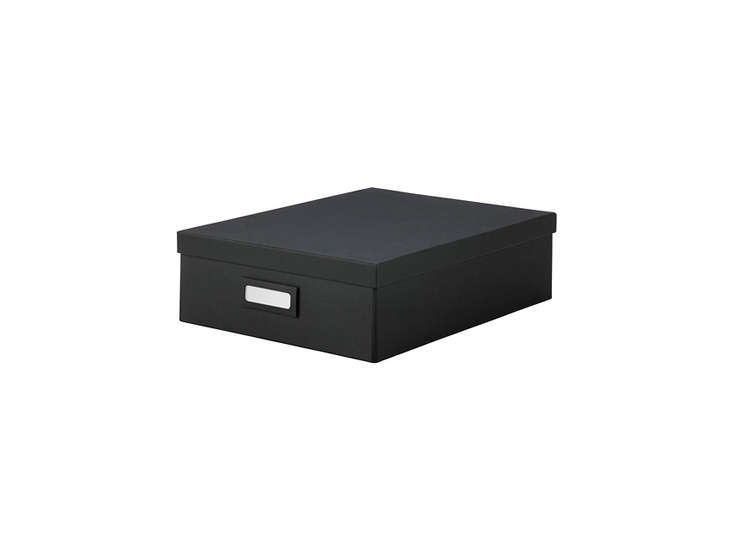
The Tjena Box With Compartments is the kind of home organizer that does not shout for attention, demand a complicated assembly ritual, or require a degree in “advanced drawer psychology.” It simply shows up, divides the chaos, and politely suggests that your paper clips, makeup, cords, craft supplies, stationery, and mysterious tiny objects finally stop living together like roommates in a sitcom.
Originally associated with IKEA’s well-known TJENA storage line, this compartment box became popular because it solves a painfully common problem: small things are easy to lose, annoying to sort, and surprisingly talented at spreading across a desk, shelf, drawer, or vanity. A single open box may hide clutter, but a box with compartments creates order. It gives every little item a designated parking space, and yes, even your hair clips deserve better than being trapped at the bottom of a drawer next to old receipts.
In a world where homes are getting busier, workspaces are becoming more flexible, and everyone seems to own at least seventeen charging cables, the Tjena Box With Compartments remains a smart, simple, and budget-friendly storage idea. It is not just a box. It is a tiny neighborhood for your tiny belongings.
What Is the Tjena Box With Compartments?
The Tjena Box With Compartments is a divided storage box designed for organizing small household and office items. Earlier product descriptions list it as useful for small desk accessories, makeup, hair clips, and similar everyday pieces. It has been described as made from paper or paperboard material, with a simple structure and a label holder that helps users quickly identify what is inside.
Unlike large storage bins that swallow everything and reveal nothing, this compartment-style organizer is built around visibility and separation. The compartments make it easier to group related items without mixing them into one confusing pile. Think of it as a filing cabinet, but for objects too small to justify their own dramatic storage system.
The TJENA line itself is known for practical paper-based storage, including lidded boxes, magazine files, and desktop organizers. IKEA’s current TJENA storage boxes are commonly promoted for papers, notebooks, media items, desk accessories, collectibles, and shelves such as BESTÅ or KALLAX units. While specific colors, sizes, and availability can change over time, the design philosophy remains familiar: lightweight, clean-looking, affordable storage that helps a room look calmer without making your wallet whimper.
Why Compartments Matter More Than You Think
A box without compartments can still be useful, but it often becomes a “miscellaneous cave.” You put five neat items inside, and two weeks later it contains lip balm, batteries, tape, coins, one button, a birthday candle, three pens that may or may not work, and a cable from an unknown ancient device. This is how clutter wins.
Compartments change the rules. They create boundaries. They encourage categories. They make it harder for one messy item family to invade another. This matters because good organization is not only about hiding things; it is about making them easy to find, easy to return, and easy to maintain.
Small Items Need Small Zones
Small items create visual clutter quickly because they scatter. A few clips on a desk, a few cosmetics on a vanity, a few USB drives in a drawer, and suddenly the room looks busier than it actually is. A compartment box gives these objects small zones, so they stay grouped and visible.
Dividers Reduce Decision Fatigue
When every item has a natural home, cleanup becomes faster. You no longer need to ask, “Where should this go?” ten times a day. The answer is already sitting there in cardboard form, looking calm and slightly smug.
Labels Make the System Last
The original Tjena Box With Compartments was noted for including a label holder. That small detail matters. Labels help turn a temporary tidy-up into a repeatable system. A label does not just tell you what is inside; it quietly reminds everyone else in the house not to put snack coupons in the sewing supplies section.
Best Uses for the Tjena Box With Compartments
The beauty of the Tjena Box With Compartments is its flexibility. It is simple enough for everyday use but structured enough to make a real difference in spaces where small things pile up.
1. Desk and Home Office Organization
Home offices often attract clutter because they combine paperwork, electronics, school supplies, personal items, and snacks pretending to be productivity tools. A compartment box can hold sticky notes, paper clips, binder clips, erasers, USB drives, stamps, charging adapters, business cards, and backup pens.
For the best setup, group office items by function. Keep writing tools in one section, paper fasteners in another, tech accessories in a third, and mailing supplies in another. This prevents the dreaded “desk drawer soup,” where every item technically exists but none can be found before your patience expires.
2. Makeup and Beauty Storage
For beauty products, the Tjena Box With Compartments works well for hair ties, clips, cotton rounds, sample-size products, compact mirrors, nail tools, lip balms, and small makeup items. Because the compartments are shallow, they help keep items from disappearing underneath one another.
It is especially useful for people who do not want a countertop covered in acrylic towers. The box can be placed inside a drawer, on a shelf, or inside a cabinet. It keeps beauty items contained without turning your bathroom into a department-store display case.
3. Craft and Hobby Supplies
Crafters understand that tiny supplies multiply when no one is looking. Buttons, thread, beads, stickers, clips, washi tape, glue sticks, stamps, and small tools all benefit from compartment storage. The Tjena Box With Compartments can be used as a project box for current crafts or as a category box for supplies you use often.
For example, a paper-crafting setup might include one compartment for adhesive, one for small scissors, one for label stickers, one for stamps, and another for embellishments. Instead of digging through a larger bin, you can open one box and see your supplies at a glance.
4. Kids’ Small Treasures
Children are famous collectors of tiny treasures: rocks, stickers, toy parts, erasers, beads, trading cards, shells, keychains, and objects adults cannot identify but are apparently “very important.” A compartment box gives these treasures a place to live. It can also teach sorting habits in a low-pressure way.
Parents can label compartments with simple categories such as “cards,” “clips,” “stickers,” or “special finds.” The box keeps small items from becoming floor confetti, which is excellent news for bare feet everywhere.
5. Entryway Catch-All Storage
An entryway is where everyday life lands. Keys, sunglasses, transit cards, earbuds, coins, receipts, and small accessories often pile up near the door. A Tjena-style compartment box can work as a tidy landing zone inside a console drawer or shelf.
To avoid turning it into a junk drawer with better branding, assign each compartment a job. One for keys, one for sunglasses, one for wallet extras, one for mail-related items, and one for things that need to leave the house. When the box has a purpose, it stays useful.
Design and Material: Simple, Lightweight, and Practical
The Tjena Box With Compartments is commonly associated with paper or paperboard construction. Paperboard is valued in storage products because it is lightweight, relatively sturdy for everyday household use, and easy to shape into clean forms. It does not have the heavy-duty durability of plastic or metal, but that is not really the point. This type of organizer is designed for dry indoor storage, not for surviving a garage flood or a wrestling match with power tools.
The lightweight nature makes it easy to move from shelf to desk, drawer to vanity, or closet to craft table. If you like reorganizing your space every few months “just to see,” a lightweight organizer is your friend. Heavy bins may look impressive, but nobody wants to bench-press their office supplies on a Tuesday.
How to Organize With a Tjena Box With Compartments
The box is simple, but the system you build around it matters. Professional organizers often recommend decluttering before buying or filling storage products. That advice applies here perfectly. A compartment box works best when it stores things you actually use, not things you feel guilty throwing away.
Step 1: Empty the Area First
Start with the drawer, shelf, desk, or vanity you want to organize. Remove everything. This may create a temporary mess, but that is normal. Organizing often looks worse before it looks better. Like baking, but with fewer cookies and more old batteries.
Step 2: Sort by Category
Group similar items together. Put pens with pens, clips with clips, cosmetics with cosmetics, chargers with chargers, and craft supplies with craft supplies. This step helps you see what you have too much of. Nobody needs twenty-seven dried-out pens unless they are building a tiny fence.
Step 3: Edit Before You Store
Remove items that are broken, expired, duplicated, or no longer useful. Storage should not become a retirement home for objects you do not need. If the item is not useful, meaningful, or genuinely worth keeping, let it go.
Step 4: Assign Each Compartment a Purpose
Once you have edited your items, decide what each compartment will hold. Avoid over-categorizing. Too many tiny categories can become exhausting to maintain. Aim for practical groupings that match your daily habits.
Step 5: Label Clearly
If your box has a label holder, use it. If not, add a small removable label. Labels are especially helpful for shared spaces, kids’ supplies, craft storage, and office materials. A label is basically a polite little traffic sign for clutter.
Where the Tjena Box Works Best
The Tjena Box With Compartments is best used in dry, low-impact spaces. It is ideal for shelves, drawers, desks, closets, cabinets, and craft corners. It is not the best choice for damp bathrooms without ventilation, garages, laundry rooms with moisture issues, or anywhere liquids may spill frequently.
Because paper-based storage can wear over time, avoid overloading it with heavy items. Use it for light accessories, not hammers, jars of coins, or the full emotional weight of your unfinished craft projects.
Tjena Box With Compartments vs. Plastic Organizers
Plastic organizers are often more durable, washable, and moisture-resistant. They are excellent for bathrooms, kitchens, garages, and kids’ messy supplies. However, they can look utilitarian, and clear plastic may expose visual clutter if the contents are colorful or chaotic.
The Tjena Box With Compartments offers a softer, cleaner look. It is better for spaces where aesthetics matter, such as open shelving, offices, bedrooms, and craft rooms. It hides some visual noise while still keeping items separated inside. The choice depends on your needs. If you need waterproof storage, choose plastic. If you want lightweight, affordable, tidy-looking small-item organization, Tjena-style paperboard storage is a strong option.
Tjena Box With Compartments vs. Drawer Dividers
Drawer dividers are excellent when you want to organize a drawer permanently. They customize the drawer itself. A compartment box, however, is portable. You can take it to another room, pull it out during a project, or move it from shelf to desk.
For office supplies, makeup, crafts, and hobby materials, portability can be a big advantage. You are not locked into one drawer. You can carry your supplies to the dining table, finish your project, then return the box to its home. Drawer dividers stay put. The Tjena Box travels, politely.
Style Benefits: Why It Looks Good in Real Homes
Many storage products promise organization but add visual noise. Bright colors, bulky shapes, exposed contents, and mismatched materials can make a room feel busier. The Tjena Box With Compartments has a quieter design language. It blends into shelves and work areas without becoming the star of the room.
This makes it especially useful for renters, students, apartment dwellers, and anyone building an organized home on a budget. You do not need custom cabinetry to create order. Sometimes a simple compartment box can make a shelf look intentional instead of “I cleaned quickly because someone texted that they were five minutes away.”
Smart Buying Tips Before Choosing a Tjena Box
Before buying any compartment organizer, measure your shelf, drawer, or cabinet. This sounds obvious, yet many people skip it and end up with a box that almost fits, which is the most annoying kind of not fitting. Measure width, depth, and height. If the box will sit inside a drawer, remember to account for drawer clearance.
Also think about what you plan to store. If your items are tall, a shallow compartment box may not work. If your items are tiny, large compartments may allow them to mix. The best organizer is not the prettiest one; it is the one that matches your actual belongings and habits.
Maintenance Tips to Keep It Useful
A storage box is not magic. It needs occasional maintenance. Once a month, do a quick reset. Remove items that do not belong, toss trash, return stray objects to their real homes, and check whether your categories still make sense.
If the box is made from paperboard, keep it dry and clean. Use a soft dry cloth for dust. Avoid wet cleaning unless the product instructions allow it. If you store makeup or craft supplies inside, consider using small liners or inner containers for items that may stain or leak.
Common Mistakes to Avoid
Buying Before Decluttering
Do not buy a storage box just to hide clutter. Declutter first, then organize what remains. Otherwise, you are simply giving your clutter a nicer apartment.
Using Too Many Categories
Compartment storage works best when the categories are simple. If every paper clip color gets its own section, the system may become too fussy to maintain.
Overloading the Box
Paper-based organizers are best for light items. Heavy objects can bend or weaken the structure over time.
Ignoring Labels
Labels are not just decorative. They help everyone remember the system, especially in shared spaces.
Real-Life Experience: Living With a Tjena Box With Compartments
Using a Tjena Box With Compartments feels surprisingly satisfying because it creates instant progress. The first experience most people have with this kind of organizer is the “before and after” moment. Before, the drawer is a small disaster area. After, the same items look like they belong to a responsible adult who definitely drinks enough water and answers emails on time.
In a home office, the box can completely change how a desk feels. Imagine opening a drawer and seeing sticky notes in one section, binder clips in another, spare charging blocks in another, and stamps in another. Nothing rolls around. Nothing hides under a pile of receipts. The drawer becomes quiet. That may sound dramatic, but clutter has a way of creating background noise in your brain. A divided box lowers that noise.
For makeup storage, the experience is equally practical. Small beauty items are some of the easiest things to lose. Hair ties vanish. Lip balms migrate. Nail clippers disappear exactly when needed. A compartment box gives these items a predictable home. Instead of digging through a pouch, you can open the box and immediately see what is available. It also helps prevent overbuying because duplicates become obvious. When you can see four nearly identical lip balms, you are less likely to buy a fifth “just in case.”
For craft storage, the Tjena Box With Compartments can become a project companion. It is useful for sorting supplies before starting a task. For example, if you are making greeting cards, you can place stickers, tape, small scissors, stamps, and embellishments in separate compartments. When the project is finished, cleanup is faster because the supplies already have sections. This is especially helpful for people who love hobbies but dislike the cleanup stage, also known as “the part where creativity becomes a pile.”
One of the best experiences with the box is using it as a family command-center tool. Place it near an entryway or inside a cabinet and assign compartments for keys, earbuds, transit cards, small receipts, and items that need to be returned. The box becomes a daily reset station. It will not solve every household problem, but it can reduce the morning scramble. And anything that helps prevent the phrase “Has anyone seen my keys?” deserves applause.
Another practical experience is seasonal organization. The box can hold holiday hooks, gift tags, ribbon scraps, tiny ornaments, spare buttons, birthday candles, or party supplies. Because the compartments separate items, you avoid the yearly tradition of untangling everything while muttering at festive objects. If you label the box clearly, it becomes even easier to pull out only when needed.
There are also a few realistic limitations. If you store items you rarely use, the box may become forgotten. If you place it somewhere inconvenient, you may stop using it. If the categories are too strict, other people in the home may ignore them. The solution is to build the system around real behavior. Put the box where clutter naturally appears. Store things you actually reach for. Keep the categories broad enough that cleanup feels easy.
Overall, the experience of using a Tjena Box With Compartments is less about perfection and more about relief. It gives small things a place to land. It turns messy drawers into useful drawers. It makes shelves look calmer. Most importantly, it creates an organizing system that does not require a weekend, a spreadsheet, or a motivational speech. Sometimes, the best storage solution is simply a well-divided box that quietly does its job.
Final Thoughts on the Tjena Box With Compartments
The Tjena Box With Compartments is a smart choice for anyone who wants simple, affordable, attractive storage for small items. It works well for desks, vanities, craft areas, kids’ supplies, entryways, shelves, and drawers. Its biggest strength is not that it holds things; many boxes can do that. Its real strength is that it separates things, making everyday organization easier to maintain.
For best results, declutter first, measure your space, assign practical categories, and use labels. Treat the box as a tool, not a hiding place. When used thoughtfully, it can turn everyday clutter into a clean, easy-to-use system. That may not be glamorous, but neither is searching for a paper clip under three old receipts and a mystery charger.
Note: Product availability, dimensions, colors, and materials may vary by retailer, region, and production year. Always check the current product details before purchasing.