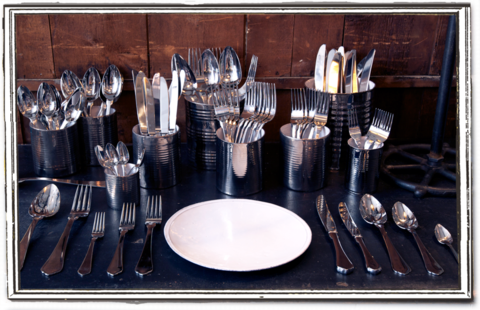
Astier de Villatte flatware is not the kind of cutlery that quietly sits in a drawer waiting to be useful. It has opinions. It has posture. It looks as if it once belonged to a poet, a duchess, or a Parisian grandmother who served roast chicken on mismatched plates and somehow made the whole table look like a magazine spread.
Known mainly for its milky white ceramics, black terracotta forms, scented candles, incense, glassware, and deeply romantic table pieces, Astier de Villatte has built a universe around imperfection. Its flatware follows that same spirit. The forks, knives, spoons, serving pieces, and petite coffee spoons are designed to feel old-world without looking dusty, elegant without becoming stiff, and handmade without seeming unfinished. In other words, this is flatware for people who believe dinner should have a little drama, even if the menu is just pasta and a heroic amount of Parmesan.
What Is Astier De Villatte Flatware?
Astier de Villatte flatware refers to the brand’s cutlery collections, most commonly seen in stainless steel finishes that pair beautifully with its famous white ceramics. The pieces often have a vintage-inspired profile: slim handles, slightly irregular silhouettes, a hand-finished feel, and a subtle patina that makes them look collected rather than manufactured by the millions.
Unlike ultra-modern flatware that tries to disappear into a minimalist tablescape, Astier de Villatte cutlery adds character. A table fork may feel a little more poetic than expected. A dessert spoon may look like it wandered in from a charming European café. A serving spoon can become the object everyone reaches for, not because it is flashy, but because it feels special in the hand.
The brand offers shiny stainless steel pieces through its own cutlery selection, while retailers often carry Astier de Villatte flatware in variations such as the Naples collection, including shiny and stone-like matte finishes. Some listings describe pieces as made in Paris, while others describe certain flatware collections as crafted in Italy. For shoppers, that means it is worth checking the exact product page before buying, especially if country of origin, finish, or set composition matters to you.
The Astier De Villatte Design Language
Astier de Villatte was founded in Paris in 1996 by Ivan Pericoli and Benoît Astier de Villatte. The brand became admired for reviving the spirit of historic Parisian workshops while giving traditional forms a slightly offbeat, artistic personality. Its ceramics are typically shaped from black terracotta clay and finished with a pale glaze that lets tiny irregularities show through. That same love of irregular beauty carries into the flatware.
The best way to understand Astier de Villatte flatware is to stop expecting perfect symmetry. These pieces are not trying to look like they came out of a corporate hotel dining room. They are meant to feel touched by hands, softened by time, and ready for a table layered with linen, candlelight, flowers, fruit, ceramics, and maybe one slightly crooked chair because perfection is overrated anyway.
Vintage-Inspired, Not Costume-Like
The flatware has an antique mood, but it does not feel like a theatrical prop. The shapes are refined enough for formal dinners yet relaxed enough for breakfast toast. This balance is one reason the pieces appeal to designers, collectors, and home entertainers who want tableware that feels curated instead of matchy-matchy.
Subtle Variations Are Part of the Charm
Many Astier de Villatte pieces feature small variations. In ceramics, this might show up as ripples, glaze shifts, or slight asymmetry. In flatware, the appeal comes from the finish, weight, shape, and intentionally lived-in character. These details make the cutlery feel more personal than standard stainless steel sets.
Popular Astier De Villatte Flatware Pieces
Astier de Villatte flatware is often purchased piece by piece, which allows you to build a set slowly. This is helpful because the brand sits in the luxury tabletop category, and buying an entire service at once can make your wallet clutch its pearls.
Dinner Forks
The dinner fork is the backbone of the collection. It works for main courses, composed salads, roasted vegetables, and weeknight meals that suddenly look more intentional because the fork is doing half the styling work. Astier dinner forks are usually slender, elegant, and long enough to feel substantial without being heavy-handed.
Dinner Knives
The dinner knife often has a graceful, elongated look. It pairs especially well with ceramic dinner plates, stoneware chargers, or vintage linens. If your table setting leans romantic, rustic, French country, or quiet luxury, this knife fits in naturally.
Table Spoons and Dessert Spoons
Astier spoons may be the most charming pieces in the lineup. A table spoon works for soups, grains, stews, and generous desserts. A dessert spoon is ideal for pudding, fruit, ice cream, custard, or that tiny bowl of chocolate mousse you promised was “just a taste” before eating the whole thing.
Small Spoons and Coffee Spoons
Small spoons are practical luxury at its finest. They can be used for espresso, tea, jam, salt cellars, soft-boiled eggs, sauces, and after-dinner coffee. They are also one of the easiest entry points into the Astier world because you can buy a few and instantly upgrade a coffee tray.
Serving Forks, Serving Spoons, and Ladles
Serving pieces make the biggest visual impact. A serving fork or spoon adds ceremony to salads, pasta, roasted potatoes, vegetables, and shared dishes. A ladle is more specialized, but if you entertain often or serve soups and sauces, it brings the same handcrafted elegance to the center of the table.
Shiny Finish vs. Stone Finish
One of the most important decisions when shopping for Astier de Villatte flatware is the finish. The shiny stainless steel pieces have a polished, reflective surface that catches light beautifully. They feel refined and classic, especially with white ceramics, crystal glassware, and crisp linen napkins.
The stone finish, often associated with the Naples flatware collection at select retailers, has a softer matte or brushed appearance. It feels more relaxed, weathered, and rustic. If shiny flatware is the dinner guest wearing a tailored jacket, stone finish flatware is the guest in a linen shirt who somehow looks better than everyone else without trying.
Choose Shiny If You Want:
- A brighter, more polished table setting
- A classic look that pairs easily with formal dinnerware
- Cutlery that reflects candlelight and glassware
- A slightly more traditional stainless steel impression
Choose Stone Finish If You Want:
- A softer, antique-inspired table setting
- A relaxed European farmhouse mood
- Flatware that looks gently worn in
- A natural pairing with handmade ceramics and linen
Why Astier De Villatte Flatware Works So Well With Ceramics
Astier de Villatte is famous for ceramics that feel delicate, irregular, and luminous. The brand’s white-glazed pieces are not stark white in a cold showroom way. They have warmth, shadow, and texture. Flatware with a similarly artisanal mood completes the picture.
When placed next to Astier plates, bowls, and platters, the flatware does not compete. It supports the atmosphere. The stainless steel brings structure, while the ceramics bring softness. Together, they create a table that feels collected over time, even if you assembled it five minutes before your guests arrived and are currently hiding the delivery containers in the oven.
This is where Astier de Villatte flatware shines: it makes the everyday table feel intentional. A simple lunch of bread, cheese, fruit, and salad can look like a still life. A dinner of roast chicken and potatoes can feel like something served in a countryside inn. Even coffee and cake become prettier when the spoon looks like it has a backstory.
How to Style Astier De Villatte Flatware
Styling Astier de Villatte flatware is less about perfection and more about atmosphere. The pieces look best when they are allowed to mingle with texture, age, and contrast.
1. Pair It With White or Cream Dinnerware
Astier’s own ceramics are the obvious match, but the flatware also works with cream stoneware, white porcelain, ivory plates, and handmade pottery. The goal is to let the cutlery’s shape and finish stand out without overwhelming the table.
2. Add Linen Napkins
Linen softens the whole setting. Choose natural, oatmeal, white, pale blue, sage, charcoal, or dusty rose. Do not worry if the napkins are slightly wrinkled. With Astier, a little wrinkle reads as “effortless European charm,” not “forgot to iron.” A rare victory for everyone.
3. Mix With Vintage Glassware
Astier de Villatte flatware loves vintage glassware. Etched coupes, simple tumblers, bistro glasses, or delicate wine stems all work. The key is to avoid making everything too perfect. A mix of old and new gives the table soul.
4. Use Candles and Low Flowers
Candlelight brings out the best in both shiny and matte stainless steel. Keep flowers low and loose: ranunculus, garden roses, herbs, branches, or even a bowl of lemons. Astier flatware does not need a towering centerpiece. It prefers a table where people can actually see each other.
5. Mix Finishes Carefully
You can mix shiny and stone finish pieces, but do it intentionally. For example, use shiny dinner forks and knives with stone-finish serving pieces, or keep each place setting consistent and introduce contrast through serving utensils. Too many finishes can look accidental; a controlled mix looks collected.
Is Astier De Villatte Flatware Worth It?
Astier de Villatte flatware is not the cheapest way to put forks on a table. You can absolutely find basic stainless steel flatware for much less. But that is not really the point. The value of Astier lies in design, mood, craftsmanship, collectability, and the way it transforms ordinary meals into something more beautiful.
It is worth considering if you care deeply about tabletop design, entertain regularly, collect artisanal home goods, or already own Astier ceramics. It is also a smart choice for people who prefer to buy fewer, better pieces over time rather than replacing trend-based tableware every few years.
However, if you want perfectly uniform, dishwasher-abused, family-proof flatware that can survive being used as a garden tool by a small child, Astier may not be your first choice. It is durable enough for real use, but it deserves a little respect. Think of it as everyday luxury, not disposable utility.
Buying Tips for Astier De Villatte Flatware
Because Astier de Villatte flatware can vary by retailer, collection, finish, and availability, shopping thoughtfully matters. Here are practical tips before you add pieces to your cart.
Start With the Pieces You Use Most
Begin with dinner forks, dinner knives, and dinner spoons if you are building a full place setting. If you want a smaller entry point, start with teaspoons, dessert spoons, or serving pieces. A few special spoons can elevate coffee, dessert, and entertaining without requiring a full-table investment.
Check the Finish Name
Look closely at whether the product is described as shiny stainless steel, stone finish, matte brushed, or another variation. Photos can look different depending on lighting, so read the product description carefully.
Confirm Whether It Is Sold Individually or as a Set
Some retailers sell individual pieces, while others offer four-piece, five-piece, or seven-piece settings. Always check what is included. Nothing ruins a beautiful table dream faster than realizing you ordered one spoon when you thought you ordered service for six.
Watch for Availability
Astier de Villatte items can sell out, especially popular serving pieces and complete settings. If you are building a collection, keep a note of the exact finish and piece names so you can match future purchases.
Consider the Rest of Your Table
Before buying, imagine the flatware with your plates, glasses, napkins, and serving dishes. Astier works especially well with handmade ceramics, vintage porcelain, French country tables, rustic modern dining rooms, and layered designer settings.
Care and Maintenance
Stainless steel flatware is generally practical, but luxury cutlery benefits from gentle habits. Wash pieces soon after use, especially after contact with acidic foods like lemon, vinegar, tomato sauce, or mustard. Drying by hand helps reduce water spots and keeps the finish looking attractive.
If you use a dishwasher, avoid harsh detergents and overcrowding. Separate stainless steel from silver-plated or sterling pieces to reduce the risk of reactions between metals. For the best long-term appearance, hand washing is the safest route, especially for special finishes.
Store the pieces in a flatware tray or soft-lined drawer where they will not be constantly scratched by heavier utensils. The goal is not to keep them museum-perfect. A little patina can be beautiful. But there is a difference between charming signs of use and “these spoons fought a blender and lost.”
Astier De Villatte Flatware for Everyday Dining
One of the nicest things about Astier de Villatte flatware is that it does not have to be saved for holidays. In fact, it may be more enjoyable when used often. A beautiful fork at Tuesday lunch can shift the mood of the whole meal. A special spoon for morning coffee can make an ordinary routine feel calmer and more considered.
This does not mean every meal must become a production. Astier flatware is especially good at making low-effort food look intentional. Scrambled eggs, toast, soup, salad, fruit, cheese, pasta, and roasted vegetables all feel more inviting when served with pieces that have texture and personality.
The flatware also photographs well, which matters for stylists, bloggers, interior designers, and anyone who has ever stood on a chair to photograph brunch. Its reflective or matte surfaces add depth without stealing attention from the food. It is a supporting actor with excellent cheekbones.
Astier De Villatte Flatware for Entertaining
For entertaining, Astier de Villatte flatware brings instant atmosphere. It suits intimate dinners, holiday tables, garden lunches, birthday meals, bridal showers, and elegant casual gatherings. The pieces make guests feel that the table was planned with care, even if the host is secretly wondering whether the dessert in the fridge has set properly.
For a formal dinner, pair the flatware with white plates, pressed linen, crystal glasses, and taper candles. For a casual lunch, use it with rustic ceramics, woven placemats, and a pitcher of water with herbs or citrus. For a romantic dinner, keep the table simple: two plates, two glasses, candles, a small bowl of olives, and flatware that looks like it has been waiting all day for this exact moment.
Personal Experience: Living With the Astier De Villatte Flatware Look
The experience of using Astier de Villatte flatware is less about showing off and more about slowing down. That may sound dramatic for a spoon, but anyone who loves tableware knows the truth: the objects we use every day affect the way we move through a meal. A well-shaped fork makes you notice the plate. A beautiful spoon makes dessert feel more deliberate. A serving utensil with weight and character makes even a salad feel generous.
In a real home, Astier-style flatware works best when it is not treated too preciously. The first instinct may be to save it for guests, but the charm grows when the pieces become part of daily rituals. Use a small spoon for coffee in the morning. Use a dessert fork for cake in the afternoon. Set out the serving spoon for a bowl of pasta on a normal weeknight. The table instantly feels warmer, as though someone turned up the charm knob by two clicks.
One of the most enjoyable experiences is pairing the flatware with mismatched dishes. A glossy white plate, a slightly chipped vintage bowl, a linen napkin, and a shiny Astier spoon can look more stylish than a perfectly matched boxed set. The flatware acts as a bridge between old and new. It does not demand that everything around it be expensive. It simply asks that the table have some texture and personality.
The pieces also change the feeling of hosting. When guests pick up flatware that feels unusual, they often notice it. Not in a loud, “look at this luxury object” way, but in a quieter way. Someone may turn a spoon over in their hand or ask where the fork came from. That small moment creates conversation, and conversation is the real centerpiece of a good table.
Another practical experience: Astier de Villatte flatware encourages better editing. Because the pieces are visually strong, you do not need to overload the table. A simple runner, good napkins, low flowers, and candlelight are enough. The flatware brings enough character that the rest of the setting can breathe. This is helpful for anyone who loves beautiful tables but does not want to spend three hours arranging decorative objects while dinner gets cold.
For collectors, the slow-build approach is genuinely satisfying. Buying two spoons, then a pair of forks, then a serving piece over time makes the collection feel personal. It becomes less like buying a product and more like building a table story. Each new piece has a purpose. Each one earns its place in the drawer.
The main lesson from living with this kind of flatware is simple: beauty is more useful when you actually use it. Astier de Villatte flatware may look poetic, but it is still designed for meals, hands, conversation, crumbs, sauces, and second servings. Its magic is not in being perfect. Its magic is in making ordinary moments feel a little more considered, a little more French, and a lot more memorable.
Conclusion
Astier de Villatte flatware is for people who want the table to feel alive. It blends stainless steel practicality with vintage-inspired romance, handcrafted character, and the unmistakable mood of a Parisian atelier. Whether you choose shiny stainless steel, a softer stone finish, individual teaspoons, full place settings, or dramatic serving pieces, the flatware brings depth and personality to everyday dining.
It is not just about forks and spoons. It is about the way a table feels when objects have texture, history, and soul. Astier de Villatte flatware turns meals into small rituals, and in a world full of rushed lunches and paper napkins, that feels like a luxury worth noticing.
SEO Tags
Note: This article is written for web publishing in standard American English, with clean HTML body content only, no inline source links, and no unnecessary citation placeholders.