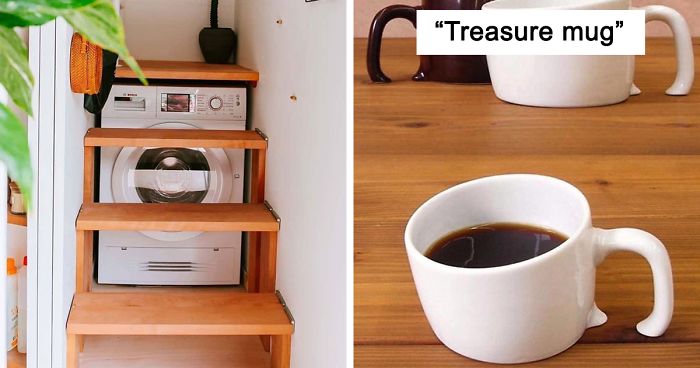
There are two kinds of people on Instagram: those who scroll until their thumbs request workers’ compensation, an whole apartment before dinner. The design-curation world belongs firmly to the second category.
Pages such as Call It Design turn the endless feed into a surprisingly useful visual library. Instead of serving up another beige sofa with a motivational pillow, they collect bold architecture, playful furniture, clever interiors, inventive lighting, and tiny details that prove good design does not have to shout. Sometimes it whispers. Sometimes it builds a staircase that looks like it escaped from a sci-fi movie.
Modern design is not simply about owning fewer things, painting every wall white, or pretending you do not need storage. At its best, it balances beauty with purpose. It uses materials honestly, gives light somewhere interesting to land, and makes everyday life feel a little smoother. The 50 modern design examples below show why a smart idea can be more memorable than a room full of expensive stuff.
Why Modern Design Collections Are So Addictive
Design-focused Instagram pages work because they train the eye. In a few seconds, you can compare a dramatic concrete home with a tiny kitchen that hides an entire pantry inside one wall. You can see how a rounded chair softens a sharp room, how a skylight changes the mood of a hallway, or how one oddly perfect lamp can rescue a space from looking like a furniture showroom.
The best modern design examples are not always the largest or most luxurious. A compact apartment with a fold-away desk can be more impressive than a mansion with six unused sitting rooms. Great design solves a real problem, then makes the solution look inevitable. That is the trick: when it works, you wonder why everyone has not been doing it that way forever.
Modern Design vs. Contemporary Design: A Tiny but Important Difference
People often use modern design and contemporary design as if they are identical twins wearing matching black turtlenecks. They are related, but not exactly the same. Modern design usually points back to twentieth-century ideas such as clean lines, practical furniture, open space, natural materials, and reduced ornament. Think of midcentury silhouettes, streamlined forms, and pieces that earn their place in the room.
Contemporary design is more flexible. It reflects what feels current now, so it can borrow from modernism, postmodernism, Scandinavian interiors, industrial spaces, organic forms, or even a suspiciously cheerful chair shaped like pasta. The strongest projects do not chase every trend. They borrow what works and leave the rest in the internet’s emotional attic.
50 Incredible Examples of Modern Design Worth Saving
Architecture That Makes You Stop Mid-Scroll
- A floating staircase with open risers: It makes a narrow entry feel lighter while turning a practical route upstairs into a sculptural centerpiece.
- A glass corner that frames a landscape: Instead of treating windows as holes in a wall, this approach turns the outdoors into living artwork.
- A concrete house softened by wood: Raw concrete can feel calm and refined when warm timber, natural light, and greenery keep it from becoming a bunker.
- A courtyard built into the center of a home: This design gives rooms daylight, fresh air, and a private patch of nature without requiring a country estate.
- A tiny cabin with one dramatic picture window: Small spaces feel larger when they borrow visual depth from forests, mountains, water, or a well-behaved backyard.
- A curved exterior wall: One gentle curve can make a building feel friendlier, more dynamic, and much less like a giant cardboard box.
- A roofline designed around sunlight: Smart angles, overhangs, and skylights can reduce glare while making daylight part of the home’s daily rhythm.
- A narrow house with vertical storage: Floor-to-ceiling shelves prove that compact urban living does not require surrendering every book, plant, and mystery cable.
- A modern addition attached to a historic home: Glass, steel, and simple geometry can complement older architecture without pretending to be original to the house.
- An indoor-outdoor living room: Sliding walls, connected terraces, and uninterrupted flooring create a smoother relationship between home and landscape.
Interiors That Understand How People Actually Live
- A kitchen island that doubles as a dining table: One hardworking surface can handle breakfast, homework, cooking, and the occasional life crisis involving cookies.
- A built-in window seat with storage: It creates a reading spot, adds hidden organization, and gives guests an excuse to linger longer than planned.
- A bedroom divider that does not block light: Slatted wood, ribbed glass, or open shelving can create privacy without turning the room into a cave.
- A bathroom with a wet-room layout: Removing unnecessary visual barriers can make a small bathroom feel spacious, clean, and quietly luxurious.
- A fireplace built into a low, horizontal wall: This anchors a room without making the fireplace look like it is applying for mayor.
- A single-color room with layered textures: Similar tones in plaster, fabric, wood, and stone create depth without requiring a rainbow of accessories.
- A compact mudroom with custom cubbies: Modern design is often at its best when it prevents coats, shoes, and backpacks from forming their own government.
- A wall-mounted desk that folds away: It proves a home office can exist even when your square footage is behaving stingily.
- A sunken conversation area: Lowered seating zones add drama and intimacy while giving an open-plan room a clear social center.
- A gallery wall with breathing room: Carefully spaced art looks more intentional than a wall that resembles a frame store after an earthquake.
Furniture That Refuses to Be Boring
- A sculptural lounge chair: The best pieces look interesting from every angle while still being comfortable enough for an actual human spine.
- A modular sofa that changes with the room: Sections can move, expand, separate, or adapt when life decides your living room needs a new personality.
- A dining table with a softened edge: Rounded corners make a room feel more relaxed and prevent painful encounters during late-night snack missions.
- A translucent acrylic chair: It adds function without visual heaviness, especially in smaller spaces where bulky furniture can feel overwhelming.
- A bench built into a wall: Built-ins use space efficiently and create a clean architectural line that loose furniture rarely matches.
- A side table with hidden charging: Modern furniture becomes more useful when it quietly handles the cords that normally breed behind the couch.
- A storage cabinet with fluted doors: Texture gives a minimal room character while concealing the less photogenic parts of daily life.
- A chair made from bent wood or molded plywood: Organic curves show how modern furniture can be both engineered and warm.
- A low-profile platform bed: Keeping furniture visually close to the floor can make a bedroom feel wider, calmer, and less crowded.
- A playful stool with an unexpected shape: One quirky object can add personality without forcing the entire room to become a novelty store.
Lighting That Does More Than Help You Find Your Keys
- A pendant light used as functional sculpture: A bold fixture can create a focal point before anyone even notices the furniture below it.
- Layered lighting instead of one ceiling fixture: Combining ambient, task, and accent light makes rooms more flexible and far more flattering after sunset.
- A hidden LED strip under shelving: It turns ordinary storage into a soft visual feature without announcing itself like a nightclub entrance.
- A wall sconce with a directional arm: This is a small but brilliant upgrade for bedside reading, desk work, or pretending you are in a boutique hotel.
- A skylight above a staircase: It transforms a circulation zone into an experience and gives even the most ordinary trip upstairs a little theater.
- A floor lamp with an oversized shade: Large-scale lighting can make a room feel intentional, especially when furniture is simple and restrained.
- Backlit mirrors in compact bathrooms: They create a soft glow, reduce harsh shadows, and make morning routines feel slightly less hostile.
- A sculptural lamp placed beside simple furniture: Contrast is the secret sauce: calm surroundings make one expressive object work harder.
- Natural light reflected by pale surfaces: Thoughtful paint, flooring, and textiles can amplify daylight without requiring a full renovation.
- A dramatic chandelier in an otherwise quiet room: One statement piece can carry the mood, leaving the rest of the space free to breathe.
Small Details With Big Design Energy
- A door handle designed like jewelry: Hardware is touched every day, so a beautiful handle makes an ordinary moment feel more considered.
- A stair railing with graphic geometry: Safety features can also become visual landmarks when proportion and materials are handled with care.
- A color-blocked doorway: Paint can define a threshold, create depth, and add personality without buying a single unnecessary decorative object.
- A sink with integrated counter storage: Good design removes clutter before it appears, which is basically magic with better drafting.
- Custom shelving around a television: It helps technology feel integrated instead of looking like a giant black rectangle that moved in without paying rent.
- A patterned tile used in one strategic area: A small dose of texture can create impact without making the entire room feel visually overcaffeinated.
- A mirror placed to capture a view: Mirrors can multiply daylight and scenery, not just remind you that you should probably drink water.
- Plants used as part of the architecture: Greenery feels strongest when it is integrated into shelves, courtyards, ledges, and window zones.
- A custom rug that defines a zone: Rugs can organize open interiors, soften acoustics, and make furniture arrangements feel purposeful.
- A tiny object with excellent proportions: A tray, vase, switch plate, or soap dispenser can reveal the difference between decorating and actually designing.
What These Modern Design Examples Have in Common
Across architecture, furniture, and interiors, the same themes keep appearing: function, proportion, light, material honesty, and a little surprise. Modern design does not mean every room has to look empty. It means the items in a room should have a reason to be there.
That is why a well-designed bench can feel more exciting than a pile of trendy cushions. It is why an awkward corner can become a reading nook, why a cabinet can hide clutter instead of collecting it, and why a simple material such as wood, glass, metal, or stone can become memorable when used thoughtfully. The best modern interiors are edited, not sterile. They leave room for people, routines, laughter, and the occasional pile of laundry that refuses to respect your aesthetic vision.
How to Borrow These Ideas Without Copying a Whole Instagram Feed
You do not need an architect, a dramatic cliffside lot, or a suspiciously wealthy uncle to bring modern design into your own space. Start with one problem. Maybe your room lacks light. Maybe it collects clutter. Maybe every chair faces the television like it is a tiny glowing monarch. Identify the issue, then choose a solution that improves how the space works.
Try adding one warm material to a room full of hard surfaces. Replace a bulky table with a slimmer piece that allows better circulation. Add layered lighting instead of relying on one ceiling fixture. Use shelves to display things you genuinely enjoy, not random objects that have been wandering from room to room since 2014.
The goal is not to create a perfect social-media set. The goal is to create a home that feels better on a normal Tuesday. That is where modern design earns its reputation: not in the photo, but in the lived-in moments after the photo.
Experiences With Modern Design: What Happens After You Save the 50th Post
There is a particular feeling that arrives after spending an hour looking at extraordinary modern design online. Suddenly, your own kitchen appears to have personally offended you. The light fixture seems too small. The cabinet handles look tired. The chair in the corner has somehow become a symbol of every bad decision you have ever made. This is normal. Design inspiration can be wonderfully motivating, but it can also make ordinary life look like it needs a full renovation by midnight.
The useful part begins when the scrolling stops. Modern design becomes meaningful when it changes how you notice your own space. Maybe you realize that the room feels dark because the curtains block most of the window. Maybe your desk feels chaotic because every cable, notebook, and mug has been forced into one tiny square. Maybe the hallway feels forgettable because it has no purpose beyond transporting people from one room to another like a very boring airport terminal.
In real homes, the most satisfying changes are often smaller than the images that inspired them. A friend might add a wall shelf by the door so keys stop disappearing into another dimension. Someone else might replace a giant coffee table with two smaller movable tables that work better for guests. A renter may use a floor lamp, a large mirror, and a light-colored rug to make a dim room feel more open. None of these changes are as dramatic as building a concrete villa in the desert, but they can make daily life noticeably easier.
There is also an emotional side to modern interiors. A well-planned space can create calm because it reduces visual noise. Storage keeps clutter from demanding attention. Comfortable seating makes people stay longer. Better lighting changes the mood of a room without changing the room itself. Natural materials such as wood, linen, stone, and woven fibers can make clean-lined spaces feel less clinical and more human.
Of course, not every modern design idea survives contact with real life. That white boucle chair might look magnificent online, but households with pets, children, snacks, or gravity may want to think twice. Open shelves can look elegant until they become a museum of mismatched mugs. Glass tables are beautiful until they reveal every fingerprint in a five-mile radius. Good design is not about blindly copying an image; it is about understanding why the image works and adapting the idea to your habits.
The best experience with modern design is not walking into a room and feeling like you live in a catalog. It is walking in and feeling that the room understands you. The chair is where you need it. The light is warm. The storage makes sense. The colors feel like yours. And somehow, despite all the planning, the space still leaves room for the strange little objects, messy moments, and personal stories that make a home worth living in.
Final Thoughts
The best examples of modern design do more than look impressive in an Instagram carousel. They demonstrate how thoughtful choices can improve comfort, solve everyday problems, and make ordinary spaces more memorable. Whether you borrow a lighting idea, rethink a cramped corner, or simply stop buying furniture that serves no purpose, modern design rewards curiosity. Save the ideas that make you pause, then use them to create a space that works beautifully in real life—not just in a square photo.
Editor’s note: These 50 examples are original design takeaways inspired by widely shared modern architecture, interior, furniture, and product-design concepts. Always credit original creators and obtain permission before republishing photographs or project images.