A clogged toilet has a special talent for choosing the worst possible moment to appear. It waits until guests are over, the plunger has vanished into another dimension, or you are already late for something important. Fortunately, a minor toilet clog does not always require a dramatic plumbing rescue mission.
Learning how to unclog a toilet with hot water can save the day when you are in a bind. The method is simple: use hot, not boiling, water to help soften and loosen a clog caused by toilet paper or organic waste. Add a little dish soap for lubrication, give the mixture time to work, and test the toilet carefully.
Before you grab a kettle and charge into battle, though, it helps to understand what hot water can fix, what it cannot fix, and how to avoid turning one clogged toilet into a bathroom flood worthy of a disaster movie.
Can Hot Water Really Unclog a Toilet?
Yes, hot water can help unclog a toilet when the blockage is soft and close to the toilet trap. It works best on ordinary clogs caused by too much toilet paper, waste, or a combination of both. The heat can help soften the material, while the moving water adds pressure that may encourage the clog to slide through the trapway.
Hot water is not magic plumbing lava. It will not dissolve a toy, remove a toothbrush, vaporize a hairbrush, or persuade a flushed action figure to reconsider its life choices. If a hard object is lodged in the toilet, use a toilet auger or call a plumber instead of repeatedly pouring water into the bowl.
The key word is hot, not boiling. Boiling water can damage porcelain, weaken seals, or create a cracking risk when it meets a cold toilet bowl. Hot tap water from a sink or bathtub is usually safer than freshly boiling water from the stove.
What You Need Before You Start
You do not need a garage full of plumbing tools for this method. Gather a few basics before you begin:
- A bucket or large container
- Hot tap water, not boiling water
- Liquid dish soap
- Rubber gloves
- Old towels or rags
- A toilet plunger, if you have one
Place towels around the base of the toilet before you begin. This is not because you expect chaos, but because plumbing tends to reward confidence with splashback. A little preparation makes the whole process less stressful.
Step One: Stop Flushing Immediately
The most important rule during a toilet clog is simple: do not keep flushing. One hopeful flush may be understandable. Four desperate flushes turn the bathroom into a science experiment nobody volunteered for.
If the water level is rising, remove the tank lid carefully and close the flapper inside the tank. The flapper is the rubber piece that lifts when you flush. Closing it stops additional tank water from rushing into the bowl.
You can also turn off the toilet’s water supply valve. It is usually located on the wall or floor behind the toilet. Turn it clockwise until the water stops. This prevents the toilet from refilling while you work.
Give the Bowl Some Breathing Room
Do not add hot water if the toilet bowl is already close to overflowing. Wait for the level to drop naturally, or carefully remove a small amount of water using a disposable container. Leave enough room in the bowl for the hot water without creating a spill situation.
A little patience here can save a lot of cleaning later. Toilets are surprisingly calm when left alone for a few minutes. They are basically tiny porcelain drama queens.
Step Two: Add Dish Soap for Extra Slip
Dish soap is a useful helper when you need to unclog a toilet without a plunger. It does not melt the clog like a superhero acid bath. Instead, it lubricates the toilet trap and helps the material slide through more easily.
Pour about one-quarter to one-half cup of liquid dish soap directly into the bowl. Standard dish soap works well. Avoid using dishwasher pods, powdered detergent, or anything that might create excessive foam.
Let the soap sit for about 10 to 20 minutes. This gives it time to work around the clog. Think of it as giving the blockage a nice slippery exit strategy.
Step Three: Add Hot Water Slowly and Safely
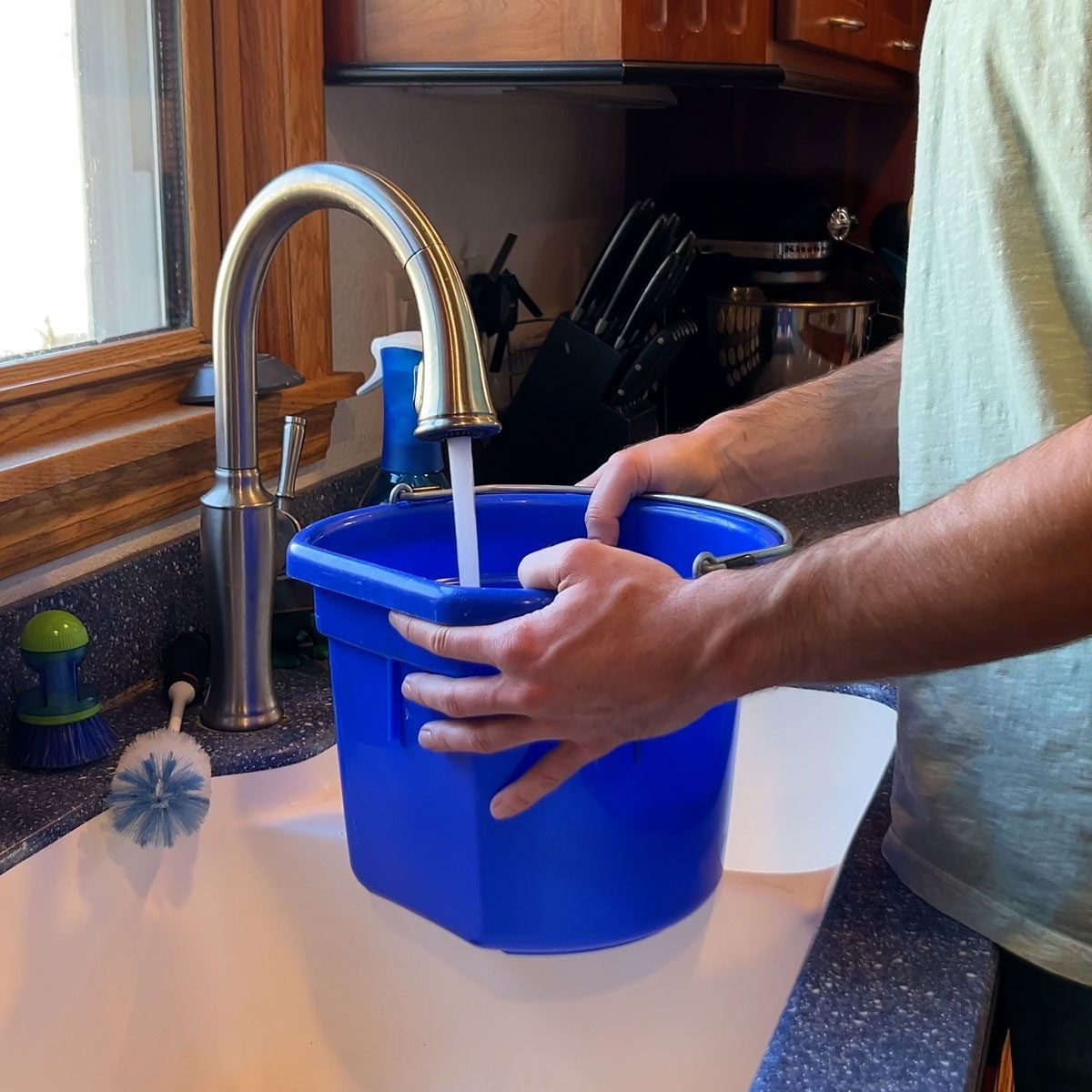
Fill a bucket with hot tap water. The water should be very warm, but not boiling. Water from a bathtub faucet or sink is usually a safer choice than water heated on the stove.
Slowly pour about one gallon of hot water into the toilet bowl. Pour from a low, controlled height to reduce splashing. Do not dump the water aggressively from above your shoulders like you are baptizing the bathroom.
The goal is to create enough warm water and gentle pressure to loosen the clog without sending the bowl over the edge. If the water level begins to rise too high, stop immediately and wait.
Wait Before Testing the Flush
After adding the hot water, wait another 10 to 20 minutes. During this time, the soap and hot water may soften the clog enough for it to move through the toilet trap.
Watch the bowl. A slowly lowering water level is a good sign. It means the blockage may be loosening or draining. If the water remains high and refuses to budge, do not flush yet.
Step Four: Test the Toilet Carefully
If the water level has returned to normal, turn the water supply back on if you shut it off. Then flush once and watch closely.
A successful flush should move water smoothly through the bowl without rising toward the rim. If the toilet drains normally, congratulations: you have successfully handled a plumbing emergency with little more than hot water, dish soap, and a reasonable amount of courage.
If the water rises again, stop the flush by closing the flapper or turning off the supply valve. The clog may be too large, too dense, or too far down the pipe for hot water alone.
Use a Plunger After the Hot Water Method
Hot water and dish soap often work best as a warm-up act for a toilet plunger. Once the clog has softened, a few solid plunges may finish the job.
Use a flange-style toilet plunger rather than a flat sink plunger. A flange plunger has an extra rubber sleeve that fits into the toilet drain opening and creates a stronger seal.
How to Plunge a Toilet Correctly
- Make sure there is enough water in the bowl to cover the plunger cup.
- Place the plunger over the drain opening and create a tight seal.
- Start with a slow push to remove trapped air.
- Use several firm push-and-pull motions.
- Pull upward slightly at the end to create suction.
- Remove the plunger and wait a moment before flushing once.
The goal is pressure and suction, not frantic splashing. Slow, controlled plunging usually works better than turning the bathroom into a cardio workout.
When Hot Water Is the Wrong Solution
Knowing when not to use hot water is just as important as knowing how to use it. Skip this method if you suspect a hard object is stuck in the toilet. Hot water will not remove a toy, a cosmetic container, a toothbrush, a phone, or anything else that should not have attempted a sewer adventure.
You should also avoid adding hot water if chemical drain cleaner is already in the toilet bowl. Mixing cleaners, acids, bleach, or other chemicals can create unsafe fumes or splashing hazards. Do not add vinegar, baking soda, soap, or hot water to a toilet that already contains a chemical drain opener unless the product instructions specifically say it is safe.
If multiple drains in your home are backing up, the problem may be deeper in the plumbing system. A toilet clog combined with a slow shower drain, gurgling sink, or water backing up into another fixture can signal a larger drain-line issue. Stop using water and contact a qualified plumber.
Try a Toilet Auger for Stubborn Clogs
If hot water and plunging do not solve the problem, a toilet auger is often the next best tool. Also called a closet auger, this tool is designed specifically for toilet traps and can reach farther than a plunger.
A toilet auger has a flexible cable inside a protective tube. The protective tube helps prevent scratches on the porcelain bowl. Carefully feed the cable into the drain opening, turn the handle, and work it gently through the obstruction.
Avoid using a wire coat hanger as a substitute. It can scratch the toilet bowl, damage the trapway, and push the clog deeper into the pipe. The coat hanger method may feel resourceful, but so does using a butter knife as a screwdriver until something breaks.
How to Prevent Another Toilet Clog
The easiest toilet clog to fix is the one that never happens. Most toilet blockages are preventable with a few simple habits.
Flush Only Toilet Paper and Human Waste
Toilets are not trash cans. Even products labeled “flushable” can create trouble in household plumbing and sewer systems. Avoid flushing wipes, paper towels, tissues, feminine hygiene products, cotton swabs, dental floss, diapers, cat litter, grease, or food scraps.
Toilet paper is designed to break down in water. Paper towels are designed to survive a kitchen spill, a science project, and possibly the apocalypse. They do not belong in a toilet.
Use Less Toilet Paper Per Flush
Large wads of toilet paper are one of the most common reasons toilets clog. If you need more paper than usual, flush once midway through instead of asking one flush to carry a mountain expedition through the trapway.
Keep a Real Toilet Plunger Nearby
A good flange plunger is inexpensive, useful, and much less embarrassing when it is already in the bathroom. Store it in a covered holder so it stays discreet and ready for duty.
Pay Attention to Repeat Clogs
A toilet that clogs repeatedly may have a deeper problem. Possible causes include a weak flush, a partially blocked trapway, a venting issue, mineral buildup, a damaged toilet component, or a developing sewer-line blockage.
Do not ignore frequent clogs just because hot water keeps saving the day. Repeated toilet trouble is your plumbing system’s way of sending increasingly urgent calendar invitations.
Frequently Asked Questions About Unclogging a Toilet with Hot Water
Can I pour boiling water into a clogged toilet?
No. Use hot water, not boiling water. Boiling water can damage porcelain, affect toilet seals, or create a risk of cracking when the bowl is cold.
How long should hot water sit in a clogged toilet?
Let the hot water and dish soap sit for about 10 to 20 minutes before testing the toilet. For a stubborn but soft clog, waiting a little longer may help.
Will hot water unclog a toilet without a plunger?
Sometimes. Hot water and dish soap can help with minor clogs caused by toilet paper or waste. However, a plunger or toilet auger may be needed for tougher blockages.
Can dish soap damage a toilet?
Ordinary liquid dish soap is generally safe in small amounts and may help lubricate a minor clog. Avoid using too much, because excess soap can create a large amount of foam.
Why does my toilet keep clogging?
Frequent clogs can happen because of excess toilet paper, low-flush performance, a partially blocked trapway, hidden objects, drain-line issues, or a problem farther down the plumbing system. A plumber can diagnose recurring clogs more accurately.
Real-World Experiences and Lessons from Hot Water Toilet Fixes
The hot water toilet method is one of those household tricks people often discover during a mildly embarrassing emergency. It is rarely anyone’s first choice. Most people would prefer a peaceful bathroom, a fully stocked supply closet, and a toilet that behaves like a responsible adult. Still, when a clog happens and there is no plunger nearby, hot water can be a surprisingly useful first move.
A common scenario involves an ordinary toilet paper clog. The toilet flushes, the water rises, and everyone in the room suddenly becomes very interested in the ceiling. In this situation, the best response is usually not panic. Turning off the water supply, waiting for the level to settle, adding dish soap, and using hot tap water can create enough movement to clear a soft obstruction.
Another lesson is that patience matters more than force. Many people make the mistake of immediately flushing again after adding hot water. That is like opening the oven every 30 seconds and wondering why dinner is not ready. The soap and hot water need time to work around the clog. Waiting 15 or 20 minutes can make the difference between a successful flush and an unnecessary overflow.
Homeowners also learn quickly that boiling water is not better simply because it is hotter. A toilet bowl is not a stockpot. Extremely hot water can stress porcelain and create damage that costs far more than a plumber’s visit. Hot tap water is the smarter choice because it provides warmth without turning a minor clog into a cracked-fixture problem.
People who have tried this method successfully often notice one important detail: the water level begins to drop before they flush. That gradual lowering is a hopeful sign. It suggests the clog is loosening and the water is moving through the trapway. When the bowl stays high and still, forcing another flush usually makes the situation worse.
There is also a valuable lesson about knowing when to stop. Hot water works best on soft, ordinary clogs. It is not designed for toys, wipes, dental floss, paper towels, or mystery objects that somehow entered the toilet during a chaotic morning. When a hard object is involved, continuing with water and plunging can push the item farther into the plumbing system.
In apartments and older homes, repeated clogs can reveal a bigger issue. A toilet that clogs every few days may not be suffering from bad luck. It may have a partially blocked trap, weak flush performance, mineral buildup, or a drain-line problem farther away from the bathroom. In those cases, hot water is still useful as a temporary measure, but it should not become a permanent plumbing lifestyle.
The best experience is the one that teaches prevention. Keep a flange plunger in the bathroom. Teach everyone in the household that wipes, paper towels, and “flushable” products are better off in the trash. Use smaller amounts of toilet paper per flush. Most importantly, remember that a calm response beats a panic flush every single time.
Note: This method is intended for minor, soft toilet clogs. Do not use boiling water, do not mix household cleaners, and contact a plumber for repeat clogs, hard objects, or backups affecting multiple fixtures.