Note: This article is an original, web-ready feature written in standard American English and based on verified public information about the Cow of the Day social account, cattle behavior, wholesome animal content, and the surprisingly real mood-boosting power of cute animal photos.
The Internet Has Found Its Emotional Support Cow
The internet is a chaotic barnyard. One minute you are checking your notifications, the next you are reading an argument between strangers about whether pineapple belongs on pizza, whether aliens built anything suspiciously triangular, or whether a celebrity’s haircut means society is collapsing. Then, suddenly, a cow appears.
Not a breaking-news cow. Not a sponsored cow. Not a cow trying to sell you a productivity app. Just a soft-eyed, grass-munching, possibly fluffy, occasionally majestic cow staring into the camera as if it has just remembered every password you forgot.
That simple pleasure is exactly why the Twitter account known as Cow of the Day became such a charming corner of social media. Its mission is beautifully uncomplicated: post cow pics every day just to make people smile. No complicated lore. No twelve-part cinematic universe. No emotional cliffhanger. Just cows.
And honestly? That may be why it works. In a digital world designed to keep us scrolling with outrage, comparison, urgency, and the occasional suspicious “miracle” gadget, a daily cow photo feels like a tiny vacation. It is wholesome content with hooves. It is pastoral joy delivered straight to the timeline. It is a reminder that somewhere, somehow, a cow is standing in a field doing cow things with the confidence of a retired philosopher.
What Is Cow of the Day?
Cow of the Day is a social media account that gained attention for sharing daily cow pictures, often featuring submissions from people who either own cows, meet cows, photograph cows, or simply believe the world needs more bovine representation. The concept is wonderfully clear: every day deserves a cow, and every cow deserves a moment in the spotlight.
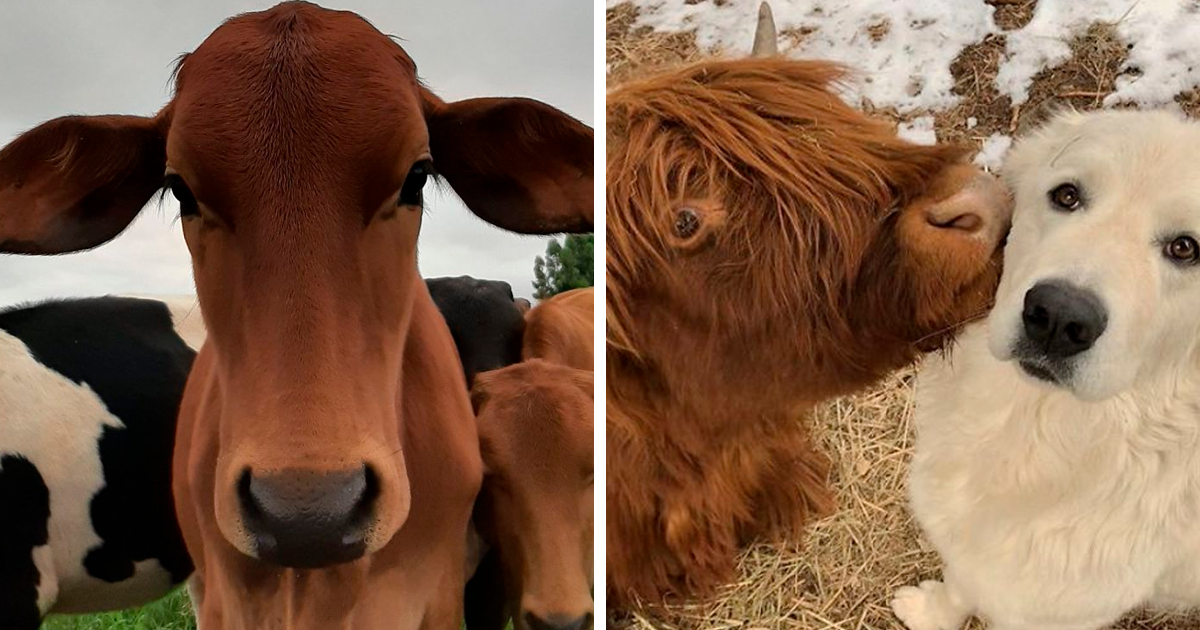
The account became especially popular after being highlighted in viral animal-content roundups, where readers reacted to a collection of 30 memorable cow pictures. The featured images ranged from fluffy Highland cattle and curious calves to dignified pasture queens who looked like they were posing for an album cover titled Moos From the Heart.
Part of the appeal is that the account does not try too hard. That is rare online. Many social platforms are packed with content engineered to trigger strong emotions, but Cow of the Day succeeds by doing the opposite. It slows the viewer down. It says, “Here is a cow. Please enjoy this cow.” That is not just content; that is a tiny public service.
Why Cow Pics Make People Smile
There is a reason cute animal content performs so well online. It is easy to understand, quick to enjoy, and almost impossible to misunderstand. A calf with a curious nose does not require subtitles. A fluffy cow standing in the snow does not need a marketing funnel. A cow licking a camera lens is international comedy.
Animal photos also provide emotional contrast. If your timeline is full of arguments, grim headlines, work reminders, and people pretending their Monday smoothie changed their life, a cow photo can feel like opening a window. It interrupts the noise with something grounded, gentle, and a little ridiculous.
Researchers and health organizations have repeatedly explored the benefits of human-animal interaction and animal imagery. Studies and wellness reports suggest that viewing cute animal content can improve mood, reduce stress, and help people feel calmer. Even when the interaction is digital rather than physical, the emotional response can still be meaningful. In plain English: sometimes your brain really does need a cow break.
The Science Behind the “Aww” Effect
When people see cute animals, their reaction is not just random internet mushiness. Cuteness can activate feelings of care, tenderness, and positive attention. This is why people send each other pet videos during stressful days, why office chats quietly become animal-photo galleries, and why one picture of a baby cow can do more for morale than a dozen motivational posters.
Animal-related content also tends to be low-conflict. A cow standing in a field is not asking users to pick a side. It is not trying to win a debate. It is not posting vague drama at 2:00 a.m. The cow simply exists, and that calm presence makes the post easy to share across ages, interests, and personality types.
There is also the charm of surprise. Many people think of cows as background farm animals, but cow photos reveal how expressive they can be. Some look curious. Some look proud. Some look like they are judging your parking. Some calves have the energy of toddlers who just discovered sugar. Once you notice these personalities, cow pictures become more than farm snapshots; they become tiny character studies.
Cows Are More Interesting Than People Think
Cows are often treated as symbols of rural life, milk, beef, or sleepy fields, but they are far more complex than the average cartoon barn scene suggests. Cattle are social animals. They prefer group living, form relationships, and can experience stress when isolated from others. In herd environments, cows notice one another, respond to routines, and often behave in ways that reveal curiosity, caution, comfort, or attachment.
That social nature may be one reason cow pictures feel warm rather than merely cute. A photo of two cows standing side by side can look like friendship. A calf leaning against its mother can feel tender. A group of cows looking directly into the camera can seem like a committee meeting where the main agenda item is “Who brought snacks?”
Different breeds also add visual variety. Highland cattle bring the shaggy rock-star hair. Holsteins offer classic black-and-white dairy charm. Jerseys often appear delicate and doe-eyed. Herefords have that sturdy, storybook-farm look. Longhorns bring dramatic horns and main-character energy. Put them all together, and you get a daily feed that never has to rely on shock value.
Why Daily Wholesome Content Works So Well
Daily posting gives people something to look forward to. That may sound small, but online routines matter. A daily cow photo becomes a tiny ritual: open the app, avoid the chaos if possible, find the cow, smile, continue life with slightly less emotional damage.
Accounts like Cow of the Day succeed because they create predictability without boredom. The format stays the same, but the cow changes. One day it might be a calf with ears too big for its head. Another day it might be a majestic Highland cow whose bangs deserve their own shampoo commercial. The next day it could be a cow standing in a field with the expression of someone who has just heard a suspiciously weak excuse.
That consistency helps build community. People tag friends. They submit photos. They comment with cow puns. They argue lovingly over which cow is the best cow, even though the correct answer is obviously “all of them.” The account becomes less like a feed and more like a shared smile factory.
The 30 Pics Factor: Why Collections Go Viral
Collections of 30 cow pictures work especially well because they create a complete browsing experience. One cow is nice. Thirty cows is an event. It gives readers enough variety to choose favorites, compare personalities, and emotionally adopt at least three animals they have never met.
List-style animal posts also fit how people browse during breaks. Readers can scroll casually, pause on a favorite image, send one to a friend, and return later for more. It is light content, but not empty content. The best animal galleries offer a kind of emotional reset. They do not demand much, yet they give something back.
Examples of Cow Pics People Love
Some cow photos become memorable because of simple visual comedy. A cow with its tongue out is practically a professional comedian. A calf peeking around a fence has the suspense of a spy movie, if the spy was covered in spots and wanted hay. A Highland cow in winter looks like a folk musician who knows three chords and all the secrets of the mountains.
Other photos are sweet rather than funny. A cow resting its head on another cow can feel peaceful. A calf being bottle-fed can melt even the most emotionally refrigerated viewer. A close-up of a cow’s long eyelashes can make people wonder why the cosmetics industry has not simply surrendered.
Why Cows Feel Like “Big Dogs” to the Internet
One common joke in cow-loving communities is that cows are basically big dogs. Of course, this is not biologically precise. A cow is not a dog, and trying to fit one into a dog bed would be a serious interior design mistake. But emotionally, the comparison makes sense.
Many cows can be curious, affectionate, playful, and responsive to gentle handling. Videos of cows running, leaning into scratches, licking people, or following caretakers often remind viewers of companion animals. Their size makes the sweetness funnier. A kitten being affectionate is adorable. A 1,200-pound animal wanting attention is adorable with structural consequences.
This “big dog” feeling gives cow content wide appeal. People who grew up around farms recognize familiar behaviors. People who have never touched a cow discover that cattle are not just scenery with hooves. And everyone gets to enjoy the strange joy of watching a giant animal behave with soft curiosity.
The Role of Twitter, Now X, in Spreading Small Joys
Although Twitter has changed significantly and is now known as X, its older culture helped accounts like Cow of the Day spread quickly. Short posts, fast sharing, and simple visual formats made animal accounts easy to follow. A cow photo did not need a long caption to travel. It just needed one person to say, “You need to see this cow.”
Social media often gets criticized for good reason. It can amplify stress, misinformation, and endless comparison. But the same systems that spread noise can also spread comfort. A cute animal account is a reminder that people do not only go online to argue or consume news. They also go online to laugh, decompress, connect, and find little pockets of kindness.
That is the quiet power of daily cow pictures. They prove that not every viral idea needs to be complicated. Sometimes the most shareable thing on the internet is a farm animal looking photogenic by accident.
What Brands and Creators Can Learn From Cow of the Day
At first glance, a cow-photo account may not seem like a case study in content strategy. But it actually teaches several useful lessons. First, clarity wins. People instantly understand the promise: follow this account, get cows. No confusion, no overbranding, no emotional homework.
Second, consistency builds trust. Posting daily gives followers a reason to return. The account becomes part of their routine, and routine is powerful in digital communities.
Third, joy is shareable. Not all content has to chase controversy. Wholesome posts can build engagement because people enjoy sending happiness to others. A cow picture is basically a social media postcard that says, “I saw this and thought your day could use a farm-shaped smile.”
Finally, user submissions can strengthen community. When people send in their own cow photos, they become part of the account’s story. The feed is no longer just one person posting images; it becomes a shared celebration of cows from different farms, places, and everyday encounters.
The Beauty of Simple Internet Happiness
The internet tends to reward intensity, but Cow of the Day shows that simplicity still has a place. A cow photo asks for almost nothing from the viewer. It does not demand outrage. It does not require expertise. It does not make you feel behind in life because someone else organized their pantry by emotional season.
Instead, it gives a small moment of uncomplicated delight. That may be why people respond so warmly. The posts are not trying to fix the world, but they can soften a hard day. They are not therapy, but they can feel therapeutic. They are not a substitute for rest, friendship, or actual time outdoors, but they can be a cheerful nudge in that direction.
And let us be honest: cows are funny. Their faces are expressive. Their bodies are large in a way that makes minor actions hilarious. Their chewing is dramatic. Their staring is intense. Their hair, depending on breed, can range from “polite farm animal” to “indie band bassist.” They are built for wholesome internet fame.
Extra Reflections: Personal Experiences With Daily Cow Joy
There is something deeply comforting about encountering cow pictures during an ordinary day. Imagine opening your phone between errands, emails, or school assignments and seeing a calf with a little pink nose standing in a sunlit field. Nothing about your schedule changes. Your inbox is still waiting. The dishes have not washed themselves, because apparently they are committed to personal growth through neglect. But your mood shifts, even slightly.
That shift is the magic of animal content. It creates a pause. A cow picture can remind you of a road trip through farmland, a childhood visit to a petting zoo, a county fair, or simply the peaceful idea of open space. Even if you live in a city surrounded by traffic, elevators, and people who walk slowly in doorways, a cow photo brings a little countryside into the day.
For many people, cows are connected to memory. Some remember grandparents who lived near farms. Others remember school field trips where the biggest discovery was that cows are much larger up close than they look from a car window. Some remember driving past pastures and waving at cows for no logical reason, except that cows seem like they deserve greetings. A daily cow account taps into those soft associations.
There is also a social experience around sharing these pictures. Sending a cow photo to a friend is a gentle form of checking in. It says, “I know today may be busy, but here is a cow wearing the facial expression of a confused substitute teacher.” That kind of message does not require a big emotional conversation. It is small, silly, and kind.
In workplaces, group chats, and family threads, cute animal photos often become emotional punctuation marks. A cow can end a tense discussion, revive a quiet chat, or give everyone something harmless to enjoy together. Unlike many online topics, nobody needs a five-paragraph opinion about whether a calf is cute. The calf is cute. The court rests.
Daily cow pictures also encourage people to notice animals more thoughtfully. A viewer might start by laughing at a fluffy cow, then become curious about cattle breeds, farm life, animal behavior, or humane care. Wholesome content can open the door to learning because it begins with affection instead of instruction. People are more likely to care about animals when they first see them as individuals rather than background objects.
Another experience connected to cow content is the quiet fantasy of slowing down. Many cow pictures show animals grazing, resting, or standing in fields with no visible urgency. For humans who live by alarms, deadlines, and battery percentages, this is strangely soothing. Cows do not appear to be optimizing their morning routine. They are not building a personal brand. They are chewing grass with ancient confidence. Respectfully, they may be onto something.
Of course, real farm life is not an endless postcard. Caring for cattle takes work, knowledge, time, and responsibility. But that makes the charm of these photos even more meaningful. Behind many adorable images are farmers, caretakers, sanctuaries, photographers, and animal lovers who notice beauty in everyday moments. They see a cow looking funny in the snow, a calf being curious, or a herd gathering at sunset, and they choose to share it.
That choice matters. The internet often rewards people for showing the worst moment, the sharpest take, or the loudest opinion. A daily cow photo chooses something gentler. It says that a simple picture can still be worth posting if it makes someone smile. That is not a small thing. In fact, it may be one of the healthiest ways to use a timeline.
So yes, a Twitter account that posts cow pics every day may sound silly at first. But silly is underrated. Silly keeps people human. Silly gives the nervous system a little room to breathe. Silly lets a cow with ridiculous bangs become the unofficial ambassador of emotional balance.
And if thirty cow pictures can make thousands of people pause, laugh, and share a softer moment, then maybe the internet still has plenty of good pasture left.
Conclusion: The World Needs More Cow Breaks
Cow of the Day became beloved because it understands one of the internet’s simplest truths: people like to smile, and cows are excellent at causing that condition. Whether the photo features a fluffy Highland cow, a curious calf, a gentle dairy cow, or a pasture full of suspiciously photogenic bovines, the result is the same. People pause. People laugh. People share.
In a digital culture that often feels too fast, too loud, and too argumentative, daily cow pictures offer a refreshing alternative. They are wholesome without being boring, funny without being mean, and comforting without trying too hard. That is a rare combination online.
So the next time your feed feels heavy, consider taking a cow break. Look at one cow. Maybe two. Maybe thirty. Let the eyelashes, fuzzy ears, calm fields, and magnificent moo energy do their work. The world may not become perfect, but for a moment, it can become noticeably more adorable.