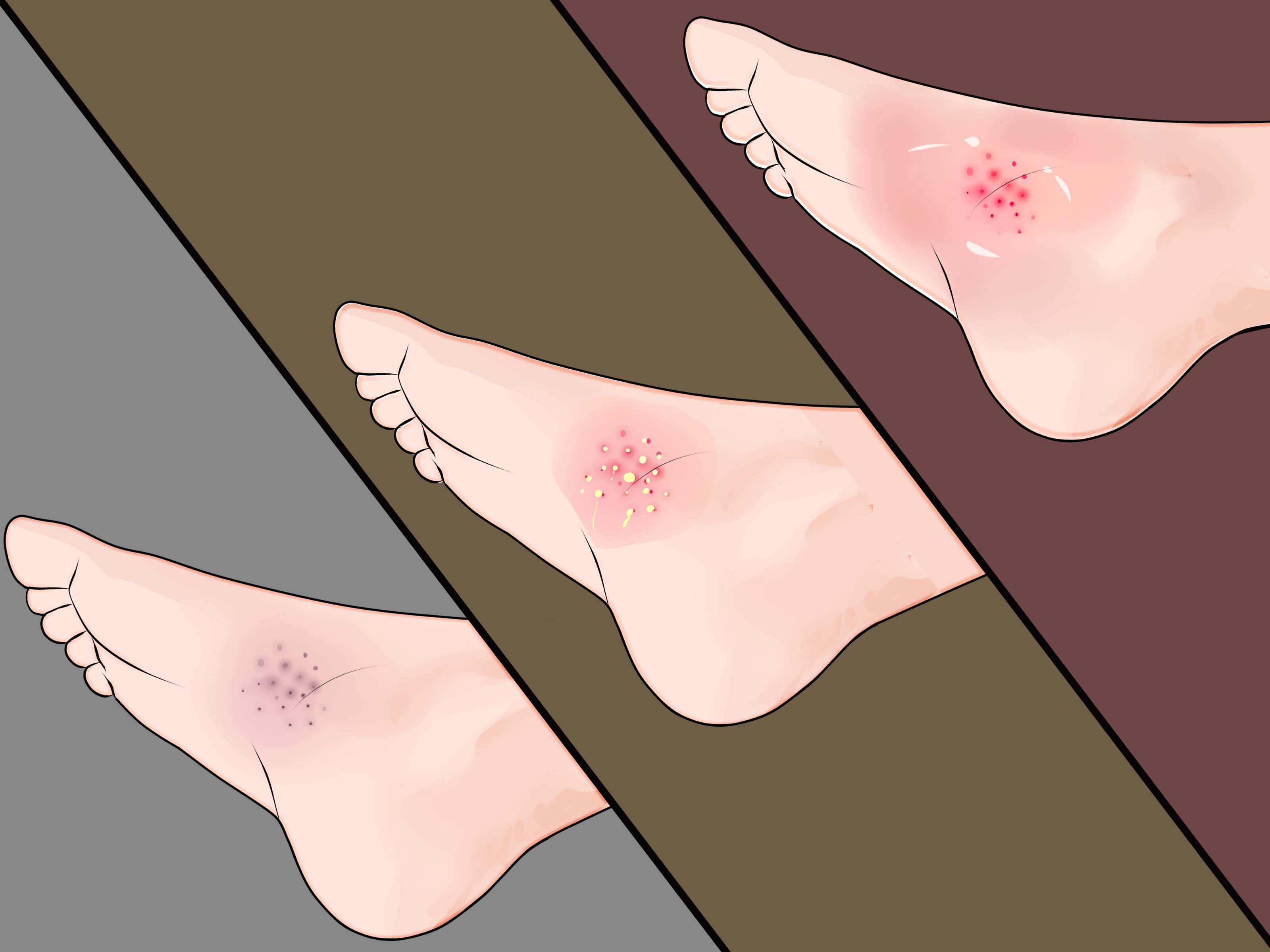
Stepping on a sea urchin is one of those beach experiences nobody puts on the postcard. One minute you are living your best ocean-life fantasy; the next, your foot has discovered a tiny underwater cactus with commitment issues. A sea urchin sting can be painful, surprising, and occasionally more serious than it looks, especially when brittle spines break off under the skin.
The good news: most sea urchin injuries can be managed well with calm, quick first aid. The less-good news: “calm” is not usually the first emotion people feel when their heel looks like it argued with a porcupine. This guide explains how to treat a sea urchin sting, what not to do, when to get medical care, and how to prevent a small beach puncture from becoming a bigger medical headache.
This article is educational and does not replace medical advice. If symptoms are severe, the wound is deep, spines are stuck near a joint, or the person has trouble breathing, seek urgent medical care immediately.
What Is a Sea Urchin Sting?
A sea urchin sting usually happens when someone steps on, brushes against, or grabs a sea urchin. Sea urchins are round marine animals covered in sharp spines. They often live around reefs, rocks, tide pools, shallow coastal areas, and seafloors where bare feet and curious hands unfortunately like to wander.
The injury is usually a puncture wound. The spines can pierce the skin and snap off because they are fragile. Some sea urchins also have small pincer-like structures called pedicellariae that may release venom. That combination explains why the pain can feel out of proportion to the size of the wound. Your foot may look like it met a sewing needle, but it may complain like it met a chainsaw.
Common Symptoms of a Sea Urchin Sting
Most sea urchin stings cause immediate sharp or burning pain. The area may become red, swollen, tender, and warm. Tiny black, purple, gray, or bluish dots may appear where spines or pigment remain in the skin. If the sting is on the foot, walking may feel like a very bad idea, because it usually is.
Typical local symptoms include:
- Sharp, burning, or throbbing pain
- Small puncture wounds
- Redness and swelling around the injury
- Visible spine fragments
- Bruise-like blue, black, or purple discoloration
- Tenderness when pressure is applied
- Itching or irritation as the wound heals
More serious symptoms can include:
- Severe swelling or worsening pain
- Numbness, tingling, weakness, or spreading pain
- Nausea, vomiting, dizziness, or fainting
- Shortness of breath or chest tightness
- Fever, pus, red streaks, or increasing warmth around the wound
- Spines embedded near a joint, tendon, eye, hand, or deep part of the foot
Severe reactions are uncommon, but they deserve respect. The ocean is beautiful, but it is not always interested in your vacation schedule.
First Aid: What to Do Immediately After a Sea Urchin Sting
The first rule is simple: get out of the water safely. Do not try to finish your swim, your dive, or your heroic “I’m fine” performance. A painful foot injury can affect balance, and waves, rocks, coral, or boat ladders can make the situation worse.
Step 1: Move to a safe place
Leave the water carefully and sit somewhere stable. If the sting is on the foot, avoid putting weight on it. If another person is helping, they should protect themselves from spines too. Sea urchin spines are not impressed by good intentions.
Step 2: Rinse the area
Gently rinse the wound to remove sand, debris, and loose fragments. Clean seawater can be useful at the beach. Once you are away from the shore, clean running water and mild soap can help wash the area. Avoid aggressive scrubbing because it may break spines or push fragments deeper.
Step 3: Remove only visible, easy-to-grasp spines
If large spine pieces are sticking out and can be grasped easily, remove them carefully with clean tweezers. Pull in the same direction the spine entered. Do not dig deeply with needles, knives, pins, or fingernails. That turns first aid into amateur excavation, and the skin is not a construction site.
Deeply embedded spines, spines near joints or tendons, and fragments that break when touched should be handled by a medical professional. Sea urchin spines are brittle; forcing them out may leave more pieces behind.
Step 4: Soak the wound in hot water
Hot-water immersion is one of the most commonly recommended first-aid steps for painful sea urchin puncture wounds. Use water that is hot but not scalding. A practical target is around 110°F to 113°F, or about 43°C to 45°C, if you can measure it. If you cannot measure, use the hottest water the uninjured person can comfortably tolerate without burning the skin.
Soak the affected area for 30 to 90 minutes, or until pain improves. Recheck the water temperature often. Do not use boiling water, and do not trust the injured person’s pain-stressed judgment alone. Pain can make safe heat hard to judge.
Step 5: Clean the wound again
After soaking, wash the wound gently with soap and clean water. Pat it dry with clean gauze or a clean towel. Apply a thin layer of over-the-counter antibiotic ointment if appropriate and if the person is not allergic to it. Cover lightly with a clean dressing if the wound may get dirty, but avoid sealing a puncture wound tightly with glue, tape, or heavy occlusive bandages.
Step 6: Manage pain safely
Over-the-counter pain relievers such as acetaminophen or ibuprofen may help, as long as the person can take them safely. Follow the label instructions. Avoid giving aspirin to children or teenagers unless a clinician specifically recommends it.
Should You Use Vinegar for a Sea Urchin Sting?
Vinegar is often mentioned because it may help dissolve some superficial sea urchin spine material, especially when fragments are shallow. Some medical references note that vinegar soaks or vinegar compresses may be useful for superficial spines that have not penetrated deeply.
However, vinegar is not magic beach potion. It does not replace hot-water immersion for pain relief, and it should not be used as an excuse to ignore deep fragments. If spines remain visible, painful, or embedded after basic first aid, get medical care. If the wound is near a joint, tendon, eye, or deep part of the foot, skip the vinegar experiments and let a clinician take a look.
What Not to Do After a Sea Urchin Sting
Bad first aid can make a sea urchin sting worse. The goal is to reduce pain, clean the wound, remove safe-to-remove fragments, and prevent infection. The goal is not to win a beachside surgery badge.
Avoid these mistakes:
- Do not dig deeply into the skin with a needle or knife.
- Do not squeeze the wound aggressively.
- Do not use boiling water or heat that can burn the skin.
- Do not ignore worsening pain, swelling, redness, pus, or fever.
- Do not keep walking on a painful foot injury if you can avoid it.
- Do not assume all black dots are harmless pigment; some may be retained spine fragments.
- Do not close a puncture wound tightly with glue or tape.
Also, do not rely on folklore remedies. If a suggestion sounds like it came from someone’s uncle’s roommate’s snorkeling cousin, treat it with caution. Urine, harsh chemicals, random pastes, and dramatic scraping are not the upgrade your skin is hoping for.
When to Get Medical Help
Many mild sea urchin stings improve with first aid, but some need professional care. Medical evaluation is especially important when spine fragments are deep, pain is severe, or the injury involves a high-risk area.
Seek urgent medical care if:
- The person has trouble breathing, fainting, chest tightness, facial swelling, or signs of a severe allergic reaction.
- The sting involves the eye, face, genitals, hand, or a joint.
- Spines are deeply embedded or keep breaking during removal.
- Pain is severe or does not improve after hot-water soaking.
- There are many puncture wounds or a large number of spines.
- The injured person has diabetes, poor circulation, immune suppression, or a higher infection risk.
- Signs of infection appear, such as fever, pus, red streaks, worsening redness, or increasing warmth.
- The person’s tetanus vaccination is not current.
In the United States, call 911 for life-threatening symptoms. For poison-related questions, Poison Control can be reached at 1-800-222-1222. If you are outside the United States, use the local emergency number or local poison center.
Possible Complications
Most sea urchin stings heal without major problems, but complications can happen. Retained spine fragments can irritate tissue and may lead to ongoing pain, inflammation, granulomas, infection, tendon irritation, joint problems, or delayed healing. A spine near a joint is especially tricky because movement can worsen irritation and because fragments may be harder to remove without imaging or clinical tools.
Temporary dark staining can also occur when pigment from the spine remains in the skin. Sometimes the discoloration fades as the skin heals; other times it may last longer. If a dark spot is painful, raised, swollen, or associated with drainage, it should be checked.
How Doctors May Treat a Sea Urchin Sting
A clinician may inspect the wound, remove fragments, clean the area thoroughly, and decide whether imaging is needed. X-rays do not always show every spine, but imaging may help when a retained foreign body is suspected. In some cases, ultrasound or other evaluation may be used depending on the location and symptoms.
Medical treatment may include pain control, local anesthesia for removal, wound care, tetanus vaccination, antibiotics if infection is present or likely, and referral to a specialist for deep fragments near joints, tendons, nerves, or the eye. Minor wounds may need only cleaning, observation, and home-care instructions. More complicated injuries may require careful removal by a trained professional.
How to Care for the Wound at Home
After the first day, keep the wound clean and dry. Wash gently with soap and water once or twice daily. Replace dressings when they become wet or dirty. Avoid swimming, hot tubs, lakes, and ocean water until the wound is clearly healing. Marine bacteria love open puncture wounds the way tourists love sunset photos.
Monitor the area for several days. Mild soreness can be normal, but pain should gradually improve. Swelling should not keep increasing. Redness should not spread. If the wound starts acting more dramatic on day three than it did on day one, it deserves attention.
Call a healthcare provider if you notice:
- Increasing pain after initial improvement
- Spreading redness or warmth
- Drainage, pus, or a bad smell
- Fever or chills
- Difficulty moving a toe, finger, hand, or foot
- Persistent black dots with tenderness
- Numbness or tingling
Sea Urchin Sting Prevention
The best sea urchin sting treatment is not getting stung in the first place. This sounds obvious, but so does “don’t touch the spiky ocean ball,” and yet emergency rooms continue to meet vacation feet every summer.
Practical prevention tips:
- Wear water shoes with sturdy soles when walking on rocks, reefs, or tide pools.
- Shuffle carefully rather than stepping blindly in shallow water.
- Use a dive light or careful visual checks around rocky areas.
- Never grab marine life, even if it appears still or harmless.
- Follow local beach warnings and lifeguard advice.
- Avoid stepping on coral, rocks, or reef structures.
- Teach kids to observe tide-pool animals without touching them.
Sea urchins are not villains. They are important marine animals doing normal sea urchin things. The problem begins when human feet arrive uninvited.
Quick First-Aid Checklist for a Sea Urchin Sting
- Get out of the water safely.
- Keep the injured area still and avoid pressure.
- Rinse gently to remove debris.
- Remove only visible, easy-to-grasp spines with clean tweezers.
- Soak in hot, non-scalding water for 30 to 90 minutes.
- Wash with soap and clean water.
- Apply a light dressing if needed.
- Use safe over-the-counter pain relief as directed.
- Watch for infection or worsening symptoms.
- Get medical care for deep, severe, joint-related, infected, or allergic symptoms.
Experience-Based Advice: What a Sea Urchin Sting Feels Like and How People Usually Handle It
Anyone who has stepped on a sea urchin tends to remember the moment with impressive clarity. There is usually a pause, a sharp breath, and then a facial expression that says, “Nature has betrayed me personally.” The pain is often immediate and intense, especially when the sting is on the bottom of the foot. Even a few tiny spines can make walking feel awkward, and a beach that looked relaxing five seconds ago suddenly seems much farther from the parking lot.
One common experience is panic over the black dots left in the skin. People often assume every dot must be removed immediately, which leads to overenthusiastic picking. That is where trouble begins. Sea urchin spines can crumble, and digging too much may turn a shallow puncture into a deeper wound. A better approach is patience: remove what is clearly visible and easy to grasp, soak the area in hot water for pain relief, clean it well, and get medical help if fragments are deep or symptoms persist.
Another real-world lesson is that hot-water soaking often feels surprisingly helpful. People may start the soak skeptical, then slowly realize the pain is dialing down from “angry fire alarm” to “annoying background music.” The trick is temperature control. The water should be hot enough to help but never hot enough to burn. If someone else is assisting, that helper should test the water first. The injured person may be too distracted by pain to judge accurately.
Travelers also learn that location matters. A small sting on a fleshy part of the foot may heal with simple care, while a puncture near a toe joint can become a bigger issue. Toes, fingers, hands, and joints are complicated little engineering projects. If a spine enters those areas, professional evaluation is smart. The same is true if the person has diabetes, immune problems, circulation issues, or a history of severe allergic reactions.
Beach first-aid kits are another underrated topic. Many people pack sunscreen, snacks, and three kinds of sunglasses but forget tweezers, clean gauze, antiseptic wipes, and a small pain reliever. A basic kit can make the difference between organized care and a chaotic group debate featuring eight opinions and one rusty keychain tool. For ocean trips, add water shoes, a clean towel, a small bottle of vinegar for certain marine-sting situations, and the local emergency number.
People who snorkel or explore tide pools often discover that prevention feels boring until it saves the day. Water shoes may not win a fashion award, but neither does limping dramatically across a resort lobby. Move slowly, look before placing your hands or feet, and avoid touching marine life. Sea urchins do not chase people. Most injuries happen because people step, sit, or reach without checking first.
The biggest experience-based takeaway is this: do not let embarrassment delay care. Lots of smart people step on sea urchins. Ocean injuries are equal-opportunity humblers. If pain is severe, spines are stuck, swelling spreads, or the wound looks infected, get help. A quick medical visit is far better than pretending everything is fine while your foot quietly writes a complaint letter.
Conclusion
A sea urchin sting can be painful, but quick, sensible first aid usually makes a big difference. Get out of the water, remove only visible and easy-to-grasp spines, soak the area in hot non-scalding water, clean the wound, manage pain safely, and watch closely for signs of infection. Seek medical care for deep spines, injuries near joints, severe pain, allergic symptoms, or wounds that worsen instead of improve.
The ocean is still wonderful. Just remember: admire sea urchins from a respectful distance. They are excellent at being spiky, and your feet have other hobbies.