A cast iron fondue set is the rare kitchen item that feels both charmingly old-school and surprisingly practical. It sits in the middle of the table like a tiny culinary campfire, inviting everyone to dip bread into bubbling cheese, strawberries into glossy chocolate, or vegetables into hot broth. It is not just cookware; it is dinner plus entertainment, with fewer awkward silences and more people saying, “Wait, who stole my mushroom?”
For anyone shopping for a fondue pot, cast iron is one of the strongest choices because it holds heat beautifully, warms evenly, and looks handsome enough to leave on the table. Whether you are planning a cozy date night, a holiday appetizer station, or a retro dinner party with modern manners, a cast iron fondue set can make the experience feel special without requiring chef-level skills.
This guide explains what a cast iron fondue set is, why it works so well, how to choose one, what to cook in it, how to clean it, and what real-life users should expect once the cheese starts flowing.
What Is a Cast Iron Fondue Set?
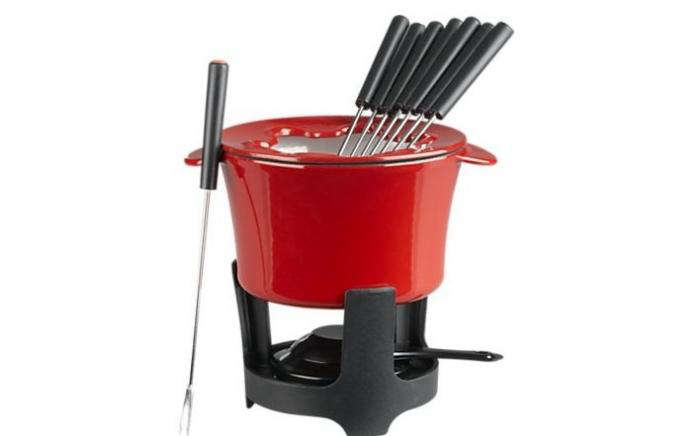
A cast iron fondue set is a table-ready cooking and serving system built around a heavy cast iron pot. Most sets include the pot, a metal stand or rechaud, a burner or fuel cup, and several long fondue forks. Many modern versions use enameled cast iron, which means the iron is coated with a smooth enamel surface that resists sticking, reduces reactivity with acidic ingredients, and makes cleanup easier.
The idea is simple: prepare or heat your fondue in the pot, place it over a gentle heat source, and let guests dip bite-sized foods into the warm mixture. The result can be savory, sweet, or somewhere in the glorious middle where cheese and bread become best friends forever.
Common Types of Fondue
A good cast iron fondue set can usually handle several styles of fondue:
- Cheese fondue: Melted cheeses such as Gruyère, Emmental, Fontina, or cheddar blended with wine, broth, garlic, and a little starch for smoothness.
- Chocolate fondue: Melted chocolate with cream, milk, or liqueur, served with fruit, marshmallows, cookies, or pound cake.
- Broth fondue: Hot seasoned broth used to cook thin slices of meat, seafood, vegetables, or dumplings.
- Oil fondue: Hot oil used for cooking meat or seafood at the table, usually best for experienced users because it requires extra caution.
Not every set is equally ideal for every fondue style, so always check the manufacturer’s instructions. Some small chocolate fondue pots are not designed for high-heat oil fondue, while larger cast iron sets are better suited for cheese, broth, and heartier use.
Why Cast Iron Works So Well for Fondue
Fondue sounds simple, but it is surprisingly sensitive to heat. Cheese can separate, chocolate can scorch, and broth can cool down if the pot is too thin. Cast iron solves many of these problems because it acts like a heat battery. Once warmed, it holds temperature steadily, which helps keep fondue smooth and enjoyable throughout the meal.
Excellent Heat Retention
Heat retention is the big reason people love cast iron fondue pots. The pot does not panic when cold bread, fruit, or vegetables are dipped into it. Instead, it keeps the mixture warm and stable. That matters because fondue is meant to be slow and social. Nobody wants cheese that turns into a rubbery mountain halfway through the party.
Even Heating
Cast iron distributes heat gradually, which helps prevent hot spots. That is especially useful for cheese and chocolate, both of which prefer gentle warmth. High heat can make cheese grainy and chocolate dull or separated. Cast iron encourages a slower, steadier melt, which is exactly what fondue needs.
Table Appeal
Let us be honest: looks count. A cast iron fondue set has presence. Enameled versions in red, white, black, blue, or cream look polished enough for a dinner party but cozy enough for a family night. The pot becomes part of the table setting, not something you hide before guests arrive.
Cast Iron vs. Ceramic, Stainless Steel, and Electric Fondue Pots
Fondue pots come in several materials, and each has strengths. Cast iron is not the only option, but it is one of the most versatile.
Cast Iron Fondue Set
Best for people who want strong heat retention, durability, and a classic presentation. It is excellent for cheese fondue, chocolate fondue, broth, and some oil fondues when the set is designed for higher heat. The trade-off is weight. A cast iron pot is not featherlight, but that heft is part of why it works so well.
Ceramic Fondue Pot
Ceramic is lovely for chocolate and cheese because it warms gently and looks attractive. However, it may not be suitable for high-heat oil or broth fondue unless specifically rated for that use. Ceramic can also be more fragile if dropped or shocked by sudden temperature changes.
Stainless Steel Fondue Pot
Stainless steel is durable and often used for broth or oil fondue. It heats faster than cast iron, which can be useful, but it may also require closer temperature control. Thin stainless steel can create hot spots, so quality matters.
Electric Fondue Pot
Electric fondue pots offer precise temperature control and convenience. They are great for beginners who want less guesswork. The downside is that they need an outlet and may not have the same table charm as a traditional cast iron fondue set. A cord running across the table is not exactly Alpine romance.
How to Choose the Best Cast Iron Fondue Set
The best cast iron fondue set depends on how you plan to use it. A couple making chocolate fondue once a month has different needs from a host serving eight people bubbling cheese before dinner.
1. Capacity
Capacity is one of the most important buying factors. A small 0.25-quart mini fondue pot is charming for chocolate or dessert for two, but it will not feed a hungry group. A 1.5- to 2.5-quart fondue pot is more practical for cheese fondue, broth, or entertaining four to six people. If you regularly host bigger gatherings, choose a larger pot or consider using two sets.
2. Enameled Interior
An enameled cast iron fondue pot is usually easier to clean and does not require seasoning like bare cast iron. The enamel also helps protect the food from reacting with the iron. This is useful when making cheese fondue with wine or adding ingredients like lemon juice, tomatoes, or vinegar-based sauces.
3. Stable Stand
The stand should be sturdy and balanced. Fondue involves hot ingredients, long forks, and excited people reaching across the table. A wobbly stand is not a charming quirk; it is a tiny disaster auditioning for a bigger role.
4. Burner Type
Traditional fondue sets often use gel fuel, liquid alcohol fuel, or a tea light, depending on the model. Tea lights are usually best for chocolate or very gentle warming. Fuel burners provide more heat for cheese, broth, or oil. Always use the fuel recommended by the manufacturer and never improvise with unsafe fuels.
5. Fork Quality
Good fondue forks should be long enough to keep hands away from heat and sharp enough to hold bread, fruit, meat, or vegetables. Color-coded handles are helpful because fondue forks have a way of vanishing into the social fog. Without color coding, someone will confidently claim your fork, and international negotiations may follow.
6. Lid or Splash Guard
Some sets include a splash guard or fork guide. This is especially useful for broth or oil fondue because it helps reduce splatter and gives each fork a resting place. For cheese and chocolate, it is less essential but still convenient.
Best Foods to Serve with a Cast Iron Fondue Set
A cast iron fondue set is flexible enough for appetizers, dinner, or dessert. The right dippers turn a simple pot of melted goodness into a full experience.
Cheese Fondue Dippers
- Crusty bread cubes
- Soft pretzel bites
- Roasted potatoes
- Steamed broccoli or cauliflower
- Apple slices
- Cornichons or pickles
- Cooked sausage pieces
For cheese fondue, dry or day-old bread works especially well because it holds its shape. Fresh fluffy bread tastes great, but it can fall apart and disappear into the pot like a carb-based submarine.
Chocolate Fondue Dippers
- Strawberries
- Banana slices
- Pineapple chunks
- Marshmallows
- Pretzels
- Pound cake cubes
- Shortbread cookies
Chocolate fondue is more forgiving than cheese, but it still needs gentle heat. Keep the flame low, stir occasionally, and avoid letting the chocolate bubble. Bubbly chocolate is not excitement; it is a warning sign.
Broth or Oil Fondue Dippers
- Thinly sliced beef
- Chicken pieces
- Shrimp
- Mushrooms
- Zucchini
- Tofu cubes
- Par-cooked potatoes
When serving raw meat or seafood, keep raw and cooked foods on separate plates. Use separate utensils for handling raw ingredients, and make sure food is cooked thoroughly before eating. Fondue is fun, but food safety should still be invited to the party.
How to Use a Cast Iron Fondue Set
Using a cast iron fondue set is simple once you understand the rhythm: warm slowly, stir patiently, and keep the heat steady.
Step 1: Prepare Ingredients First
Cut all dippers before heating the fondue. Arrange them on platters so guests can reach everything easily. Fondue moves at a relaxed pace, but preparation should happen before the pot comes to the table.
Step 2: Warm the Pot Gradually
If the pot is stovetop-safe, you can often prepare cheese or chocolate on the stove first and then transfer it to the stand. Use low to medium-low heat. Sudden high heat can damage texture and may stress enamel. If your set is not stovetop-safe, prepare the fondue in another pan and pour it carefully into the fondue pot.
Step 3: Use the Right Heat Source
Use a tea light for gentle chocolate warming, or the recommended fuel burner for cheese, broth, or oil. Keep the flame controlled. Fondue should be warm and silky, not boiling like it is trying to launch a career in special effects.
Step 4: Stir Occasionally
Cheese and chocolate benefit from occasional stirring. This keeps the texture even and prevents the bottom from thickening. If the mixture becomes too thick, add a small splash of warm wine, broth, milk, or cream, depending on the recipe.
Step 5: Follow Food Safety Basics
Hot foods should stay hot, especially when serving broth, meat, seafood, or dairy-based mixtures over time. Keep perishable foods out of the temperature danger zone as much as possible, serve in manageable batches, and discard anything that has been sitting too long. A food thermometer is a smart tool, not a party pooper.
Cleaning and Caring for a Cast Iron Fondue Set
Cleaning depends on whether your pot is bare cast iron or enameled cast iron. Most fondue sets are enameled, but always check your product instructions.
For Enameled Cast Iron
Let the pot cool before washing. Do not shock a hot pot with cold water because sudden temperature changes can damage enamel. Wash with warm water, mild dish soap, and a soft sponge. For stuck-on cheese, soak briefly in warm water, then clean gently. Avoid metal scouring pads or harsh abrasives that can scratch the enamel.
For Bare Cast Iron
Wash by hand, dry thoroughly, and apply a thin layer of oil if needed to protect the surface. Do not put bare cast iron in the dishwasher. Water and neglect are the villains in the cast iron story, and rust is their dramatic soundtrack.
Clean the Stand and Burner Separately
Wipe the stand with a damp cloth and dry it well. Never submerge the burner unless the manufacturer says it is safe. Make sure all fuel is extinguished and the burner is completely cool before handling or storing.
Is a Cast Iron Fondue Set Worth It?
A cast iron fondue set is worth it if you enjoy interactive meals, entertaining, cozy dinners, or cookware that doubles as table decor. It is not the most minimalist kitchen tool, and it may not be essential for someone who only wants melted chocolate once every five years. But for people who love gathering around food, it earns its shelf space.
The strongest argument for cast iron is performance. Cheese stays warm longer. Chocolate melts smoothly with proper care. Broth holds heat better than it would in a thin pot. The set also creates a mood that a regular saucepan cannot match. You can make fondue without a dedicated fondue pot, but serving it in a cast iron set feels more intentional, more festive, and frankly, more fun.
Common Mistakes to Avoid
Using Too Much Heat
Fondue does not reward impatience. High heat can break cheese, scorch chocolate, or create dangerous splatter with oil. Keep the heat gentle and steady.
Skipping the Starch in Cheese Fondue
Cornstarch or flour helps stabilize cheese fondue. Toss shredded cheese with a little starch before melting, and add it gradually. This improves texture and reduces clumping.
Overfilling the Pot
Leave enough room for dipping and stirring. A too-full pot is harder to manage and more likely to spill. Fondue should feel abundant, not like a dairy volcano waiting to happen.
Using Wet Dippers
Dry fruit, vegetables, and cooked foods before dipping. Extra water can thin cheese or chocolate and may cause splatter in hot oil.
Forgetting Ventilation and Fire Safety
Keep the burner away from napkins, curtains, paper decorations, and anything else that prefers not to be on fire. Place the set on a stable, heat-safe surface and never leave an open flame unattended.
Buying Tips for a Cast Iron Fondue Set
When comparing sets, look beyond the color and price. A beautiful pot is nice, but usability matters more.
- Choose enameled cast iron for easier cleaning and better everyday convenience.
- Pick the right size based on your usual number of guests.
- Look for a sturdy stand with balanced support.
- Check the included accessories, especially fork count, splash guard, and burner type.
- Confirm compatible heat sources before using the pot on a stovetop, induction cooktop, oven, or open flame.
- Read care instructions so the enamel, seasoning, and burner last longer.
Premium brands often cost more because of enamel quality, design, durability, and heat performance. Budget-friendly sets can still work well, especially for occasional use. The best cast iron fondue set is the one you will actually use, not the one that sits in a cabinet looking like it is waiting for a 1970s dinner party invitation.
Recipe Ideas for Your First Fondue Night
Classic Cheese Fondue
Rub the inside of the pot with a cut garlic clove. Warm dry white wine gently, then add shredded Gruyère and Emmental tossed with cornstarch. Stir slowly until smooth. Add a little nutmeg, black pepper, or kirsch if desired. Serve with bread, apples, potatoes, and pickles.
Easy Chocolate Fondue
Warm heavy cream until steaming, then add chopped chocolate and stir until glossy. Add a small pinch of salt and a splash of vanilla. Serve with strawberries, bananas, pretzels, marshmallows, and cake cubes.
Cozy Broth Fondue
Heat beef, chicken, or vegetable broth with garlic, herbs, scallions, and a splash of soy sauce. Keep it hot in the fondue pot and cook thin slices of meat, mushrooms, tofu, or vegetables. Offer dipping sauces such as garlic aioli, mustard sauce, chimichurri, or sesame ginger sauce.
Real-Life Experiences with a Cast Iron Fondue Set
The first thing most people notice about a cast iron fondue set is the weight. It feels serious in the hand, like it has opinions about cheese and perhaps a small retirement account. That weight can be inconvenient when you are pulling it from a high cabinet, but once the pot is on the table, it becomes an advantage. It stays steady, holds heat, and gives the whole meal a sense of occasion.
In everyday use, cheese fondue is where cast iron really shines. A lightweight pot can cool quickly when several people are dipping bread and vegetables, but cast iron keeps the mixture warm enough to stay creamy. The experience is relaxed. Guests talk, dip, laugh, lose bread in the cheese, accuse each other politely, and then keep eating. It turns dinner into a shared activity rather than a plate-by-plate routine.
Chocolate fondue is usually the easiest beginner experience. It requires less heat than cheese and feels instantly rewarding. A cast iron pot keeps the chocolate warm while people work through fruit, pretzels, cookies, and whatever else looked dippable after the second cup of coffee. The key lesson is to keep the flame low. Chocolate does not need drama. It needs patience, cream, and a spoon nearby for “quality control.”
Broth fondue feels more like a full dinner. It is fun, but it requires more organization. Raw meats and seafood should be kept separate from ready-to-eat foods, and guests need clear plates for cooked items. The cast iron pot performs well because broth needs consistent heat. However, the host has to pay attention to temperature, portion size, and safe handling. This is not the best format for a chaotic room full of toddlers, dogs, and Uncle Rick telling a story with both hands.
Cleaning is usually easier than expected, especially with enameled cast iron. The biggest mistake is waiting too long. If cheese hardens into a cement-like tribute to dairy engineering, cleanup becomes more annoying. Let the pot cool, soak it briefly with warm water, and use a soft sponge. Avoid harsh scraping. Most residue loosens with patience, which is also what fondue teaches as a lifestyle philosophy.
Storage is the one practical drawback. A cast iron fondue set includes several pieces: pot, stand, burner, forks, and sometimes a splash guard. Keep everything together in one box or dedicated cabinet space. Otherwise, the next fondue night will begin with a treasure hunt for the missing burner, and nobody wants to explain to guests that dinner has been delayed by a tiny metal cup.
Overall, the experience is worth it for people who enjoy slow meals and shared food. A cast iron fondue set is not just about melted cheese or chocolate. It creates a reason to gather around the table, reach for the same pot, and turn a simple meal into a memory. That may sound sentimental, but after the first perfect bite of bread covered in warm cheese, sentimentality suddenly seems extremely reasonable.
Conclusion
A cast iron fondue set is a smart choice for anyone who wants durable cookware, steady heat, and a dining experience that feels cozy, interactive, and a little special. It works beautifully for cheese fondue, chocolate fondue, broth-based meals, and carefully managed oil fondue when the set is designed for it. The best models combine enameled cast iron, a stable stand, a reliable burner, and enough capacity for your usual crowd.
Choose the right size, use gentle heat, prepare your dippers ahead of time, and clean the pot properly after each use. Do that, and your fondue set can become more than a kitchen accessory. It can become the centerpiece of winter nights, holiday parties, romantic dinners, family celebrations, and “we bought too much cheese” emergencies. And honestly, those are the emergencies worth preparing for.
Note: This article is written for general home-cooking and shopping guidance. Always follow the instructions included with your specific cast iron fondue set, especially for burner fuel, stovetop compatibility, cleaning, and food safety.