Note: This article is for educational purposes only and should not replace medical advice from a licensed healthcare professional. If a headache feels sudden, severe, unusual, or comes with neurological symptoms, seek medical care promptly.
Tension headaches are the overachievers of the headache world: common, annoying, and excellent at showing up exactly when you have emails to answer, homework to finish, or a life to live. They often feel like a tight band around the head, as if your skull accidentally signed up for a compression garment. The good news is that most tension-type headaches are not dangerous, and many improve with simple treatment, healthier routines, and better stress management.
Still, “common” does not mean “ignore it forever.” A tension headache can become frequent, interfere with sleep or productivity, and lead to a cycle of taking pain relievers too often. Understanding the symptoms, treatments, and causes of tension headaches can help you respond early, prevent repeat episodes, and know when it is time to call a clinician instead of arguing with your forehead.
What Is a Tension Headache?
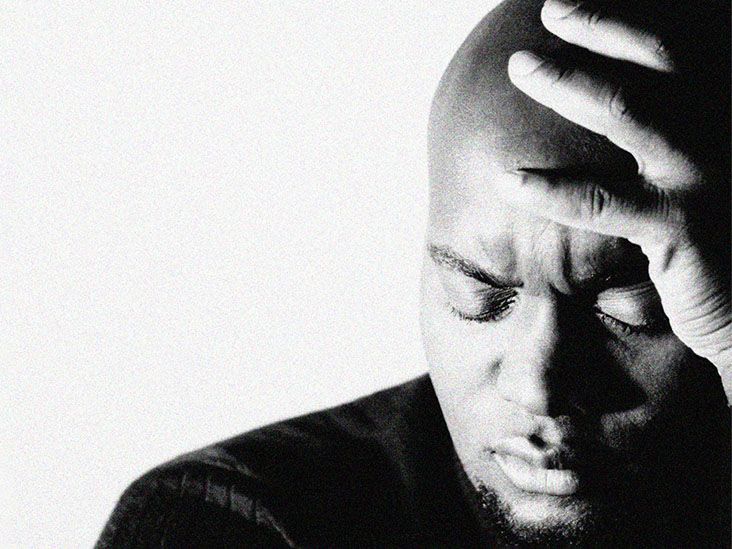
A tension headache, also called a tension-type headache, is a primary headache disorder. “Primary” means the headache itself is the condition, not a symptom of another disease such as an infection, injury, or stroke. Tension headaches usually cause mild to moderate pain on both sides of the head. The pain is typically steady, pressing, or tightening rather than throbbing.
People often describe the feeling as pressure around the forehead, temples, scalp, neck, or back of the head. Unlike migraine, a tension headache usually does not cause severe nausea, vomiting, or intense sensitivity to light and sound. Many people can continue daily activities, although they may do so with the enthusiasm of a phone battery at 3%.
Common Symptoms of Tension Headaches
Typical Pain Pattern
The most recognizable symptom is a dull, squeezing ache. The pain often affects both sides of the head and may feel like a tight headband. It can start slowly and build over time, especially during stressful work, long screen sessions, poor posture, or skipped meals.
Common tension headache symptoms include:
- Mild to moderate head pain
- Pressure or tightness across the forehead, temples, or back of the head
- Pain on both sides of the head
- Tenderness in the scalp, neck, jaw, or shoulder muscles
- A steady ache that is not usually pulsating
- Headache that is not made much worse by routine walking or light activity
- Possible mild sensitivity to light or noise, but usually not both severely
How Long Do Tension Headaches Last?
Tension headaches can last from 30 minutes to several hours. In some cases, they may linger for days, especially when triggers continue. For example, if poor sleep, dehydration, neck strain, and stress are all invited to the party, the headache may not leave after one polite request.
Doctors often classify tension-type headaches by frequency. Infrequent episodic tension headaches happen occasionally. Frequent episodic tension headaches occur more often but not daily. Chronic tension-type headaches occur on 15 or more days per month for more than three months. Chronic headaches deserve medical attention because they can become harder to manage without a clear plan.
Tension Headache vs. Migraine: What Is the Difference?
Tension headaches and migraines can overlap, but they are not the same. A migraine often causes moderate to severe throbbing or pulsing pain, usually on one side of the head. It may come with nausea, vomiting, visual disturbances, or strong sensitivity to light and sound. Movement may make migraine pain worse.
A tension headache usually feels more like pressure than pulsing. It tends to affect both sides of the head and usually does not cause vomiting or major sensory symptoms. That said, some people experience both migraine and tension-type headaches, which can make diagnosis tricky. If headaches are frequent, changing, or difficult to identify, a healthcare provider can help sort out the pattern.
What Causes Tension Headaches?
The exact cause of tension headaches is not fully understood. Older explanations focused mostly on muscle tightness, especially in the neck, scalp, jaw, and shoulders. Current understanding is broader. Muscle tenderness, stress responses, nerve sensitivity, and changes in how the brain processes pain may all play a role.
Stress and Emotional Strain
Stress is one of the most common triggers. Work pressure, school demands, family responsibilities, financial worries, and emotional tension can all increase the chance of a headache. The body often responds to stress by tightening muscles, changing breathing patterns, and increasing alertness. Helpful if you are escaping a tiger; less helpful if the “tiger” is a spreadsheet.
Muscle Tension and Posture
Long hours at a desk, looking down at a phone, clenching the jaw, or sleeping in an awkward position can strain the neck and shoulder muscles. When those muscles become irritated, pain may spread into the scalp or temples. Poor ergonomics are not dramatic, but they are sneaky. A laptop balanced on a couch cushion can become a headache factory with Wi-Fi.
Sleep Problems
Too little sleep, inconsistent sleep schedules, or poor-quality sleep can trigger tension headaches. Fatigue lowers your tolerance for pain and makes muscles more likely to tighten. People who wake with headaches may also need evaluation for sleep-related issues, jaw clenching, or other medical causes.
Dehydration, Hunger, and Daily Habits
Skipping meals, not drinking enough fluids, or going too long without a break can contribute to tension headaches. For some adults, alcohol may also be a trigger. Too much caffeine or sudden caffeine withdrawal may cause headaches as well. The body prefers boring consistency: regular meals, regular sleep, regular hydration, and fewer dramatic plot twists.
Jaw Clenching and Teeth Grinding
Jaw tension can refer pain to the temples, forehead, and sides of the head. People who grind their teeth at night or clench during the day may notice jaw soreness, tooth sensitivity, or morning headaches. A dentist or clinician can help evaluate whether temporomandibular joint issues, often called TMJ problems, are part of the picture.
How Tension Headaches Are Diagnosed
Most tension headaches are diagnosed through a medical history and physical exam. A clinician may ask where the pain is, how it feels, how long it lasts, what triggers it, and whether other symptoms occur. A headache diary can be extremely helpful. Record the date, duration, pain level, possible triggers, sleep, meals, stress, screen time, and medicines taken.
Imaging tests such as CT scans or MRIs are not usually needed for typical tension headaches with a normal exam. However, testing may be recommended when the headache pattern is unusual, suddenly severe, linked to injury, or accompanied by warning signs.
When to Seek Medical Help Immediately
Most tension headaches are manageable, but some headache symptoms need urgent attention. Seek emergency care if you experience a sudden “thunderclap” headache that reaches maximum intensity quickly, a headache after head injury, or headache with confusion, weakness, numbness, fainting, seizure, stiff neck, fever, vision loss, or trouble speaking.
Schedule a medical visit if headaches are happening more often than usual, becoming more severe, interfering with school, work, sleep, or daily life, or requiring pain relievers frequently. Also seek care for a new headache after age 50, a headache with cancer or immune system problems, or a headache that feels different from your usual pattern.
Tension Headache Treatments That Can Help
At-Home Relief
For mild tension headaches, simple steps can make a real difference. Rest in a quiet space, drink water, eat a balanced snack if you have skipped a meal, and step away from screens. A warm compress on the neck or shoulders may relax tight muscles. Some people prefer a cold pack on the forehead. Gentle stretching can help, but avoid aggressive neck movements that make pain worse.
Massage may reduce tightness in the neck, shoulders, and scalp. Deep breathing, meditation, and progressive muscle relaxation can calm the stress response. These approaches are not magical, but they are practical. Think of them as turning down the volume on your nervous system.
Over-the-Counter Medicines
Common nonprescription options include acetaminophen, ibuprofen, naproxen sodium, and aspirin. These medicines can help occasional tension headaches when used as directed on the label. However, they are not risk-free. Nonsteroidal anti-inflammatory drugs, such as ibuprofen or naproxen, can irritate the stomach or affect kidney function in some people. Acetaminophen can harm the liver if taken in excess. Aspirin is generally not recommended for children or teenagers unless a clinician specifically advises it.
Using pain relievers too often can cause medication-overuse headaches, sometimes called rebound headaches. A good rule of thumb: if you need headache medicine more than a couple of days per week, talk with a healthcare provider. The goal is not to “win” by taking more pills; the goal is to need fewer rescue treatments over time.
Prescription and Preventive Treatments
For chronic or frequent tension headaches, a clinician may recommend preventive treatment. Amitriptyline, a tricyclic antidepressant, is one of the better-studied preventive medicines for chronic tension-type headache. Other options may be considered depending on symptoms, medical history, sleep, mood, and other headache types.
Prescription treatment should be individualized. What helps one person may not be right for another. This is especially true if headaches overlap with migraine, anxiety, depression, sleep problems, or jaw disorders.
Physical Therapy and Ergonomic Care
Physical therapy may help people whose headaches are linked to neck tension, posture, muscle weakness, or limited mobility. Treatment may include stretching, strengthening, posture training, manual therapy, and home exercises. An ergonomic review can also help. Small changes, such as raising a monitor, supporting the lower back, relaxing the shoulders, and keeping feet flat, can reduce daily strain.
Behavioral Therapy and Stress Management
Cognitive behavioral therapy, biofeedback, relaxation training, and mindfulness-based practices may reduce headache frequency for some people. These tools help people notice patterns, reduce muscle tension, and respond to stress earlier. No, they do not remove deadlines from your calendar. Unfortunately, science has not yet invented that button.
How to Prevent Tension Headaches
Prevention works best when it is boring in the best possible way. Keep a regular sleep schedule, eat balanced meals, stay hydrated, move your body, and take breaks from screens. Build small posture resets into the day. Relax your jaw. Drop your shoulders. Blink like a normal human instead of a productivity robot.
Try the 20-20-20 rule during screen use: every 20 minutes, look at something about 20 feet away for 20 seconds. Add short stretch breaks for the neck, chest, and shoulders. If stress is a major trigger, schedule recovery time before your body schedules it for you in the form of a headache.
A headache diary can reveal patterns that are easy to miss. Maybe headaches appear after poor sleep, long drives, skipped breakfast, weekend caffeine changes, or stressful meetings. Once you know the pattern, prevention becomes less mysterious and more manageable.
Common Myths About Tension Headaches
Myth 1: Tension Headaches Are “Just Stress”
Stress can trigger tension headaches, but the condition is not imaginary and not a personal weakness. Pain pathways, muscle tenderness, sleep, posture, mood, and daily habits can all interact. Treating the headache seriously is reasonable, even if the cause seems ordinary.
Myth 2: More Medicine Always Means Better Relief
More is not always better. Frequent use of pain relievers can make headaches more frequent. If headaches keep returning, prevention and diagnosis matter more than simply repeating the same quick fix.
Myth 3: You Need a Brain Scan for Every Headache
Typical tension headaches with a normal exam often do not require imaging. Doctors use warning signs, medical history, and neurological findings to decide when testing is necessary. Scans are valuable tools, but they are not automatically helpful for every familiar, mild, band-like headache.
Experience Notes: What Tension Headaches Feel Like in Real Life
Many people first notice tension headaches during ordinary routines, not dramatic moments. One common scenario looks like this: a person sits at a computer for hours, shoulders slowly rising toward the ears like they are trying to become earrings. By midafternoon, a dull pressure spreads across the forehead. It is not sharp. It is not terrifying. It is simply there, tapping politely but persistently on the inside of the skull.
Another familiar experience happens after a night of poor sleep. The person wakes up with tightness in the neck and a heavy feeling around the temples. Coffee helps a little, breakfast helps more, but the headache returns after another long stretch of screen time. This pattern often teaches an important lesson: tension headaches rarely have one single villain. They are more like a committee. Sleep loss, stress, posture, dehydration, and muscle tension all vote, and unfortunately, the motion passes.
Some people describe tension headaches as “background pain.” They can still answer messages, attend class, go to work, cook dinner, or run errands, but everything feels slightly harder. Concentration drops. Patience becomes thinner. Normal noises seem more irritating. The headache may not be severe enough to stop the day, but it steals comfort in small, annoying bites.
A useful real-world strategy is to respond early. When the first signs appear, take a break before the headache becomes louder. Drink water, eat if you have skipped a meal, stretch gently, loosen the jaw, and relax the shoulders. Adjust the screen height. Step outside for a few minutes if possible. These actions sound simple because they are, but simple does not mean useless. A doorstop is simple too, and without it, the door keeps hitting the wall.
People who get frequent tension headaches often benefit from becoming detectives. A headache diary may reveal that pain appears every Monday afternoon, after long gaming sessions, before exams, after stressful meetings, or during weeks with irregular sleep. Once the pattern is visible, prevention becomes more personal. Someone with posture-related headaches may need ergonomic changes and physical therapy. Someone with stress-linked headaches may benefit from relaxation training or counseling. Someone with morning headaches may need evaluation for sleep problems or jaw clenching.
The most important experience-based takeaway is this: do not normalize constant pain. Occasional tension headaches are common, but frequent headaches deserve attention. You do not need to panic, but you also do not need to “tough it out” forever. A healthcare provider can help rule out other causes, prevent medication overuse, and build a plan that fits real life rather than a fantasy world where everyone sleeps eight perfect hours and never hunches over a phone.
Conclusion
Tension headaches are common, usually mild to moderate, and often linked to stress, muscle tension, posture, sleep, hydration, and daily routines. They typically feel like steady pressure or tightness on both sides of the head. Most occasional tension headaches improve with rest, hydration, gentle stretching, stress reduction, and appropriate over-the-counter medicine. Frequent or chronic headaches need a more complete plan, which may include preventive medication, physical therapy, behavioral strategies, and medical evaluation.
The smartest approach is balanced: treat pain when it appears, reduce triggers when you can, avoid overusing pain relievers, and seek medical help when headaches change, worsen, or interfere with life. Your head is not being dramatic. It is sending a memo. Read it before it becomes a strongly worded email.