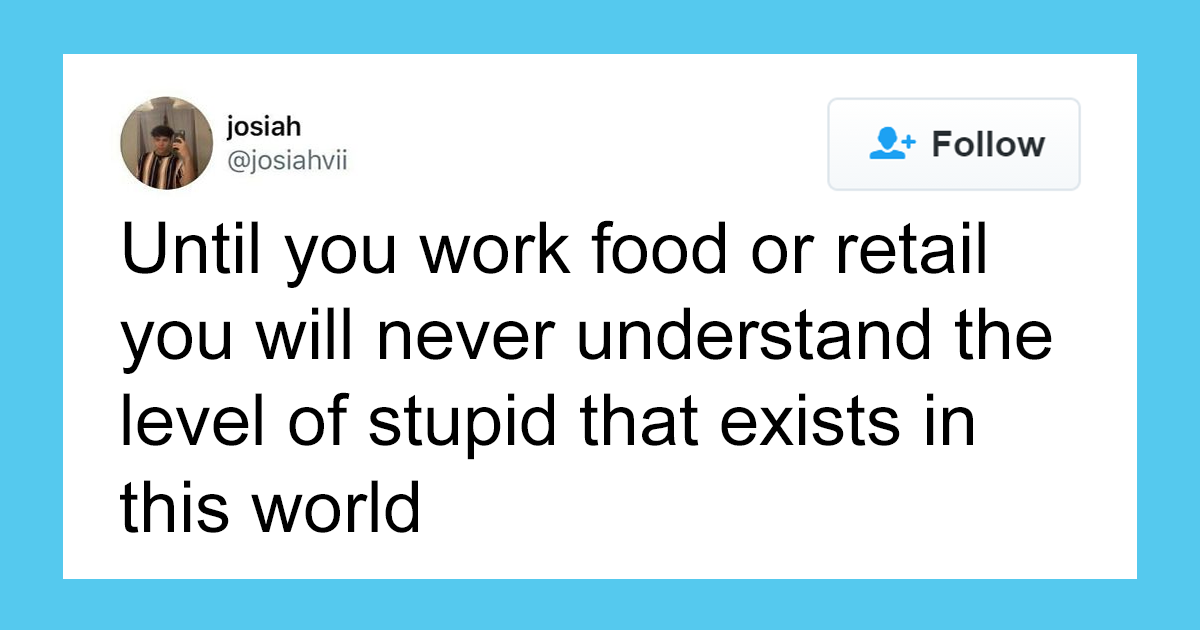
If you have ever worked retail, you know the job comes with two uniforms: the one your manager makes you wear, and the emotional armor you develop after your third “Can I speak to the manager?” of the day. Retail is where patience goes to get a full-body workout. It is also where some of the funniest, most painfully accurate workplace memes are born.
That is why retail meme pages, especially Instagram accounts like Retail Problems, hit so hard. They take the small disasters of the sales floorbroken price scanners, customers arriving one minute before closing, mystery spills in aisle seven, and managers who say “We’re family here” right before scheduling you on a holidayand turn them into comedy that feels like group therapy with Wi-Fi.
The account’s charm is simple: it understands the secret language of retail workers. It knows the smile you wear when a customer insists the coupon “worked last time.” It knows the panic of hearing your name on the walkie-talkie. It knows the sacred peace of sitting in your car during lunch and pretending the building behind you no longer exists.
Why Retail Memes Feel So Personal
Retail work is one of the most common employment experiences in America. Millions of people have worked behind registers, stocked shelves, folded shirts, answered customer questions, handled returns, cleaned fitting rooms, or stood for eight hours pretending their feet were not writing a resignation letter.
That shared experience is exactly why retail memes spread so quickly. They are not just jokes; they are tiny, square-shaped documentaries. A good retail meme says what workers are often not allowed to say out loud. It turns frustration into recognition. It lets employees laugh at situations that, in the moment, may have made them want to disappear into the stockroom and become one with the cardboard boxes.
And because Instagram is built for fast, visual humor, it is the perfect home for these jokes. A single image with one brutally accurate caption can capture what a 30-minute break room rant would normally explain. The result is a feed full of relatable comedy for cashiers, sales associates, baristas, store managers, stockroom staff, supermarket workers, mall employees, and anyone who has ever whispered, “Please do not ask me if we have more in the back.”
What Makes the Retail Problems IG Account So Funny?
The funniest retail memes are funny because they are specific. They do not just say, “Work is hard.” They say, “Work is hard because a customer just asked why the store is out of an item that was discontinued before smartphones had good cameras.” That level of detail is what makes retail workers stop scrolling and think, “Unfortunately, yes.”
Retail Problems-style humor often focuses on the tension between what employees must say and what they are actually thinking. On the outside, the worker says, “Let me check that for you.” On the inside, the worker’s soul has already clocked out, driven home, reheated leftovers, and started watching a crime documentary.
These memes also work because they make retail workers feel seen. In many customer-facing jobs, employees are expected to absorb stress while staying cheerful, polite, and helpful. Memes give them a place to release that pressure without writing a 14-paragraph resignation email titled “Per My Last Nerve.”
35 Of The Most Hilarious Retail Meme Moments Anyone Who’s Worked Retail Will Understand
Instead of reposting meme images, here are 35 hilarious retail situations these memes commonly capturethe kind of moments that make retail workers laugh, sigh, and tag three coworkers immediately.
1. The Customer Who Shows Up One Minute Before Closing
Every retail worker knows this character. The lights are dimming, the register is nearly closed, and then someone strolls in saying, “I’ll be quick.” Narrator: they were not quick.
2. “It Says Online You Have It”
Nothing tests a worker’s patience like a customer treating the website inventory like a sacred legal document. Online says one item remains. Reality says that item was stolen, misplaced, damaged, or living a new life behind a shelf.
3. The Coupon That Expired During the Obama Administration
Some shoppers carry expired coupons like ancient treasure maps. They present them with confidence, as if the barcode will magically awaken if everyone believes hard enough.
4. The Manager Voice
Retail workers know the exact tone managers use when they are about to ask for “a quick favor.” This favor usually involves staying late, skipping a break, or performing emotional gymnastics in front of an angry customer.
5. The Fake Smile Olympics
Retail employees deserve medals for smiling through situations that would make a houseplant file a complaint. The customer sees friendliness. The coworker sees survival.
6. “Can You Check In The Back?”
The back room is not Narnia. It is usually a cramped maze of boxes, broken hangers, seasonal decorations, and one employee eating crackers in silence.
7. The Fitting Room Horror Show
Anyone who has cleaned fitting rooms knows humanity has secrets. Clothes inside out, hangers everywhere, tags removed, and one mysterious sock that was never sold in the store.
8. The Customer Who Ignores The Sign
“Register closed” means nothing to some shoppers. They will stand directly under the sign and ask, “Are you open?” with the confidence of a person who has never read a door.
9. The Price Tag Debate
If an item is placed near a sale sign, some customers believe it has entered a binding discount agreement. Retail workers know the argument is coming before the customer even speaks.
10. The Break That Gets Interrupted
A retail break is not a break. It is a fragile 15-minute illusion that can be shattered by a walkie-talkie, a manager, or a customer who recognizes you while you are holding a sandwich.
11. The Holiday Rush
Retail during the holidays is not a season. It is a survival challenge with tinsel. The music is cheerful, the lines are endless, and the gift receipt printer is fighting for its life.
12. The Customer Who Says “I Used To Work Retail”
This can go two ways. Either they are wonderful and patient, or they use that sentence right before behaving like the final boss of customer service.
13. The Register That Freezes At The Worst Time
Technology waits until the line is longest and the customers are most impatient before deciding to meditate. The screen freezes. The worker smiles. The soul leaves the body.
14. The Return With No Receipt, No Tags, And Big Confidence
Some returns arrive with more drama than a courtroom scene. The item is clearly used, the receipt is gone, and the customer insists “the other store always does it.”
15. The Coworker Look
Retail workers communicate entire novels with one glance. A coworker look can mean “Help me,” “Did you hear that?” or “We are discussing this in the break room immediately.”
16. The Mystery Spill
No one saw it happen. No one admits responsibility. Yet there it is: a puddle in aisle three, waiting for an employee with paper towels and a broken sense of trust.
17. The Customer Who Thinks You Control Corporate Policy
Retail workers do not create prices, policies, supply chains, return rules, or the weather. Still, customers often react as if the cashier personally designed the entire system during lunch.
18. The “We’re Like A Family” Speech
Retail workers know this phrase can be suspicious. It sounds warm, but it often appears right before a schedule change, staffing shortage, or request to cover someone else’s shift.
19. The Stockroom Hideout
The stockroom is where workers go to breathe, count to ten, and pretend to search for an item everyone already knows is unavailable.
20. The Customer Who Asks For A Discount Because The Box Is Slightly Sad
A tiny dent on the packaging can inspire a full negotiation. The product is fine, but the box has emotional damage, and apparently that is worth 40% off.
21. The Schedule That Makes No Sense
Retail scheduling can feel like it was created by a confused raccoon with a calendar. Clopening shifts, random hours, and surprise weekend coverage are all part of the adventure.
22. The Sound Of The Store Phone Ringing
Few sounds create instant dread like the store phone. It could be a simple question. It could be someone asking you to describe every blue shirt in stock.
23. The “I Know The Owner” Customer
This sentence is often delivered like a magic spell. Retail workers hear it and immediately understand that things are about to become theatrical.
24. The Customer Who Leaves Items In Random Places
Milk in the shoe aisle. Frozen peas by the greeting cards. A sweater abandoned inside a basket of dog toys. Retail stores are museums of strange decisions.
25. The Training Video Nobody Watches
Retail training videos are their own genre of cinema. The acting is intense, the situations are oddly clean, and no customer in the video behaves like a real person.
26. The Walkie-Talkie Panic
Hearing your name over the walkie is never relaxing. It means a customer needs help, a manager needs you, or the universe has selected you for a new side quest.
27. The Customer Who Wants A Product Description For Something In Their Hand
They are holding the item, reading the label, and still asking what it does. The worker explains it politely while wondering if the packaging feels invisible today.
28. The Endless Folding Table
Folding clothes in retail is not a task. It is a lifestyle. The moment one stack looks perfect, a shopper approaches and performs a fabric tornado.
29. The Employee Discount That Barely Helps
Retail workers often joke that the employee discount is designed to keep their paycheck inside the building. Congratulations, you worked all week and bought two candles.
30. The Customer Who Calls You By Reading Your Name Tag Too Slowly
Name tags are useful, but there is something haunting about a stranger leaning in and saying your name like they are discovering a clue in a mystery novel.
31. The “You Look Bored” Customer
No retail worker has ever enjoyed hearing this. It usually means the customer is about to create work, ask ten questions, or make a joke that legally requires a fake laugh.
32. The Inventory Count Nightmare
Counting inventory sounds simple until you are scanning 400 nearly identical items while the device beeps like it is judging your life choices.
33. The Customer Who Wants A Manager And Gets The Same Answer
Sometimes the manager arrives, listens carefully, and repeats exactly what the employee already said. It is a small, beautiful moment of justice.
34. The Post-Shift Silence
After a long retail shift, many workers do not want to talk. They want quiet, snacks, and a chair that understands what they have been through.
35. The Coworkers Who Become Your Emotional Support Team
The best part of retail is often the people beside you. Coworkers become comedians, therapists, translators, and witnesses to the weirdest customer behavior known to modern commerce.
Why Retail Humor Is More Than Just Complaining
Some people misunderstand retail memes and think they are just employees whining. That misses the point. Most retail workers take pride in helping customers, solving problems, keeping stores running, and creating good shopping experiences. The humor is not about hating the job. It is about surviving the parts of the job that are chaotic, repetitive, underappreciated, and sometimes wildly absurd.
Humor helps people process stress. A funny meme can turn a bad shift into a shared joke. It can remind workers that they are not the only ones dealing with rude customers, confusing policies, understaffed departments, or the emotional roller coaster of holiday shopping season.
Retail memes also highlight real workplace issues in a low-pressure way. Behind the jokes are serious topics: unpredictable scheduling, customer aggression, low staffing, burnout, safety concerns, and the constant expectation to remain cheerful under pressure. A meme may look silly, but the reason it goes viral is often very real.
The Retail Worker Experience Behind The Laughs
Anyone who has worked retail knows the job teaches lessons quickly. You learn how to read body language, solve problems with limited tools, stay calm under pressure, and answer the same question 60 times without sounding like a haunted answering machine. You learn that “busy” has levels. A regular Saturday is busy. Black Friday is a weather event.
You also learn that customers are not all bad. Many are kind, patient, funny, and grateful. Some make your day with a simple “thank you.” Others remember your name, ask how your shift is going, or treat you like a human being instead of an accessory attached to a cash register. Those shoppers are retail sunshine. They deserve front-row parking and perfectly working coupons forever.
But retail also reveals how strange public behavior can become when shopping, money, time pressure, and inconvenience collide. A person who seems normal in the parking lot may become a courtroom attorney over a $2 price difference. A shopper may ask where something is while standing directly in front of it. Someone may blame the cashier because the store stopped carrying their favorite seasonal cookie in 2018.
That is why retail memes feel so satisfying. They create a safe, funny space to say, “Yes, that happened to me too.” They turn private frustration into public recognition. They let workers laugh without needing to explain every detail, because anyone who has been there already understands the entire situation from one caption.
How Instagram Turned Workplace Frustration Into Community
Instagram is especially good at turning niche experiences into communities. Retail workers may be spread across different stores, cities, brands, and roles, but when they see the same meme, they gather around a shared truth. The comments become a break room with unlimited seating.
Someone tags a coworker. Another person shares a story. Someone else says, “This happened today.” Suddenly, a single joke becomes a thread of collective retail therapy. It is funny, but it is also validating. For workers who feel ignored by corporate policies or misunderstood by customers, that validation matters.
Memes are also quick. Retail workers often do not have time for long essays about labor conditions, customer behavior, or emotional burnout. But they do have time to double-tap a post that perfectly captures the horror of hearing “Do you work here?” while wearing a name tag, uniform, headset, and holding a pricing gun.
What Customers Can Learn From Retail Memes
Retail memes are not only for employees. Customers can learn a lot from them too. The biggest lesson is simple: be kind. The person helping you is often balancing multiple tasks, limited information, company policies they did not create, and a line of people who all believe their issue is urgent.
A little patience can change the entire interaction. Read signs before asking questions. Do not enter at closing time unless it is truly necessary. Put unwanted items back where they belong. Understand that “out of stock” is not a personal attack. And if an employee says they cannot override a policy, believe them. Most workers are not hiding secret discount powers behind the register.
Being a good customer does not require perfection. It requires basic respect. Retail workers notice it, appreciate it, and may even tell their coworkers, “That customer was actually nice,” which in retail is basically a five-star review.
500 More Words: Real-Life Retail Experiences That Make These Memes Even Funnier
Working retail is one of those experiences that changes the way you move through the world. After you have spent enough time on the sales floor, you never leave a shirt unfolded. You return your cart. You read the return policy before arguing with a cashier. You become the kind of customer who says, “No rush,” and means it.
One of the most relatable retail experiences is the emotional whiplash of switching from private frustration to professional cheerfulness in half a second. You might be in the stockroom silently questioning every life choice that led to this moment, then step onto the floor and immediately say, “Hi! Finding everything okay?” with the brightness of a morning talk show host. Retail workers are basically actors, except the stage is a checkout lane and the audience keeps asking about expired coupons.
Another classic experience is the strange intimacy of coworker friendships. Retail teams bond fast because they survive tiny disasters together. A coworker who helps you handle an angry customer becomes more than a coworker. That person becomes your battlefield companion. You may not know their middle name, but you know exactly how they react when the receipt printer jams during a rush.
Then there is the closing shift. Closing has its own atmosphere. The store gets quieter, the music feels louder, and every worker becomes deeply suspicious of anyone still browsing. You start straightening shelves with the focus of a museum curator. You gently guide customers toward the exit using polite phrases that secretly mean, “Please release us.” When the last shopper finally leaves, the relief is spiritual.
Retail also teaches you how unpredictable people can be. A customer may ask where the bathroom is, then tell you their life story. Someone may complain that an item is too expensive while holding three luxury candles. A shopper may ask for help, ignore your answer, and then repeat the same question to another employee standing five feet away. These moments are exhausting in real time, but later they become perfect meme material.
The funniest part is that retail workers often develop a very specific sense of humor. It is dry, fast, and slightly dramatic. A scanner stops working and someone says, “It has chosen violence.” A customer leaves a frozen pizza in the sock aisle and a coworker whispers, “Nature is healing.” A manager announces a surprise visit from corporate and everyone suddenly starts cleaning like royalty is arriving.
That shared humor is what makes retail meme accounts so addictive. They are not just laughing at the job; they are honoring the weirdness of it. They capture the moments that would sound unbelievable to people who have never worked retail but feel completely normal to those who have. They remind workers that the frustration is real, the absurdity is universal, and sometimes the only reasonable response is to laugh before your next shift starts.
Conclusion
Retail memes are popular because they turn everyday workplace chaos into comedy people instantly understand. Instagram accounts like Retail Problems succeed because they speak directly to the people who have folded the same table five times, survived closing shifts, handled impossible returns, and smiled through conversations that deserve hazard pay.
Behind every funny post is a familiar truth: retail workers deal with a lot, and humor helps them carry it. These memes are relatable, sharp, and sometimes painfully accurate, but they also create connection. They remind workers that they are not alone in the madness of scanners, coupons, fitting rooms, mystery spills, and customers who swear the website said something different.
So the next time you see a retail meme and laugh a little too hard, there is probably a reason. Maybe you have worked retail. Maybe you still do. Or maybe you finally understand why the cashier’s smile looks friendly but tired, like it has survived three price checks and a full moon.