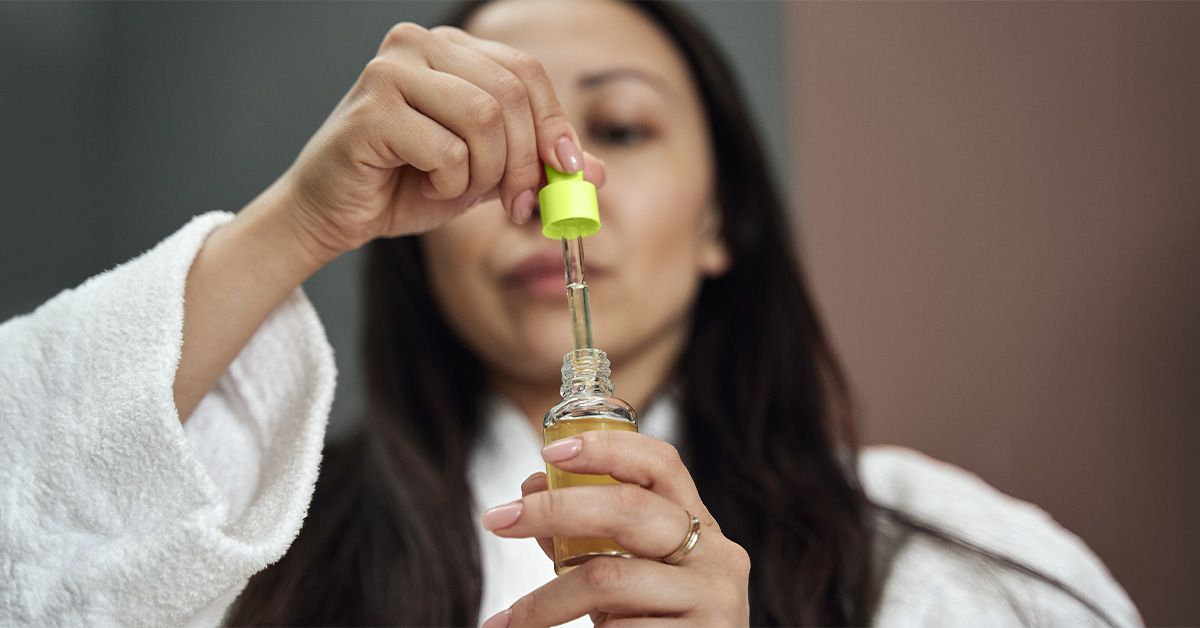
Eczema has a special talent for showing up at the worst possible moment. One day your skin is calm, moisturized, and minding its own business. The next day it is itchy, red, flaky, and acting like it just read a dramatic novel. Because eczema can be stubborn, many people look beyond standard creams and wonder whether natural ingredients such as tea tree oil can help.
Tea tree oil is an essential oil distilled from the leaves of Melaleuca alternifolia, a plant native to Australia. It is widely used in skin care products because it contains compounds known for antimicrobial and anti-inflammatory activity. That sounds promising for eczema, especially because eczema-prone skin is often dry, inflamed, and more vulnerable to irritation and infection.
But here is the important reality check: tea tree oil is not a cure for eczema, and it is not gentle simply because it is natural. For some people, especially those with atopic dermatitis, tea tree oil can trigger burning, redness, dryness, allergic contact dermatitis, or a flare that makes the original problem look like the warm-up act. Used carefully, diluted, and with medical guidance, it may offer certain supportive benefits. Used straight from the bottle like a heroic potion, it can become the villain.
This guide explains six potential benefits of tea tree oil for eczema, how to use it more safely, who should avoid it, and what real-world experience often teaches people with sensitive skin.
What Is Tea Tree Oil?
Tea tree oil is a concentrated essential oil. Its best-known active component is terpinen-4-ol, a compound studied for its antimicrobial effects. This is why tea tree oil appears in many cleansers, shampoos, acne products, foot products, and natural skin care formulas.
For eczema, the interest comes from three main ideas: it may help reduce certain microbes on the skin, it may calm some inflammatory activity, and it may support hygiene when the skin barrier is vulnerable. However, eczema is not just “dirty skin” or a simple rash. It is a chronic inflammatory skin condition involving the immune system, skin barrier function, genetics, triggers, dryness, and the itch-scratch cycle. That means tea tree oil should be seen as a possible add-on, not the main treatment plan.
Can Tea Tree Oil Help Eczema?
Tea tree oil may help some people with certain eczema-related concerns, but evidence directly proving that it treats eczema is limited. Dermatology guidance still emphasizes proven basics: fragrance-free moisturizer, gentle cleansing, avoiding triggers, using prescribed anti-inflammatory treatments when needed, and watching for infection.
The safest way to think about tea tree oil is this: it may support eczema care in specific, cautious situations, but it can also irritate sensitive skin. A person with thick, oily, non-broken skin may tolerate a diluted tea tree product well, while someone with cracked, inflamed, actively flaring eczema may feel immediate stinging. Skin is not a democracy; one patch can disagree with the rest of the body.
Tea Tree Oil for Eczema: 6 Potential Benefits
1. It May Help Reduce Bacteria on the Skin
One of the most discussed benefits of tea tree oil is its antimicrobial activity. Eczema-prone skin often has a weakened barrier, which can make it easier for bacteria such as Staphylococcus aureus to grow or contribute to flares. Scratching can also create tiny breaks in the skin, giving bacteria an easier doorway.
Because tea tree oil has shown activity against certain bacteria in laboratory and skin care research, diluted products may help support a cleaner skin environment. This does not mean it should be used to treat an obvious infection. If eczema becomes painful, warm, swollen, crusted, oozing, or filled with pus, that is a medical situation, not a “let’s experiment with essential oils” situation.
Think of tea tree oil as a possible supporting character in skin hygiene, not the emergency room doctor. If infection is suspected, a healthcare professional may recommend topical or oral medication.
2. It Has Anti-Inflammatory Properties
Eczema is driven by inflammation, which is why the skin can become red, itchy, swollen, and uncomfortable. Tea tree oil contains compounds that have been studied for anti-inflammatory effects. In theory, this may help explain why some people report that very diluted tea tree oil feels calming on irritated areas.
Still, “anti-inflammatory” does not automatically mean “eczema-safe.” Many ingredients can reduce inflammation in one setting and cause irritation in another. For eczema, the skin barrier is already on high alert. If tea tree oil is too strong, too old, poorly stored, or applied too often, it may cause the exact redness and itching someone is trying to avoid.
A cautious approach is best: use a low dilution, try it on a small patch of skin first, and stop immediately if the area burns, becomes redder, or feels tight and dry.
3. It May Help Calm Itching Indirectly
Itching is one of the most frustrating parts of eczema. It can interrupt sleep, focus, workouts, work meetings, and peaceful couch time. Tea tree oil is not a proven anti-itch medicine, but it may indirectly help some people if it reduces irritation from microbes or helps calm mild inflammation.
However, this benefit depends heavily on tolerance. If tea tree oil irritates your skin, itching may get worse. In eczema care, anything that increases dryness, stinging, or inflammation can feed the itch-scratch cycle. Once scratching starts, the skin barrier becomes more damaged, which can lead to even more itching. Congratulations, your skin has invented a very annoying merry-go-round.
For itch relief, fragrance-free moisturizers, wet wraps, prescribed anti-inflammatory creams, and trigger control are usually more reliable. Tea tree oil should only be considered if your skin tolerates it well and your clinician agrees it is reasonable.
4. It May Support Scalp Eczema and Dandruff-Prone Skin
Tea tree oil is often used in shampoos, especially for dandruff and oily scalp concerns. Some people with scalp irritation, flaking, or seborrheic dermatitis-like symptoms may find tea tree oil shampoo helpful. This is different from applying pure tea tree oil directly to the scalp.
A formulated shampoo is usually easier to tolerate because the concentration is controlled, the product rinses off, and the oil is blended with other ingredients. A few drops of essential oil rubbed directly into an irritated scalp can be too harsh, especially if there are scratches or open areas.
If your eczema affects the scalp, a tea tree oil shampoo may be worth discussing with a dermatologist. Use it sparingly at first, avoid the eyes, rinse thoroughly, and follow with a gentle routine. If your scalp burns, flakes more, or becomes sore, stop using it.
5. It May Help With Minor Skin Hygiene Around Scratched Areas
Eczema and scratching are old rivals. When scratching creates tiny surface breaks, the skin becomes more vulnerable. A diluted tea tree oil product may help support hygiene around minor scratched areas because of its antimicrobial properties.
That said, tea tree oil should not be applied to open wounds, deep cracks, bleeding skin, or actively infected eczema. Essential oils can sting badly on broken skin and may delay comfort rather than improve it. If the skin is open, bland wound care and medical advice are safer than experimenting.
For everyday eczema management, the better strategy is prevention: keep nails short, moisturize frequently, use soft clothing, avoid known triggers, and treat inflammation early. Tea tree oil may have a role only after careful patch testing and only on intact skin.
6. It May Offer a Natural Option for People Who Tolerate It Well
Some people prefer plant-derived ingredients and want a more natural-looking skin care routine. Tea tree oil can fit that preference when used responsibly in a well-formulated product. For people who tolerate it, it may offer a sense of control, especially during mild irritation or between flares.
The key phrase is “people who tolerate it.” Eczema skin often dislikes fragrance, botanical extracts, and essential oils. Even natural ingredients can act like irritants or allergens. Poison ivy is natural too, and nobody invites it to brunch.
If you want to try tea tree oil for eczema, choose a product made for sensitive skin when possible. Avoid heavily fragranced blends, old bottles, homemade mystery mixtures, and internet recipes that treat essential oils like salad dressing. A simple, diluted, patch-tested product is the safer path.
How to Use Tea Tree Oil for Eczema More Safely
Always Dilute It
Never apply undiluted tea tree oil directly to eczema-prone skin. Essential oils are highly concentrated. A common cautious dilution is about 1% to 2%, which usually means 1 to 2 drops of tea tree oil mixed into one teaspoon of a carrier oil. For very sensitive skin, even that may be too strong.
Carrier oils may include sunflower oil, jojoba oil, coconut oil, or mineral oil, depending on what your skin tolerates. However, carrier oils can also cause reactions in some people, so keep the formula simple and test first.
Patch Test First
Before using diluted tea tree oil on a larger area, apply a tiny amount to a small patch of intact skin, such as the inner arm. Wait 24 to 48 hours. If you notice redness, itching, burning, swelling, bumps, or dryness, do not use it on eczema.
A patch test is not perfect, but it is better than discovering a reaction across your whole forearm five minutes before leaving the house.
Avoid Broken, Bleeding, or Infected Skin
Tea tree oil should not be used on open wounds, severe cracks, weeping eczema, infected eczema, or skin that is hot and painful. These symptoms need medical guidance. Natural products can still cause chemical irritation, especially on compromised skin.
Do Not Swallow Tea Tree Oil
Tea tree oil is for external use only. Swallowing it can be dangerous and may cause serious symptoms. Keep it away from children and pets, and store it in a cool, dark place with the cap tightly closed.
Do Not Use It as a Replacement for Eczema Medicine
If your doctor prescribed topical steroids, calcineurin inhibitors, crisaborole, ruxolitinib, biologics, or another eczema treatment, tea tree oil should not replace that plan. Eczema often needs consistent, evidence-based management. Tea tree oil may be complementary for some people, but it is not a substitute for medical care.
Who Should Avoid Tea Tree Oil for Eczema?
Tea tree oil is not a good fit for everyone. You should avoid it or speak with a healthcare professional first if you have severe eczema, frequent allergic contact dermatitis, very sensitive skin, asthma triggered by strong scents, eczema in infants or young children, pregnancy or breastfeeding concerns, or a history of reactions to essential oils.
You should also avoid tea tree oil near the eyes, inside the nose, on the lips, on genital skin, or under occlusive bandages unless a clinician specifically recommends it. These areas are more delicate and more likely to react.
Tea Tree Oil vs. Standard Eczema Care
The foundation of eczema care is still boring in the best possible way: moisturize often, use gentle cleansers, avoid fragrance, take lukewarm showers, wear soft fabrics, manage triggers, and use prescribed medication when flares appear. Boring works. Your skin does not need a 12-step luxury ritual with seven botanical extracts and a jar that costs more than dinner.
Tea tree oil may have a place in a routine only if it does not interfere with those basics. If adding it makes your routine more irritating, complicated, or inconsistent, it is probably not helping.
Practical Example: A Cautious Tea Tree Oil Routine
Here is a conservative example for an adult with mild, intact eczema-prone skin who wants to test tea tree oil:
- Start with a fragrance-free moisturizer as the main product.
- Mix 1 drop of tea tree oil into 1 teaspoon of a tolerated carrier oil.
- Patch test the mixture on a small area of intact skin.
- Wait 24 to 48 hours before using it elsewhere.
- If tolerated, apply a tiny amount to a small, non-broken area no more than once daily.
- Stop immediately if burning, itching, redness, dryness, or swelling occurs.
This is not a universal recommendation. It is simply an example of how cautious the process should be. More is not better. With essential oils, more is often just louder skin drama.
Common Mistakes to Avoid
Using Tea Tree Oil Undiluted
This is the biggest mistake. Pure tea tree oil can irritate or burn sensitive skin. Dilution is not optional.
Applying It During a Severe Flare
When eczema is angry, cracked, or weeping, keep the routine simple and medically guided. This is not the time to test new essential oils.
Mixing It With Too Many Active Ingredients
Avoid combining tea tree oil with exfoliating acids, retinoids, benzoyl peroxide, strong acne treatments, or heavily fragranced products on eczema-prone skin. The skin barrier can only take so many “helpful” ingredients before it files a complaint.
Ignoring a Reaction
If your skin burns, itches more, or turns red after using tea tree oil, stop. Do not push through irritation. Eczema care is not a toughness contest.
500-Word Experience Section: What People Often Learn When Trying Tea Tree Oil for Eczema
People who try tea tree oil for eczema often begin with hope, curiosity, and a small bottle that smells powerful enough to clean a forest. The first lesson many learn is that eczema skin is extremely personal. One person may apply a diluted tea tree oil blend to a small rough patch and feel that the area seems calmer after a few days. Another person may try the same idea and feel stinging within seconds. Both experiences are real because eczema is not one-size-fits-all.
A common positive experience is using tea tree oil in a rinse-off product, such as shampoo. Someone with a flaky, itchy scalp may find that a tea tree shampoo feels refreshing and helps reduce greasiness or buildup. Because the product is rinsed away, it may be easier to tolerate than a leave-on oil. Still, even shampoo can be too much for some users, especially if it runs onto the face, neck, or ears. Many people learn to rinse carefully, use it only once or twice a week, and alternate with a gentle fragrance-free shampoo.
Another experience is the “less is more” discovery. Essential oils can make people feel like a tiny amount cannot possibly do much, so they add extra drops. Then the skin gets tight, red, or itchy, and the lesson arrives wearing tap shoes. With eczema, a very low dilution is usually the only sensible starting point. People who do best with tea tree oil tend to use it sparingly, patch test it, and keep the rest of their routine simple.
Some people also realize that the carrier oil matters. Tea tree oil may get all the attention, but the oil used to dilute it can affect the skin too. A person may tolerate sunflower oil but not coconut oil, or jojoba oil but not almond oil. This is why changing several products at once creates confusion. If the skin reacts, you will not know whether the problem was the tea tree oil, the carrier oil, the moisturizer, the laundry detergent, the weather, or the universe being rude.
Many users with eczema eventually learn that tea tree oil is not a rescue treatment. When a flare is severe, the skin usually needs bland moisturizer, trigger control, and sometimes prescription medication. Tea tree oil is more likely to be considered during calm periods or for very small areas of intact skin. It is not the product most people reach for when the skin is cracked, weeping, or painful.
The biggest real-life lesson is respect. Tea tree oil is not useless, but it is not harmless either. It can be helpful for some skin concerns, especially when properly diluted or used in formulated products. But eczema-prone skin needs patience, consistency, and a routine that protects the skin barrier first. The best experience is not the most dramatic one. It is the quiet one: fewer triggers, fewer reactions, better moisture, and skin that finally stops demanding the spotlight.
Final Thoughts
Tea tree oil for eczema is a “maybe,” not a miracle. Its potential benefits include antimicrobial support, anti-inflammatory activity, possible itch relief, scalp care support, hygiene around minor scratches, and appeal as a natural option for people who tolerate it. But the risks are just as important: irritation, allergic contact dermatitis, dryness, burning, and worse flares.
If you want to try tea tree oil, use it carefully. Dilute it, patch test it, avoid broken skin, and stop if your eczema complains. Most importantly, keep the foundation of eczema care in place: fragrance-free moisturizer, gentle cleansing, trigger management, and medical treatment when needed. Tea tree oil may earn a small role in some routines, but your skin barrier should always be the star of the show.
Note: This article is for educational purposes only and should not replace medical advice. People with eczema, sensitive skin, children, pregnant or breastfeeding individuals, and anyone with signs of infection should consult a healthcare professional before using tea tree oil.