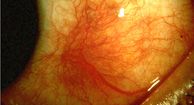
Scleritis is not your average case of red eye. It is an inflammatory condition that affects the sclera, the tough white outer wall of the eye. While the word may sound like something only an ophthalmologist would say before coffee, the condition itself deserves serious attention. Scleritis can cause deep eye pain, redness, tenderness, light sensitivity, blurred vision, and in severe cases, permanent vision problems.
The tricky part is that scleritis may look like other eye problems at first glance. Many people see a red eye and assume allergies, lack of sleep, or too many hours staring at a laptop while pretending not to check social media. But scleritis is different. It often causes a deep, boring, aching pain that may worsen with eye movement and may even wake a person from sleep. That is the eye’s dramatic way of saying, “Please do not ignore me.”
This guide explains the major scleritis risk factors, common causes, early symptoms, warning signs, and real-life experiences that may help readers recognize when a red, painful eye needs urgent medical evaluation.
What Is Scleritis?
Scleritis is inflammation of the sclera, the firm white layer that helps protect the eye and maintain its shape. The sclera is not just decorative packaging for the eyeball. It is a strong connective tissue structure that supports many important parts of the eye.
When inflammation develops in this layer, the eye can become red, swollen, tender, and painfully sensitive. Unlike mild surface irritation, scleritis usually involves deeper tissues and may be associated with autoimmune disease, infection, eye trauma, or inflammation elsewhere in the body.
Scleritis may affect one eye or both eyes. It can come on gradually or more suddenly. Some cases are mild compared with others, but even mild-looking scleritis should be evaluated because the condition can become vision-threatening if not treated properly.
Types of Scleritis
Anterior Scleritis
Anterior scleritis affects the front part of the sclera and is the most common form. It may appear as widespread redness, a tender raised nodule, or more severe inflammation that damages the scleral tissue.
Common forms of anterior scleritis include diffuse anterior scleritis, nodular anterior scleritis, and necrotizing scleritis. Diffuse cases may cause broad redness and tenderness. Nodular cases may create a painful bump on the white of the eye. Necrotizing scleritis is the most serious type because it can thin and destroy scleral tissue.
Posterior Scleritis
Posterior scleritis affects the back part of the eye. It is less common and can be harder to recognize because the redness may not be obvious. A person may have eye pain, headache-like discomfort, blurred vision, double vision, swelling around the eye, or pain with eye movement.
Because posterior scleritis can mimic other eye or neurologic problems, diagnosis often requires a careful eye examination and imaging tests. It is one reason why persistent eye pain should not be treated like a mystery stain on a shirt: waiting rarely improves the plot.
Scleritis Risk Factors
Scleritis can happen to different types of people, but certain factors raise the risk. Understanding these risk factors can help patients and healthcare providers look for underlying causes earlier.
Autoimmune and Inflammatory Diseases
The strongest risk factor for scleritis is an underlying autoimmune or inflammatory condition. In these diseases, the immune system becomes overactive and mistakenly attacks healthy tissue. The sclera may become one of the unlucky targets.
Conditions linked with scleritis include rheumatoid arthritis, granulomatosis with polyangiitis, lupus, inflammatory bowel disease, relapsing polychondritis, sarcoidosis, Sjogren’s syndrome, scleroderma, and other forms of vasculitis. Rheumatoid arthritis is one of the most commonly associated systemic diseases.
Age and Sex
Scleritis is often reported in adults, especially middle-aged adults. It is more common in women than men in many clinical descriptions. That does not mean men, younger adults, or older adults cannot develop it. The eye, unfortunately, does not check demographic charts before getting inflamed.
Previous Eye Surgery or Eye Injury
Eye trauma can trigger scleritis. In some cases, inflammation may occur after surgery or injury, especially if infection enters the scleral tissue. Anyone who develops worsening eye pain after eye surgery, a scratch, a puncture injury, or exposure to contaminated material should seek prompt medical care.
Infections
Most scleritis is noninfectious, but infectious scleritis can occur. Bacteria, fungi, viruses, or parasites may be involved in rare cases. Infection-related scleritis is especially concerning because treatment is different from autoimmune scleritis. Steroids may help inflammation in some noninfectious cases, but they can worsen certain infections if used without proper diagnosis.
A History of Recurrent Eye Inflammation
People with a history of uveitis, episcleritis, keratitis, or other inflammatory eye conditions may need careful monitoring if they develop deep pain, significant redness, or vision changes. Scleritis can overlap with other inflammatory eye diseases and may involve nearby structures such as the cornea or uvea.
What Causes Scleritis?
The causes of scleritis fall into several major categories: autoimmune inflammation, infection, trauma, postsurgical inflammation, and idiopathic disease. “Idiopathic” means no clear cause is found, which is medicine’s polished way of saying, “We looked hard, and the body is still keeping secrets.”
Autoimmune Causes
Autoimmune inflammation is one of the most important causes of scleritis. When immune cells attack the sclera, inflammation can damage blood vessels and connective tissue. This may cause swelling, pain, tenderness, redness, and tissue thinning.
Because scleritis may be the first visible sign of a systemic autoimmune disease, doctors often evaluate patients for symptoms beyond the eye. Joint pain, skin rashes, mouth ulcers, chronic cough, sinus problems, bowel symptoms, fatigue, or unexplained fevers may provide important clues.
Infectious Causes
Infectious scleritis is less common but potentially serious. It may follow eye surgery, trauma, or spread from nearby infected tissue. Possible organisms include bacteria, fungi, viruses, and, rarely, parasites.
Infectious scleritis may require antimicrobial medication and sometimes surgical care. This is why self-diagnosing a painful red eye with leftover drops from a medicine cabinet is a terrible strategy. The eye deserves better than “random bottle roulette.”
Trauma-Related Causes
An injury to the eye can start inflammation in the sclera. This may happen after blunt trauma, penetrating injury, chemical exposure, or a foreign body. Even if the eye looks only mildly red at first, worsening pain, swelling, or blurred vision after injury should be treated as urgent.
Unknown Causes
In many cases, no single cause is identified. A patient may have scleritis without an obvious autoimmune disease, infection, or trauma. Even then, proper treatment matters because the inflammation itself can harm the eye.
Scleritis Symptoms: What to Watch For
The symptoms of scleritis can range from uncomfortable to intensely painful. The most classic symptom is deep eye pain. Many patients describe it as boring, aching, stabbing, or radiating pain. It may spread to the forehead, brow, temple, jaw, or face.
Deep Eye Pain
Scleritis pain is often deeper and more severe than the discomfort caused by conjunctivitis or allergies. It may worsen when the person moves the eye or gently touches the eyelid. Some people find that the pain interferes with sleep or appetite.
Redness or Purple Discoloration
The eye may look red, violet, or bluish-purple. The color often appears deeper than typical pink eye. Redness may affect one area of the sclera or spread more widely across the eye.
Tenderness
The eye may feel tender to touch. Even light pressure through the eyelid can be uncomfortable. This tenderness is an important clue because ordinary dry eye or simple allergies usually do not cause deep globe tenderness.
Light Sensitivity
Photophobia, or sensitivity to light, may occur. A person may squint outdoors, avoid bright screens, or suddenly develop a strong dislike for overhead lighting. To be fair, fluorescent lights were already suspicious, but scleritis can make them feel unbearable.
Watery Eyes
Tearing can happen as the eye reacts to inflammation. However, watery eyes alone do not prove scleritis. The combination of tearing with deep pain, tenderness, redness, or blurred vision is more concerning.
Blurred Vision
Blurred vision may occur if inflammation affects nearby structures such as the cornea, uvea, retina, or optic nerve. Vision changes should always be taken seriously, especially with pain and redness.
Headache or Facial Pain
Some people experience pain that feels like a headache, sinus pressure, tooth pain, or facial ache. This can delay diagnosis because the problem may not seem eye-related at first.
Scleritis vs. Episcleritis: Why the Difference Matters
Scleritis is sometimes confused with episcleritis, another inflammatory condition affecting tissue near the sclera. Episcleritis is usually milder, often causes less pain, and is less likely to threaten vision. Scleritis, on the other hand, tends to cause deeper pain, more tenderness, and greater risk of complications.
Here is a simple comparison: episcleritis is often the annoying neighbor who plays music too loud; scleritis is the neighbor who shows up with a chainsaw and legal paperwork. Both deserve attention, but one is clearly more alarming.
Only an eye care professional can reliably tell the difference. Doctors may use a slit-lamp exam and other tests to evaluate the depth and pattern of inflammation.
When Scleritis Becomes an Emergency
A painful red eye should never be brushed aside when symptoms are severe, persistent, or associated with vision changes. Immediate medical evaluation is especially important if any of the following occur:
- Deep or severe eye pain
- Pain that wakes you at night
- Blurred, reduced, or distorted vision
- Eye pain after surgery or injury
- Redness with a purple or bluish color
- Pain with eye movement
- Swelling around the eye
- Light sensitivity with tenderness
These symptoms do not automatically mean scleritis, but they do mean the eye needs professional evaluation. The goal is to protect vision and identify any underlying systemic disease.
How Doctors Diagnose Scleritis
Diagnosis usually begins with a detailed history and eye examination. The doctor may ask about autoimmune disease, joint pain, recent infections, eye trauma, surgeries, medications, and previous episodes of eye inflammation.
An ophthalmologist may examine the eye with a slit lamp, check visual acuity, measure eye pressure, and look for inflammation in nearby structures. If posterior scleritis is suspected, ultrasound, optical coherence tomography, or other imaging may be used.
Blood tests or referrals may be recommended when systemic disease is suspected. A rheumatologist may help evaluate autoimmune or inflammatory conditions. This team approach matters because treating the eye without addressing the bodywide trigger can be like mopping the floor while the sink is still overflowing.
Possible Complications
Untreated or severe scleritis can lead to complications such as keratitis, uveitis, glaucoma, cataracts, retinal problems, scleral thinning, or vision loss. Necrotizing scleritis is particularly dangerous because it can damage the sclera and increase the risk of perforation.
The good news is that early diagnosis and appropriate treatment can reduce inflammation, relieve pain, and lower the risk of long-term damage. The not-so-good news is that waiting for severe scleritis to “calm down on its own” is not a wise plan.
Treatment Overview
Treatment depends on the cause and severity. Noninfectious scleritis may be treated with nonsteroidal anti-inflammatory drugs, corticosteroids, or immune-suppressing medications. Severe or recurrent cases often require coordination between an ophthalmologist and rheumatologist.
Infectious scleritis requires treatment aimed at the specific organism. That may include antibiotics, antifungal medication, antiviral medication, or surgical management in selected cases. Because the treatment paths are so different, accurate diagnosis is essential.
This article focuses on risk factors, causes, and symptoms, not personal treatment instructions. Anyone with suspected scleritis should seek care from an eye specialist rather than trying to manage the condition alone.
Living With Scleritis: Practical Experiences and Patient-Style Lessons
People who experience scleritis often describe it as more than “just a red eye.” The pain can affect work, sleep, concentration, driving, reading, and screen use. A person may wake up with deep aching around one eye and assume they slept strangely. By lunch, the eye may look angry. By evening, light feels too bright, and the pain may radiate toward the temple or jaw. At that point, the eye has officially moved from “minor annoyance” to “medical plot twist.”
One common experience is delayed recognition. Many people first try artificial tears, allergy drops, cold compresses, or rest. Those may help mild irritation, but scleritis pain usually does not politely disappear after a nap. A key lesson is that deep, persistent eye pain deserves attention, especially when redness looks dark red, violet, or localized in one painful area.
Another experience is discovering an underlying health condition. Some patients are surprised when an ophthalmologist asks about joint pain, bowel problems, skin changes, mouth ulcers, sinus symptoms, or fatigue. At first, these questions may seem unrelated. After all, what does a stiff knuckle have to do with a red eye? In autoimmune disease, quite a lot. Scleritis can be one sign of inflammation affecting the body as a whole.
Patients also learn the importance of follow-up. Scleritis may improve with treatment, but it can recur. A person may feel better after the redness fades and assume the story is over. However, doctors may still need to monitor eye pressure, vision, inflammation, medication side effects, and systemic disease control. The eye may look calm on the outside while deeper healing continues inside.
Screen use is another practical challenge. Bright monitors, small text, and long workdays can make symptoms feel worse. While screens do not usually cause scleritis, they can make an inflamed eye feel more uncomfortable. People often benefit from reducing glare, increasing font size, using breaks, and avoiding the heroic but unnecessary act of answering emails in a dark room at midnight.
Driving may also become difficult, especially at night or in bright sun. Light sensitivity and blurred vision can make headlights and glare uncomfortable. Anyone with reduced vision, severe pain, or light sensitivity should avoid driving until a clinician says it is safe.
Emotionally, scleritis can be frustrating because it may not be widely understood. Friends may say, “Oh, I had pink eye once,” which is usually well-meaning but not quite the same. Scleritis is deeper, more painful, and often connected to broader health issues. Patients may need to explain that this is not simple irritation and not something to ignore.
A useful patient habit is symptom tracking. Writing down when pain starts, whether it worsens with eye movement, whether vision changes, and whether other body symptoms appear can help doctors identify patterns. Photos of redness may also help show progression, especially if symptoms fluctuate.
The biggest lesson is simple: respect a painful red eye. Many eye problems are minor, but scleritis is not a condition to casually monitor with optimism and herbal tea. Early professional care can protect vision, uncover hidden systemic disease, and shorten the road from “What is happening to my eye?” to “We have a plan.”
Conclusion
Scleritis is a serious inflammatory condition of the sclera, the white outer wall of the eye. Its most important warning signs include deep eye pain, tenderness, redness or purple discoloration, light sensitivity, tearing, and blurred vision. The condition is often linked with autoimmune diseases such as rheumatoid arthritis, lupus, inflammatory bowel disease, sarcoidosis, Sjogren’s syndrome, and vasculitis, although infection, trauma, surgery, or unknown causes may also be involved.
The most important takeaway is that scleritis is not ordinary red eye. A painful, tender, deeply red eye needs medical evaluation, especially when symptoms affect vision or sleep. With timely diagnosis and the right treatment, many people can control inflammation, reduce pain, and protect their sight.
Note: This article is for educational purposes only and does not replace diagnosis or treatment from a licensed medical professional. Anyone with severe eye pain, vision changes, or a painful red eye should seek urgent care from an ophthalmologist or qualified healthcare provider.