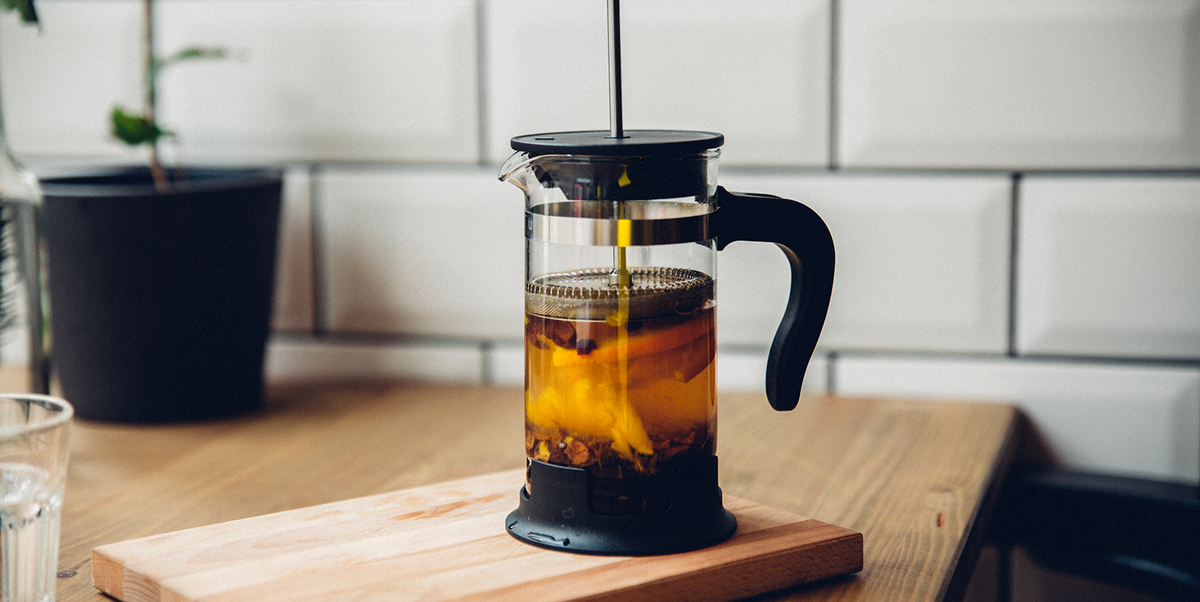
A French press is the “low drama, high reward” way to make coffee: no paper filters, no complicated pouring choreography, and no machine that beeps at you like you forgot its birthday. You add coffee, add water, wait, press, and suddenly you’re holding a rich, full-bodied cup that tastes like you tried harder than you actually did.
This guide synthesizes best practices shared by well-known U.S. coffee roasters and kitchen experts (think Blue Bottle, Stumptown, Peet’s, Intelligentsia, Starbucks, OXO, Fellow, Espro, and more). The goal: a repeatable method you can nail on a sleepy weekday and still be proud of on a brunchy weekend.
What You’ll Need
- French press (any size worksglass, stainless, or insulated)
- Fresh coffee beans (or pre-ground in a pinch, but freshly ground is better)
- Burr grinder (ideal for consistent grind size)
- Kettle (gooseneck not requiredyour coffee won’t judge)
- Scale (recommended for accuracy) and timer (your phone is fine)
- Spoon or stir stick (wood or plastic is gentle on glass)
The 4 Big Variables (And How to Control Them)
1) Grind size: coarse, like kosher salt
French press is immersion brewing: coffee and water hang out together for minutes, not seconds. A coarse grind helps prevent over-extraction and reduces muddy sediment. If your plunger feels like you’re doing an arm workout, you’re likely too fine. If your coffee tastes thin and sour, you might be too coarseor steeping too short.
2) Coffee-to-water ratio: start at 1:15
If you want a simple starting point, use a 1:15 ratio by weight (1 gram coffee to 15 grams water). It’s a popular “golden ratio” baseline that’s easy to adjust once you taste your result.
No scale? Use this as a training wheels estimate: many home guides land around 2 tablespoons of coffee per 6 fl oz of water. It’s not as precise as weighing, but it’s consistent if you use the same scoop every time.
3) Water temperature: hot, not scorched
Great French press coffee typically uses water in the 195°F–205°F neighborhood. If you don’t have a thermometer, bring water to a boil, then let it sit off heat for a short moment before pouring.
4) Steep time: 4 minutes (then adjust)
The classic French press method steeps around 4 minutes for a balanced cup. If you want to experiment later, some experts push longer steep times and tweak grind size to change clarity and extractionbut start classic, then evolve.
Step-by-Step: Classic French Press Method (Reliable, Repeatable, Delicious)
Step 1: Preheat the press (and your mug)
Pour hot water into your empty French press, swirl, and discard. If you can, pour that hot water into your mug toowarm equipment helps keep brewing temperature steadier so your coffee tastes more consistent.
Step 2: Measure coffee and water
Start with 1:15. Here are a few easy examples:
- Single big mug (12 fl oz / ~355 mL): 24 g coffee + 360 g water
- Two mugs (24 fl oz / ~710 mL): 47 g coffee + 705 g water
- 1 liter press: 67 g coffee + 1000 g water
Want it stronger? Try 1:14. Want it lighter? Try 1:16. Small changes mattercoffee is basically delicious math.
Step 3: Grind coffee coarse and add to the press
Grind just before brewing. Aim for coarse and eventhink kosher salt. Add the grounds to the warmed press.
Step 4: Add water (bloom first, then fill)
Start your timer. Pour just enough hot water to fully saturate the grounds (about 2x the coffee weightfor 30 g coffee, pour ~60 g water). Give it a gentle stir. This “bloom” helps wet all grounds evenly, reducing dry clumps that lead to uneven extraction.
After 30–45 seconds, pour in the remaining water up to your target weight/volume. A simple steady pour is perfectno need for a dramatic kettle ballet.
Step 5: Stir once, then steep with the lid on
Give one more gentle stir to make sure everything is evenly mixed. Place the lid on with the plunger pulled up (not pressed down yet). Now do the hardest part of the recipe: wait.
Step 6: At 4 minutes, press slowly
When your timer hits 4:00, press the plunger down slowly and steadily. If you press fast, you can agitate the grounds and kick up more sediment (and in extreme cases, risk cracking a glass carafe). Smooth and calm wins.
Step 7: Decant immediately (don’t let it sit on the grounds)
Once you press, pour the coffee out. Leaving brewed coffee sitting on the grounds continues extraction and can turn a great cup bitter and harsh. If you brewed more than you’ll drink right away, transfer it to a thermal carafe.
A “Pro” Version: Cleaner Cup With Less Sludge
If you love French press flavor but hate sediment, try these tweaks:
- Let it settle: After steeping, wait an extra minute before pressing so fines sink.
- Press halfway: Start pressing until the filter just meets resistance, then stop and pour gently.
- Use a better filter: Double micro-filters (some presses offer this) can reduce grit dramatically.
You’ll still get the signature body and oilsjust with a cleaner finish.
How to Fix Your Coffee: Fast Troubleshooting
If it tastes bitter or harsh
- Grind a little coarser
- Shorten steep time (try 3:30)
- Make sure your water isn’t too hot (stay near 195–205°F)
- Decant right after plunging (don’t “park” it in the press)
If it tastes sour, sharp, or underdeveloped
- Grind slightly finer (still not espresso-fine)
- Steep longer (try 4:30–5:00)
- Use a touch hotter water within the safe range
If it’s weak or watery
- Use more coffee (shift from 1:15 to 1:14)
- Make sure you’re fully saturating and stirring once (dry pockets = weak extraction)
- Check bean freshnessold coffee can taste hollow no matter what you do
If it’s muddy or gritty
- Grind a bit coarser
- Press more slowly
- Let the brew settle 30–60 seconds before plunging
- Consider a press designed to reduce fines (filter design matters)
Common Mistakes (So You Don’t Have to Learn the Hard Way)
- Skipping the preheat: Your first cup can taste flat because the brew cools too quickly.
- Eyeballing everything: Consistency is how you find “your” perfect cup. A scale makes dialing in easy.
- Pressing like you’re angry at the coffee: Slow press = less sediment, less mess, less glass-related regret.
- Letting coffee sit in the press: Even 10–15 minutes can push it into bitter territory.
Cleaning and Care: The Part Nobody Brags About (But Everyone Tastes)
Old coffee oils are the silent villains of good brewing. If your French press always tastes “kinda stale,” it might be yesterday’s oils haunting today’s cup.
Daily quick clean (2 minutes)
- Dump grounds into compost/trash (avoid sending a thick sludge into your sink drain).
- Rinse carafe and plunger immediately with warm water.
- If needed, add a drop of dish soap and swirl; rinse thoroughly.
Weekly deeper clean (5–10 minutes)
- Disassemble the filter screens (most twist apart).
- Wash each piece with warm soapy water; use a soft brush for mesh.
- Rinse well and reassemble carefully so the screen sits flat.
Fun Extras: Your French Press Can Do More Than Coffee
- Loose-leaf tea: Use it like a big tea infuser (just rinse well so your coffee doesn’t taste like chamomile dreams).
- Milk frothing: Warm milk, then pump the plunger up and down to foam for lattes or cappuccinos.
- Quick cold brew: Coarse coffee + cold water, steep in the fridge, then press (time variesstart around 12–16 hours).
FAQ
Do I have to use a scale?
You don’t have tobut you’ll get better, faster results if you do. Brewing is easiest when you can repeat a recipe, then change one variable at a time. Think of it like seasoning: you can’t “taste and adjust” if you don’t remember what you did.
What’s the best grind for French press?
Coarse and even. If your brew tastes muddy and your plunger fights back, go coarser. If it tastes sour and thin, go slightly finer and/or steep longer.
Why does my French press coffee get bitter at the bottom?
Two common culprits: (1) fines that slip through the filter and keep extracting in your cup, and (2) coffee left sitting on the grounds. Pour gently and decant immediately.
Conclusion: A Simple Method That Rewards Small Upgrades
If you remember just three things, you’ll already be ahead: coarse grind, 1:15 ratio, and hot water around 195–205°F. From there, French press brewing becomes a friendly routine: tweak one dial, taste, repeat. You’ll go from “pretty good” to “why does my kitchen suddenly feel like a café?” faster than you think.
Now go make a cup. And when someone compliments it, nod thoughtfullylike you didn’t just follow a timer and some delicious math.
Experiences That Make French Press Coffee Better (The Real-Life Stuff)
Most people don’t fall in love with the French press because it’s “the most precise” method. They love it because it fits into real life: sleepy mornings, small kitchens, weekend trips, and that one friend who insists “coffee tastes better when it’s made with intention” (and then forgets to bring a mug).
One common first-time experience is the “why is my plunger stuck?” moment. It’s practically a rite of passage. Usually, the grind was too fine or uneven. The fix feels almost too easy: go coarser and press slower. The surprise is how much the flavor improves along with the mechanics. When the press moves smoothly, the cup tends to taste smoother tooless harshness, fewer bitter edges, and less grit at the bottom.
Another classic French press lesson happens when you brew a great pot… and then leave it sitting in the press while you answer emails, fold laundry, or scroll “for two minutes” that mysteriously becomes twenty. The first cup tastes wonderful. The second cup tastes like the first cup’s grumpy older sibling. Decanting is the difference between coffee that stays friendly and coffee that starts picking fights with your taste buds.
French press also shines in social settings. If you’ve ever hosted brunch, you know the pain of drip coffee running out right as everyone finally sits down. A French press is like a little coffee battery: you can brew a full, rich batch, serve it quickly, and run another round without needing filters or a fancy machine. People notice the body and aroma, even if they don’t have the vocabulary for it. You’ll hear things like, “This tastes… thicker?” and “Why is this so good?” which is the highest compliment a coffee maker can receive.
It’s also a surprisingly good travel companion. Camping? Cabin weekend? Visiting a relative whose idea of coffee is a single-serve pod from 2019? A French press plus a small bag of beans can save the day. The experience becomes part of the ritual: heating water, smelling the grounds, watching the “crust” form at the top, then pressing down slowly like you’re lowering a tiny elevator. It’s calming, and in a weird way, it makes the coffee taste betterbecause you were actually present for it.
Finally, there’s the “dialing in” journey, which is where French press becomes a hobby instead of just a tool. You try 1:15 and like it. Then one day you want it a little brighter, so you go 1:16. Another day you want it more intense, so you go 1:14. You switch beans and realize darker roasts sometimes like slightly cooler water. Over time, you build a mental map: how grind, ratio, and time interact. The experience isn’t about chasing perfectionit’s about finding what you genuinely enjoy and being able to repeat it on demand. That’s the moment the French press stops being “just a coffee maker” and becomes your personal, dependable coffee translator.