Purple foods look as though they dressed for dinner, but their dramatic color is more than botanical fashion. Blueberries, blackberries, purple cabbage, eggplant, black rice, and other deeply colored foods contain plant compounds that may support cardiovascular, digestive, metabolic, and cognitive health.
Many purple fruits and vegetables get their color from anthocyanins, a family of flavonoid pigments that can appear red, blue, violet, or nearly black. However, not every purple food contains the same pigments or nutrients. Beets and red dragon fruit, for example, owe much of their color to betalains rather than anthocyanins.
That variety is good news. Eating purple foods is not about chasing one magical antioxidant. It is about adding fiber, vitamins, minerals, and numerous plant compounds to an overall balanced diet. Consider this your invitation to let the produce aisle become slightly more theatrical.
What Are Purple Foods?
Purple foods are fruits, vegetables, legumes, and grains with naturally blue, violet, burgundy, or nearly black coloring. The category includes familiar foods such as grapes and plums as well as less common options such as purple sweet potatoes, black rice, purple cauliflower, and purple corn.
Their colors are produced by natural plant pigments. These compounds help plants respond to sunlight, cold temperatures, pests, and other environmental stresses. When people eat the plants, they also consume the pigments and the broader package of nutrients surrounding them.
What are anthocyanins?
Anthocyanins are water-soluble pigments within the flavonoid family. They are responsible for many red, blue, and purple colors found in berries, cherries, grapes, cabbage, onions, carrots, potatoes, and grains.
The exact color of an anthocyanin-rich food can change with acidity. That is why purple cabbage may turn pink when mixed with vinegar and bluish when exposed to an alkaline ingredient. It is essentially a chemistry experiment that happens to make excellent slaw.
In the body, anthocyanins and their metabolites may influence antioxidant defenses, inflammation, blood-vessel function, glucose metabolism, and interactions among gut bacteria. Research is promising, but individual foods should not be described as treatments or cures.
Are all purple pigments anthocyanins?
No. Beets, prickly pears, and some dragon fruits contain betalains, including red-violet pigments called betacyanins. Purple grapes may provide anthocyanins as well as other polyphenols, while certain dark foods contain additional pigments and phytochemicals.
This distinction matters because “purple” is a visual category, not a single nutrient. Two foods can wear the same color while bringing very different nutritional résumés to the table.
List of Purple Foods to Try
Purple and blue fruits
- Blueberries: Rich in anthocyanins and a useful source of fiber, vitamin C, vitamin K, and manganese.
- Blackberries: High in fiber and vitamin C, with anthocyanins concentrated in their dark flesh and skin.
- Black raspberries: Deeply pigmented berries containing anthocyanins, ellagitannins, and other polyphenols.
- Concord grapes: Dark-skinned grapes that provide anthocyanins, flavanols, and other grape polyphenols.
- Plums: Especially colorful when eaten with the skin, where many of their pigments are concentrated.
- Prunes: Dried plums that supply fiber, potassium, and natural sorbitol, which can support regular bowel movements.
- Dark cherries: A source of anthocyanins, vitamin C, potassium, and other phenolic compounds.
- Black currants: Tart berries notable for their dark pigments and vitamin C content.
- Elderberries: Anthocyanin-rich berries that must be properly cooked before consumption; raw or unripe berries can cause illness.
- Purple figs: Naturally sweet fruits containing fiber, potassium, and polyphenols.
- Mulberries: Soft berries available in dark purple varieties, with vitamin C and plant pigments.
- Aronia berries: Also called chokeberries, these intensely tart fruits are among the more concentrated dietary sources of anthocyanins.
Purple vegetables
- Purple cabbage: A cruciferous vegetable providing fiber, vitamin C, vitamin K, glucosinolates, and anthocyanins.
- Eggplant: The dark skin contains nasunin and other anthocyanins, while the flesh contributes fiber with relatively few calories.
- Purple carrots: Often contain anthocyanins in addition to carotenoids, giving them a broader pigment profile than orange carrots.
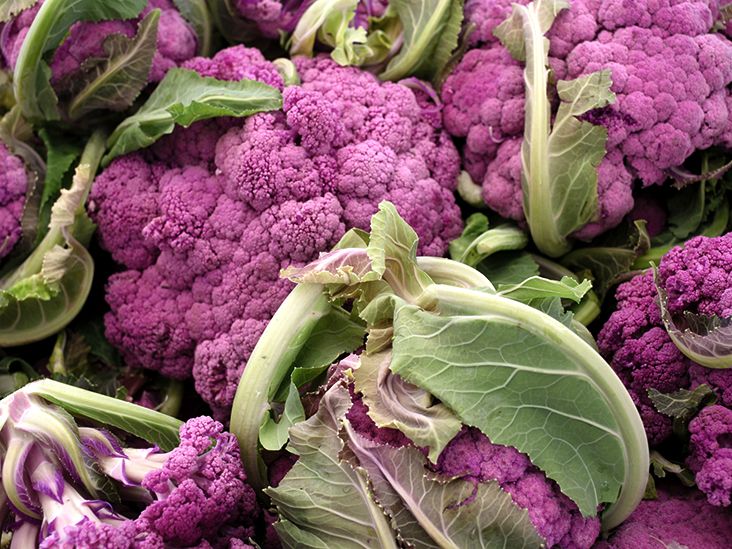
- Purple cauliflower: Nutritionally similar to other cauliflower but with added anthocyanin pigments.
- Purple sweet potatoes: Starchy vegetables that provide fiber, potassium, vitamin C, and substantial amounts of purple pigments.
- Purple potatoes: Naturally colorful potatoes containing potassium, vitamin C, resistant starch, and anthocyanins.
- Red onions: Their purple outer layers provide anthocyanins along with quercetin and sulfur-containing compounds.
- Purple asparagus: A sweeter-tasting asparagus variety containing anthocyanins, folate, and fiber.
- Purple Brussels sprouts: A colorful cruciferous vegetable with fiber, vitamin C, vitamin K, and plant pigments.
- Beets: Red-purple root vegetables colored mainly by betalains rather than anthocyanins. They also provide folate and dietary nitrates.
Purple grains, legumes, and specialty foods
- Black rice: Sometimes called forbidden rice, this whole grain contains anthocyanins in its bran layer.
- Purple corn: A deeply pigmented corn variety used in tortillas, drinks, cereals, and traditional dishes.
- Black beans: Their dark seed coats contain anthocyanins, while the beans provide protein, fiber, folate, iron, and magnesium.
- Black soybeans: Legumes combining protein and fiber with pigments in the outer seed coat.
- Purple barley: A whole grain with fiber and naturally occurring phenolic compounds.
- Purple basil: An aromatic herb that adds anthocyanins and peppery flavor to salads, sauces, and garnishes.
Potential Health Benefits of Purple Foods
1. They can increase antioxidant variety
Normal metabolism and environmental exposures create unstable molecules commonly called free radicals. The body has its own protective systems, but nutrients and phytochemicals from food also participate in maintaining cellular balance.
Anthocyanins can act as antioxidants in laboratory settings, although their behavior in the human body is more complicated than simply “neutralizing” every free radical they encounter. They are metabolized, transformed by gut microbes, and circulated in several forms. Their benefits may involve cell signaling and gene regulation as well as direct antioxidant activity.
2. They may support cardiovascular health
Observational studies have linked higher consumption of anthocyanin-rich foods with better cardiovascular outcomes. Controlled trials also suggest that certain berries and anthocyanin preparations may support blood-vessel function, arterial flexibility, blood pressure, and blood lipid patterns.
That does not mean a bowl of blueberries can cancel a diet dominated by sodium, refined carbohydrates, and saturated fat. Purple foods work best inside a heart-supportive eating pattern that also includes vegetables, fruits, legumes, whole grains, nuts, seeds, and appropriate sources of protein.
3. They provide fiber for digestive health
Many purple foods are naturally high in dietary fiber. Blackberries, prunes, purple cabbage, black beans, black rice, and purple sweet potatoes can help increase fiber intake while adding different textures and flavors.
Fiber supports regular bowel movements, contributes to fullness, slows the digestion of carbohydrates, and serves as fuel for certain intestinal microbes. Gut bacteria can also transform anthocyanins and other polyphenols into metabolites that may influence health throughout the body.
Increase fiber gradually and drink enough fluid. Jumping from a low-fiber diet to an enormous plate of beans, cabbage, and blackberries may leave your digestive system filing a formal complaint.
4. They may help support healthy glucose metabolism
Whole purple fruits, vegetables, legumes, and grains frequently combine carbohydrates with fiber, water, and micronutrients. This structure generally produces a different metabolic response than sugary beverages or highly refined snacks.
Research has associated anthocyanin intake with aspects of insulin sensitivity and glucose regulation, but results vary by food, dose, population, and study design. People with diabetes should continue following an individualized care plan and count carbohydrates when necessary.
5. They may support brain health
Berries have received particular attention in research on memory and cognitive aging. Anthocyanins and related flavonoids may affect blood flow, inflammation, neuronal signaling, and communication between the gut and brain.
Evidence does not prove that purple foods prevent dementia. Still, regularly eating berries and other colorful produce fits comfortably within dietary patterns associated with better cardiovascular and cognitive health.
6. They can contribute anti-inflammatory compounds
Inflammation is a necessary immune response, but persistent low-grade inflammation is associated with many chronic conditions. Anthocyanin-rich foods have demonstrated anti-inflammatory effects in laboratory research and have been associated with lower levels of certain inflammatory markers in some human studies.
The practical takeaway is refreshingly ordinary: eat a variety of minimally processed plant foods. No purple powder, gummy, or celebrity-endorsed moon juice is required.
7. They help diversify nutrient intake
The pigments receive most of the applause, but purple foods supply much more than anthocyanins. Depending on the food, they may provide vitamin C, vitamin K, folate, potassium, manganese, magnesium, carotenoids, glucosinolates, protein, resistant starch, and several types of fiber.
Color can therefore be used as a simple shopping cue. It is not a perfect nutrition system, but choosing produce in several colors usually creates more variety than repeatedly buying the same pale lettuce and one lonely banana.
Are Purple Foods Better Than Other Colors?
Purple foods are nutritious, but they are not automatically superior to red, orange, yellow, green, or white foods. Tomatoes provide lycopene. Orange vegetables offer carotenoids. Leafy greens contain folate, vitamin K, lutein, and dietary nitrates. Garlic and onions contribute sulfur-containing compounds.
The goal is not to replace the rainbow with a monochromatic purple empire. It is to include purple foods alongside a wide variety of other plant foods.
Color also does not erase the effects of processing. A purple candy containing artificial coloring is not nutritionally equivalent to blackberries. Purple potato chips remain chips, even when they arrive wearing antioxidant-themed marketing.
Fresh, Frozen, Dried, or Cooked: Which Is Best?
Fresh
Fresh produce is convenient when it is in season and likely to be eaten before spoiling. Wash berries and vegetables under running water before serving, but avoid soaking delicate berries for long periods.
Frozen
Frozen blueberries, blackberries, cherries, and purple vegetables can be nutritious, affordable, and easy to store. Choose unsweetened fruit and vegetables without heavy sauces when possible.
Dried
Prunes, dried cherries, raisins, and dried blueberries are concentrated sources of carbohydrate and calories because much of their water has been removed. Look for options without added sugar and keep portions modest.
Cooked
Heat can reduce some heat-sensitive nutrients and alter anthocyanin concentrations, but cooking also softens fiber, improves palatability, and makes certain foods easier to digest. Rather than obsessing over a scientifically perfect preparation method, eat a mixture of raw and cooked produce.
Steaming, microwaving, roasting, and quick sautéing generally require less water than prolonged boiling. When cooking purple cabbage or potatoes in liquid, using the cooking liquid in a soup or sauce may retain compounds that have leached into it.
Simple Ways to Eat More Purple Foods
- Add frozen blueberries or blackberries to oatmeal, yogurt, or smoothies.
- Mix shredded purple cabbage into tacos, sandwiches, slaws, and grain bowls.
- Roast purple carrots, cauliflower, potatoes, and red onions on one sheet pan.
- Use black beans in chili, salads, burritos, soups, and stuffed sweet potatoes.
- Replace part of the white rice in a meal with black or purple rice.
- Blend roasted eggplant into baba ghanoush or add it to pasta sauce.
- Freeze dark grapes for a naturally sweet snack.
- Add sliced plums or figs to salads with greens, nuts, and cheese.
- Top whole-grain toast with ricotta, blackberries, and a sprinkle of cinnamon.
- Keep frozen berries available when fresh berries are expensive or out of season.
A one-day purple food menu
Breakfast: Oatmeal topped with blueberries, blackberries, walnuts, and plain yogurt.
Lunch: A grain bowl with black rice, roasted purple cauliflower, chickpeas, greens, and lemon-tahini dressing.
Snack: A plum with a small handful of almonds.
Dinner: Baked salmon or tofu with roasted purple sweet potatoes and a purple cabbage slaw.
Dessert: Warm dark cherries with cinnamon and a spoonful of yogurt.
Possible Risks and Considerations
Most purple fruits and vegetables are safe for most people when eaten in ordinary food portions. However, individual circumstances matter.
- Digestive symptoms: Rapidly increasing berries, cabbage, beans, and whole grains may cause gas or bloating. Add fiber gradually.
- Blood sugar management: Dried fruit, juice, and large servings of starchy vegetables can supply substantial carbohydrates.
- Medication considerations: People using warfarin or similar medicines may need to keep vitamin K intake consistent rather than suddenly changing it.
- Kidney conditions: Potassium, oxalate, fluid, or carbohydrate restrictions may affect which foods and portions are appropriate.
- Food allergies: Any fruit, vegetable, grain, or legume can potentially trigger an allergy.
- Elderberry safety: Raw or unripe elderberries and other parts of the plant contain compounds that can cause nausea, vomiting, or diarrhea. Use properly prepared products.
Anthocyanin supplements are not equivalent to whole foods. Fruits and vegetables provide fiber and complex mixtures of nutrients that isolated extracts cannot fully reproduce. Supplements may also vary in strength or interact with medications.
A Practical Purple-Food Experience: What One Week Can Look Like
The following is an illustrative kitchen experience rather than a personal medical case study. It shows how adding purple foods can work in ordinary life, where breakfast is sometimes rushed and nobody wants to dirty seven pans in the name of wellness.
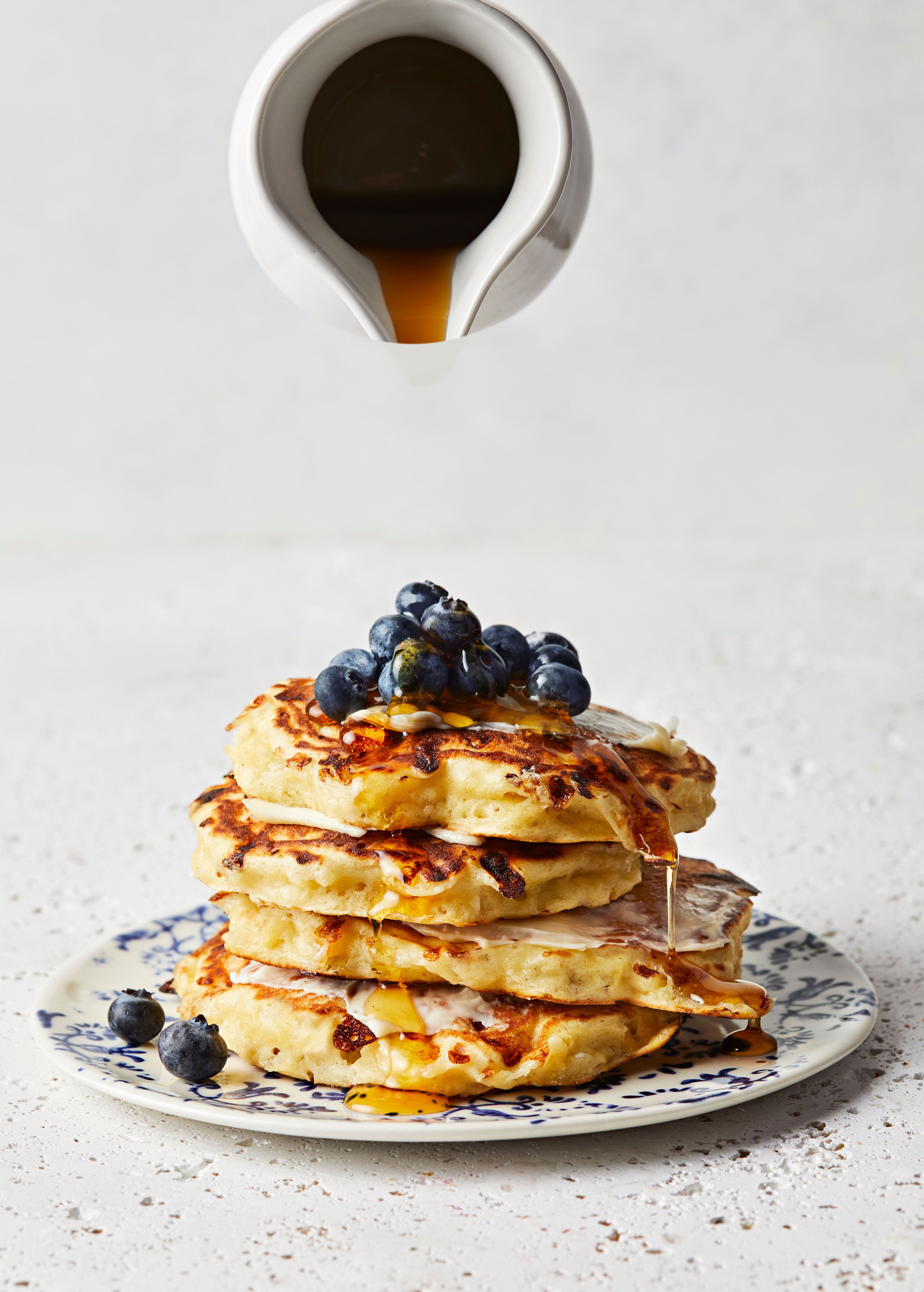
On the first day, the simplest change is usually breakfast. A handful of frozen blueberries can go directly into hot oatmeal, where they thaw and turn the bowl a shade normally associated with wizard robes. The flavor is mildly sweet, and frozen berries require no washing or chopping. Plain yogurt and chopped walnuts make the meal more filling.
Lunch introduces purple cabbage. Buying an entire cabbage may feel like adopting a dense, leafy bowling ball, but it keeps well in the refrigerator. A quarter can be shredded for tacos or sandwiches, another portion can become slaw, and the rest can be sautéed later in the week. The crisp texture makes meals feel fresher without requiring a complicated recipe.
By the second or third day, roasting becomes the easiest strategy. Purple carrots, red onions, purple cauliflower, and small purple potatoes can share a sheet pan. A little olive oil, pepper, garlic, and salt are enough. The vegetables may lose some of their vivid color during cooking, but they gain browned edges and a sweeter flavor. That trade is acceptable. Dinner is food, not an art conservation project.
Black rice requires more patience than instant white rice, but its nutty taste works well in grain bowls. Cooking a larger batch solves the inconvenience. Leftovers can be combined with black beans, vegetables, salsa, avocado, or a protein source for several meals. The dark color also makes green herbs, orange peppers, and white cheese visually pop, which can make a basic lunch feel more interesting.
Midweek, the biggest lesson is that purple foods are easiest to maintain when they replace or accompany familiar ingredients. Eggplant can join an existing pasta sauce. Blackberries can replace part of the usual breakfast fruit. Purple cabbage can stand in for green cabbage. Black beans can go wherever another bean would normally appear. No one needs to reorganize the entire kitchen around the color wheel.
Snacks are another easy opening. Plums and dark grapes travel well, while frozen grapes can satisfy the desire for something cold and sweet. Prunes are convenient but surprisingly effective, so beginning with a small portion is wise. Eating half a bag before an afternoon meeting would be an unforgettable lesson in gastrointestinal scheduling.
By the end of the week, people may notice greater variety, more fiber, and fewer meals that look beige. They should not expect an overnight transformation in energy, weight, blood pressure, or memory. The most meaningful benefit is behavioral: colorful foods can make nutritious meals more appealing and encourage experimentation with produce, legumes, and whole grains.
A sustainable routine might include frozen berries several mornings per week, purple cabbage or eggplant at lunch, black beans or black rice in a few dinners, and seasonal plums or grapes for snacks. That is enough to create variety without turning eating into a pigment-tracking occupation.
The experience also highlights a useful budgeting lesson. Purple foods do not have to be exotic. Frozen blueberries, cabbage, black beans, eggplant, red onions, and seasonal plums are often less expensive than specialty powders, juices, and supplements. Whole foods also provide the satisfaction of chewing, which a capsule has yet to master.
Conclusion
Purple foods deserve a place on the menu because they combine visual appeal with fiber, vitamins, minerals, anthocyanins, betalains, and other plant compounds. Regularly eating blueberries, blackberries, purple cabbage, eggplant, purple potatoes, black beans, black rice, and similar foods may support heart, digestive, metabolic, and cognitive health as part of an overall nutritious diet.
The key phrase is “as part of.” One purple food cannot compensate for an unbalanced eating pattern, and no pigment can replace prescribed treatment, physical activity, adequate sleep, or preventive medical care. Think of purple foods as valuable members of a much larger nutritional castnot the superheroes who single-handedly save the plot.