Note: A scorpion is an advanced cheerleading body position that demands flexibility, balance, strength, timing, and a trained team. This article is intentionally safety-first: use it to understand smart training pathways, not as a substitute for in-person instruction from a qualified cheer coach.
A great cheerleading scorpion can look almost unreal: clean lines, calm confidence, and the kind of control that makes the audience forget there is a whole lot of physics happening at once. But the skill is not magic, even if it occasionally makes parents clutch their water bottles like emergency equipment.
In cheerleading, a scorpion is a demanding flexibility position typically associated with a flyer, whether it is performed as part of a stunt sequence or a controlled standing skill. It requires far more than “being bendy.” Athletes need hip mobility, back control, shoulder stability, balance, body awareness, and a reliable stunt group when the skill is performed above the ground.
The smartest way to approach a cheer scorpion is not to chase the most dramatic photo possible. It is to build the physical and technical foundation that lets an athlete perform the position with control, consistency, and respect for their current skill level.
This guide covers three safer, coach-supervised ways to develop a scorpion in cheerleading: preparing the body, learning through progressions, and polishing the skill only when the entire team is ready. Think of it as a roadmap for earning the shape instead of arguing with your spine until it sends a strongly worded complaint.
What Makes a Cheerleading Scorpion So Challenging?
A scorpion combines several athletic demands at the same time. The athlete must maintain balance on one leg, create a controlled line through the hips and torso, manage shoulder mobility, and remain steady while making the position look effortless. In a stunt, that challenge grows because the flyer must stay controlled while bases and spotters manage the structure underneath.
That is why a scorpion should never be treated as a random trick to test at home, at a football game, or during an unsupervised team hangout. Cheerleading stunts involve real fall risk, especially when fatigue, poor surfaces, distraction, or incomplete preparation enter the picture.
The best scorpions usually have one thing in common: they look calm. The athlete is not yanking, wobbling, grimacing, or trying to survive the final count. The position appears smooth because the work happened long before the routine began.
Before You Train the Skill, Check the Environment
A proper setting matters. Advanced flexibility and stunt skills belong in a supervised practice environment with a qualified coach, trained spotters, appropriate matting, and a team that understands the relevant rules for its age group and competition level.
Do not attempt a new scorpion variation when you are tired, injured, dizzy, distracted, or feeling pressure to “prove” that you can do it. Cheerleading is a team sport, but safety decisions should never become a popularity contest. A good coach would rather hear, “I am not ready today,” than hear a crash followed by silence.
Way 1: Build the Physical Foundation Before Chasing the Shape
The first way to work toward a scorpion in cheerleading is to build the physical foundation required for the skill. This is the least flashy part of the process, which is exactly why it gets skipped by people who want results by Friday. Unfortunately, bodies do not care about Friday.
A strong scorpion foundation includes mobility, flexibility, balance, core control, and upper-body stability. These qualities help an athlete create the position without forcing joints into ranges they cannot safely control.
Focus on Mobility, Not Just Maximum Stretching
Flexibility is useful, but flexibility without control can be a little like owning a very long extension cord with no idea where the outlet is. The goal is not simply to move farther. The goal is to move well.
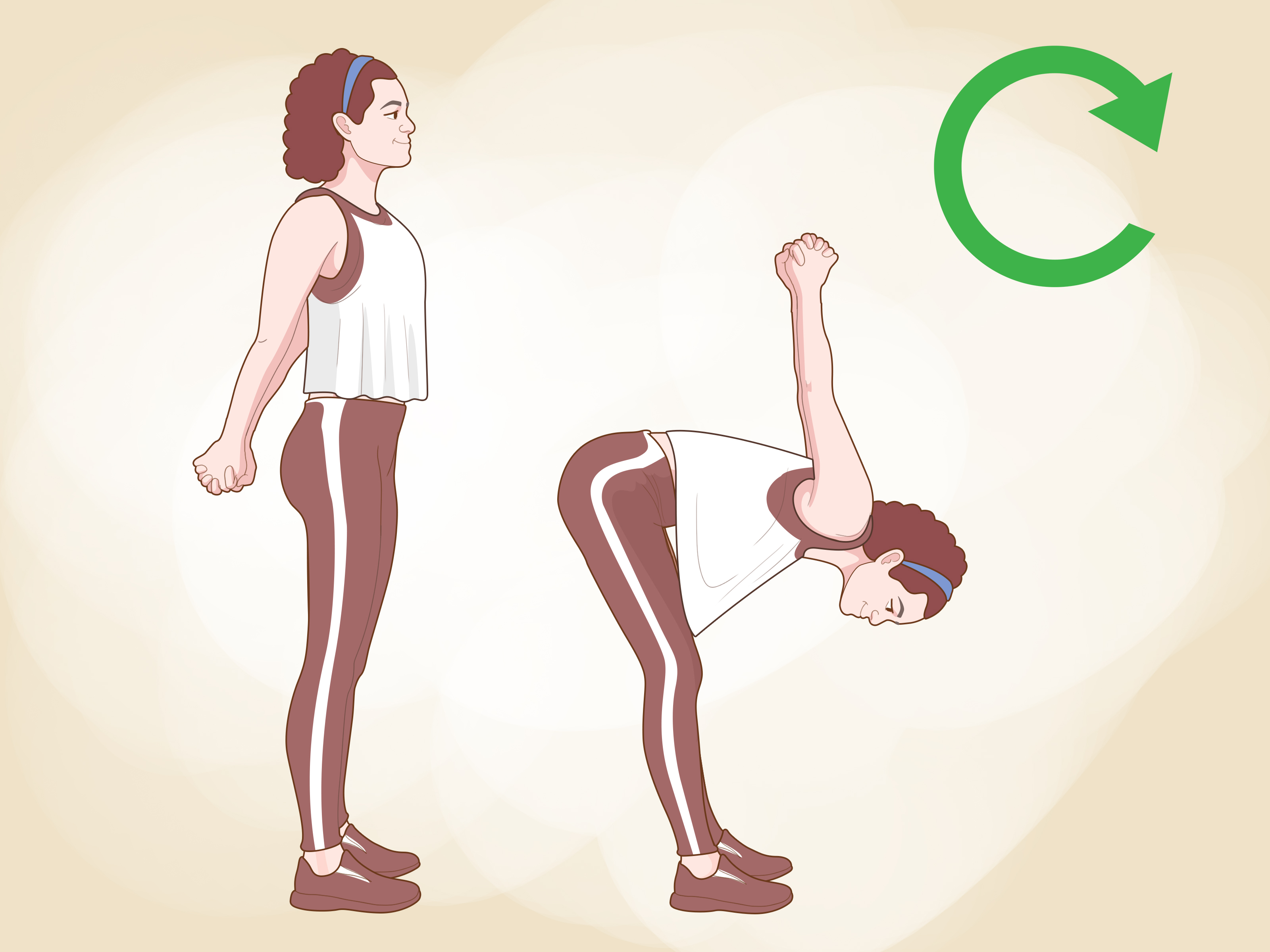
Coach-approved mobility work can help athletes prepare the hips, back, shoulders, and legs for the demands of a scorpion. Dynamic warm-ups before practice help the body transition into activity, while gentle recovery-focused flexibility work after practice can support long-term range of motion.
The key word is gentle. Stretching should not involve sharp pain, numbness, joint pinching, or the desperate facial expression of someone trying to open a pickle jar with their entire soul. Pain is not proof of progress. It is a signal to stop and communicate with a coach, athletic trainer, parent, or medical professional.
Train Balance and Body Awareness
Balance is a major part of a clean scorpion. An athlete may have impressive flexibility but still struggle to control the shape if they cannot stabilize through the standing leg, torso, and shoulders.
For cheer athletes, body awareness matters just as much as flexibility. A flyer needs to understand alignment, balance points, timing, and how to make small corrections without overreacting. That awareness is developed through structured practice, feedback, and repetitionnot through trying to “save” a wobbly position at the last second.
Build Strength That Supports the Skill
A scorpion is not only a stretch. It is a strength skill disguised as a pretty picture. The athlete needs controlled strength through the core, hips, legs, shoulders, and upper back to hold the position without collapsing into it.
Coach-guided conditioning can support better posture and more reliable control. Athletes who develop strength alongside mobility are usually better prepared to maintain clean cheerleading lines, land with more stability, and avoid compensating through poor technique.
Consistency wins here. Small, steady improvements across weeks and months are more valuable than one dramatic flexibility session followed by soreness, frustration, and a temporary ban from stairs.
Way 2: Learn Through Qualified Coaching and Skill Progressions
The second way to do a scorpion in cheerleading is through a structured progression led by a qualified coach. This is where the phrase “trust the process” stops sounding like something printed on a motivational poster and starts meaning something useful.
Cheerleading coaches assess athlete readiness based on more than flexibility. They look at body control, prior stunt experience, confidence, team communication, spotting, timing, injury history, and the rules governing the squad’s level.
Start With Coach-Approved Prerequisites
Before an athlete works on a full scorpion, a coach may evaluate whether the athlete can demonstrate the foundational positions, balance, flexibility, and control needed for more advanced body shapes. These prerequisites vary by gym, school, age group, and team level.
This step matters because the scorpion is not a one-size-fits-all skill. One athlete may be ready to develop a controlled standing version. Another may need more time building balance and shoulder mobility. A third may have the flexibility but need better core strength before the position is introduced in a stunt.
There is no prize for skipping the boring parts. In cheer, the boring parts are often the reason the exciting parts work.
Use Trained Spotters and Appropriate Equipment
When a coach introduces any advanced stunt position, trained spotters and appropriate practice surfaces are essential. Spotters are not decorative accessories. They are active safety participants who must be attentive, properly positioned, and prepared for the skill being trained.
Cheerleaders should not practice advanced stunt positions on concrete, asphalt, slick floors, crowded sidelines, or any surface not intended for stunt training. The environment should be clear, suitable for the activity, and free from distractions.
That means no “Just one quick try behind the bleachers.” The bleachers have seen enough.
Let the Coach Set the Pace
Progressions exist for a reason. A coach may slow down the process, return an athlete to an earlier skill, or postpone a new variation entirely. That is not failure. It is good coaching.
Skill development is not a straight line. Some practices feel amazing. Others reveal that your body is tired, your balance is off, or your stunt group needs to rebuild timing. Those moments are valuable because they help the team identify what needs attention before the skill is placed in a routine.
A safe athlete is not the one who says yes to every attempt. A safe athlete is the one who communicates honestly, listens to corrections, and understands that one missed practice goal is better than one preventable injury.
Way 3: Earn Performance Readiness as a Team
The third way to do a scorpion in cheerleading is to treat it as a team performance skill, not an individual flexibility challenge. Once a scorpion is used in a stunt sequence, every person involved contributes to the outcome.
The flyer needs control and confidence. Bases need strength, timing, and consistency. Spotters need attention and proper training. Coaches need to evaluate readiness and ensure the skill fits the team’s level and rules. A beautiful stunt is a group achievement, even when one athlete gets the glamorous photo.
Prioritize Clean Execution Over Extreme Range
A scorpion does not need to be pushed to the maximum possible range to look impressive. A controlled, clean, well-supported shape is more valuable than a more dramatic position that causes loss of balance, poor posture, or strain.
In competition cheerleading, execution matters. Athletes and teams are judged not just by whether a stunt is attempted, but by how clearly, confidently, and consistently it is performed. Control, timing, stability, and team synchronization are part of what makes a stunt look polished.
In other words, the scorpion should look like a deliberate choicenot like the athlete is negotiating with gravity in public.
Practice Communication Before the Routine
Reliable teams communicate constantly. Flyers should tell coaches and teammates when something feels off. Bases should communicate if their grip, timing, or fatigue level needs attention. Spotters should remain focused and engaged instead of assuming a skill is safe because it worked yesterday.
Good communication is especially important when a team is adding a scorpion to a routine, changing formations, learning new transitions, or practicing under different conditions. Heat, travel, long competition days, illness, and emotional stress can all affect how an athlete performs.
Know When to Pause
Stopping is a skill, too. Athletes should pause training and speak up if they experience sharp pain, repeated instability, numbness, tingling, unusual weakness, dizziness, or symptoms after a fall or impact. A suspected concussion requires immediate removal from activity and medical evaluation before returning to sport.
There is nothing “tough” about ignoring warning signs. The strongest cheerleaders protect their future by responding early when something does not feel right.
Common Mistakes When Training a Cheer Scorpion
Even talented athletes can fall into habits that make scorpion training less effective or less safe. Avoiding these mistakes can make the development process calmer and more productive.
Trying to Copy an Elite Athlete Overnight
Watching elite cheerleaders can be motivating, but it can also create unrealistic expectations. Advanced athletes usually have years of flexibility work, strength development, coaching, and stunt experience behind the finished skill.
Use inspiration as motivation, not as a deadline. Your body has its own timeline, and forcing it to match someone else’s highlight reel is rarely a winning strategy.
Ignoring Recovery
Practice builds skills, but recovery allows the body to adapt. Sleep, hydration, nutrition, rest days, and communication about soreness all matter. Repeating advanced flexibility work too aggressively can leave an athlete tired, tight, and less stable.
Recovery is not laziness. Recovery is part of training. Even superheroes need a day off, and they have better costumes than most cheer teams.
Confusing Pain With Productive Training
Some effort is normal when athletes develop mobility and strength. Sharp pain, pinching, sudden weakness, or persistent soreness is not a badge of honor. It is a reason to stop and seek appropriate guidance.
Healthy training should feel challenging but controlled. The goal is to leave practice more capable over time, not to collect mysterious aches like limited-edition trading cards.
How Coaches, Parents, and Teammates Can Support Safer Progress
Scorpion development is easier when the people around an athlete support patient progress instead of demanding instant results.
Coaches can create clear readiness standards, use age- and level-appropriate progressions, maintain active spotting, and encourage athletes to report discomfort early. Parents can reinforce that health matters more than a single competition routine or social-media photo. Teammates can help by avoiding pressure, respecting boundaries, and celebrating steady improvement.
The healthiest cheer culture is one where athletes feel proud to say, “I am still working on that skill.” Progress is not less impressive because it takes time. In many cases, taking time is exactly what makes the final skill look impressive.
Experiences From the Mat: What Athletes Often Learn While Working Toward a Scorpion
Experience 1: The athlete who stopped chasing the photo. One common experience involves an athlete who sees a teammate or favorite influencer hit a spectacular scorpion and decides that she needs the same result immediately. At first, she may focus only on how high or dramatic the position looks. Then, after a few coach-led practices, she realizes the real challenge is staying balanced, controlled, and comfortable throughout the movement.
That realization can be surprisingly freeing. Instead of comparing her shape to someone else’s, she starts tracking small wins: better posture, more stable balance, less wobbling, stronger body control, and cleaner lines. The skill becomes less about proving flexibility and more about building confidence. Over time, the athlete learns that a controlled version of the skill is not “less than.” It is the version that belongs in a routine.
Experience 2: The stunt group that learned patience. A stunt group may be excited to add a scorpion because it looks impressive and can create a memorable moment in a routine. But the group quickly learns that excitement does not replace timing. When one person rushes, the whole structure feels less secure. When everyone listens, communicates, and follows the coach’s plan, the stunt begins to look cleaner.
The bases may learn that their role is not merely to lift. They are responsible for consistency, awareness, and trust. The flyer may learn that confidence comes from knowing her group is prepared. The spotter may learn that staying alert is just as important during a “normal” repetition as during a difficult new attempt. Those lessons make the entire group better, even when they are not practicing a scorpion.
Experience 3: The athlete who took a step back and improved faster. Sometimes an athlete discovers that their current body does not feel ready for a scorpion. Maybe the shoulders are tight, the balance is inconsistent, or the back feels uncomfortable. Taking a step back can feel disappointing at first, especially when a competition date is coming up.
But the athlete who communicates honestly often gains more in the long run. A coach can modify training, prioritize recovery, or build foundational skills before returning to the position. Instead of forcing a bad day into a bigger problem, the athlete protects their ability to continue cheering.
This is one of the most valuable lessons in sports: progress is not always moving forward at top speed. Sometimes progress is recognizing when your body needs a different plan.
Experience 4: The team that celebrated clean, not crazy. Many teams eventually learn that the loudest reaction from the crowd does not always come from the most extreme stunt. A clean, confident, well-timed scorpion can create just as much impact as a more difficult variation performed with visible struggle.
When teams prioritize control, performance quality improves. The flyer looks more confident. The bases look steadier. The routine appears intentional rather than frantic. Coaches often notice that the best performances are not the ones filled with the most risky choices. They are the ones where athletes perform skills they have truly prepared for.
That is the real takeaway from working toward a scorpion in cheerleading. The goal is not to bend farther than everyone else. The goal is to become a stronger, smarter, safer athlete who can perform with confidence and trust the people around them.
Final Thoughts: The Best Scorpion Is the One You Can Control
A cheerleading scorpion can be an exciting goal, but it should never become a shortcut around safety, conditioning, or coaching. The three smartest ways to approach the skill are simple: build the body’s foundation, learn through qualified progressions, and perform it only when the full stunt group is ready.
Remember that cheerleading rewards teamwork, preparation, and consistency. A scorpion that is clean, stable, and confidently performed will always look better than one that is forced. Work patiently, listen to your coach, respect your current level, and let your progress become something worth cheering for.