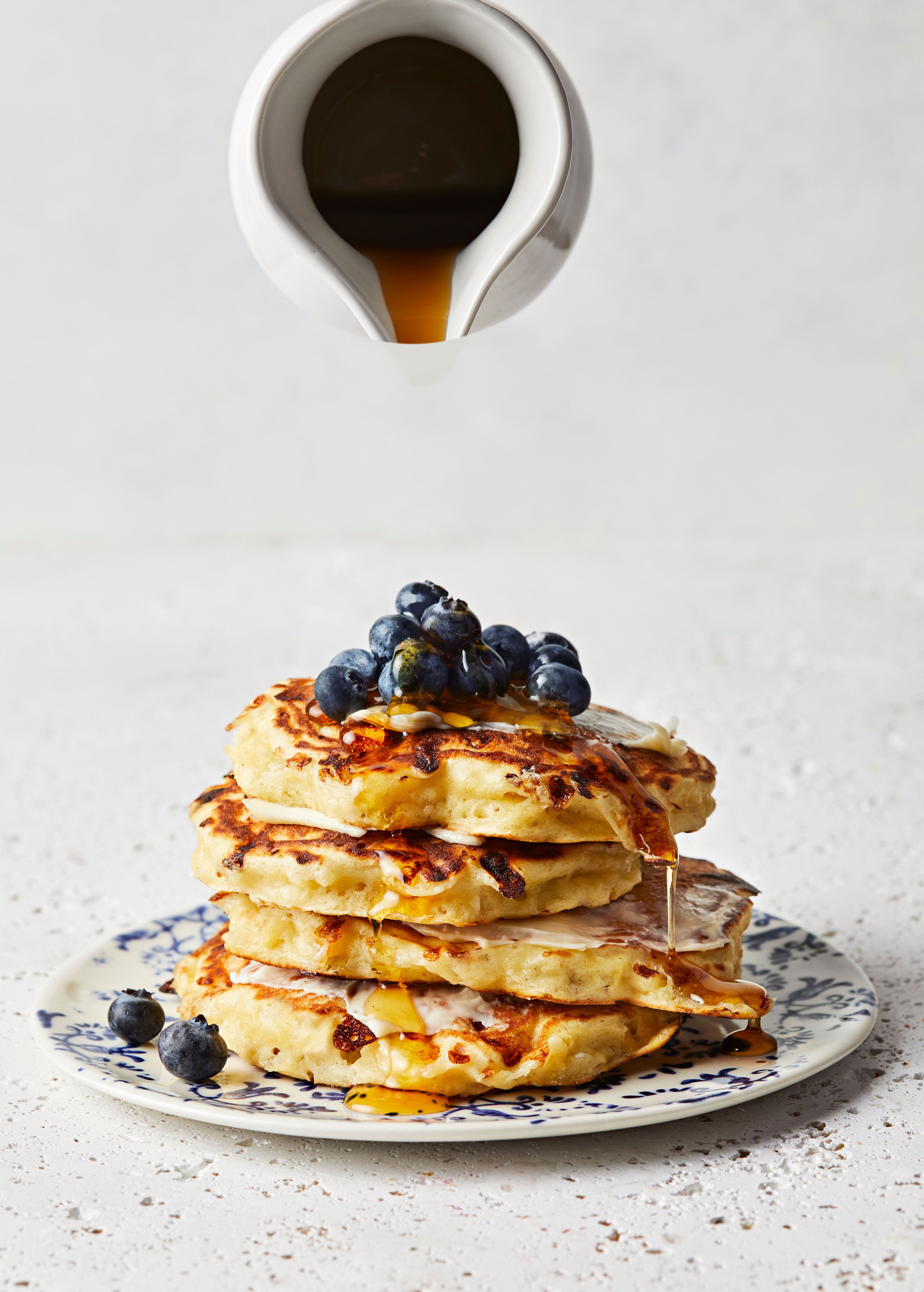
Some pancakes wake up slowly. These Honey-Lemon Cottage Cheese Pancakes practically throw open the curtains, fluff the pillows, and ask where the coffee is. They are tender, lightly sweet, bright with lemon zest, and pleasantly rich from cottage cheese, which gives the batter extra body without making the pancakes taste like cheese. Think of them as the cheerful cousin of lemon ricotta pancakes, only easier to make with the tub of cottage cheese already sitting in your fridge.
This recipe is designed for home cooks who want pancakes that feel special but do not require a culinary degree, a stand mixer, or a dramatic brunch soundtrack. The honey adds mellow sweetness, the lemon keeps everything fresh, and the cottage cheese creates soft, protein-rich pancakes with golden edges. Serve them with berries, a spoonful of yogurt, warm honey, or a modest river of maple syrup if your breakfast personality is “dessert-adjacent.”
Why You’ll Love This Honey-Lemon Cottage Cheese Pancakes Recipe
Classic pancakes are comforting, but they can sometimes disappear from your stomach faster than your weekend motivation. Cottage cheese helps solve that problem by adding protein and moisture. It also gives the pancakes a delicate tang that works beautifully with lemon and honey.
A bright, balanced flavor
Lemon zest carries fragrant citrus oils that make the pancakes taste fresh without turning the batter sour. A small splash of lemon juice sharpens the flavor, while honey rounds everything out with floral sweetness. The result is sunny, soft, and not too sugary.
A tender texture without complicated steps
Cottage cheese pancakes often work best when the batter is mixed gently and cooked over medium heat. The curds soften as the pancakes cook, creating a creamy interior. If you prefer a smoother pancake, you can blend the wet ingredients first. If you like a rustic, tender bite, leave the cottage cheese slightly chunky.
A breakfast that feels filling
Thanks to eggs and cottage cheese, these pancakes are more satisfying than standard pancakes made only with flour, milk, and sugar. They are still pancakes, not a protein shake wearing a disguise, but they offer a more balanced start to the morning.
Ingredients for Honey-Lemon Cottage Cheese Pancakes
This recipe makes about 10 to 12 medium pancakes, enough for 3 to 4 servings.
For the pancake batter
- 1 cup small-curd cottage cheese, full-fat or low-fat
- 2 large eggs
- 1/2 cup milk, plus 1 to 2 tablespoons more if needed
- 2 tablespoons honey
- 2 tablespoons unsalted butter, melted and slightly cooled
- 1 teaspoon vanilla extract
- 2 teaspoons finely grated lemon zest
- 1 tablespoon fresh lemon juice
- 1 cup all-purpose flour
- 1 teaspoon baking powder
- 1/4 teaspoon baking soda
- 1/4 teaspoon fine salt
- Butter or neutral oil, for the skillet
For serving
- Warm honey or maple syrup
- Fresh blueberries, raspberries, strawberries, or sliced bananas
- Greek yogurt or whipped cottage cheese
- Extra lemon zest
- Powdered sugar, optional
How to Make Honey-Lemon Cottage Cheese Pancakes
Step 1: Mix the wet ingredients
In a large bowl, whisk together the cottage cheese, eggs, milk, honey, melted butter, vanilla extract, lemon zest, and lemon juice. If you want a smooth batter, blend these wet ingredients in a blender for 15 to 25 seconds. If you enjoy a more homemade texture, whisk by hand and let the cottage cheese curds remain visible.
Step 2: Combine the dry ingredients
In a separate bowl, whisk the flour, baking powder, baking soda, and salt. This step matters because it distributes the leavening evenly. Nobody wants one pancake to rise like a champion while another lies flat like it gave up in traffic.
Step 3: Stir gently
Add the dry ingredients to the wet ingredients. Stir just until the flour disappears. A few small lumps are fine. In fact, they are your friends. Overmixing pancake batter develops gluten, which can make pancakes chewy instead of tender.
Step 4: Rest the batter
Let the batter rest for 5 to 10 minutes. This short pause gives the flour time to hydrate and helps the baking powder begin working. The batter should be thick but scoopable. If it looks too stiff, stir in another tablespoon or two of milk.
Step 5: Cook on medium heat
Heat a nonstick skillet or griddle over medium heat. Lightly grease it with butter or oil. Scoop about 1/4 cup of batter per pancake onto the hot surface. Cook for 2 to 3 minutes, or until the edges look set and bubbles appear on top. Flip carefully, then cook another 1 to 2 minutes, until golden brown and cooked through.
Step 6: Serve warm
Stack the pancakes on plates and drizzle with warm honey. Add berries, yogurt, or extra lemon zest. For a brunch-worthy finish, mix honey with a little lemon juice and spoon it over the top like a quick citrus syrup.
Recipe Card: Honey-Lemon Cottage Cheese Pancakes
Honey-Lemon Cottage Cheese Pancakes
Prep time: 10 minutes
Cook time: 15 minutes
Total time: 25 minutes
Servings: 3 to 4
Yield: 10 to 12 pancakes
Ingredients
- 1 cup small-curd cottage cheese
- 2 large eggs
- 1/2 cup milk
- 2 tablespoons honey
- 2 tablespoons melted unsalted butter
- 1 teaspoon vanilla extract
- 2 teaspoons lemon zest
- 1 tablespoon lemon juice
- 1 cup all-purpose flour
- 1 teaspoon baking powder
- 1/4 teaspoon baking soda
- 1/4 teaspoon salt
- Butter or oil for cooking
Instructions
- Whisk cottage cheese, eggs, milk, honey, melted butter, vanilla, lemon zest, and lemon juice in a large bowl.
- In another bowl, whisk flour, baking powder, baking soda, and salt.
- Fold dry ingredients into wet ingredients until just combined.
- Rest batter for 5 to 10 minutes.
- Heat a greased skillet over medium heat.
- Cook 1/4-cup portions for 2 to 3 minutes per side, flipping when bubbles appear and edges look set.
- Serve warm with honey, berries, yogurt, or maple syrup.
Tips for Fluffy Cottage Cheese Pancakes
Use small-curd cottage cheese
Small-curd cottage cheese blends more easily into the batter and creates a softer texture. Large-curd cottage cheese still works, but the pancakes will have more visible pockets of cheese. That is not a disaster. It is just a pancake with personality.
Do not crank up the heat
Cottage cheese pancakes are slightly more delicate than traditional pancakes. Medium heat is your best friend. If the skillet is too hot, the outside browns before the center cooks. If the skillet is too cool, the pancakes spread too much and become pale. Aim for steady heat and golden edges.
Flip once, not twelve times
Wait until bubbles appear and the edges begin to look dry. Then slide a thin spatula underneath and flip with confidence. Repeated flipping can deflate the pancakes and make them look like they have been through a tiny breakfast wrestling match.
Keep pancakes warm the smart way
If you are cooking for a group, place finished pancakes on a baking sheet in a 200-degree Fahrenheit oven while you cook the rest. Avoid stacking them too tightly for too long, or steam can soften the golden edges.
Flavor Variations
Blueberry honey-lemon pancakes
Fold 1/2 cup fresh blueberries into the batter just before cooking. Blueberries and lemon are basically best friends who carpool to brunch.
Oat cottage cheese pancakes
Replace 1/2 cup of the all-purpose flour with oat flour for a heartier texture. The pancakes will taste slightly nutty and feel more rustic.
Greek-style lemon pancakes
Serve the pancakes with Greek yogurt, chopped pistachios, warm honey, and extra lemon zest. This version tastes elegant but still lets you wear slippers while eating it.
Extra protein pancakes
Add 1 to 2 tablespoons of plain protein powder, then thin the batter with a splash of milk if needed. Keep the amount small so the pancakes stay tender instead of turning dry.
What to Serve with Honey-Lemon Cottage Cheese Pancakes
These pancakes already have a lovely balance of creamy, sweet, and citrusy flavors, so toppings should support rather than bury them. Fresh berries are the easiest choice because their acidity matches the lemon. Greek yogurt adds tang and creaminess. Toasted almonds or pistachios bring crunch. A warm fruit compote makes the plate feel restaurant-worthy without requiring a reservation.
For a savory breakfast plate, serve the pancakes with scrambled eggs or turkey sausage. For a lighter brunch, pair them with fruit salad and iced coffee. For a weekend treat, add lemon curd, whipped cream, and berries. That version is no longer pretending to be modest, and honestly, good for it.
Storage and Reheating
Refrigerator
Let leftover pancakes cool completely, then store them in an airtight container in the refrigerator for up to 3 days. Place parchment paper between layers if you want to prevent sticking.
Freezer
Freeze pancakes in a single layer on a baking sheet, then transfer them to a freezer bag. They keep well for about 2 months. This is an excellent move for busy mornings when your brain says “brunch” but your calendar says “absolutely not.”
Reheating
Reheat refrigerated pancakes in a toaster, toaster oven, skillet, or microwave. For the best texture, use a toaster oven or skillet so the edges regain a little crispness.
Nutrition Notes
Cottage cheese brings protein, calcium, and a creamy texture to this pancake recipe. The exact nutrition will depend on the type of cottage cheese, milk, and toppings you choose. Full-fat cottage cheese gives richer pancakes, while low-fat cottage cheese keeps them lighter. If you are watching sodium, check the label and choose a lower-sodium cottage cheese when possible.
Honey is still a form of sugar, even when it feels more wholesome than granulated sugar because it comes in a cute bear bottle. Use it for flavor, not as a free pass to pour half the jar over breakfast. Also, honey should not be served to children under 1 year old.
Common Mistakes to Avoid
Using watery cottage cheese
If your cottage cheese looks very wet, drain off a little liquid before adding it to the batter. Too much moisture can make the pancakes heavy or difficult to flip.
Overmixing the batter
Stirring too much can make pancakes tough. Mix until the ingredients are combined, then step away from the bowl. The batter does not need to look perfectly smooth.
Making pancakes too large
Cottage cheese pancakes cook best in modest portions. A 1/4-cup scoop gives you pancakes that are easy to flip and cook evenly in the center.
Skipping the lemon zest
Lemon juice adds acidity, but lemon zest adds fragrance. If you want the pancakes to taste truly lemony, zest is essential. Grate only the yellow part of the peel, not the bitter white pith underneath.
Frequently Asked Questions
Do cottage cheese pancakes taste like cottage cheese?
Not strongly. The cottage cheese adds mild tang, moisture, and tenderness. With honey, lemon zest, and vanilla, the flavor becomes bright and lightly sweet rather than cheesy.
Can I make these pancakes gluten-free?
Yes. Use a cup-for-cup gluten-free flour blend designed for baking. The batter may need an extra splash of milk because some gluten-free blends absorb liquid differently.
Can I blend the batter?
Yes. Blending creates a smoother texture and hides the cottage cheese curds. For fluffier pancakes, blend only the wet ingredients, then stir in the dry ingredients by hand.
Can I use ricotta instead of cottage cheese?
Yes. Ricotta creates a softer, slightly sweeter pancake. Cottage cheese gives more texture and a tangier flavor, while ricotta makes the pancakes feel more delicate.
Can I make the batter ahead of time?
It is best to cook the batter soon after mixing because the leavening begins working right away. However, you can whisk the dry ingredients and wet ingredients separately the night before, then combine them in the morning.
Personal Kitchen Experience: What Makes This Recipe Worth Repeating
The first thing you notice when making honey-lemon cottage cheese pancakes is that the batter does not behave exactly like regular pancake batter. It is thicker, a little lumpy, and slightly glossy from the honey and melted butter. At first glance, you may wonder whether you have made breakfast or accidentally started a science fair project. Stay calm. This is exactly what gives the pancakes their tender, almost custardy middle.
In my experience, the best version comes from leaving the cottage cheese partly unblended. A fully blended batter is smooth and reliable, but a lightly whisked batter gives the pancakes more character. The curds soften during cooking, creating little creamy pockets that pair beautifully with the lemon. If you are cooking for someone suspicious of cottage cheese, blend the wet ingredients. If you are cooking for yourself and enjoy texture, keep it rustic.
Another lesson: lemon zest is not optional if you want the recipe to feel special. Lemon juice alone gives brightness, but zest gives aroma. The moment zest hits warm pancake batter on the skillet, the kitchen smells like someone opened a bakery beside a lemon tree. It is a small step that delivers a big payoff.
Honey also changes the personality of the pancakes. White sugar gives sweetness, but honey gives warmth. It browns nicely, so the pancakes develop golden surfaces with a faint caramel note. Because honey can encourage browning, medium heat is important. When the skillet gets too hot, the pancakes can darken before the centers finish cooking. A calm, steady pan makes all the difference.
The most useful serving trick is to warm the honey before drizzling. Cold honey sits heavily on the pancakes, while warm honey glides into the little ridges and edges. Add a squeeze of lemon juice to that warm honey and you have a quick syrup that tastes brighter than plain maple syrup. It is simple, but it makes the plate feel planned rather than improvised between emails.
These pancakes are also surprisingly good as leftovers. After cooling, they firm up slightly, which makes them easy to toast the next day. A reheated pancake with yogurt and berries makes a fast breakfast that still feels homemade. You can even spread one with almond butter, fold it like a taco, and call it a breakfast wrap. Is that traditional? No. Is it delicious? Absolutely.
For weekend brunch, I like serving these pancakes with blueberries, Greek yogurt, and extra lemon zest. For a cozy weekday version, I skip the fancy toppings and use a small pat of butter with warm honey. Either way, the recipe manages to feel comforting and fresh at the same time. That is the real charm: it gives you the joy of pancakes with a little more staying power and a flavor that does not need a mountain of syrup to make sense.
Conclusion
Honey-Lemon Cottage Cheese Pancakes are the kind of breakfast that feels cheerful without being fussy. They are soft, golden, lightly sweet, and bright with citrus. Cottage cheese gives them tenderness and protein, honey adds gentle sweetness, and lemon zest keeps every bite fresh. Whether you serve them for a slow Sunday brunch, meal-prep them for busy mornings, or dress them up with berries and yogurt, these pancakes earn a permanent spot in the breakfast rotation.
The key is simple: use a balanced batter, avoid overmixing, cook over medium heat, and let the lemon shine. Once you get the rhythm down, this recipe becomes easy enough for weekdays and special enough for guests. In other words, it is breakfast with manners, flavor, and just enough personality to make plain pancakes nervous.