For years, psychedelic therapy lived in the public imagination somewhere between “promising breakthrough” and “please do not take life advice from a guy at a music festival.” Now it is back in serious medical conversation, and this time doctors, researchers, regulators, and patients are all paying close attention. The big question is no longer whether psychedelic-assisted therapy is interesting. It is whether it is ready, safe, and effective enough to earn a durable place in mental health care.
The answer is complicated, which is exactly why this topic deserves more than a headline and a mushroom emoji. Psychedelic therapy is being studied for treatment-resistant depression, post-traumatic stress disorder, alcohol and nicotine addiction, anxiety related to serious illness, and several other mental health conditions. Some findings have been impressive. Some have been mixed. And some of the loudest excitement has run faster than the science.
Still, something important is happening. Researchers are learning that, in carefully controlled settings, certain drugs may help some patients access emotional material, interrupt rigid thought patterns, and engage therapy in a way that standard treatment sometimes cannot. That does not make psychedelic therapy magic. It makes it a serious medical idea that needs serious medical standards.
What psychedelic therapy actually means
Psychedelic therapy is not simply taking a drug and hoping wisdom shows up wearing sandals. In clinical research and regulated care, it usually refers to a structured treatment model that combines a psychoactive substance with professional support before, during, and after the medicine session.
The three-part framework
Most psychedelic-assisted therapy models include preparation, the monitored medicine session, and integration. Preparation helps a patient build trust, clarify goals, and discuss fears, trauma history, and expectations. The medicine session happens in a carefully supervised environment. Integration follows, helping the patient make sense of what happened and turn emotional insight into practical change.
That framework matters because the therapy is not only about the drug. It is about what the drug may temporarily open up: attention, emotional flexibility, memory processing, perspective shifts, or a sense that old mental loops are not as permanent as they once felt. In other words, the medicine may open the door, but therapy still has to walk through it.
Which substances are being studied?
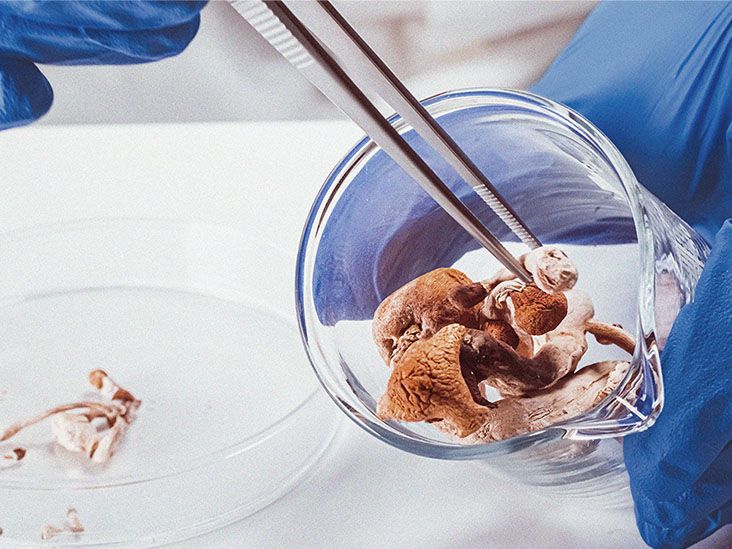
The conversation often lumps several very different substances into one basket. Psilocybin, the active compound in so-called “magic mushrooms,” is the most widely discussed classic psychedelic in depression research. MDMA, often discussed in PTSD studies, is not a classic psychedelic in the same way as psilocybin or LSD, but it is often grouped with psychedelic-assisted therapies because of how it may affect emotional processing and therapeutic engagement. Ketamine is different again: it is a dissociative anesthetic, not a classic psychedelic, yet it is part of this conversation because it can have rapid antidepressant effects and is already used in some medical settings.
Why people are paying attention
Traditional mental health treatment helps many people, but not everyone gets enough relief. Depression can remain stubborn after multiple medication trials. PTSD can continue to hijack sleep, mood, concentration, and relationships even after good therapy. Addiction can loosen its grip for a while, then come roaring back like it forgot to pay rent and wants the apartment again. That gap between available treatment and real-world suffering is where psychedelic therapy has gained traction.
Researchers are particularly interested in whether these therapies can create rapid changes in people who feel stuck. Instead of only blunting symptoms, psychedelic-assisted therapy may help some patients revisit painful experiences, loosen destructive habits of thought, and build new meaning around their lives. That possibility helps explain the enthusiasm. It also explains the caution: treatments that work through altered states of consciousness require exceptional attention to safety, screening, therapist training, and follow-up care.
Psychedelic therapy for depression
Depression has become one of the leading areas of psychedelic research, especially major depressive disorder and treatment-resistant depression. Psilocybin studies have reported fast reductions in depressive symptoms for some participants, sometimes after one or two guided sessions combined with psychological support. That is a striking contrast with standard antidepressants, which often take weeks to work and may still fall short for many patients.
Why might psilocybin help? Researchers believe it may temporarily disrupt rigid patterns of thinking and affect networks in the brain involved in mood and self-focus. Put more simply, some patients describe depression as being trapped in the same basement of thought day after day. Psychedelic therapy may, for some people, crack a window open. Air gets in. Perspective shifts. The room is still there, but it no longer feels sealed shut.
That said, the science is promising rather than settled. Some trials have shown meaningful improvements, but not every study has hit every primary endpoint. Durability also matters. Rapid change is exciting, but clinicians need to know how long benefits last, who is most likely to benefit, and how often treatment would need to be repeated. Another important issue is expectation. In psychedelic research, participants often realize whether they received the active drug, which can complicate blinding and make results harder to interpret cleanly.
Ketamine and esketamine deserve separate mention here. Esketamine nasal spray is FDA-approved for treatment-resistant depression and for depressive symptoms in adults with major depressive disorder with acute suicidal ideation or behavior, when used under medical supervision with an oral antidepressant. That makes it the clearest example of a psychedelic-adjacent therapy already inside the U.S. medical system. Ketamine clinics also exist, but the quality of screening, monitoring, and follow-up can vary widely, which is one reason experts keep insisting that this field needs standards, not vibes.
Psychedelic therapy for PTSD
PTSD is another area where psychedelic-assisted therapy has generated major interest. The reason is understandable. PTSD is not just fear; it can involve avoidance, emotional numbing, hypervigilance, guilt, shame, sleep disruption, and a nervous system that acts like danger never clocked out. Standard trauma-focused therapies work for many people, but some patients still struggle to engage fully with traumatic material or stay with treatment long enough to benefit.
MDMA-assisted therapy drew attention because researchers hoped it could reduce fear, increase trust, and make trauma processing more tolerable. Early and mid-stage findings were promising, and the field moved quickly. But speed is not approval. In 2024, the FDA did not approve midomafetamine for PTSD and asked for additional evidence, including stronger information on durability and safety. That was a major reality check for a field that had begun sounding like the future had already arrived with a soundtrack and a press release.
Psilocybin is also being explored for PTSD, though the evidence base is thinner than it is for depression. Researchers remain interested in whether psychedelic-assisted therapy could help patients process trauma differently, reconnect with emotion without being overwhelmed, and feel less trapped by avoidance. But for now, trauma-focused psychotherapy and established PTSD treatments remain the standard of care, while psychedelic approaches remain under investigation.
Psychedelic therapy for addiction
Addiction treatment is one of the most compelling and most careful frontiers in this space. Psilocybin-assisted therapy has shown encouraging signals in alcohol use disorder research, including reductions in heavy drinking days in some trials. Research on smoking cessation has also attracted attention, and newer studies suggest there may be real potential when psychedelic treatment is paired with structured behavioral therapy.
This makes intuitive sense. Addiction is not only about chemical dependence. It often includes deeply rehearsed habits, reward learning, emotional avoidance, shame, stress, and the desperate human desire to stop feeling awful for five minutes. Psychedelic therapy may help some people step outside those patterns long enough to see their behavior with unusual clarity. Some participants describe a renewed sense of agency or a vivid confrontation with the gap between the life they are living and the life they want.
But again, promise is not proof for everyone. Addiction treatment already has evidence-based tools that save lives, including medications for opioid and alcohol use disorders, counseling, contingency management, and peer support. Psychedelic therapy should not be framed as replacing these. At best, it may eventually become another tool for selected patients in carefully managed settings.
Other conditions being studied
Researchers are also exploring psychedelic therapy for anxiety associated with serious illness, obsessive-compulsive symptoms, eating disorders, and certain forms of existential distress. In patients facing life-threatening disease, some studies have suggested that psilocybin-assisted therapy may reduce anxiety, hopelessness, and fear of death while increasing a sense of meaning or peace. That does not mean the therapy erases suffering. It may, however, change the patient’s relationship to suffering in a way that feels profound and clinically useful.
There is also strong interest in the broader neuroscience. Some investigators believe psychedelic compounds may temporarily increase neuroplasticity, making the brain more able to form new connections and update old predictions. If that line of research holds up, psychedelic therapy could teach psychiatry something important even beyond these drugs themselves: mental illnesses may be treatable not only by reducing symptoms but by creating windows for learning and emotional revision.
The risks are real, and they matter
This is the part that should never be treated like fine print. Psychedelic therapy is not appropriate for everyone, and unsupervised use is not the same thing as clinical care. These substances can produce fear, panic, confusion, spikes in blood pressure, nausea, dissociation, or psychologically overwhelming experiences. They may be especially risky for people with certain psychotic disorders, some bipolar-spectrum conditions, or other vulnerabilities that require careful screening.
There are also practical risks. The therapy is intensive. It requires trained clinicians, time, monitoring, and follow-up. It can be emotionally exhausting. Some people improve dramatically; others improve modestly; some do not improve at all. A meaningful experience is not automatically a therapeutic one, and a dramatic session does not guarantee lasting change. In short, “powerful” is not the same thing as “effective.” Psychiatry has learned that lesson before, usually the hard way.
Another challenge is equity. Even if psychedelic therapy earns broader approval, who will be able to access it? Multi-hour therapy sessions, specialized staff, medical monitoring, and regulatory requirements can make treatment expensive. If access is limited to affluent patients in boutique clinics, the field risks becoming both scientifically exciting and socially disappointing.
Why the field needs both hope and skepticism
Psychedelic therapy sits in an unusual place. It is neither empty hype nor settled medicine. It is a field with real evidence, real risks, and real unanswered questions. That means the best attitude is neither blind faith nor cynical dismissal. It is disciplined curiosity.
Researchers still need larger and more diverse studies, better long-term follow-up, stronger methods to reduce expectancy effects, clearer safety standards, and more agreement on how much benefit comes from the drug, the therapy, the environment, or the combination of all three. Regulators want durable outcomes. Clinicians want training standards. Patients want relief that is real, not trendy.
And yet, the hope is understandable. For people who have lived with severe depression, chronic trauma, or repeated relapse, even the possibility of a different kind of treatment matters. If psychedelic therapy continues to develop responsibly, it may eventually become one more way to help patients who have been waiting far too long for something to work.
What experiences related to psychedelic therapy can feel like
When people talk about psychedelic therapy experiences, they often focus on the dramatic parts. But in clinical settings, the most meaningful experiences are not always dramatic at all. Sometimes the change is loud and emotional. Sometimes it is quiet, subtle, and unfolds later like a note discovered in a coat pocket weeks after winter ends.
Many patients enter treatment carrying a mix of hope and dread. A person with depression may feel emotionally flat and skeptical that anything can help. A person with PTSD may want relief but fear what will surface if avoidance begins to loosen. Someone struggling with addiction may feel ashamed, exhausted, and suspicious of one more treatment promising transformation. So the early experience often begins not with revelation, but with uncertainty. That matters, because psychedelic therapy is not only about what happens during a session. It is also about whether the patient feels safe enough to be honest before the session even begins.
In supervised treatment, people commonly describe an increased intensity of thoughts, emotions, memories, imagery, and body sensations. For some, that feels meaningful or deeply moving. For others, it feels disorienting or temporarily frightening. A person may experience grief that had been locked down for years, memories that suddenly feel emotionally available, or an unusual sense of distance from their usual self-criticism. Some describe feeling more compassionate toward themselves. Others feel as if they are seeing the architecture of their suffering more clearly for the first time.
Patients in depression studies sometimes report a shift from emotional numbness to emotional access. That can sound positive, and often it is, but it can also be uncomfortable. Feeling more is not always pleasant at first. A patient who has been shut down for years may suddenly encounter sadness, anger, regret, or tenderness that had been sealed off. In trauma-related treatment, experiences may include a different relationship to fear: not the disappearance of fear, but the ability to stay present with painful material without immediately shutting down, fleeing, or fragmenting.
In addiction-related therapy, people sometimes describe a moment of sharp self-recognition. They may see how automatic their behavior has become, how deeply it is linked to loneliness or stress, or how much energy has gone into escape. That does not cure addiction on the spot. But it can create a rare opening in which motivation feels less borrowed and more personal. Instead of “I should quit,” the feeling becomes “I want my life back.” Clinically, that difference matters.
Integration is where many patients realize whether the experience will become useful. Without integration, even a powerful session can remain a vivid memory with no practical landing gear. With good integration, patients may connect the experience to concrete change: returning to trauma therapy with less avoidance, rebuilding daily routines, reducing alcohol use, repairing relationships, or noticing that the inner voice of constant self-attack has become slightly less convincing. No choir appears. No golden certificate announces enlightenment. But sometimes a patient wakes up and realizes that getting out of bed feels 10% less impossible, and in real life that can be enormous.
Not every experience is positive. Some sessions are confusing, exhausting, or emotionally raw. Some people feel disappointed when they do not have the kind of breakthrough they expected. Others have meaningful sessions but struggle to sustain change afterward. That is why careful preparation, screening, and follow-up are essential. The goal is not to chase a spectacular experience. The goal is to support lasting improvement in how a person feels, functions, relates, and lives.
Conclusion
Psychedelic therapy may become one of the most important mental health developments of the next decade, but only if it earns that role honestly. The strongest evidence so far suggests real potential for depression, PTSD, addiction, and related conditions, especially when treatment is delivered in structured, supervised settings with skilled therapeutic support. At the same time, most of these therapies are still being studied, and major questions remain about safety, durability, access, training, and regulation.
The smartest takeaway is not “this changes everything” or “this is all hype.” It is this: psychedelic therapy is a serious area of medicine in progress. For some patients, it may eventually offer meaningful relief where other treatments have failed. For everyone else, it offers a reminder that mental health care still has room to evolve, and that hope is strongest when it is paired with evidence.