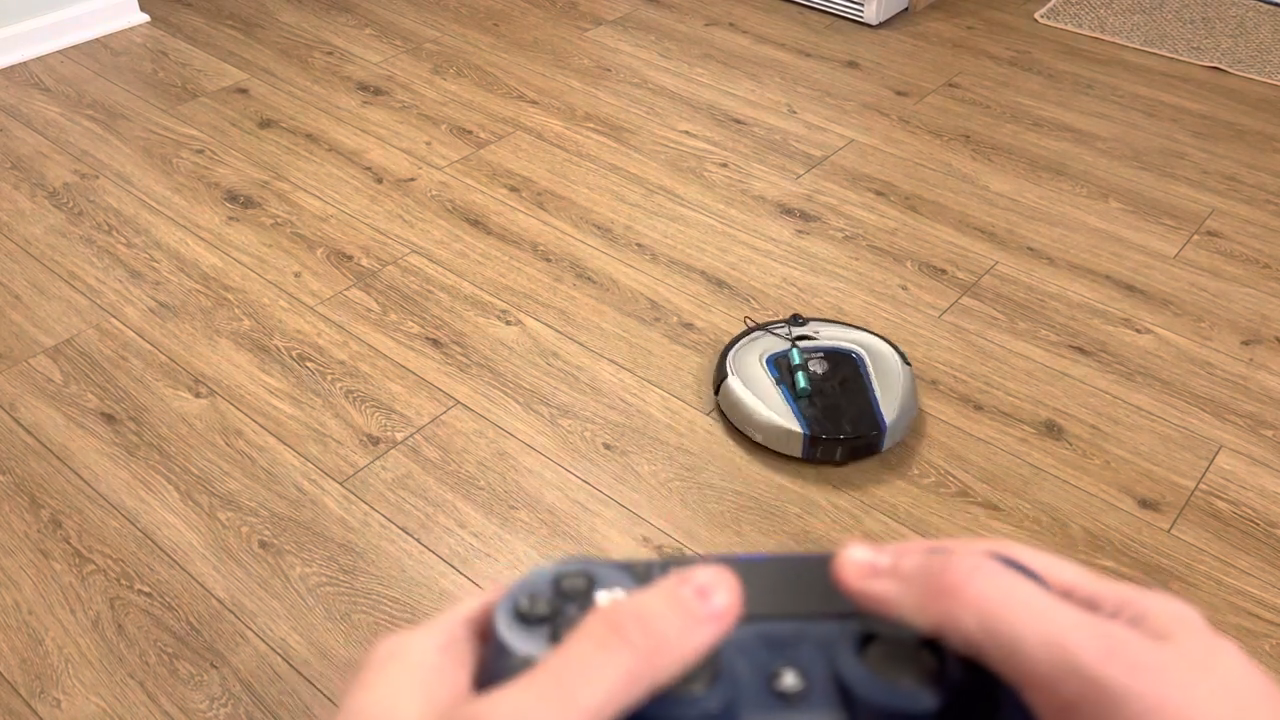
Every home has one: that retired robot vacuum tucked in a closet like a former employee who still knows where the good snacks are hidden. Maybe the battery got weak. Maybe the mapping became more “abstract art” than floor plan. Maybe it started head-butting chair legs with the confidence of a goat in a tuxedo. Whatever the reason, it got replaced by a shinier, smarter model and sentenced to a dusty shelf.
But here’s the twist: an old robotic vacuum is still a robot. And robots, even tired ones, are hard to keep down. That is exactly why the idea behind Old Robotic Vacuum Gets A New RC Lease On Life is so compelling. Instead of treating an aging robovac like obsolete clutter, the better move is to see it for what it really is: a low-slung mobile platform packed with motors, wheels, sensors, a charging system, and just enough stubbornness to be interesting.
In other words, yesterday’s mediocre cleaner can become today’s gloriously weird RC project.
Why an Old Robot Vacuum Is a Great DIY Starting Point
At first glance, converting a robotic vacuum into an RC machine sounds backwards. These gadgets were designed to drive themselves, after all. Why replace autonomy with manual control? Because old hardware has a second life that often makes more sense than chasing a perfect repair.
A used robot vacuum already solves a bunch of annoying engineering problems. It has a compact drive base, integrated wheels, a chassis with a very low center of gravity, battery power, a bumper system, and often cliff sensors that were originally designed to keep it from tumbling down stairs. Newer machines may also have mapping sensors, cameras, or LiDAR. Even cheaper models are basically small ground robots disguised as housekeeping tools. That makes them perfect for experimentation.
Building a remote-controlled rover from scratch sounds cool until you start pricing motors, motor drivers, wheels, batteries, housings, and mounting hardware. Suddenly, the “simple weekend build” looks like a small grant proposal. An old robovac skips much of that cost. The shell, motion system, and power layout are already there. All you have to do is decide how weird you want to get.
And weird, in this case, is a compliment.
The Project That Makes the Title So Good
The title points to a clever maker-style idea: take an old robotic vacuum and give it radio control. That flips the usual logic of robovacs on its head. Instead of letting the machine wander around the living room making “smart” decisions that somehow still miss the one visible crumb by the sofa, you take the wheel.
That kind of conversion is appealing for a few reasons. First, it is practical. Yard-sale robot vacuums are often cheap because buyers assume they are either broken, outdated, or not worth the effort. Second, it is educational. A robovac is a friendly way to learn about drive systems, battery care, sensors, embedded control, and troubleshooting. Third, it is fun. There is something deeply satisfying about steering a former floor servant like a tiny moon rover across your kitchen.
It also helps that old robot vacuums tend to be robust in the most important ways. They were built to bump into furniture, transition across floor materials, and crawl under tables without panicking. That makes them better project candidates than many fragile consumer gadgets. Their cleaning days may be behind them, but their mobility platform still has plenty of mileage left.
What’s Inside an Aging Robovac That Still Matters
Drive Motors and Wheel Assemblies
The real treasure is the drivetrain. Robot vacuums are designed for controlled, repeatable motion across hardwood, tile, rugs, and all the mysterious crumbs of modern life. That means the wheel motors are usually dependable and the chassis is already balanced for movement. In an RC conversion, that is half the battle won before lunch.
Battery and Charging Hardware
Even when the original battery is tired, the power system still tells you a lot about the platform. Some units only need a battery refresh to feel alive again. Others are better treated as bench-powered project platforms until a replacement pack makes sense. Either way, the charging contacts, dock logic, and power routing are valuable clues for a rebuild or repurpose.
Sensors, Bumpers, and Brains
Many robot vacuums include cliff sensors, dock-finding sensors, wall-following behavior, bump detection, and wheel encoders. Newer models add mapping hardware such as LiDAR or cameras. Even if you do not preserve every original “smart” feature, those parts can inspire future upgrades. Today’s RC project can become tomorrow’s autonomous room mapper, telepresence bot, or test mule for hobby robotics.
The Vacuum Side of the Vacuum
Do not overlook the suction system. Even if your upgraded machine is more about movement than cleaning, keeping some of the vacuum hardware intact adds personality and function. There is something hilarious and oddly noble about a machine that can still pick up dust while being driven like a tiny rally car.
Repair Before Repurpose? Sometimes, Yes
Not every old robotic vacuum needs a dramatic career change. Sometimes it just needs maintenance, and frankly, many robovacs spend their “retirement” being blamed for problems that are mostly lint-related. Dirty filters, tangled brushes, clogged wheels, dusty cliff sensors, and grimy charging contacts can make a machine act far more broken than it really is.
If your old unit runs for short periods, misses areas, spins in circles, refuses to dock, or throws navigation fits, the usual suspects are surprisingly boring. The brushes may be wrapped in hair. The wheels may have debris packed into the axles. The sensors may be coated with dust. The battery may have lost capacity. These are not glamorous failures, but they are common ones.
That matters for this topic because the best RC conversions often begin with a simple truth: the machine does not have to be perfect, just functional enough. You are not restoring a museum piece. You are rescuing a capable little robot from a future of being e-waste with a personality disorder.
Why Modern Robot Vacuum Tech Makes Old Models More Interesting
Recent robot vacuums have become much better at navigation, object avoidance, self-emptying, and room mapping. Many premium models now use LiDAR, camera systems, AI-powered obstacle detection, or combinations of all three. Some can generate editable floor maps, recognize rooms, avoid cables, and return to base with the confidence of a commuter who knows exactly where the coffee shop is.
Ironically, that progress makes older units more appealing for DIY work. Why? Because the gap between “latest smart appliance” and “perfect hacker platform” is wide. Newer bots are often more locked down, more cloud-dependent, and more expensive to experiment with. Old models are cheaper, easier to open, and emotionally easier to tinker with. Nobody wants to void a pricey current flagship. A retired vacuum from a closet? That thing is practically asking for a second act.
There is also a philosophical appeal here. The old-school robovac is a reminder that robotics does not have to mean surveillance, subscriptions, or app ecosystems with seventeen menu layers. Sometimes a useful robot is just a wheeled machine that moves when you tell it to move. Revolutionary? No. Refreshing? Absolutely.
The Privacy Angle Nobody Should Ignore
Repurposing an old robot vacuum can be surprisingly attractive from a privacy standpoint too. Modern connected models may collect maps, rely on apps, or include onboard cameras for navigation and remote viewing. That can be convenient, but it also raises understandable concerns. A machine that roams your house knows a lot about your home layout, furniture placement, and daily routines. If it has a camera or microphone, the stakes go higher fast.
An older robot vacuum, especially one stripped back for hobby use or disconnected from cloud features, can feel like a more honest machine. It does one job. It drives around. It maybe vacuums a little. It does not need to know where your couch lives on the internet.
That does not make every old robovac magically secure, but it does reinforce the charm of local control. Manual RC operation may sound less advanced than app-driven autonomy, yet it has a certain purity: you control the bot, and the bot does not secretly audition for a surveillance startup.
How to Think About the Conversion
Option 1: Keep It Simple
The easiest route is to treat the old robovac like a mobile base. Restore power, confirm the drivetrain works, and add a straightforward RC control method. The goal is not to build the world’s most advanced domestic rover. The goal is to make the thing move reliably and enjoy the process.
Option 2: Keep Some Cleaning Function
For extra charm, preserve the side brush or suction motor. That turns the project from “RC platform” into “chaotic but useful cleaning gremlin.” It may not outperform a new robot vacuum, but it will have something many premium models lack: character.
Option 3: Use RC as the First Step
RC control does not have to be the end state. It can be the debugging stage. Once you can drive the robot manually, you learn how it handles thresholds, where it gets stuck, how much torque the wheels really have, and whether the chassis can support future sensors or modules. In other words, RC mode becomes field testing for bigger ideas.
What This Says About Repair Culture
There is a bigger story behind Old Robotic Vacuum Gets A New RC Lease On Life, and it is not just about one machine. It is about the mindset shift from disposal to reinvention. Consumer tech often teaches us to think in two options only: buy new or throw out. But old electronics frequently contain durable subsystems that outlast their original role.
A robotic vacuum is a perfect example. Its software may age. Its app may become annoying. Its battery may sag. Its brushes may look like they fought a losing battle with three long-haired cats. But the platform still holds value. When you repurpose it, you are doing more than saving money. You are extending the useful life of a complex product that already required materials, manufacturing, shipping, and energy to exist in the first place.
That is what makes this kind of project so satisfying. It is funny. It is practical. It is creative. And beneath the jokes about rebellious appliances, it is a very real lesson in repair-minded thinking.
Who Should Try This Idea?
This idea works especially well for tinkerers, students, hobby roboticists, and curious homeowners who have an old robot vacuum sitting around like an ex-employee with good references. You do not need a lab coat, a startup pitch deck, or a robot butler accent. You just need a platform that still has some life in it and the willingness to see old hardware differently.
It also appeals to people who are tired of disposable tech culture. There is joy in taking a machine that was written off and turning it into something delightful again. Not everything has to return to factory condition to be worth saving. Sometimes a new purpose is better than the original one.
Final Thoughts: The Comeback Nobody Saw Coming
Robot vacuums were built to work quietly in the background, collecting dust and receiving very little gratitude. So there is poetic justice in giving an old one a louder, stranger encore. A forgotten robovac can become an RC rover, a conversation piece, a learning platform, a test bed, or a gloriously overqualified way to chase crumbs under a coffee table.
Old Robotic Vacuum Gets A New RC Lease On Life is a great title because it captures exactly what makes the idea so fun: it is part repair story, part maker project, part rebellion against planned obsolescence. And maybe that is the best lesson here. A machine does not have to remain what it was sold to be. Sometimes the second life is the interesting one.
So yes, your old robot vacuum might be retired from regular floor duty. But retired is not the same thing as finished. Sometimes it just means waiting for a radio controller, a little imagination, and one more chance to roam.
500 More Words: What the Experience Actually Feels Like
There is a difference between reading about an old robotic vacuum conversion and actually living with one. On paper, it sounds like a tidy little DIY story: salvage old hardware, restore motion, add control, smile at your own cleverness. In practice, the experience is much more entertaining. It feels less like owning an appliance and more like adopting a tiny mechanical roommate with questionable judgment.
The first surprise is how familiar the machine still feels, even after its job changes. The same round body that once bumped around the kitchen in automatic mode suddenly feels different when you are the one driving it. You notice its weight. You notice the way it pivots. You learn that one threshold in the hallway is apparently its personal Everest. It stops being “the old vacuum” and starts becoming a machine with habits.
That is part of the charm. Old robot vacuums are not blank platforms. They carry the design logic of consumer robotics with them. They were built to survive furniture collisions, wander under beds, and rescue themselves from small household embarrassments. When you bring one back to life, those traits become part of the fun. It scoots under a chair and emerges like it just completed a tactical mission. It bumps a table leg and keeps going with the emotional resilience of a shopping cart.
There is also a satisfying emotional payoff in hearing an old machine work again. Even a tired suction motor or a slightly grumbly wheel assembly can sound triumphant when you know the alternative was the recycling pile. The robot does not need to be perfect to be lovable. In fact, a little imperfection helps. A revived robovac with a scarred bumper and a stubborn turn radius has more personality than a factory-fresh device that arrives in a box acting like it invented floors.
Then there is the social side. Guests notice. Kids notice. Pets definitely notice. An old robotic vacuum that now moves on command becomes an instant conversation starter. People laugh, then ask questions, then start thinking about the dead gadgets in their own closets. That reaction matters because reuse becomes contagious when it is visible. One silly RC vacuum can make people reconsider what “broken” really means.
Most of all, the experience changes how you look at technology. You stop seeing consumer electronics as sealed destinies and start seeing them as collections of useful parts, design choices, and possible futures. That old vacuum may never become the smartest machine in the house, and that is fine. Its value is no longer measured only by how well it cleans. It is measured by what it taught you, how much waste it avoided, and how much delight it brought back into a piece of tired hardware.
That is the real lease on life. Not just movement, not just control, and not just one more cleaning run. It is the shift from passive ownership to active imagination. And once you experience that, it gets very hard to look at old tech the same way again.