For years, “large format” sounded like something whispered reverently in darkrooms, museum archives, and the corners of camera stores where tripods are treated like furniture. Then, almost overnight, the phrase marched confidently into the world of video. Suddenly, wedding filmmakers, commercial shooters, YouTubers, documentary crews, and cinema nerds were asking the same question: Large format… videography?
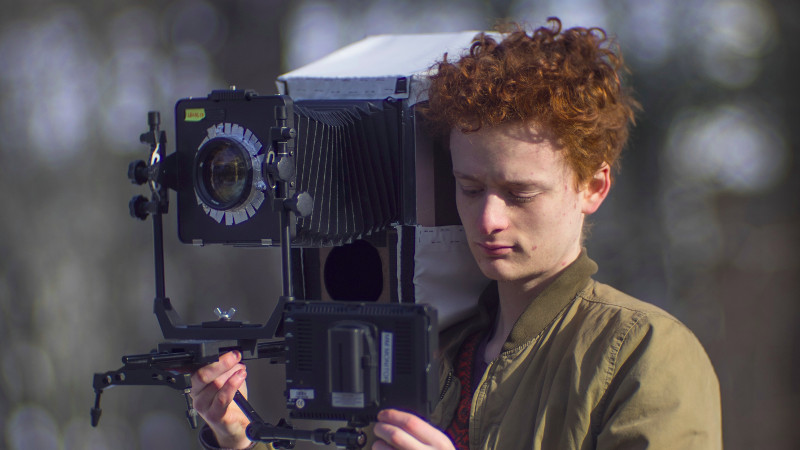
Yes. And no, it does not mean strapping a wooden 4×5 camera to a gimbal and praying to the autofocus gods. In modern video production, large format usually refers to digital sensors bigger than traditional Super 35mm cinema sensors, including full-frame, VistaVision-style, 65mm digital cinema, and even medium-format-inspired systems. The result can be a wider field of view, shallower depth of field, smoother tonal transitions, higher resolution, stronger low-light potential, and a look that feels expensive even before the invoice arrives.
But large format videography is not magic. It is a tool. Like a very sharp chef’s knife, it can make beautiful work easieror slice your production schedule into tiny emotional cubes. This guide breaks down what large format video really means, why filmmakers care, where it shines, where it gets annoying, and how to use it without turning every shot into a blurry background appreciation festival.
What Does “Large Format” Mean in Videography?
In cinema language, “large format” generally means any capture format larger than Super 35mm, the longtime standard for narrative filmmaking. Full-frame sensors, which are roughly 36 x 24mm, are larger than Super 35mm and have become the most accessible version of large format for video creators. Cameras such as the Sony VENICE, Canon EOS C400, Blackmagic PYXIS 6K, RED V-RAPTOR 8K VV, ARRI ALEXA LF, and many hybrid mirrorless cameras have made full-frame video a practical option rather than a rental-house fantasy.
Then there are even larger systems. ARRI’s ALEXA 65, Panavision’s DXL2, and Fujifilm’s GFX100 II push into bigger imaging territory. The Fujifilm GFX100 II, for example, is best known as a medium-format stills camera, but it also offers serious video features, including 8K RAW output options through compatible external recorders. That would have sounded delightfully absurd not long ago. Today, it is simply another sign that photography and cinematography are having a very dramatic family reunion.
Why Filmmakers Are Obsessed With Bigger Sensors
The first reason is simple: image character. Large format video often gives footage a spacious, dimensional quality. Wide shots can feel immersive without using extremely wide lenses. Close-ups can look intimate without flattening faces into passport-photo sadness. Backgrounds can fall away gently, giving the subject more separation and emotional presence.
The second reason is flexibility. Large sensors often provide high resolution, which helps with reframing, stabilization, vertical cutdowns, and delivery in multiple aspect ratios. A commercial shot in 6K or 8K can become a horizontal ad, a vertical social clip, a square feed post, and a client’s “one more version, just super quick” request without instantly falling apart.
The third reason is low-light performance. Bigger sensors can collect more light depending on pixel design, resolution, and processing. This does not mean every large format camera sees in the dark like a raccoon with a cinema degree, but it can give shooters cleaner shadows and more breathing room when lighting is limited.
The Large Format Look: Real, Misunderstood, and Slightly Overmarketed
Let’s be honest: camera marketing loves a good mystical phrase. “The large format look” can sometimes sound like a secret sauce made from velvet, moonlight, and a $30,000 lens package. In reality, the look comes from a combination of sensor size, lens choice, subject distance, aperture, perspective, lighting, resolution, and color science.
One major difference is field of view. On a larger sensor, a 35mm lens sees wider than it would on a Super 35mm sensor. To get the same framing from the same camera position, you may use a longer focal length on large format. That longer focal length, combined with similar aperture and distance, can create shallower depth of field. Translation: the background gets creamier, the focus puller gets sweatier, and your client says, “Wow, it looks cinematic.”
However, perspective is still controlled by camera position, not sensor size. If you stand in the same place, the spatial relationship between foreground and background does not magically change because your sensor had a growth spurt. What changes is the lens you choose to achieve a certain framing, and that affects depth of field and rendering.
Large Format vs. Super 35: Which Is Better?
Neither is automatically better. That answer may disappoint people who want gear decisions to be settled like superhero battles, but cinematography is annoyingly mature that way.
Super 35 Strengths
Super 35 remains beloved because it is practical, familiar, and supported by decades of cinema lens design. It often offers deeper depth of field at matching fields of view, which can be helpful for handheld documentaries, fast-moving events, action scenes, and solo operators. Many classic films were shot on formats close to Super 35, so calling it outdated is like calling the guitar outdated because synthesizers exist.
Large Format Strengths
Large format excels when you want width, intimacy, high resolution, and subject separation. It can make small rooms feel less cramped, close-ups feel luxurious, and landscapes feel grand without relying on aggressive lens distortion. For branded content, luxury products, fashion films, architecture videos, music videos, interviews, and cinematic wedding films, large format can deliver an upscale visual signature.
The Practical Difference
Super 35 often makes production easier. Large format often makes images feel more expansive. The right choice depends on the story, crew size, budget, delivery format, lens availability, and how much focus stress everyone can handle before lunch.
Popular Large Format Video Cameras and What They Represent
The large format video world now includes everything from elite cinema systems to compact hybrid cameras. At the top end, the ARRI ALEXA 65 and Panavision DXL2 represent premium large-format cinema production. These systems are used when image quality, lens character, and production scale are more important than portability or price. Nobody casually tosses an ALEXA 65 into a backpack next to a granola bar.
In the high-end but more field-friendly category, cameras like the Sony VENICE 2, Sony BURANO, RED V-RAPTOR 8K VV, and ARRI ALEXA LF offer full-frame or larger-than-Super-35 capture for professional crews. These cameras bring large format into commercials, features, documentaries, and virtual production workflows.
Then come cameras that changed the conversation for smaller teams. Canon’s EOS C400 offers a compact 6K full-frame cinema body with professional recording options. Blackmagic’s PYXIS 6K brings a 36 x 24mm full-frame sensor and modular cinema design at a comparatively accessible price. Fujifilm’s GFX100 II stretches expectations by blending medium-format photography DNA with advanced video output. These cameras prove that large format videography is no longer reserved for crews wearing all black and speaking fluent LUT.
Where Large Format Videography Shines
Interviews and Corporate Films
Large format is wonderful for interviews because it can separate the subject from the background while preserving a natural, elegant field of view. A 50mm or 85mm lens on a full-frame camera can make a simple office conversation feel polished. Add thoughtful lighting, a clean background, and good audio, and suddenly the CFO looks like they are about to reveal the meaning of life instead of quarterly projections.
Wedding Films
Wedding videographers love large format because it flatters people and makes real locations feel cinematic. Shallow depth of field can turn a chaotic reception hall into soft bokeh soup, which is useful when the DJ’s lighting rig is committing crimes against color theory. Full-frame cameras also help in low light, especially during receptions, candlelit ceremonies, and dance floors where exposure changes faster than family seating politics.
Real Estate and Architecture
Large sensors are helpful for interiors because they offer wider fields of view without forcing every shot into distorted ultra-wide territory. A full-frame camera paired with a quality wide lens can make a kitchen, lobby, or hotel suite feel open while keeping lines cleaner. For architecture videography, that balance matters.
Commercial and Product Video
For product work, large format can make objects feel premium. Watches, skincare bottles, cars, furniture, coffee machines, and tech products all benefit from controlled depth, rich detail, and smooth highlight roll-off. If the product costs more than your monthly rent, large format politely understands the assignment.
The Hidden Challenges of Large Format Video
The most obvious challenge is focus. Shallow depth of field looks beautiful until the subject leans forward two inches and their eyelashes become the emotional lead of the scene. Autofocus has improved dramatically, but serious work still requires careful monitoring, stopping down when needed, and understanding that not every shot needs to be filmed at f/1.4.
Lens coverage is another issue. Not all lenses cover full-frame or larger sensors. Some Super 35 cinema lenses may vignette on full-frame cameras. Medium-format sensors demand even larger image circles. Before a shoot, test lenses at the intended resolution, sensor mode, and aperture. The time to discover black corners is not during the client’s hero shot.
Data is also a major consideration. Large format cameras often record high-resolution files in RAW, ProRes, X-OCN, REDCODE RAW, Blackmagic RAW, or other robust formats. These files are beautiful, flexible, and hungry. Storage, backup, editing hardware, media cards, and transfer speeds all become part of the budget. The footage may look like cinema, but the hard drives multiply like rabbits with firmware updates.
How to Shoot Better Large Format Video
Stop Down More Than You Think
Many new large format shooters open the aperture too far because they can. Resist the urge. Shooting at f/2.8, f/4, or even f/5.6 can still look cinematic on a larger sensor, especially with good lighting and thoughtful composition. Your viewers care more about emotional clarity than whether the background is dissolved into expensive fog.
Use Lens Choice Intentionally
Wide lenses on large format can feel immersive without looking comical. Longer lenses can create beautiful compression and separation. Vintage lenses can add texture, while modern lenses can preserve sharpness and contrast. The sensor is only half the story; the lens writes the accent.
Light for Shape, Not Just Exposure
Large format sensors may handle low light well, but that does not mean lighting is optional. Good lighting creates depth, contrast, skin tone, mood, and direction. A big sensor without good lighting is just a very expensive witness to a boring scene.
Plan for Post-Production
If you shoot 8K RAW, confirm that the editor, colorist, and storage system are ready. Use proxies when needed. Organize media carefully. Large format workflows can be smooth, but only if you respect the data pipeline. Otherwise, editing becomes a slideshow with emotional damage.
Is Large Format Videography Worth It for Beginners?
For beginners, large format can be inspiring but not essential. A full-frame camera may help with low light, shallow depth of field, and lens flexibility, but strong composition, lighting, sound, story, and editing matter more. A poorly framed large format shot is still poorly framed. It just has a more expensive blur.
If you are starting out, consider your type of work. For talking-head videos, weddings, music videos, and commercial content, full-frame can be a smart long-term investment. For run-and-gun documentaries, sports, travel vlogging, and budget filmmaking, Super 35, APS-C, or Micro Four Thirds may be easier, lighter, and cheaper. The best camera is not the biggest sensor; it is the one that lets you finish the project beautifully and on time.
Large Format Videography Experience: Lessons From the Field
After working with large format video, the first lesson is that the image can feel addictive. The combination of wide framing and soft separation makes ordinary scenes look more deliberate. A simple interview in a small room can suddenly feel spacious. A walking shot through a city street can hold both the subject and the environment with elegance. Large format gives you visual breathing room, and once you see it, it is hard not to smile at the monitor like you just discovered a secret menu item.
The second lesson is that focus discipline matters more than enthusiasm. On smaller formats, you can sometimes get away with imperfect habits. On large format, the camera notices everything. If the subject sways, if the operator moves slightly, if the lens is wide open, the focus plane can become unforgiving. The practical solution is simple: rehearse movement, use focus tools, stop down when necessary, and do not treat shallow depth of field as the only definition of cinematic beauty.
The third lesson is that large format changes how you choose locations. In cramped interiors, full-frame cameras can be a gift because they allow natural-looking wide shots without extreme distortion. But they also reveal more of the set. That means messy corners, bad wall art, tangled cables, exit signs, reflections, and suspicious office plants all become part of the composition unless you control the frame carefully. Bigger sensors can make spaces look better, but they also ask you to dress the space with more intention.
The fourth lesson is about lenses. Large format rewards lens testing. Some lenses look sharp and clinical; others bloom, flare, vignette, or soften at the edges. These traits can be beautiful or annoying depending on the project. A modern commercial may need clean detail and controlled contrast. A music video may benefit from vintage softness and character. A wedding film may need fast autofocus and reliable stabilization more than optical poetry. The best lens is not always the most expensive one. It is the one that supports the mood without creating problems in post.
The fifth lesson is that clients often notice the result, even if they cannot name the cause. They may not say, “Ah, yes, the full-frame sensor has produced a pleasing angle of view and subject separation.” They are more likely to say, “This looks like a movie,” which is less technical but much better for morale. Large format can make a brand film feel premium, a documentary interview feel intimate, and a product video feel polished.
Finally, large format videography teaches restraint. It is tempting to shoot every frame wide open, chase endless bokeh, and make the background disappear like it owes you money. But great video needs context. Sometimes the room matters. Sometimes the landscape matters. Sometimes the viewer needs to see the person’s hands, the product label, the architectural lines, or the crowd around the subject. Large format is most powerful when used with purpose. It should enhance the story, not distract from it.
Conclusion: Large Format Is a Look, a Workflow, and a Responsibility
Large format videography is no longer a strange luxury reserved for blockbuster sets. It is now part of everyday professional video production, from compact full-frame cinema cameras to high-end 65mm digital systems and medium-format hybrids. It offers beautiful subject separation, immersive framing, strong low-light potential, and rich detail. It can make interviews feel intimate, commercials feel premium, and weddings feel like memory with better color grading.
But it also requires discipline. Bigger sensors demand better focus control, thoughtful lens choices, larger storage plans, and a clearer understanding of depth of field. Used carelessly, large format becomes an expensive blur machine. Used well, it becomes a powerful storytelling tool.
So, large format… videography? Absolutely. Just bring enough media, test your lenses, stop down when needed, and remember: the sensor may be large, but the story still has to do the heavy lifting.