Body sugaring sounds a little like a dessert emergency, but it is actually one of the oldest hair-removal methods around. Instead of hot wax and a dramatic rip worthy of a reality show, sugaring uses a sticky paste that lifts hair from the root while being a bit kinder to the skin. The basic idea is simple: prep the area, work with clean and dry skin, apply the paste against the direction of hair growth, and remove it in the direction the hair grows. Easy in theory. Slightly humbling the first time in practice.
If you want smoother skin without turning your bathroom into a slapstick comedy set, this guide walks you through exactly how to use body sugaring paste in 14 practical steps. You will also learn what to avoid, how to calm your skin afterward, and what first-timers usually experience. Whether you are tackling legs, arms, underarms, or another body area, the right technique makes a huge difference.
What Is Body Sugaring Paste?
Body sugaring paste is a pliable hair-removal paste traditionally made from sugar, water, and a citrus ingredient such as lemon juice. Unlike many waxes, sugaring paste is usually used at room temperature or slightly warm rather than piping hot. That means less chance of feeling like you accidentally buttered yourself for baking.
The biggest difference between sugaring and waxing is technique. With sugaring, the paste is pressed onto the skin against the direction of hair growth and then flicked off in the direction of growth. That detail matters. Pulling with the natural direction of growth may help reduce breakage, irritation, and some of the drama that can come with hair removal.
Why People Like Sugaring
Many people choose sugaring because it can be gentler than traditional waxing, especially for those who get redness easily. It also doubles as a light exfoliating method because it helps remove surface debris while lifting hair. Results are not permanent, but because the hair is removed from the root, skin usually stays smoother longer than with shaving.
That said, “gentler” does not mean “careless.” You still need good prep, a smart technique, and solid aftercare. Otherwise, even a sweet-looking paste can leave you with irritation, sticky regret, and a strong urge to wear pants for three days.
How to Use Body Sugaring Paste: 14 Steps
-
Step 1: Make Sure Your Skin Is a Good Candidate Today
Do not sugar over sunburned skin, broken skin, cuts, rashes, active irritation, or areas that feel raw. If your skin is already angry, do not give it a new hobby. Also be careful if you use acne treatments, retinoids, or other strong exfoliating products on the area, because they can make skin more sensitive and easier to injure.
-
Step 2: Let the Hair Grow Out a Bit
Sugaring paste needs enough hair to grip. If you shaved yesterday and the area still feels like a smooth dolphin, wait. Visible regrowth helps the paste catch the hair more effectively. Hair that is too short can lead to repeated passes, while hair that is very long can make removal more uncomfortable. If needed, trim long hair so the area is easier to work with.
-
Step 3: Gently Clean the Area
Wash the skin to remove sweat, oil, lotion, deodorant residue, and everyday grime. Clean skin gives the paste a better chance to cling to hair instead of slipping around like it is late for a meeting. Use a gentle cleanser, then rinse well.
-
Step 4: Dry the Skin Completely
This step sounds boring, but it is secretly one of the most important. Sugaring and moisture are not best friends. Pat the skin thoroughly dry with a clean towel. If the area is naturally warm or humid, let it air-dry for a minute before you start. The less slick the surface, the better the paste will behave.
-
Step 5: Avoid Over-Exfoliating Right Beforehand
Light exfoliation can help before hair removal, but do not scrub your skin like you are sanding a table. If you want to exfoliate, do it gently ahead of time, not aggressively right before sugaring. Over-exfoliated skin is more likely to feel tender, sting, or become irritated afterward.
-
Step 6: Patch Test First
Before covering a larger area, test a small section. This lets you check your skin’s reaction and the paste consistency. If the skin becomes extremely red, swollen, or unusually painful, stop and rethink the plan. A patch test is the beauty version of reading the map before driving into a lake.
-
Step 7: Warm the Paste Only If Needed
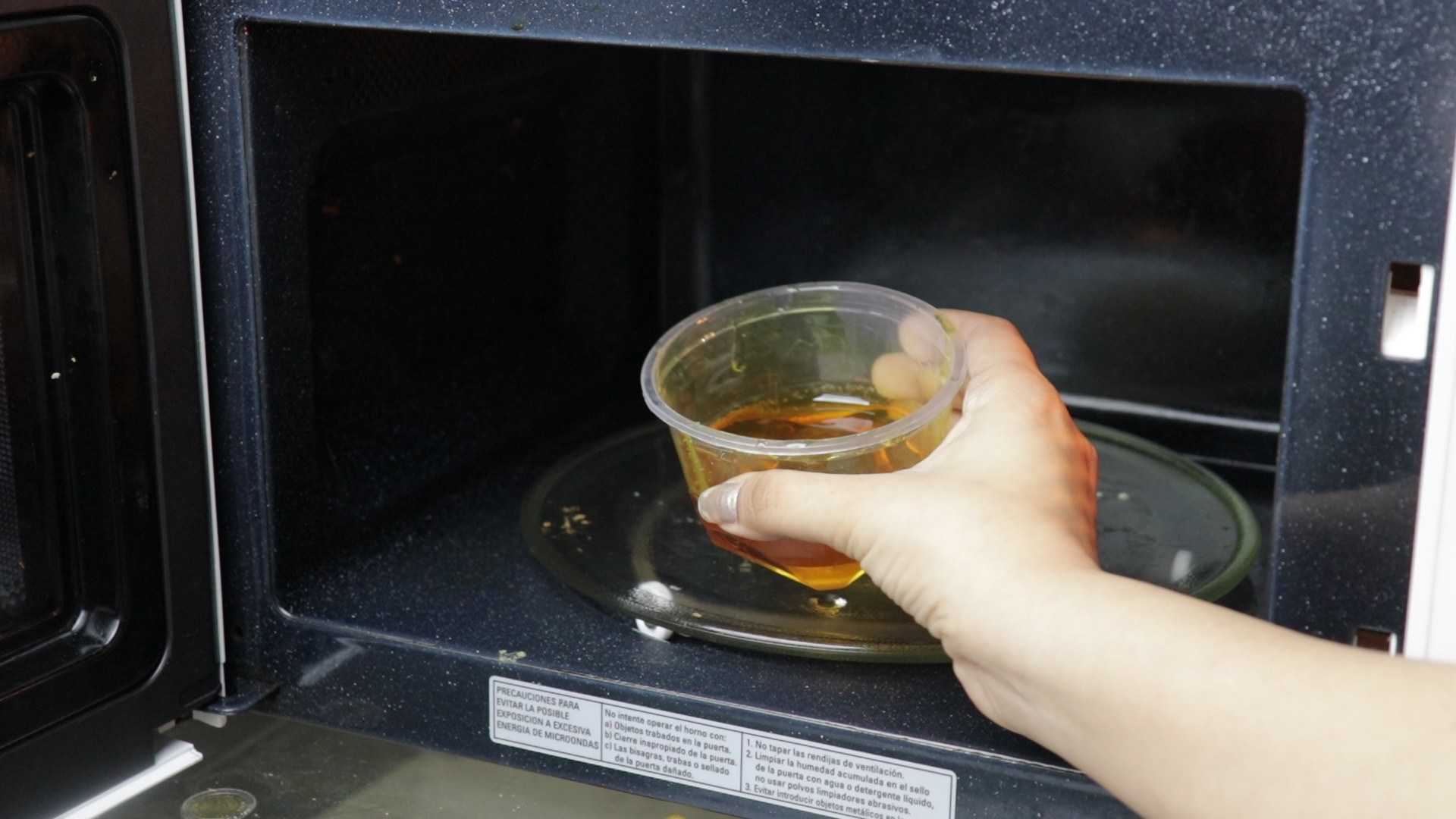
Some body sugaring paste is ready to use at room temperature. Others may need to be softened slightly by your hands or warmed according to the package directions. The goal is pliable, not molten. If the paste feels too runny, it may smear instead of gripping. If it is too stiff, knead it gently until workable.
-
Step 8: Scoop a Small Amount and Work in Small Sections
Take a modest amount of paste, about enough for a small patch of skin. Start with a section you can manage easily rather than trying to sugar half your leg in one heroic move. Smaller sections help you control the paste, the tension on the skin, and the direction of removal.
-
Step 9: Apply the Paste Against Hair Growth
Using your fingers or the method recommended on the product, spread the paste firmly against the direction of hair growth. This helps the paste wrap around the hairs. Press with purpose, but do not mash your skin into next week. A smooth, controlled application works better than a frantic one.
-
Step 10: Hold the Skin Taut
Use your free hand to keep the skin tight. This is not optional. Taut skin makes removal cleaner and can reduce tugging and discomfort. Loose skin tends to fight back, and not in a charming way. If you are working on curved areas, adjust your angle so the skin stays as flat as possible.
-
Step 11: Flick the Paste Off in the Direction of Hair Growth
This is the signature move. Remove the paste with a quick, controlled motion in the direction the hair grows, keeping your hand close and parallel to the skin rather than pulling straight up. Think “fast flick,” not “dramatic lift-off.” When the motion is low and controlled, you are more likely to remove hair cleanly and less likely to annoy your skin.
-
Step 12: Repeat Only Where Needed
Check the area and repeat on missed spots if necessary, but do not keep going over the same patch endlessly. A few missed hairs are not a personal failure. Repeated passes can increase irritation. If a stubborn section refuses to cooperate, move on and come back later instead of declaring war on one tiny patch of skin.
-
Step 13: Remove Residue and Soothe the Skin
Any leftover sugaring paste usually rinses away with water, which is one of its nicer personality traits. Once the skin is clean, apply a simple, fragrance-free moisturizer, aloe gel, or another gentle soothing product. The idea is to calm the skin, not bombard it with perfume, acids, or ten-step skincare ambition.
-
Step 14: Follow Smart Aftercare for the Next 24 to 48 Hours
For the first day or two, baby the area a little. Skip hot showers, saunas, heavy sweating, harsh exfoliants, and heavily fragranced lotions if your skin feels sensitive. Wear loose clothing to reduce friction. After a day or two, gentle exfoliation and regular moisturizing can help reduce the risk of ingrown hairs and keep the skin feeling smooth.
Common Mistakes to Avoid
Using sugaring paste on irritated skin
If the area is sunburned, broken out, scraped, or actively inflamed, wait. Hair removal on compromised skin is a fast track to more irritation.
Ignoring skin care products
Retinoids, retinol, benzoyl peroxide, and strong exfoliating acids can make skin more fragile. If you use active skin care on the area, be extra cautious and check product directions or professional advice before sugaring.
Trying to remove too much hair at once
Bigger sections are not always better. Small sections give you more control and usually better results.
Pulling upward instead of along the skin
A low, parallel flick works better than lifting straight up. Straight-up pulling can make the process feel rougher and less effective.
Doing too many passes
If a section is not cooperating, stop before your skin starts sending complaint letters. Overworking one area is one of the easiest ways to end up red and irritated.
What Results Should You Expect?
Immediately after sugaring, the skin may look a little pink. That is common. Many people notice smoother skin right away because the process removes hair and lightly exfoliates the surface. Over the next day, the skin usually settles down, especially if you keep aftercare simple and gentle.
Regrowth varies from person to person. Some people feel stubble returning sooner, while others enjoy smooth skin for longer. Consistent technique, good aftercare, and not switching back and forth between shaving and sugaring can help make the process feel easier over time.
When to Pause and Ask a Professional
If you keep getting significant irritation, skin lifting, persistent bumps, or frequent ingrown hairs, it may be time to consult a dermatologist or an experienced sugaring professional. That is also smart if you have a skin condition, are using prescription topical treatments, or are not sure whether your skin can handle hair removal safely. There is no trophy for doing everything yourself in the bathroom mirror.
Real-Life Experiences With Body Sugaring Paste
The first time most people use body sugaring paste, they expect one of two things: either a magical spa-like transformation or a sticky disaster that ends with scissors and an emotional support towel. The truth usually lands somewhere in the middle. A typical beginner experience starts with curiosity, followed by confidence, followed by the sudden realization that hair does, in fact, have opinions.
One common first-timer experience is underestimating the importance of skin prep. People often jump in too fast, especially if they have watched a short video that made sugaring look as easy as frosting a cupcake. Then the paste slips, sticks to everything except the hair, and the user discovers the life-changing value of clean, dry skin. The second attempt, done more carefully, usually goes much better. That is the pattern: less swagger, more method.
Another frequent experience is being surprised by the technique itself. Waxing has trained many people to think “apply one way, rip the other.” Sugaring flips that expectation. New users often have a moment where their brain says one thing and their hands do another. Once they learn to apply against growth and flick off with growth, the process starts to click. The movement becomes less awkward and more efficient. Not graceful, exactly, but definitely less like an improv performance.
Pain is another area where experiences differ. Some people say sugaring feels more tolerable than waxing, while others say it still hurts, just in a different way. A lot depends on the body area, hair thickness, and whether it is your first session after months of shaving. Underarms can feel dramatic. Legs may feel more manageable. A person with finer hair may breeze through the process, while someone with coarse regrowth may pause halfway through and renegotiate all their life choices.
There is also the oddly satisfying moment when everything works. The paste grips, the flick is clean, and a section of skin comes out smooth with no sticky chaos. That moment turns many skeptics into believers. You start thinking, “Oh, this is why people do this.” Then you hit a tricky patch around a curve or a dense area of hair and return instantly to humility. Sugaring has a way of keeping confidence at a healthy level.
Over time, experienced users often report that the process becomes easier because they understand their hair pattern, know how much paste to use, and recognize when to stop before overworking an area. They also tend to get better at aftercare, which makes a huge difference in comfort. Loose clothes, gentle moisturizer, and resisting the urge to poke at every tiny bump can be the difference between a smooth recovery and a week of regret.
In the end, real-world sugaring is not about perfection. It is about learning a skill, being patient with your skin, and accepting that your first session may be more educational than elegant. The good news is that once you understand the rhythm, body sugaring paste can become a practical, budget-friendly, and surprisingly satisfying part of your grooming routine.
Final Thoughts
Learning how to use body sugaring paste is part technique, part patience, and part not panicking when your fingers get sticky. If you prep the skin properly, work in small sections, remove the paste in the direction of hair growth, and keep aftercare gentle, you can get smoother results with less frustration. The first session may not look like a commercial, but that is fine. Most useful skills begin with at least one moment of confusion and a mildly offended bathroom mirror.
Body sugaring is not magic, but it can be a smart hair-removal option for people who want something different from shaving or traditional waxing. Respect your skin, pay attention to how it reacts, and keep your expectations realistic. Smooth skin is great. Smooth skin without unnecessary irritation is even better.