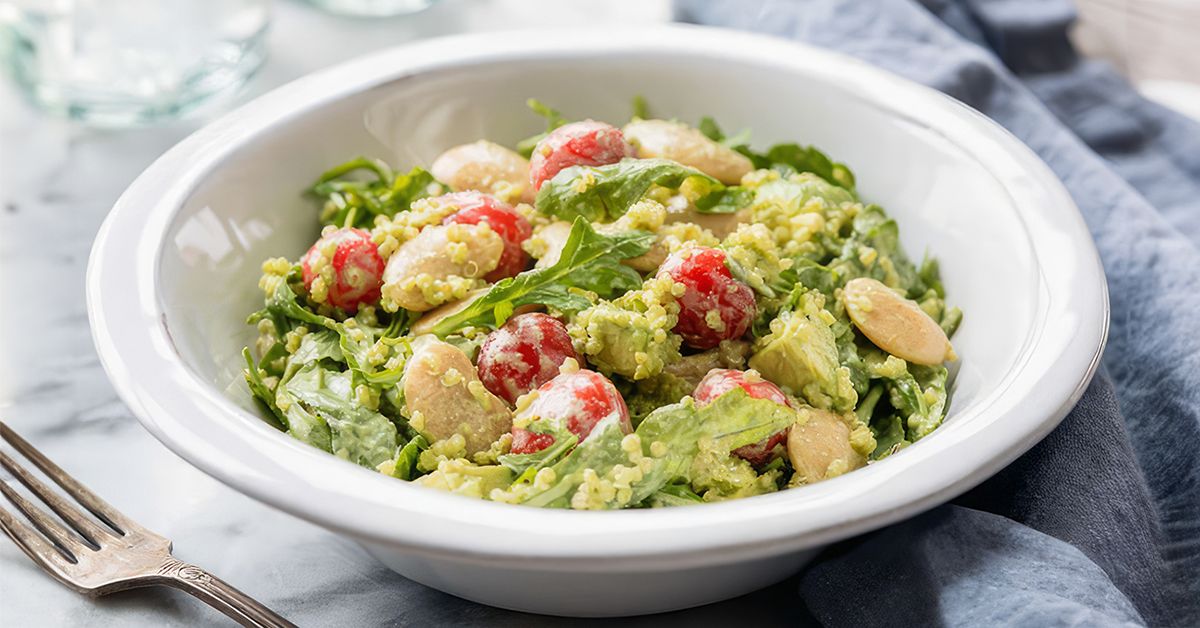
Some lunches are tragically forgettable. You eat them, nod politely, and move on with your life. Green Goddess Quinoa Salad Bowls are not those lunches. These bowls are bright, crunchy, creamy, filling, and just smug enough to make your takeout app feel personally attacked. Built on fluffy quinoa and loaded with herbs, crisp vegetables, and a luscious green goddess dressing, they hit that rare sweet spot between “healthy meal” and “actually exciting food.”
That balance is exactly why this style of grain bowl keeps showing up across trusted food and wellness sites. The recurring formula is simple: start with quinoa, add crunchy produce, layer in a creamy herb-forward dressing, and finish with a protein or texture booster such as chickpeas, shrimp, chicken, tofu, feta, seeds, or avocado. It is endlessly adaptable, easy to meal prep, and satisfying enough to stand on its own as lunch or dinner.
If you have ever wanted a salad that behaves more like a real meal and less like decorative rabbit confetti, this is your moment. Let’s break down what makes Green Goddess Quinoa Salad Bowls so good, how to build them well, and how to keep them from turning into a sad container of wet greens and broken promises.
What Is a Green Goddess Quinoa Salad Bowl?
A Green Goddess Quinoa Salad Bowl is a composed grain bowl built around cooked quinoa and tossed or drizzled with green goddess dressing. The “green goddess” part usually comes from a creamy dressing blended with fresh herbs such as parsley, chives, dill, basil, cilantro, or tarragon, plus lemon, garlic, and a creamy base. Depending on the recipe, that base may be Greek yogurt, mayo, sour cream, avocado, buttermilk, or a combination of a few of them.
The result is a bowl that tastes green in the best possible way: fresh, lemony, savory, and just a little luxurious. It is not trying to be a plain side salad. It is trying to be the main character.
Quinoa makes an especially smart base because it has a light, fluffy texture, mild nutty flavor, and enough substance to hold up under creamy dressing. It also pairs well with crunchy vegetables, roasted vegetables, soft add-ins like avocado, and proteins ranging from chickpeas to shrimp. In other words, quinoa is the friend who gets along with everybody.
Why Quinoa Works So Well in Salad Bowls
Quinoa earns its place in the bowl for more than trend appeal. It is technically a seed but commonly used like a whole grain, and it brings practical benefits to the table. Cooked quinoa has a tender bite that does not get as heavy as pasta or as sticky as some rice bowls. That texture matters when you want a salad bowl to stay fresh, layered, and pleasant to eat even after sitting in the fridge.
It also has solid nutritional appeal. A cup of cooked quinoa provides roughly 8 grams of protein and about 5 grams of fiber, making it a more satisfying salad base than greens alone. It is naturally gluten-free and often described as a complete protein because it contains all nine essential amino acids. That does not mean your bowl suddenly becomes magical, but it does mean quinoa brings more staying power than many salad fillers.
Quinoa is also easy to season. Cook it in water for a neutral base, or use broth, bay leaves, citrus zest, or a pinch of salt to give it more flavor. Because the grains stay separate when cooked well, they catch dressing without turning into mush. That alone deserves applause.
Pro tip: rinse quinoa first
Many cooks still recommend rinsing quinoa before cooking, even when the package says it is pre-rinsed. That quick rinse helps remove any remaining saponins, the natural coating that can taste bitter or a little soapy. This tiny step takes less than a minute and can make a noticeable difference in flavor, which is a strong return on investment for something you do while half-awake in the kitchen.
The Secret to a Great Green Goddess Dressing
If quinoa is the structure of the bowl, the dressing is the charisma. A proper green goddess dressing should taste fresh, creamy, herbaceous, and bright. It should wake up the vegetables rather than bury them. The best versions feel rich without being heavy and sharp without stripping the enamel off your teeth.
There is no single official formula, but several ingredients appear again and again for good reason:
Fresh herbs
Parsley, chives, dill, basil, cilantro, and tarragon are common choices. A mix creates complexity, while one or two herbs can make the dressing simpler and more affordable. Tarragon adds classic anise notes. Dill leans cool and summery. Parsley gives body. Basil makes it a little softer and sweeter. Cilantro adds boldness.
Acid
Lemon juice is the usual star because it sharpens the herbs and brightens the entire bowl. Some versions include vinegar for extra tang. A good green goddess dressing should taste lively, not sleepy.
Creamy base
Greek yogurt is a favorite for a lighter, tangy version. Mayo gives body and that old-school creamy finish. Sour cream and buttermilk add richness and loosen the texture. Avocado creates a naturally green, velvety dressing that feels modern and especially good in plant-forward bowls.
Savory backbone
Garlic is almost always invited to the party. Some classic versions use anchovy or anchovy paste for deep umami. Capers can bring a salty pop. If you want the dressing vegetarian, you can skip the anchovy and lean on garlic, lemon, and herbs to keep it bold.
The best part is that green goddess dressing does double duty. It can dress the quinoa bowl, work as a dip for extra vegetables, or become a spread for wraps and sandwiches the next day. Leftovers are not a burden here. They are a victory lap.
How to Build the Best Green Goddess Quinoa Salad Bowls
The most appealing bowls combine contrast. You want cool and creamy, crisp and chewy, bright and savory. When every ingredient is soft, the bowl gets boring. When every ingredient is raw, it can feel aggressive. Balance is the goal.
1. Start with a well-cooked quinoa base
Let the quinoa cool slightly before assembling. Warm quinoa is fine, but piping hot quinoa can wilt delicate vegetables and thin the dressing too much. A room-temperature or lightly chilled base works especially well for meal prep.
2. Add crunchy vegetables
Cucumbers, cabbage, radishes, celery, snap peas, shredded romaine, arugula, or chopped kale all work beautifully. Crunch is part of the emotional support system of this bowl.
3. Include something creamy or rich
Avocado is the obvious favorite, but feta, soft goat cheese, or sliced boiled eggs also fit nicely. This element keeps the bowl from feeling too austere.
4. Add protein if you want a bigger meal
Chickpeas are easy and affordable. Grilled chicken works for a hearty lunch. Shrimp makes the bowl feel a little dressier. Tofu or edamame keeps it plant-based. Salmon also plays very well with herby dressings and quinoa.
5. Finish with texture and seasoning
Pumpkin seeds, sunflower seeds, pistachios, almonds, or crispy chickpeas add a final pop. A squeeze of lemon, flaky salt, and black pepper help the bowl taste finished rather than assembled in a hurry while standing over the sink.
Flavor Variations That Keep It Interesting
One reason Green Goddess Quinoa Salad Bowls work for repeat meals is that the structure is stable but the personality can change. Here are a few easy directions to take it:
Classic herb-and-veggie bowl
Quinoa, cucumbers, romaine, avocado, radishes, chickpeas, and a parsley-chive-dill dressing. This is the clean, bright, dependable version that never lets you down.
Protein-packed lunch bowl
Quinoa, shredded cabbage, carrots, grilled chicken, avocado, scallions, and a Greek yogurt-based green goddess dressing. This one is practical, filling, and ideal for lunch prep.
Coastal-style bowl
Quinoa, arugula, cucumbers, shrimp or salmon, feta, herbs, and a lemony dressing with dill. If your kitchen playlist includes songs that make you feel like you own linen pants, this is your bowl.
Plant-based creamy bowl
Quinoa, roasted broccoli, cabbage, cucumber, edamame, avocado-green goddess dressing, and toasted seeds. Rich, fresh, and completely satisfying without feeling heavy.
Roasted vegetable version
Quinoa, roasted asparagus, zucchini, green beans, or sweet potatoes, plus greens and dressing. This version works especially well when the weather is cooler and you want something warm but still fresh.
Meal Prep Tips That Actually Help
Green Goddess Quinoa Salad Bowls are excellent for meal prep, but they benefit from a little strategy. Dumping everything into one container and hoping for the best is how dreams get soggy.
Store components separately when possible
Keep the dressing in a small jar or container until serving. Store juicy vegetables away from leafy greens. Add avocado right before eating if you want the best color and texture.
Make extra dressing, but not too far ahead
Herb-based dressings are best when fresh. They can still taste good after a day or two, but their brightest flavor and color fade over time. A squeeze of extra lemon can help refresh leftovers.
Use sturdy vegetables for make-ahead bowls
Cabbage, carrots, snap peas, radishes, and cucumbers hold up better than tender spring mix. Arugula is delicious, but it is not always emotionally equipped for a three-day fridge stay.
Season each layer lightly
A pinch of salt on the quinoa and vegetables makes the whole bowl taste more balanced. Relying on dressing alone can leave the final result flat.
Common Mistakes to Avoid
Even a salad bowl this forgiving can go sideways. Here are the usual culprits:
Using bland quinoa
If the quinoa is under-seasoned, the whole bowl tastes less impressive. Salt the cooking water and fluff the grains well.
Making the dressing too thick
A dressing that behaves like green wallpaper paste is not helping. Thin it with lemon juice, water, or buttermilk until it drizzles easily.
Skipping acid
Without lemon or vinegar, the dressing can feel flat and heavy. Acid is what makes the herbs sparkle.
Overloading the bowl with too many ingredients
Yes, it is tempting. No, you do not need sixteen toppings. A focused bowl tastes smarter and photographs better.
Why This Bowl Works for Real Life
There is a reason bowls like this keep appearing in modern meal planning. They are flexible enough for different diets, easy to customize for family members, and practical for lunchboxes, weeknight dinners, and next-day leftovers. They also let you use what you already have: leftover quinoa, a half bunch of herbs, one lonely cucumber, a can of chickpeas, and a suspicious amount of parsley you bought with good intentions.
They also make healthy eating feel less like punishment. Instead of asking you to nibble on dry leaves and call it virtue, Green Goddess Quinoa Salad Bowls give you creaminess, crunch, richness, protein, freshness, and real flavor in one dish. That is a better bargain.
Experience: What Green Goddess Quinoa Salad Bowls Are Really Like to Eat and Live With
The first time you make one of these bowls well, it feels a little unfair to every boring desk lunch that came before it. You sit down expecting “healthy but fine,” and then the fork hits a perfect mix of fluffy quinoa, crisp cucumber, creamy avocado, sharp herbs, and lemony dressing. Suddenly lunch has texture, attitude, and a point of view. It is the kind of meal that makes you pause mid-bite and think, “So this is what I should have been doing all along instead of eating crackers over the keyboard.”
What stands out most in real life is how satisfying the bowl feels without becoming heavy. A sandwich can leave you sleepy. A plain salad can leave you scavenging for snacks an hour later. But a Green Goddess Quinoa Salad Bowl lands in the sweet middle. The quinoa gives it body, the vegetables keep it crisp, and the dressing makes everything taste intentional instead of accidental. It feels nourishing without feeling like a lecture.
These bowls also improve your relationship with leftovers. Cook a pot of quinoa once, and suddenly the next few meals become much easier. One day the bowl leans vegetarian with chickpeas and radishes. The next day it gets grilled chicken and shredded cabbage. By day three, you are tossing in roasted vegetables and pretending you planned the whole thing like a very organized person. It is meal prep for people who want structure but still need room for cravings and mild chaos.
There is also something deeply convenient about the dressing. Make a batch, and it pulls double or triple duty. It goes on the bowl, then on a sandwich, then as a dip for carrots or snap peas. It rescues plain ingredients from mediocrity. Cold chicken? Better. Leftover roasted broccoli? Better. Bowl of chopped vegetables you were not excited about? Now suddenly dressed and thriving.
Another real-world bonus is that the bowl can shift with the seasons. In summer, it feels cool, crunchy, and refreshing with cucumber, herbs, and lots of lemon. In colder months, it becomes a little cozier with roasted vegetables, sturdier greens, and warm quinoa. That flexibility helps it stay interesting instead of becoming a one-week obsession that burns out fast.
Most of all, Green Goddess Quinoa Salad Bowls feel like food you can actually keep eating. Not because they are trendy, photogenic, or blessed by the internet, but because they solve a practical problem: how to make a meal that is wholesome, flavorful, adaptable, and genuinely enjoyable. They are the kind of dish that fits into busy weeks, picky moods, and changing appetites. And once you find your favorite version, it becomes less of a recipe and more of a reliable habit. That is when you know it is a keeper.
Conclusion
Green Goddess Quinoa Salad Bowls work because they combine smart structure with big flavor. Quinoa brings substance, herbs bring freshness, the creamy dressing ties everything together, and the mix-ins let you shape the bowl to your appetite, budget, and schedule. Whether you go vegetarian, add seafood, pile on crunchy vegetables, or keep it simple with avocado and greens, the formula is forgiving and consistently delicious.
For a meal that looks vibrant, tastes fresh, and actually keeps you full, this bowl is hard to beat. It is proof that a healthy lunch does not have to be bland, joyless, or suspiciously beige. Sometimes all it takes is a good grain, a great dressing, and enough herbs to make your refrigerator look ambitious.