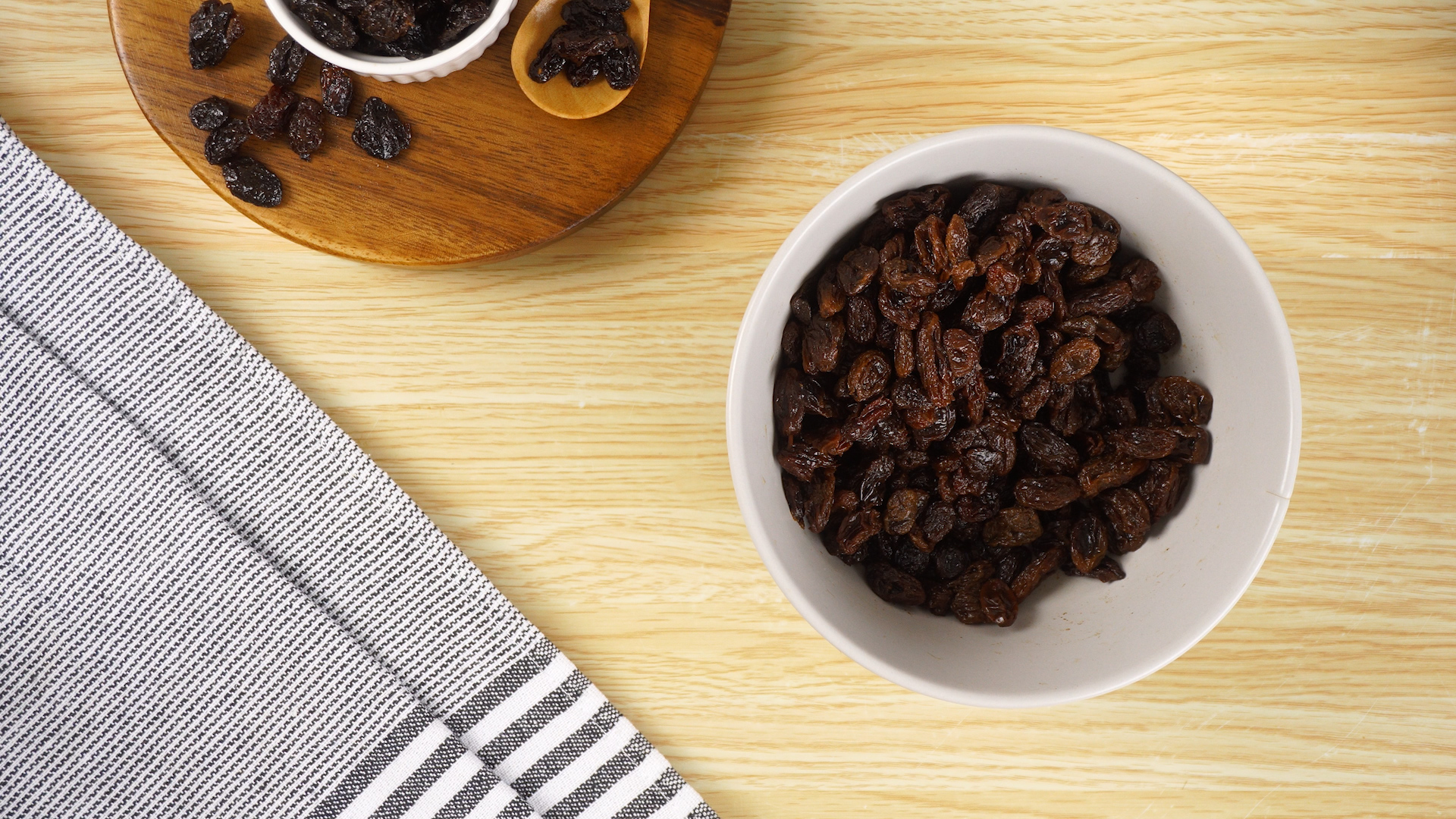
Raisins are tiny, wrinkly overachievers. They bring sweetness, chew, and old-school charm to everything from oatmeal cookies to rice pilaf, but let’s be honest: straight from the box, they can sometimes feel like nature’s pocket gravel. That is where learning how to plump raisins becomes a small kitchen trick with a surprisingly big payoff.
Plumping raisins simply means rehydrating them before you use them. A short soak in hot water, juice, tea, or even rum helps dried grapes absorb liquid, soften their texture, and become juicier. The result? Raisins that blend beautifully into baked goods, add pleasant bursts of sweetness to savory dishes, and stop stealing moisture from your dough, batter, or salad dressing like tiny pantry pirates.
The good news is that you do not need fancy equipment, chef credentials, or a dramatic apron toss. You need raisins, liquid, a bowl or saucepan, and a few minutes. Below are four reliable ways to plump raisins, plus tips for choosing the right liquid, avoiding mushy fruit, and using plumped raisins in real recipes.
Why Plump Raisins Before Cooking or Baking?
Raisins are dried grapes, which means most of their original water has been removed. That drying process concentrates their natural sugars and flavor, but it also makes them chewy, dense, and sometimes a little tough. When you soak raisins, they absorb moisture and soften. This makes them more pleasant to eat and more useful in recipes where texture matters.
In baking, plumped raisins can help protect the texture of the final product. Dry raisins may pull moisture from cookie dough, bread dough, muffin batter, or cake batter as they bake. That can leave the raisins chewy in the wrong way and the surrounding crumb slightly drier. Hydrated raisins are already softened, so they behave better in the oven.
In savory cooking, plump raisins add balance. A small handful can brighten grain salads, couscous, roasted vegetables, chicken dishes, stuffing, or spiced rice. When they are softened first, they taste more integrated and less like a surprise from the bottom of a lunchbox.
Before You Start: Quick Raisin Plumping Tips
Use Just Enough Liquid
You do not need a swimming pool. Place the raisins in a heatproof bowl and add enough liquid to cover them by about half an inch. Too much liquid can dilute flavor, especially if you plan to discard the soaking liquid.
Drain Well
After soaking, drain the raisins thoroughly. For baking, pat them dry with a paper towel if the recipe is sensitive to extra moisture, such as cookies, scones, or enriched bread dough.
Match the Liquid to the Recipe
Water is neutral and works almost anywhere. Orange juice is lovely in carrot cake, muffins, and salads. Apple cider fits stuffing and breakfast bakes. Tea is excellent for quick breads. Rum, brandy, bourbon, or whiskey can turn raisins into something that tastes suspiciously like dessert has a passport.
Do Not Over-Soak for No Reason
A short soak is usually enough. Raisins can become too soft if left too long in very hot liquid, especially if you want them to keep a bit of chew. For most everyday recipes, 5 to 20 minutes does the job.
Method 1: Plump Raisins with Hot Water
This is the simplest, fastest, and most versatile way to rehydrate raisins. Hot water softens them without adding extra flavor, so it is perfect when you want the raisins to taste like raisins and not like a cocktail party.
Best For
Oatmeal raisin cookies, cinnamon raisin bread, muffins, rice pudding, quick breads, granola bars, pancakes, and any recipe where you want a neutral flavor.
What You Need
- 1 cup raisins
- 1 to 1 1/2 cups very hot water or boiling water
- Heatproof bowl
- Fine-mesh strainer
Steps
- Place the raisins in a heatproof bowl.
- Pour very hot or boiling water over the raisins until covered.
- Let them sit for 10 to 15 minutes. For slightly dry raisins, 5 minutes may be enough. For older, tougher raisins, go closer to 15 minutes.
- Drain the raisins well.
- Pat dry if adding to dough, batter, or a low-moisture recipe.
Why It Works
Hot water quickly loosens the raisin’s concentrated sugars and allows moisture to move back into the fruit. The raisins swell slightly, soften, and become juicier. This method is especially handy because it does not compete with cinnamon, vanilla, citrus zest, chocolate, nuts, or other ingredients.
Pro Tip
If you are making yeast bread, let the soaking water cool completely before using it in the dough. Warm soaking water can carry a little raisin flavor, but hot liquid can harm yeast. Yeast is hardworking, but it is not invincible.
Method 2: Plump Raisins in Fruit Juice
Fruit juice adds moisture and flavor at the same time. This is a smart choice when raisins are part of a sweet or sweet-savory recipe. Instead of merely softening the raisins, you are giving them a flavor upgrade.
Best Juices to Use
- Orange juice for carrot cake, scones, muffins, and Mediterranean-style dishes
- Apple juice or apple cider for stuffing, oatmeal, quick breads, and fall desserts
- Pineapple juice for tropical cakes, banana bread, and breakfast bakes
- Cranberry juice for holiday breads, grain salads, and savory pork or poultry dishes
What You Need
- 1 cup raisins
- 1 cup fruit juice
- Small saucepan or microwave-safe bowl
- Strainer
Steps Using a Saucepan
- Add raisins and juice to a small saucepan.
- Warm over low heat until the juice is steaming but not aggressively boiling.
- Remove from heat.
- Cover and let sit for 10 to 20 minutes.
- Drain and use the raisins as directed.
Steps Using a Bowl
- Heat the juice until very warm.
- Pour it over the raisins in a heatproof bowl.
- Let stand for 10 to 15 minutes.
- Drain well before adding to your recipe.
Why It Works
Juice gives raisins a fuller flavor while restoring moisture. Orange juice makes raisins taste brighter and slightly tangy. Apple cider gives them cozy, autumnal depth. Pineapple juice adds tropical sweetness. This method works beautifully when raisins are not just an ingredient but a feature.
Use the Soaking Liquid
Do not automatically throw away the leftover juice. If it tastes good, use it. Stir a spoonful into glaze, oatmeal, salad dressing, cake batter, or a pan sauce. Just remember that it contains raisin sweetness, so adjust sugar or honey if needed.
Method 3: Plump Raisins in Tea or Coffee
Tea-soaked raisins are a classic move in fruit breads, tea cakes, and spiced baked goods. Strong black tea gives raisins a deep, mellow flavor without making the recipe taste boozy. Coffee can also work in chocolate desserts, mocha cakes, and darker spice cakes.
Best For
Irish-style tea bread, cinnamon rolls, spice cake, breakfast loaves, oatmeal, fruitcake, chocolate desserts, and recipes with warm spices like cinnamon, cloves, nutmeg, ginger, or allspice.
Best Teas to Try
- Black tea for traditional raisin breads
- Earl Grey for citrusy baked goods
- Chai for spice cakes, muffins, and oatmeal
- Green tea for lighter grain bowls or delicate sweets
- Herbal orange or apple tea for alcohol-free flavor
What You Need
- 1 cup raisins
- 1 cup freshly brewed strong tea or coffee
- Heatproof bowl
- Strainer
Steps
- Brew the tea or coffee stronger than you would normally drink it.
- Place raisins in a heatproof bowl.
- Pour the hot tea or coffee over the raisins.
- Cover and let sit for 15 minutes, or up to overnight for deeper flavor.
- Drain before using, unless your recipe specifically includes the soaking liquid.
Why It Works
Tea and coffee bring gentle bitterness, aroma, and complexity. Raisins are naturally sweet, so they benefit from liquids that add contrast. A strong black tea can make a simple raisin bread taste more rounded. Chai tea can make muffins taste like they arrived wearing a scarf and carrying a cinnamon stick.
Overnight Soaking Option
For fruit breads, soaking raisins overnight in cooled tea can produce a deeper flavor and softer texture. Cover the bowl and refrigerate if soaking for a long time. Drain well before mixing into dough or batter.
Method 4: Plump Raisins with Alcohol
Alcohol-soaked raisins are rich, aromatic, and perfect for desserts that deserve a little dramatic lighting. Rum is the classic choice, but brandy, bourbon, whiskey, orange liqueur, and even sweet wine can work beautifully.
Best For
Rum raisin banana bread, carrot cake, fruitcake, bread pudding, rice pudding, holiday cookies, ice cream toppings, baked apples, and rich spice desserts.
What You Need
- 1 cup raisins
- 1/2 to 1 cup rum, brandy, bourbon, whiskey, or liqueur
- Small jar or bowl with a lid
- Strainer, if needed
Quick Warm Alcohol Method
- Add raisins and alcohol to a small saucepan.
- Warm gently over low heat for 1 to 2 minutes. Do not boil hard.
- Remove from heat, cover, and let sit for 15 to 30 minutes.
- Drain if needed, saving the infused liquid for glaze, syrup, or cocktails.
Slow Soak Method
- Place raisins in a clean jar.
- Add enough alcohol to cover.
- Seal and let sit at room temperature for several hours or overnight.
- For stronger flavor, refrigerate and soak for one to two days.
- Drain before baking, or use both raisins and liquid if the recipe allows.
Why It Works
Alcohol extracts and carries flavor especially well. It also pairs naturally with raisins because both bring sweetness and depth. Rum gives a molasses-like warmth. Brandy adds fruitiness. Bourbon contributes vanilla and caramel notes. Orange liqueur makes raisins taste bright and dessert-ready.
Important Note
Alcohol-soaked raisins are not ideal for every audience. If you are cooking for children, guests avoiding alcohol, or anyone with dietary restrictions, use juice, tea, or hot water instead. You can still get delicious, plump raisins without turning the pantry into happy hour.
How Long Should You Soak Raisins?
The right soaking time depends on the liquid temperature and how dry the raisins are. Fresh, soft raisins may need only 5 minutes in hot water. Older raisins may need 15 to 20 minutes. For alcohol or cold liquid, give them more time because absorption happens more slowly.
| Method | Best Soaking Time | Flavor Level | Best Use |
|---|---|---|---|
| Hot water | 5 to 15 minutes | Neutral | Cookies, bread, muffins |
| Fruit juice | 10 to 20 minutes | Bright and sweet | Cakes, salads, stuffing |
| Tea or coffee | 15 minutes to overnight | Deep and aromatic | Tea bread, spice cake, oatmeal |
| Alcohol | 15 minutes to 2 days | Rich and bold | Fruitcake, banana bread, desserts |
Common Mistakes When Plumping Raisins
Using Too Much Liquid
Raisins only need enough liquid to cover them. If you drown them in too much water, you may wash away flavor. This matters most when you discard the soaking liquid.
Skipping the Drain
Wet raisins can change the texture of baked goods. Always drain them well. For cookies, scones, biscotti, and bread dough, pat them dry before mixing them in.
Boiling Them Aggressively
A gentle warm-up is fine, but hard boiling can make raisins too soft and may cause them to split. Think spa day, not wrestling match.
Choosing the Wrong Flavor
Rum-soaked raisins in banana bread? Excellent. Rum-soaked raisins in a lunchbox couscous salad for a school picnic? Maybe not your finest hour. Choose a soaking liquid that fits the final dish.
Forgetting About Sweetness
Raisins are already sweet, and juice or liqueur adds more sweetness. If you use sweet soaking liquid in a glaze, sauce, or batter, reduce other sweeteners slightly if needed.
Best Recipes for Plumped Raisins
Once you learn how to soften raisins, you may start looking for excuses to use them. Conveniently, the kitchen is full of opportunities.
Oatmeal Raisin Cookies
Soak raisins in hot water for 10 minutes, drain, and pat dry. The cookies will have softer, juicier raisins instead of dry chewy bits. Add cinnamon, nutmeg, and toasted walnuts for a classic cookie that tastes like it knows what it is doing.
Carrot Cake
Use orange juice or warm rum to plump golden raisins before folding them into carrot cake batter. The citrus or rum complements carrots, cinnamon, cream cheese frosting, and nuts.
Cinnamon Raisin Bread
Hot-water-soaked raisins are ideal for yeast bread. They stay tender and help prevent dry pockets in the loaf. Drain them thoroughly before kneading into the dough.
Rice Pilaf or Couscous
Use hot water, broth, orange juice, or lemon juice to soften raisins before adding them to grains. They pair beautifully with almonds, parsley, cinnamon, cumin, roasted carrots, and chicken.
Stuffing
Plump raisins in apple cider before adding them to holiday stuffing. They bring sweetness that balances herbs, onions, celery, sausage, mushrooms, or toasted bread cubes.
Rice Pudding
Soak raisins in warm milk, tea, or rum depending on the flavor you want. Add them near the end of cooking so they stay tender and distinct.
Can You Plump Raisins in the Microwave?
Yes. The microwave is a quick shortcut when you want soft raisins fast. Place raisins in a microwave-safe bowl, cover with water or another liquid, and microwave for 30 to 60 seconds. Let them sit for 5 to 10 minutes, then drain. This works especially well when you are already halfway through making muffins and suddenly remember your raisins are drier than a group chat after someone says, “We need to talk.”
Can You Store Plumped Raisins?
Yes, but plumped raisins are more perishable than dry raisins because they now contain extra moisture. Store drained plumped raisins in an airtight container in the refrigerator and use them within a few days. If they were soaked in alcohol, they may keep longer, but freshness and food safety still matter. When in doubt, smell, inspect, and do not gamble with suspicious fruit.
Experience Notes: What Plumping Raisins Teaches You in a Real Kitchen
The first time you plump raisins, it may feel like one of those tiny steps recipe writers include just to make your sink collect more bowls. Then you taste the difference, and suddenly the extra bowl seems less annoying. Dry raisins are fine for trail mix, but in baked goods and cooked dishes, plumped raisins feel more intentional. They become part of the recipe instead of little chewy interruptions.
In oatmeal raisin cookies, the difference is especially clear. Dry raisins can toughen during baking, particularly if the dough is thick or the cookies bake until crisp at the edges. When the raisins are soaked first, they stay tender. You bite into the cookie and get a soft burst of sweetness instead of a tiny jaw workout. This is also helpful if you like cookies with a chewy center because the fruit supports that softer texture.
For bread, plumping raisins can feel like a baker’s secret handshake. Cinnamon raisin bread, challah, soda bread, and tea loaves all benefit from hydrated fruit. Dry raisins can tug moisture from the dough, while soaked raisins are more cooperative. The key is to drain them well. If they are dripping wet, they can make dough sticky and harder to handle. A quick pat with a clean towel solves the problem.
Fruit juice soaking is one of the easiest ways to make simple food taste a little more thoughtful. Orange juice-soaked raisins in carrot cake are brighter and more fragrant. Apple cider-soaked raisins in stuffing make the whole dish taste warmer and more seasonal. Even a small amount of lemon juice mixed with hot water can make raisins pop in grain salads or roasted vegetable dishes.
Tea-soaked raisins are underrated. Strong black tea gives them a gentle tannic edge that balances sweetness. Chai makes them taste cozy and spiced. Earl Grey adds a citrusy floral note that works beautifully in scones or quick bread. If you bake often, try keeping this trick in your back pocket for recipes that need depth without more sugar.
Alcohol soaking is the most dramatic method, and it knows it. Rum raisins in banana bread or bread pudding bring a rich, bakery-style flavor. Brandy-soaked raisins in fruitcake or spice cake taste festive without requiring tinsel. The slow soak method gives the boldest flavor, but the quick warm method is useful when dessert inspiration strikes at 7 p.m. and patience left the building at 6:45.
The most practical lesson is this: plumping raisins is flexible. You do not need exact measurements every time. Use enough liquid to cover, give the raisins a few minutes, drain them well, and taste. If they are soft and juicy, they are ready. If they still feel tough, soak a little longer. The process is forgiving, which is exactly what weeknight cooking needs.
Another helpful habit is saving the soaking liquid when it tastes good. Rum raisin liquid can go into a glaze. Orange-raisin liquid can brighten a dressing. Tea-raisin liquid can replace part of the liquid in a loaf cake. Just remember that the soaking liquid may contain extra sweetness, so use it thoughtfully.
Ultimately, plumping raisins is a small kitchen upgrade with a big personality. It makes humble pantry fruit taste fresher, softer, and more flavorful. It also proves that sometimes the difference between “pretty good” and “why is this so good?” is ten minutes in a bowl of hot liquid. Not bad for something that started life as a wrinkled grape.
Conclusion
Learning how to plump raisins is one of those simple cooking skills that makes recipes taste better without making your life harder. Hot water is the fastest all-purpose method. Fruit juice adds brightness and sweetness. Tea or coffee brings depth. Alcohol creates rich, dessert-ready raisins with bold flavor. Choose the method that matches your recipe, drain the raisins well, and enjoy the softer texture in cookies, breads, cakes, pilafs, puddings, and salads.
Whether you are baking oatmeal raisin cookies, preparing carrot cake, making cinnamon raisin bread, or adding a sweet accent to savory rice, plumped raisins give you better texture and fuller flavor. They may still look a little wrinkly, but now they are wrinkly with confidence.
Note: This article is written in original, publish-ready American English and is based on widely accepted cooking and baking practices for rehydrating dried fruit.