Blisters are tiny skin bubbles with big main-character energy. One minute you are enjoying a hike, breaking in new shoes, raking leaves, lifting weights, or pretending those “slightly snug” heels are totally fine. The next minute, your skin has produced a tender, fluid-filled protest sign that says, “Absolutely not.”
The good news? Most blisters are not dangerous and can heal at home with simple care. The even better news? You usually do not need fancy gadgets, mystery ointments, or a dramatic bathroom-surgery scene. In most cases, the best blister treatment is surprisingly boring: protect it, keep it clean, reduce friction, and give your skin time to repair itself.
This guide explains how to get a blister to heal, when you should leave it alone, when draining may be appropriate, how to protect a popped blister, and what warning signs mean it is time to call a healthcare professional. Think of it as a calm, practical care manual for skin that has had enough.
What Is a Blister?
A blister is a small pocket of fluid that forms under the top layer of your skin. The fluid may be clear, bloody, or, in some cases, cloudy if infection is present. Blisters often appear on the hands and feet because those areas take the most rubbing, pressure, heat, and daily abuse from shoes, tools, sports equipment, and enthusiastic life choices.
That fluid-filled bubble is not random. It is your body’s built-in cushioning system. When skin is damaged by friction, heat, irritation, or certain medical conditions, the upper layers can separate. Fluid then collects in the space to protect the tender skin underneath while it heals.
Common Causes of Blisters
Blisters can form for several reasons, but friction is the classic troublemaker. A shoe rubbing your heel, a rake handle scraping your palm, or a long run in sweaty socks can all create enough repeated pressure to trigger a blister.
Friction Blisters
Friction blisters are the most common type. They often happen when skin rubs repeatedly against shoes, socks, gloves, sports gear, or tools. Heat and moisture make them more likely because damp skin is softer and more vulnerable to rubbing.
Burn Blisters
Burns from heat, steam, hot liquids, sunburn, or friction burns can cause blisters. Burn blisters need gentle care because the skin underneath is especially fragile. Never pop a burn blister on purpose, especially if the burn is large, deep, on the face or genitals, or caused by chemicals or electricity.
Blood Blisters
A blood blister forms when small blood vessels are damaged under the skin, often from pinching, crushing, or sudden pressure. These blisters may look red, purple, or dark. They should generally be protected and left intact unless a healthcare professional advises otherwise.
Medical or Infection-Related Blisters
Some blisters come from infections, allergic reactions, autoimmune skin conditions, eczema, poison ivy, shingles, chickenpox, impetigo, or reactions to medication. If blisters appear without an obvious cause, spread quickly, come with fever, or keep returning, they deserve medical attention.
Should You Pop a Blister?
Usually, no. The skin covering a blister acts like a natural bandage. It protects the raw skin underneath from dirt, bacteria, and irritation. Popping it too soon can slow healing and increase the risk of infection.
If the blister is small, not very painful, and not in a spot where it will likely tear open, leave it alone. Cover it loosely, reduce friction, and let your body do its quiet repair work. Your skin is not being lazy; it is running a tiny construction site.
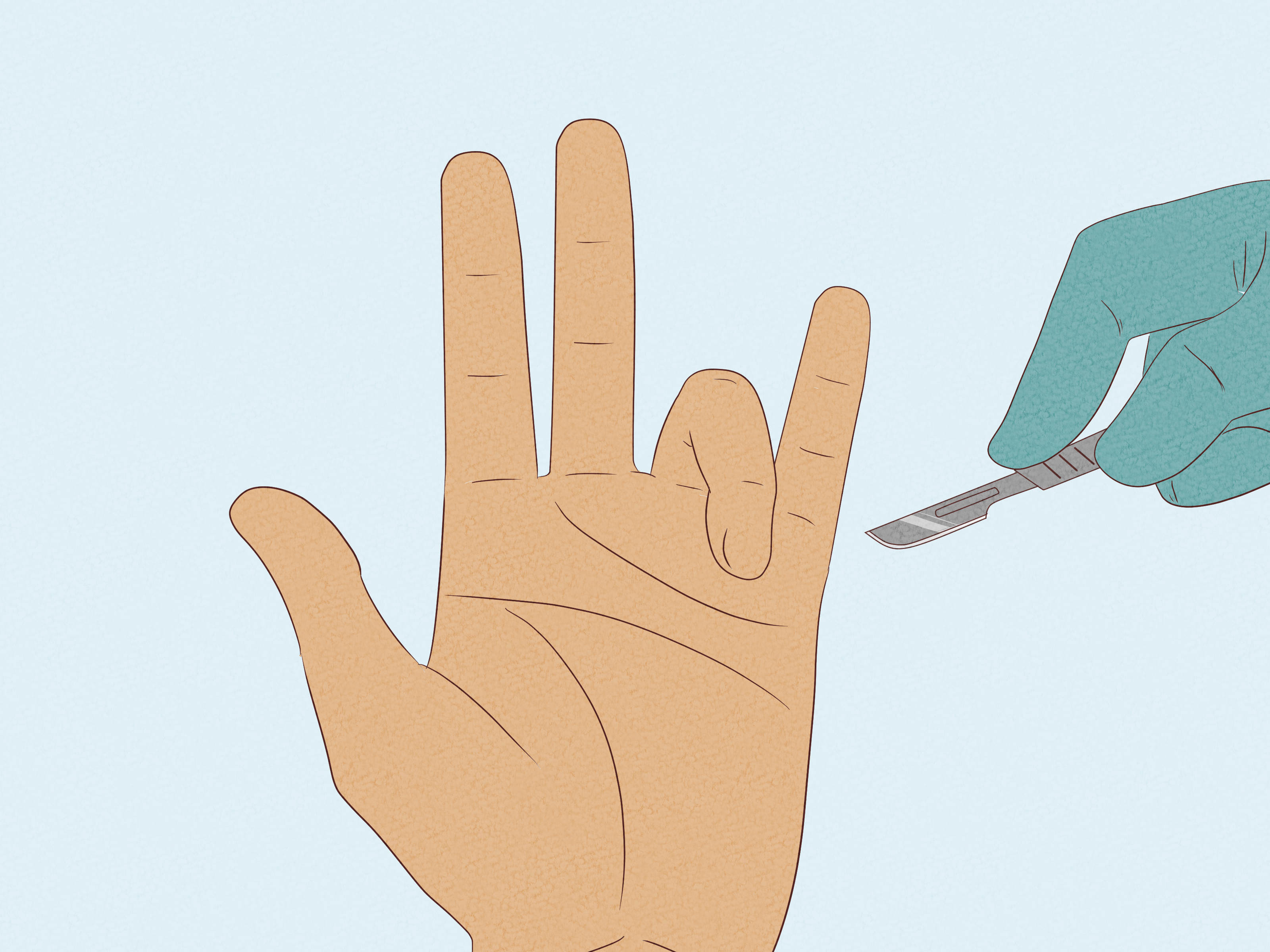
There are exceptions. If a blister is very large, painful, or located where pressure makes walking or working difficult, careful drainage may help relieve discomfort. However, the goal is to drain the fluid while keeping the overlying skin in place. Do not peel the skin off. That thin flap is still useful protection.
How to Treat an Intact Blister
For a blister that has not popped, the first rule is simple: protect it from more rubbing. Continued friction can turn a minor blister into an angry, open wound.
Step 1: Wash Your Hands
Before touching the blister, wash your hands with soap and water. Clean hands reduce the chance of introducing bacteria to irritated skin.
Step 2: Clean the Area Gently
Wash around the blister with mild soap and water. Pat the area dry. Do not scrub the blister, and do not attack it with harsh disinfectants as if it owes you money.
Step 3: Cover It Loosely
Use a bandage, sterile gauze, blister pad, or hydrocolloid dressing to protect the blister. The covering should shield the area without pressing directly into the blister. If the blister is on your foot, a cushioned blister bandage can reduce rubbing inside your shoe.
Step 4: Use Padding for Pressure Relief
For foot blisters, moleskin or soft padding can help. A popular method is the “donut” technique: cut padding into a ring shape and place it around the blister, leaving the blister itself in the center hole. This reduces pressure while the blister heals.
Step 5: Pause the Activity That Caused It
If running caused the blister, take a break or switch activities. If a tool caused it, wear gloves next time. If shoes caused it, change footwear. A blister can heal faster when you stop repeating the exact move that created it.
How to Treat a Blister That Has Popped
A popped blister needs extra care because the protective roof has opened. The main goals are to keep it clean, prevent infection, and avoid tearing away remaining skin.
Step 1: Wash the Area
Gently wash the blister with soap and clean water. Avoid vigorous scrubbing. Pat dry with a clean towel or gauze.
Step 2: Keep the Skin Flap in Place
If the loose skin is still attached, do not pull it off unless it is dirty, dead, or hanging in a way that catches on everything. That skin can still protect the tender area underneath.
Step 3: Apply a Protective Layer
A thin layer of petroleum jelly can help keep the area moist and prevent the dressing from sticking. Some people use an over-the-counter antibiotic ointment for an opened blister, but it is not always necessary and may irritate sensitive skin. If you have allergies or skin reactions to topical antibiotics, skip them and ask a healthcare professional what is best.
Step 4: Cover With a Clean Bandage
Use a sterile bandage or nonstick dressing. Change it daily or sooner if it becomes wet, dirty, or loose. Keeping the area clean and covered helps protect the healing skin from bacteria and friction.
How to Drain a Painful Blister Safely
Drain a blister only when it is large, painful, and likely to break on its own. If you have diabetes, poor circulation, a weakened immune system, signs of infection, or a blister caused by a burn or unknown rash, do not drain it yourself. Contact a healthcare professional instead.
Safe Drainage Steps
- Wash your hands and the blister area with soap and water.
- Sterilize a clean needle with rubbing alcohol.
- Pierce the blister near the edge, not through the center.
- Let the fluid drain gently. Do not squeeze aggressively.
- Leave the overlying skin in place.
- Apply petroleum jelly or an appropriate ointment.
- Cover with a clean, nonstick bandage.
- Check daily for signs of infection.
The word “gently” is doing important work here. This is not a balloon-popping contest. The goal is comfort and protection, not winning a questionable medical DIY trophy.
How Long Does a Blister Take to Heal?
Most simple friction blisters heal within a few days to about one or two weeks. The exact timeline depends on the size of the blister, its location, whether it stays intact, and whether you can stop the rubbing that caused it.
An intact blister may flatten as the fluid is reabsorbed. A popped blister may take longer because the exposed skin needs more protection. Blisters on high-pressure areas, such as the heel, ball of the foot, or toes, may heal more slowly if you keep walking on them without padding.
Signs a Blister May Be Infected
Most blisters heal without drama. However, infection can happen, especially if the blister opens or is popped with unclean tools.
Call a healthcare professional if you notice:
- Increasing redness or warmth around the blister
- Swelling that gets worse instead of better
- Pus or cloudy drainage
- Red streaks spreading from the blister
- Increasing pain
- Fever or chills
- A bad smell from the wound
- A blister that does not improve after several days of care
You should also seek medical care if you have diabetes, poor circulation, nerve damage, immune system problems, or a blister on the face, genitals, or near the eye. These situations can carry higher risk and should not be handled with guesswork and optimism alone.
Blister Treatment Mistakes to Avoid
Do Not Peel Off the Skin
That loose skin may look annoying, but it protects the wound. Peeling it off too early exposes raw tissue and can make the blister more painful.
Do Not Keep Wearing the Same Problem Shoes
If your shoes caused the blister, continuing to wear them without padding or adjustment is like sending your heel back into the ring for round two. Switch shoes, add cushioning, or use blister pads until the area heals.
Do Not Use Dirty Needles
If you decide to drain a painful blister, never use an unclean needle, pin, knife, or anything that came from the bottom of a gym bag. Infection is not a personality-building experience.
Do Not Ignore Spreading Redness
A little tenderness is expected. Spreading redness, pus, warmth, or fever is different. Those signs may mean infection and need professional care.
Best Ways to Prevent Blisters
The best blister treatment is preventing the blister from forming in the first place. Prevention is not glamorous, but neither is limping across a parking lot because your heel is staging a rebellion.
Wear Shoes That Fit Well
Shoes should not pinch, slide, or rub. Your toes need room, your heel should stay secure, and the shoe should match the activity. Running shoes, hiking boots, work shoes, and dress shoes all have different jobs.
Break in New Shoes Slowly
New shoes can be stiff. Wear them for short periods before a long walk, big event, work shift, or trip. Your feet deserve a test drive before the full road trip.
Use Moisture-Wicking Socks
Damp skin blisters more easily. Choose socks that pull moisture away from the skin, especially for running, hiking, sports, or long workdays. Avoid cotton socks for high-sweat activities because they tend to hold moisture.
Protect Hot Spots Early
A “hot spot” is an area that feels warm, tender, or irritated before a blister forms. Stop and cover it with moleskin, tape, or a blister bandage as soon as you feel it. Early action can save you from a full blister later.
Wear Gloves for Repetitive Hand Work
Gardening, rowing, weightlifting, shoveling, raking, and using hand tools can cause palm blisters. Gloves reduce friction and protect your hands from repeated rubbing.
Consider Lubricants or Powders
For people prone to friction blisters, a skin lubricant can reduce rubbing, while foot powder may help control moisture. Choose the method that fits your activity and skin type.
Quick Blister Care Guide
| Blister Situation | Best Action |
|---|---|
| Small, intact blister | Leave it alone, cover loosely, reduce friction. |
| Painful foot blister | Use moleskin or donut padding to relieve pressure. |
| Popped blister | Clean with soap and water, keep skin flap, cover with a clean bandage. |
| Large painful blister | Consider careful drainage if safe, or ask a healthcare professional. |
| Blister with pus, warmth, spreading redness, or fever | Seek medical care. |
| Blister in a person with diabetes or poor circulation | Contact a healthcare professional promptly. |
Special Care for Foot Blisters
Foot blisters are common because feet live a high-friction lifestyle. They spend hours inside shoes, deal with sweat, absorb pressure, and rarely get a thank-you note. To help a foot blister heal, reduce pressure immediately.
Wear open or roomier shoes when possible. Use cushioned bandages or hydrocolloid blister pads. For hiking or running, stop at the first sign of a hot spot and apply protection before the blister forms. If you must keep walking, donut padding can prevent direct pressure on the blister.
Do not ignore foot blisters if you have diabetes, neuropathy, or circulation problems. Even a small wound can become serious when sensation or blood flow is reduced.
Special Care for Hand Blisters
Hand blisters usually come from tools, sports equipment, gym bars, rowing handles, or yard work. The treatment is similar: clean, cover, and avoid more rubbing. If the blister is on your palm or finger, use a flexible bandage that stays in place without cutting off circulation.
Before returning to the activity, consider gloves, grip tape, or better technique. Sometimes a small change in hand position can prevent the same blister from coming back like an unwanted sequel.
Do Home Remedies Help Blisters Heal?
Simple care works best. Clean water, mild soap, petroleum jelly, sterile dressings, and friction reduction are the most reliable tools. Aloe vera may soothe minor burns or irritation for some people, but avoid applying random oils, harsh chemicals, or heavily fragranced products to open skin.
Hydrogen peroxide and rubbing alcohol may seem like serious wound-cleaning choices, but they can irritate healing tissue. For most simple blisters, gentle cleaning with soap and water is enough.
Experience-Based Tips: What Actually Helps in Real Life
After dealing with blisters from new shoes, long walks, gym sessions, gardening days, and the occasional “I can totally hike five miles in these” decision, one lesson becomes clear: the blister rarely appears out of nowhere. Most of the time, it sends a warning first. That warning is the hot spot. It feels like a small area of heat, rubbing, or tenderness. Ignore it, and the skin starts drafting its resignation letter.
The most useful real-life habit is to stop early. When you feel a hot spot on your heel during a walk, do not wait until you get home. Stop, take off the shoe, dry the area if it is sweaty, and apply moleskin, athletic tape, or a blister bandage. This tiny interruption can prevent days of discomfort. It feels annoying in the moment, especially if you are with other people, but it is much less annoying than hobbling later like a pirate with poor footwear planning.
Another practical tip is to carry a small blister kit. It does not need to be fancy. A few adhesive bandages, moleskin, alcohol wipes, a small roll of tape, and one or two hydrocolloid blister pads can make a huge difference. Keep one kit in a backpack, gym bag, travel bag, or car. Blisters love bad timing, so it helps to be ready before your shoe starts acting like sandpaper with laces.
Socks matter more than people think. Thick socks are not always better if they bunch up or trap moisture. For long walks, hikes, or runs, moisture-wicking socks can reduce rubbing and keep skin drier. Some people do well with double-layer socks because the sock layers rub against each other instead of the skin. Others prefer thin performance socks. The best choice is the one that keeps your feet dry and does not wrinkle inside the shoe.
For new shoes, the best strategy is patience. Wear them at home first. Walk around for short periods. Notice where they rub. If they pinch during a 15-minute test, they are not magically going to become kind during a full day out. Shoes do break in, but feet can break down faster. Use padding on predictable rub points before the blister starts.
For hand blisters, gloves are the underrated hero. Whether you are lifting weights, raking leaves, shoveling, rowing, or using tools, gloves reduce friction and help distribute pressure. If gloves are not practical, adjusting grip can help. Holding a tool too tightly often increases rubbing. A relaxed but secure grip can reduce skin stress.
Once a blister appears, comfort improves when pressure is removed. For foot blisters, donut padding is often better than placing a flat bandage directly over the blister. The ring shape lets the surrounding padding take pressure while the blister sits in the center. For popped blisters, nonstick dressings are worth using because regular gauze can stick to healing skin and make bandage changes unpleasant.
One more experience-based rule: do not “test” the blister every five minutes. Pressing it, poking it, peeling it, or checking whether it still hurts usually makes it more irritated. Clean it, protect it, and let it rest. Skin heals best when it is not treated like a science fair project.
Finally, respect the warning signs. A normal blister may be tender, but it should gradually improve. If redness spreads, pain increases, warmth develops, pus appears, or you feel sick, get medical help. Most blisters are simple. Infected blisters are not something to tough out for pride points.
Conclusion
Blister treatment is mostly about protecting your skin while it repairs itself. Leave small blisters intact when possible, cover them with a clean bandage, reduce pressure, and avoid the activity or gear that caused the problem. If a blister pops, clean it gently, keep the skin flap in place, and cover it with a sterile dressing. If a blister is large and painful, careful drainage may help, but only when it is safe and done cleanly.
The most important rule is to watch for infection. Increasing redness, warmth, swelling, pus, red streaks, fever, or worsening pain should not be ignored. And if you have diabetes, poor circulation, immune problems, or unexplained blisters, contact a healthcare professional. Your skin is good at healing, but it appreciates a little backup when things get complicated.
With the right care, most blisters heal well. Protect the bubble, respect the hot spot, choose better socks and shoes, and your feet and hands will be far less likely to file another complaint.