Note: “Psorasis” appears in the requested title, but the correct medical spelling used throughout this article is “psoriasis.”
Psoriasis has a talent for showing up like an uninvited guest: suddenly, loudly, and usually right before something important. One week your skin may feel calm, and the next you are wondering whether stress, cold weather, a new soap, a missed dose, or that mysterious “extra spicy” dinner has joined forces against you.
That is why learning how to track your psoriasis symptoms can make daily life feel less random. A psoriasis symptom log will not magically erase plaques, itching, scaling, or flare-ups. However, it can help you spot patterns, prepare better questions for your dermatologist, and understand what your skin is trying to tell youwithout needing a medical degree or a detective trench coat.
Psoriasis is a chronic inflammatory skin condition that often comes and goes in cycles. Symptoms may flare for weeks or months, then improve or quiet down for a while. Because triggers vary from person to person, tracking your symptoms over time is one of the most practical ways to personalize your psoriasis care. The goal is not perfection. The goal is useful information.
Why Tracking Psoriasis Symptoms Matters
A psoriasis flare can be influenced by many things: stress, skin injuries, infections, weather changes, smoking, alcohol, certain medications, missed treatments, or even friction from clothing. Some people notice winter flares. Others flare after a stressful workweek, a sunburn, a sore throat, or a period of poor sleep. Without a log, those clues can disappear faster than a tube of moisturizer in January.
Tracking gives you a timeline. Instead of telling your doctor, “My skin is worse sometimes,” you can say, “My scalp itching increased from a 3 to an 8 after two weeks of poor sleep and missed evening medication.” That kind of detail is gold. It helps your healthcare team evaluate whether your current treatment is working, whether your triggers need attention, or whether symptoms suggest something more, such as psoriatic arthritis.
A log can also help you separate coincidence from real patterns. One bad flare after eating pizza does not mean pizza is your villain origin story. But if you repeatedly notice symptoms worsening after certain foods, poor sleep, heavy stress, or skipped medication, the pattern becomes worth discussing with a clinician.
What to Include in a Psoriasis Symptom Log
A helpful psoriasis tracker does not need to be complicated. In fact, the best log is the one you will actually use. A five-minute note written consistently beats a beautiful spreadsheet abandoned after three days.
1. Date and Time
Start with the basics: the date and, if useful, the time of day. Psoriasis symptoms can change throughout the day. Itching may be worse at night. Joint stiffness may appear in the morning. Scalp discomfort may increase after sweating. Recording timing can reveal patterns that a weekly memory dump may miss.
2. Body Areas Affected
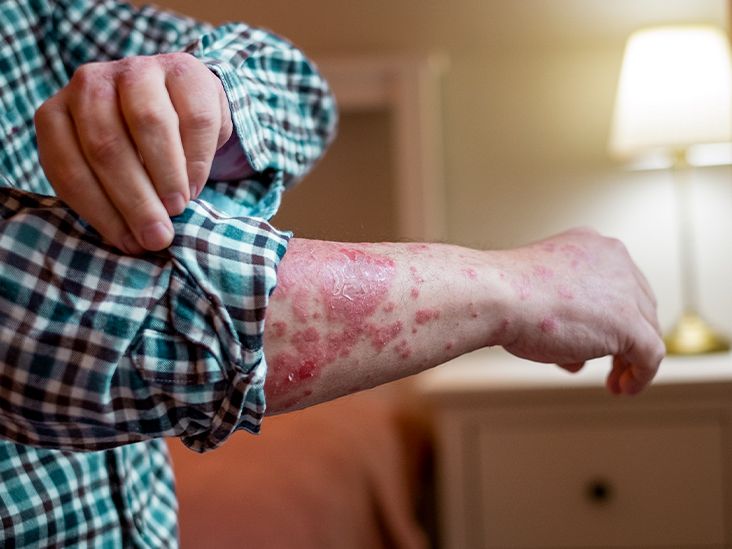
Write down where symptoms appear. Common areas include the scalp, elbows, knees, lower back, trunk, palms, soles, nails, and skin folds. Be specific. Instead of “arms,” write “left elbow” or “both forearms.” If your psoriasis affects high-impact areas such as the face, hands, genitals, scalp, feet, or nails, mention that clearly because even a small affected area can have a major effect on daily comfort and confidence.
3. Symptom Severity
Use a simple 0-to-10 scale for key symptoms:
- Itching: 0 means no itch; 10 means intense itch that interrupts sleep or concentration.
- Pain or burning: 0 means none; 10 means severe discomfort.
- Scaling or flaking: 0 means clear; 10 means heavy scaling.
- Redness or discoloration: 0 means normal for your skin tone; 10 means very inflamed or obvious.
- Cracking or bleeding: Note yes or no, plus where it happened.
Numbers make it easier to compare one week with another. They also help you avoid the classic human memory problem: when today is itchy, last week becomes a blur of “also itchy, probably.”
4. Approximate Body Surface Area
Doctors often estimate psoriasis severity by looking at how much body surface area is affected. A common rough guide is that the palm of your hand, including the fingers, is about 1% of your body surface area. You do not need to calculate like a mathematician trapped in a dermatology clinic. Just estimate whether the affected area is smaller than one palm, a few palms, or more than ten palms.
For example, you might write: “Plaques on both elbows, about 2 palms total,” or “Scalp plus knees, roughly 4% body surface area.” This can help your doctor decide whether your psoriasis is mild, moderate, or severe and whether a treatment plan needs adjusting.
5. Photos of Flares
Photos can be extremely useful, especially because psoriasis often improves right before the appointment you booked specifically because it was awful. Take photos in consistent lighting, from a similar distance, and include the same body area each time. Avoid filters. Your skin does not need cinematic lighting; it needs accurate documentation.
Create a private folder on your phone labeled by date. For example: “Psoriasis flare – March 4” or “Scalp week 2 after new shampoo.” If privacy matters, use secure storage and avoid saving sensitive photos where others can easily see them.
6. Treatments Used
Track what you used and how often. Include prescription creams, ointments, shampoos, oral medications, injections, light therapy, moisturizers, coal tar products, salicylic acid products, or other dermatologist-approved treatments. Note missed doses, late doses, or changes in routine.
A simple entry might look like this: “Used topical steroid once daily for 5 days, missed Saturday. Moisturized twice daily. Itching improved from 7 to 4.” This gives your healthcare provider a clearer picture of whether the treatment itself is helping or whether inconsistent use might be part of the problem.
7. Possible Triggers
Triggers are personal, but common ones include stress, infections, skin injuries, sunburn, cold and dry weather, smoking, frequent or heavy alcohol use, and certain medications. Some people also notice changes related to sleep, diet, sweating, friction, or hormonal shifts.
Do not try to track everything forever. That turns a symptom log into a second job, and nobody asked for that. Instead, choose a few categories that seem relevant to your life. For example, if stress and sleep seem connected to your flares, track those daily for a month. If weather appears suspicious, note temperature, humidity, or seasonal changes.
8. Joint, Nail, and Eye Symptoms
Psoriasis is not always limited to the skin. Some people with psoriasis develop psoriatic arthritis, which can cause joint pain, swelling, stiffness, back pain, heel pain, or sausage-like swelling of fingers or toes. Nail changes such as pitting, thickening, lifting, or discoloration can also be important clues.
Track morning stiffness, swollen joints, pain that improves with movement, and any nail changes. If you notice eye pain, redness, light sensitivity, or vision changes, contact a healthcare professional promptly. These symptoms deserve attention and should not be filed under “probably nothing.”
Easy Ways to Track Psoriasis Symptoms
There is no single best tracking method. The right tool depends on your personality. Are you a spreadsheet wizard? A notebook loyalist? A phone-notes minimalist? Choose the system that feels natural enough to survive a busy Tuesday.
Option 1: A Paper Psoriasis Journal
A paper journal is simple, private, and low-tech. It works especially well if you like handwriting or want to reflect on how symptoms affect your mood, sleep, and daily activities.
Use one page per day or one page per flare. Add sections for body area, severity, triggers, treatment, photos taken, and notes for your doctor. You can also use symbols: a star for severe itch, a checkmark for medication used, or a cloud for stress. Yes, your journal can have emojis. Psoriasis may be serious, but your tracking system does not need to be boring.
Option 2: Phone Notes
Your phone’s notes app may be the easiest psoriasis tracker you already own. Create a note called “Psoriasis Log” and add quick entries. Use voice dictation if typing feels annoying. A good entry can be as short as:
Example: “May 10: Scalp itch 8/10, elbows 5/10, slept 5 hours, high stress, used medicated shampoo, skipped moisturizer.”
This format takes less than a minute and still gives you useful information.
Option 3: Spreadsheet Tracker
A spreadsheet is great if you like patterns. Create columns for date, body area, itch score, pain score, scaling score, sleep hours, stress level, treatment, possible trigger, and notes. After a few weeks, you may notice that your symptoms rise when sleep drops or when cold weather hits.
Spreadsheets also make it easy to summarize information before appointments. You can tell your dermatologist, “My average itch score was 7 for two weeks, then dropped to 3 after consistent treatment.” That is much more useful than “It was bad, then less bad, then weird.”
Option 4: Symptom Tracking Apps
Health apps can help you track flares, symptoms, photos, medications, mood, and triggers in one place. Some psoriasis-focused resources also offer flare guides or symptom trackers. Before using any app, review its privacy policy, especially if you plan to upload photos or health information.
Apps can be convenient, but do not assume more features equal better tracking. The best psoriasis app is the one that helps you stay consistent and gives you clear information to discuss with your healthcare team.
Option 5: Photo Timeline
If your main concern is visible skin changes, a photo timeline may be enough. Take weekly photos of affected areas and add a short note with symptoms and treatments. This method works well for tracking plaques, scaling, redness, discoloration, and response to treatment.
For best results, photograph the same area under similar lighting. A bathroom mirror under harsh yellow light one week and a sunny window selfie the next week can make your skin look like it moved through three different climates.
A Simple Psoriasis Tracking Template
Use this template as a starting point:
- Date:
- Body areas affected:
- Itch score: 0–10
- Pain or burning score: 0–10
- Scaling/flaking score: 0–10
- Approximate body surface area:
- Photos taken: yes/no
- Treatments used:
- Missed treatments:
- Sleep:
- Stress level: 0–10
- Possible triggers:
- Joint, nail, or eye symptoms:
- Questions for doctor:
You can complete this daily during a flare and weekly when symptoms are calm. Tracking does not need to be forever. Even four to six weeks of consistent notes can reveal helpful trends.
How to Use Your Log at Dermatology Appointments
A psoriasis log is most powerful when it becomes part of your medical visit. Before your appointment, review your notes and look for patterns. Did symptoms improve with consistent treatment? Did flares happen after infections, stress, travel, cold weather, or missed medication? Did joint pain appear before skin symptoms worsened?
Bring a short summary. Dermatologists are skilled, but they are also human. A clear one-page overview is easier to use than 87 screenshots and a dramatic speech titled “The Betrayal of My Elbows.”
Try summarizing your log like this:
“Over the past six weeks, scalp itching averaged 7/10 and woke me up three nights per week. Elbow plaques improved with daily ointment, but symptoms returned when I stopped. I also noticed morning finger stiffness twice a week.”
This gives your provider practical information about severity, treatment response, quality of life, and possible psoriatic arthritis symptoms.
What Not to Do When Tracking Psoriasis
Tracking should support your care, not make you anxious. Avoid obsessing over every tiny change. Psoriasis naturally fluctuates, and one red patch does not automatically mean disaster. Focus on patterns, not panic.
Also avoid changing or stopping prescribed treatments without talking to your healthcare provider. If you suspect a medication is triggering symptoms, document the timing and contact your clinician. Some medications require careful adjustment, and stopping suddenly can create new problems.
Finally, do not use your log to blame yourself. Psoriasis is an immune-related condition, not a personal failure. A flare does not mean you ate wrong, slept wrong, stressed wrong, or moisturized with insufficient moral character. The log is a tool, not a courtroom.
When to Call a Healthcare Professional
Contact a dermatologist or healthcare professional if your psoriasis is spreading quickly, causing significant pain, cracking, bleeding, or interfering with sleep, work, school, exercise, or daily life. You should also ask for medical advice if you develop joint pain, swelling, morning stiffness, nail changes, eye symptoms, or signs of infection such as warmth, pus, fever, or worsening tenderness.
If your current treatment is not working, your log can help your doctor decide whether you need a different topical medication, light therapy, oral treatment, injectable biologic, or evaluation for psoriatic arthritis. Modern psoriasis care has many options, and tracking can help match the plan to your actual lifenot just your skin on appointment day.
500-Word Experience Section: What Tracking Psoriasis Feels Like in Real Life
The first experience many people have with psoriasis tracking is mild suspicion. You open a notebook or app and think, “Is this really going to help?” At first, it can feel strange to rate your itching like a restaurant review. “Tonight’s scalp itch: 8/10, terrible service, would not recommend.” But after a week or two, the process starts to make sense.
One common experience is realizing that symptoms are not as random as they seemed. A person may notice that plaques on the hands get worse after frequent handwashing without moisturizing. Someone else may find that scalp itching spikes after several nights of poor sleep. Another may realize that winter air, indoor heating, and long hot showers form a tiny villain squad. These discoveries are not always dramatic, but they are useful. They turn “my skin hates me” into “my skin needs a better plan during cold, dry weeks.”
Tracking can also make doctor visits feel less rushed. Many people forget details once they are sitting on the exam table in a paper gown, trying to remember when the flare started. A log reduces that pressure. Instead of relying on memory, you can show your notes and photos. You may feel more confident saying, “This treatment helped the plaques but did not help the itching,” or “My knees and fingers have been stiff in the morning.” That confidence matters because psoriasis care often requires adjustments.
Another real-life benefit is emotional. Psoriasis can affect self-esteem, clothing choices, sleep, social plans, and mood. A symptom log can include those details too. Writing “itch woke me up twice” or “avoided short sleeves today” may feel small, but it helps show the full impact of the condition. Skin severity is not only about surface area. A small plaque in a high-impact place can feel huge when it affects your comfort or confidence.
Of course, tracking can become annoying if it is too detailed. The most sustainable approach is usually the simplest. Many people do best with a quick evening check-in: symptoms, treatment, possible trigger, and one note. During flares, they track daily. During calm periods, they track weekly. This keeps the habit useful without letting it take over the day.
The biggest lesson from tracking psoriasis is that patterns need patience. One entry tells a story; several weeks tell a trend. Your log will not answer every question, and it should not replace professional medical advice. But it can help you become a better observer of your own body. Over time, those observations can lead to better conversations, better routines, and better care decisions. In other words, your psoriasis log becomes less like homework and more like a user manual for your skinslightly weird, occasionally frustrating, but surprisingly helpful.
Conclusion
Tracking your psoriasis symptoms is one of the most practical ways to understand your flare-ups, identify possible triggers, and communicate clearly with your healthcare team. Whether you use a notebook, phone notes, spreadsheet, app, or photo timeline, the key is consistency. Record where symptoms appear, how severe they feel, what treatments you used, and what was happening in your life before the flare.
Psoriasis may be chronic, but your care does not have to feel chaotic. A simple log can turn scattered symptoms into useful clues. It can help you notice patterns, protect your quality of life, and work with your dermatologist on a plan that fits your skin and your schedule. And if your elbows could talk, they would probably say, “Thank you for finally documenting our complaints.”