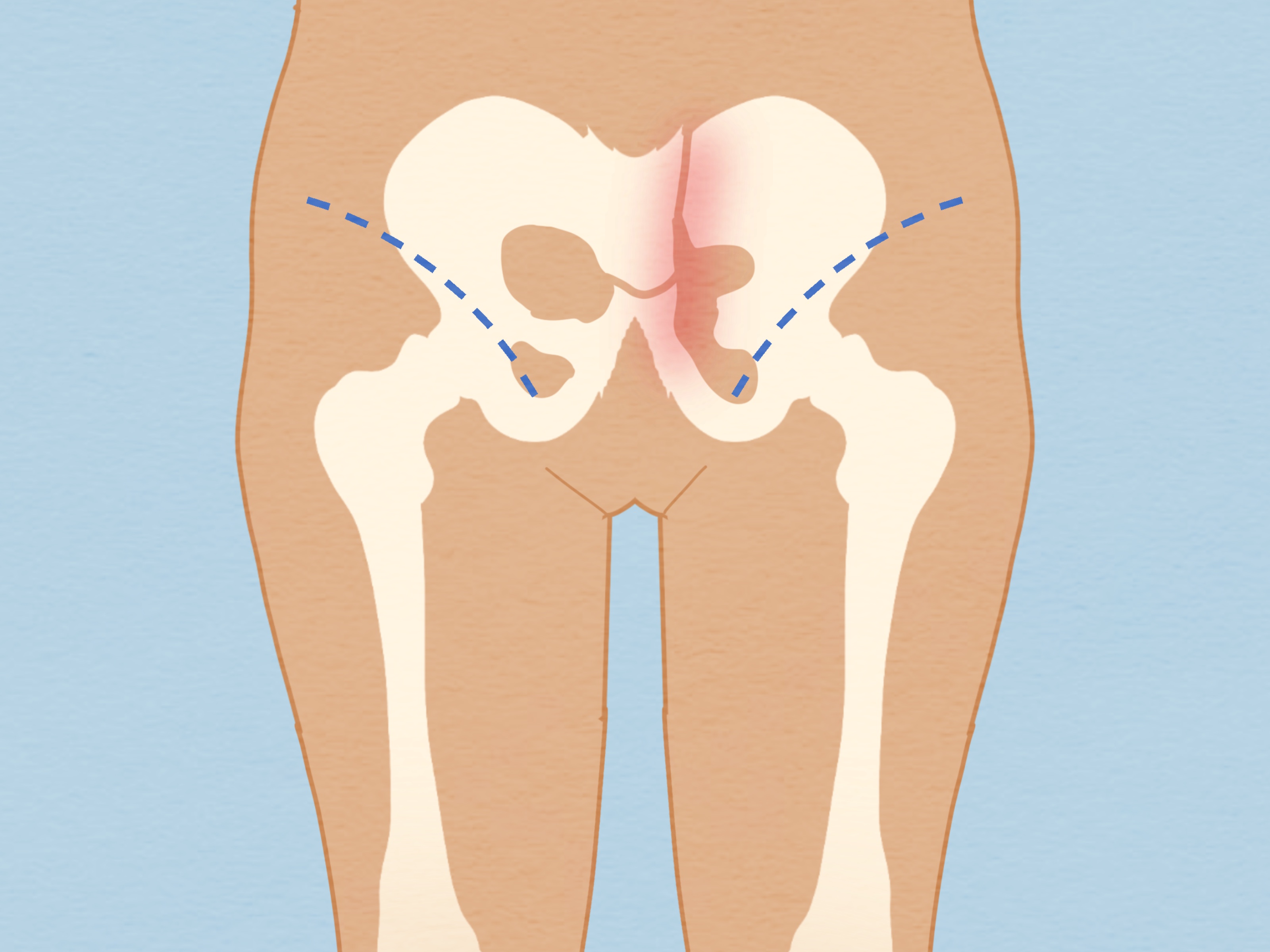
Sitting sounds simpleuntil your pelvis is fractured. Suddenly, the innocent act of lowering yourself into a chair can feel like negotiating a peace treaty between your bones, muscles, nerves, and one very opinionated cushion. A fractured pelvis can make everyday routines such as eating at the table, riding in a car, using the bathroom, working at a desk, or watching a movie feel surprisingly complicated.
The good news is that sitting with a fractured pelvis can become more manageable with the right setup, the right pacing, and the right medical guidance. The not-so-fun news is that there is no universal “perfect position” because pelvic fractures vary. Some are stable and treated with rest, pain control, walking aids, and physical therapy. Others are more serious and may require surgery, strict weight-bearing limits, or a longer rehabilitation plan. In other words, your chair strategy should work with your treatment plannot freestyle against it like an overconfident karaoke singer.
This guide explains how to sit comfortably with a fractured pelvis using practical, realistic tips. It is written for general education and should not replace advice from your orthopedic specialist, trauma team, primary care provider, or physical therapist. If sitting causes sharp pain, numbness, weakness, new bladder or bowel symptoms, dizziness, fever, wound changes, or worsening swelling, contact a healthcare professional promptly.
Understanding Why Sitting Hurts After a Pelvic Fracture
The pelvis is not just one bone. It is a strong ring-like structure that connects your spine to your legs and supports important organs, muscles, ligaments, and nerves. When part of that structure is fractured, pressure from sitting may irritate the injured area or nearby soft tissues. Pain may also come from bruising, surgical hardware, muscle guarding, swelling, or stiffness from spending more time lying down.
A fractured pelvis is often painful with movement, especially when changing positions, standing, walking, or shifting weight. Many people naturally try to keep the hips or knees slightly bent because that position may reduce tension around the pelvis. Sitting comfort usually improves gradually as healing progresses, but the early days can require patience, planning, and some creative furniture diplomacy.
How to Sit Comfortably with a Fractured Pelvis: 10 Tips
1. Follow Your Weight-Bearing Instructions First
Before you worry about the perfect chair, make sure you understand your weight-bearing status. Your doctor may tell you to bear weight as tolerated, use a walker, avoid putting weight on one side, or follow specific restrictions after surgery. These instructions matter because sitting down and standing up both load the pelvis.
For example, if you are told to avoid full weight on one leg, you may need to use your arms, walker, raised chair, or caregiver support when lowering yourself. If you are allowed to move as tolerated, your goal may be gentle, frequent position changes rather than long rest sessions. When in doubt, ask your healthcare team exactly how to transfer from bed to chair, chair to toilet, and chair to car.
2. Choose a Firm, Supportive Chair Instead of a Soft Couch
A deep, squishy couch may look inviting, but after a pelvic fracture it can turn into a furniture trap. Soft seats allow your hips to sink, which may tilt the pelvis, increase pressure, and make standing up harder. A better choice is usually a firm chair with armrests, a stable back, and a seat height that lets your feet rest flat on the floor.
Dining chairs, firm recliners with controlled positioning, or sturdy office chairs with locked wheels can work well. Avoid low chairs whenever possible. The lower the seat, the more effort your hips and pelvis need when you stand. If your favorite chair is too low, a firm cushion or chair riser may help, but it should not wobble or slide. Comfort is important, but stability is the boss.
3. Use a Pressure-Reducing Cushion
A pressure-reducing cushion can make sitting less miserable by spreading weight more evenly. Some people do well with a wedge cushion, gel cushion, memory foam cushion, or a cushion with a coccyx cutout. The best option depends on where your fracture is, where your pain is strongest, and whether you also have tailbone, sacral, hip, or low-back discomfort.
Be careful with donut cushions. They help some people, but they can concentrate pressure around the ring and may not be ideal for every pelvic injury. A wedge cushion may reduce pressure by tilting your pelvis slightly forward, while a coccyx cushion may reduce pressure near the tailbone. Test any cushion for short periods first. If it increases pain, tingling, pressure, or instability, stop using it and ask a clinician or physical therapist for guidance.
4. Keep Your Hips Level and Your Feet Supported
Sitting unevenly can create extra strain. Try to keep your hips level, your weight balanced, and both feet supported. Your knees should usually be around hip height or slightly lower, unless your provider has given different positioning instructions. Dangling feet can pull on the hips and low back, while crossed legs can twist the pelvis.
If your feet do not reach the floor, use a stable footrest, a low stool, or a firm box. Do not use anything that rolls, tips, or slides away like it has somewhere better to be. Keeping your feet supported also makes it easier to stand up safely.
5. Sit Tall, but Do Not Sit Like a Statue
Good posture helps reduce unnecessary pressure, but “good posture” does not mean freezing in a military pose for an hour. Aim for a relaxed, upright position with your shoulders down, your back supported, and your pelvis neutral. A small lumbar pillow or rolled towel behind your lower back may help you avoid slumping.
Slouching can roll the pelvis backward and increase pressure on tender areas. Leaning too far forward may also irritate the hips or low back. The goal is a calm middle ground: supported, relaxed, and adjustable. Think “comfortable dignity,” not “museum statue guarding the ancient chair.”
6. Limit Sitting Time and Change Positions Often
Long sitting sessions can increase stiffness, pain, swelling, and pressure on sensitive tissues. In early recovery, many people do better with short sitting intervals followed by a safe position change. Your doctor or physical therapist may recommend a specific schedule, but a common approach is to sit for a short period, stand or walk with assistance if allowed, then rest again.
If you are working, studying, or reading, set a timer so you do not accidentally sit too long. Pain can sneak up like a quiet cat and then suddenly announce itself with claws. Small, planned breaks are easier than trying to recover from one marathon sitting session.
7. Practice Safe Transfers: Nose Over Toes, No Twisting
Getting into and out of a chair is often more painful than sitting itself. A safe transfer can reduce strain. Move slowly, back up until you feel the chair behind your legs, reach for the armrests, and lower yourself with control. When standing, scoot toward the edge of the chair if allowed, place your feet securely, lean forward slightly, and push through your arms and stronger leg as instructed.
Avoid twisting your trunk while your feet stay planted. Twisting can irritate the pelvis and surrounding muscles. Instead, turn your whole body in small steps. If you use a walker, keep it close enough for safety but do not pull on it to stand unless your therapist has shown you how. Walkers are helpers, not jungle gyms.
8. Prepare Your “Sitting Station” Before You Sit
Once you finally get comfortable, the last thing you want is to realize your water, phone, remote, medication schedule, charger, and snack are all on the other side of the room. Create a sitting station before you settle in.
Keep essentials within easy reach: water, phone, tissues, prescribed medications, a blanket, a small trash bag, and any mobility device you need. Use a side table at arm height so you do not have to bend or twist. If you are recovering from surgery, keep wound-care supplies and instructions nearby, but follow your provider’s rules about dressing changes and incision care.
9. Use Heat, Ice, and Pain Control Only as Directed
Comfort is easier when pain is controlled. Your healthcare team may recommend medication, ice, heat, or a combination depending on your injury, surgery status, swelling, bruising, and medical history. Ice may help with swelling and fresh soreness, while heat may relax tight muscles later in recovery. Always protect your skin with a cloth barrier and avoid using heat or ice over areas with poor sensation.
Take medications exactly as prescribed or directed. Do not add over-the-counter pain relievers without checking if they are safe for you, especially if you take blood thinners, have kidney disease, stomach ulcers, liver disease, or are recovering from surgery. Good pain control should help you move safely, breathe comfortably, and sleep betternot make you push beyond your restrictions.
10. Work With Physical and Occupational Therapy
Physical therapists help people with pelvic fractures rebuild mobility, strength, balance, and confidence. Occupational therapists can help you modify daily activities such as sitting at a desk, getting dressed, bathing, using the toilet, and getting in and out of a car. These professionals are basically the practical engineers of recovery: they look at your real life and help make it less awkward.
Your therapy plan may include gait training, gentle range-of-motion exercises, strengthening when appropriate, breathing exercises, and safe transfer practice. Do not begin random hip stretches, core exercises, or online workouts without approval. A move that helps one person may be wrong for another depending on fracture location, surgical repair, pain level, and weight-bearing restrictions.
Best Sitting Positions for Common Situations
Sitting at the Table
Use a firm chair with armrests if possible. Sit close enough to the table that you do not need to lean forward sharply. Keep your feet flat and avoid twisting to reach items. Ask someone to place meals, drinks, and utensils within easy reach. If meals take a long time, take a standing or walking break if your care team allows it.
Sitting at a Desk
A desk setup should support your back, arms, and feet. Raise your screen to eye level, keep your keyboard close, and use a chair that does not sink. If sitting for work or school, break tasks into shorter blocks. A sit-stand arrangement may help later in recovery, but only if standing is allowed and safe.
Sitting in a Car
Car seats can be challenging because they are low, angled, and narrow. Slide the seat back before entering, recline it slightly if needed, and place a firm cushion if approved. Back up to the seat, sit first, then bring both legs in together with help if necessary. Avoid twisting your pelvis as you enter. For longer rides, ask your provider whether breaks are recommended to reduce stiffness and clot risk.
Sitting on the Toilet
A raised toilet seat or bedside commode may make bathroom transfers safer and less painful. Grab bars can help, but towel racks are not grab bars, no matter how confident they look. If constipation becomes a problem due to reduced movement or medication, contact your healthcare team. Straining can increase discomfort and is not a recovery flex.
What to Avoid When Sitting with a Fractured Pelvis
Avoid low, soft, unstable seating. Avoid crossing your legs, twisting sharply, leaning far to one side, or sitting for long periods without changing position. Avoid carrying heavy objects while trying to sit or stand. Avoid pushing through severe pain because “toughing it out” is not a medical strategy; it is usually just a shortcut to feeling worse.
Also avoid comparing your recovery timeline with someone else’s. Pelvic fractures vary widely. Age, bone health, fracture pattern, surgery, other injuries, medications, and general health all influence recovery. One person may sit comfortably after a few weeks, while another needs several months of careful adjustments.
When to Call a Doctor
Call your healthcare provider if pain suddenly worsens, sitting becomes impossible, or you develop new numbness, weakness, fever, wound drainage, calf swelling, chest pain, shortness of breath, trouble urinating, loss of bladder or bowel control, or new severe abdominal pain. These symptoms may signal complications that need prompt medical attention.
You should also ask for help if your home setup feels unsafe. A physical therapist, occupational therapist, nurse, or doctor may recommend equipment such as a walker, raised toilet seat, shower chair, grab bars, cushions, or temporary home modifications. Safety is not dramatic. Falling during pelvic fracture recovery is dramatic. Choose safety.
500-Word Experience Section: Real-Life Comfort Lessons During Pelvic Fracture Recovery
People recovering from a fractured pelvis often say the hardest part is not one single momentit is the constant negotiation with ordinary life. Sitting down for breakfast, answering emails, riding to a follow-up appointment, or watching television can require more planning than packing for a weekend trip. The experience can be frustrating, but many small adjustments add up.
One common lesson is that the “best chair” is not always the most expensive chair. A simple firm dining chair with arms, a supportive cushion, and a small pillow behind the lower back may feel better than a luxury couch that swallows the hips. Comfort often comes from alignment and control, not softness. People also learn quickly that seat height matters. A chair that is only a few inches too low can make standing feel like climbing out of a canyon.
Another practical experience is the importance of timing. Sitting may feel fine for the first 10 minutes and then become uncomfortable by minute 25. That does not mean recovery is failing; it means the body is asking for a position change. Many patients find it helpful to rotate between lying down, sitting upright, standing briefly, and walking with a device if approved. Recovery often feels less like a straight road and more like a playlist: sit, shift, breathe, move, rest, repeat.
Car rides deserve special respect. Even a short trip can feel long when every bump in the road sends a reminder through the pelvis. A cushion, slow entry, careful leg movement, and extra time can make appointments less stressful. It is also helpful to plan trips when pain medication is working as prescribed, not when it is wearing off. Nobody wins an award for arriving early but miserable.
Bathroom routines are another area where small equipment can make a big difference. A raised toilet seat, grab bars, or bedside commode may feel unnecessary at first, especially for independent people who are used to doing everything themselves. But recovery is temporary, and tools are not a defeat. They are bridges. The same is true for asking for help with meals, laundry, pets, or errands. Protecting the healing pelvis is the priority.
Emotionally, sitting discomfort can be surprisingly draining. It limits social time, work, hobbies, and sleep. People may feel impatient because they look “fine” on the outside but still hurt with simple movements. A helpful mindset is to measure progress in small wins: sitting through a meal, transferring with less help, needing fewer cushion adjustments, or walking a little farther with approval. These wins may not make dramatic movie scenes, but they matter.
The most useful experience-based advice is simple: listen to your body, but also listen to your medical team. Pain is information, not a personal failure. A fractured pelvis needs respect, steady pacing, and practical support. With time, the chair stops feeling like an enemy and becomes just a chair againwhich, during recovery, is a surprisingly beautiful milestone.
Conclusion
Learning how to sit comfortably with a fractured pelvis is about reducing pressure, improving support, preventing unsafe movements, and respecting your healing timeline. A firm chair, pressure-reducing cushion, level hips, supported feet, short sitting sessions, safe transfers, and professional therapy can make daily life more manageable. The goal is not to sit perfectly. The goal is to sit safely, comfortably, and in a way that supports recovery.
Always follow your provider’s instructions, especially if you had surgery or have weight-bearing limits. If pain changes suddenly or new symptoms appear, seek medical advice. Your pelvis has a big job, and right now it is doing that job while under construction. Give it the support, patience, and smart seating it deserves.